


| Common Name | Yesterday, Today and Tomorrow, Kiss Me Quick, Morning-Noon-and-Night, Brazil Raintree | Maintenance | Low to moderate |
|---|---|---|---|
| Native Region | Argentina and Brazil | Average Height | 3-10 feet |
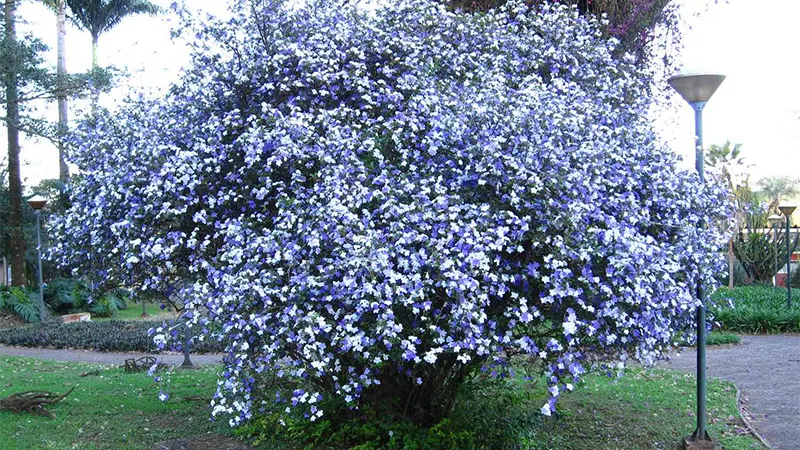
| Plant Type | Evergreen shrub (can be semi-deciduous in cooler environments) | Average Width | 4-8 feet |
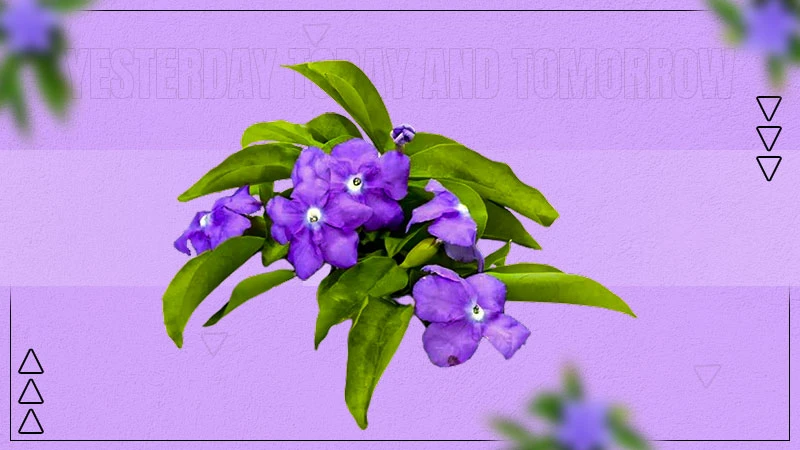
Yesterday Today and Tomorrow plant, botanically known as Brunfelsia pauciflora, is an evergreen shrub in frost-free areas.
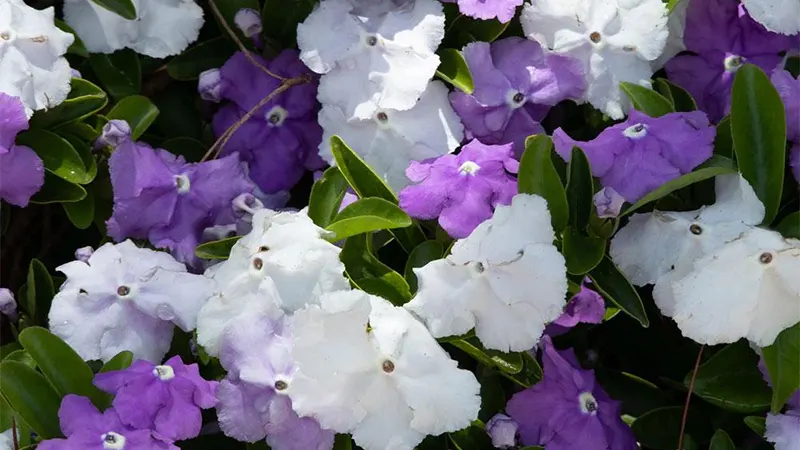
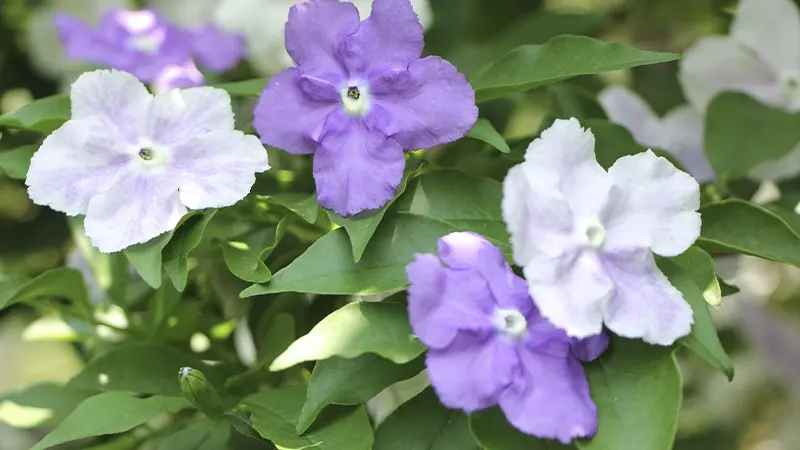
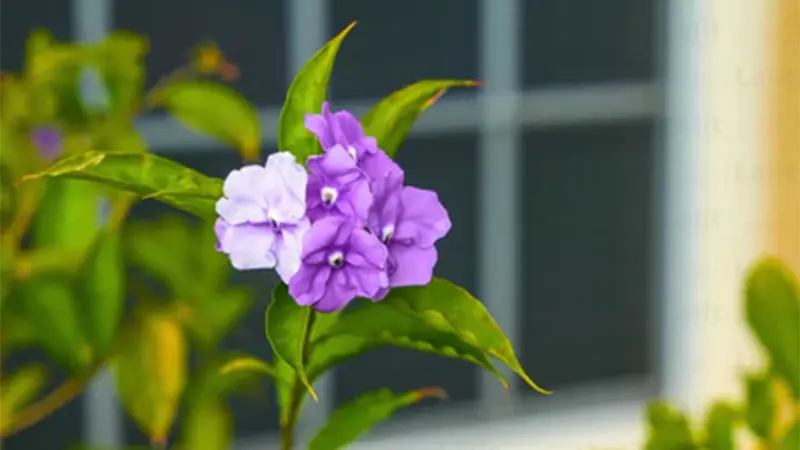
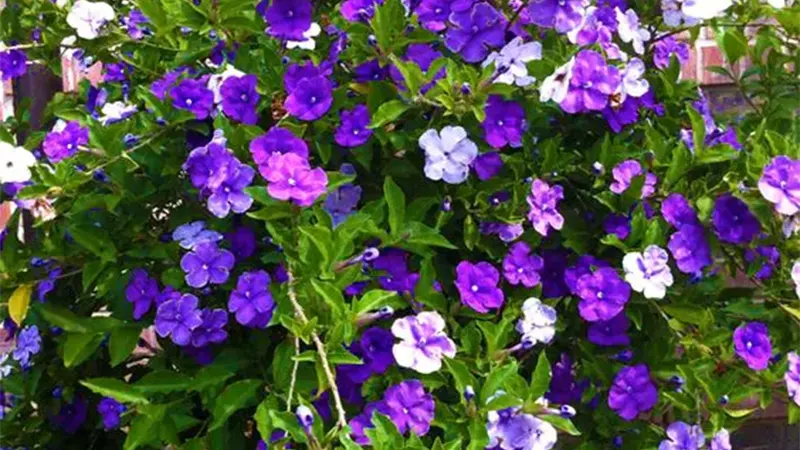
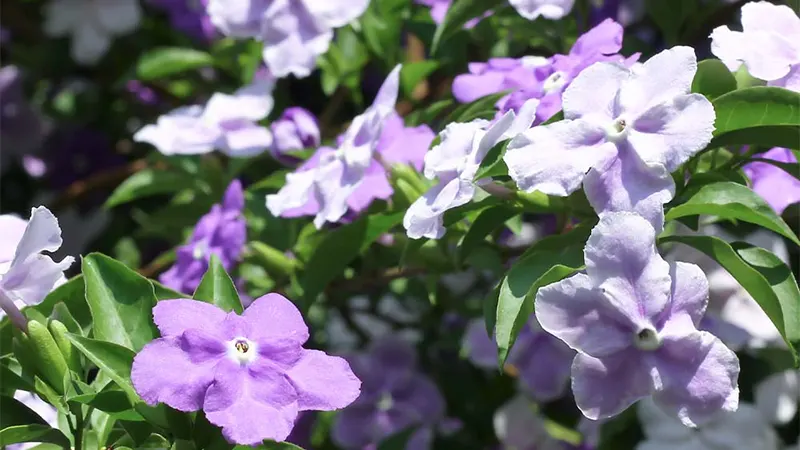
It is celebrated among the gardeners because of pansy-like flowers that bloom in the shade of purple (yesterday), fading to lavender (today) and finally to white (tomorrow) over the three days.
Key Features and Benefits of Yesterday Today and Tomorrow Plant
- Today Yesterday and Tomorrow plant typically bloom from late winter to spring to early summer. Though in the hot climate areas, it can bloom throughout the summer and fall as well.
- Thanks to its particular sweet, pleasant scent, the flowers become even more noticeable in the evenings.
- The multi-colored flowers make it well-suited as an ornamental specimen, container plant, and hedge.
- The green and glossy leaves provide a dense, bushy structure to the plant all year round.
Care Guide, Advantages, and Disadvantages of Natchez Crape Myrtles
- Growing Zone : USDA Zones 9a-11b
- Sunlight Exposure : Prefers partial shade to provide the best growth and blooms, especially in hot climates.
- Water Needs : Requires regular watering to establish the root system, specifically when newly planted.
- Soil Type : Thrives best in rich loamy soil with acidic pH and a good drainage system.
Advantages
- Generally pest and disease resistant once established.
- Tri-coloured flowers produce enough nectar and pollen to attract butterflies and bees.
- Good for novice gardeners who want to add greenery with minimal effort.
- Can thrive in partial to full sun with low maintenance.
Disadvantages
- May lose leaves or dieback in cold weather conditions.
- All parts of the plant contain toxic alkaloids that can cause seizures and tremors if ingested.
- Can be affected by aphids or Japanese beetlesNeeds consistent pruning after the blooming season to encourage new growth.
- The strong scent may not be ideal for hay fever sufferers.


Amelia Smith –
I bought the shrub some years ago, and now it has become the center of attraction in my garden. As the flowers bloom at different times, the shrub provides a bouquet-like effect.
Archie Evans –
It has become the highlight of my seating area! Always surrounded by hummingbirds and butterflies because of the sweet scent and vibrant flowers.
Max Hemingway –
I saw this plant some days back in my relative’s outdoor space. Loved how it elevated the charm with its purple, lavender, and white flowers. Looking forward to planting it as a privacy screen.
Olivia Baker –
Thanks to its low maintenance, I have grown this shrub in my balcony area that captures partial shade. If you are new to gardening like me, this shrub is highly recommended.
Andrew –
I bought the Yesterday, Today and Tomorrow Plant because I loved the idea of having flowers that change color. It arrived healthy and well-packed from YourHomify. It’s such an interesting plant, and I’m excited to see the different stages of the blooms.
Bob Rogers –
This plant definitely caught my attention because of its unusual name and flowers. The Yesterday, Today and Tomorrow Plant arrived in good condition and looks healthy. I’m really looking forward to seeing the blooms change as they mature.