


Overview and Description of Blue Hydrangea
| Common Name | French hydrangea, Lacecap hydrangea, and Mophead hydrangea | Maintenance | Low |
|---|---|---|---|
| Native Region | Japan, China, Korea, and Southeast Asia | Average Height | 2-6 feet |
| Plant Type | Shrubs | Average Width | 3-6 feet |
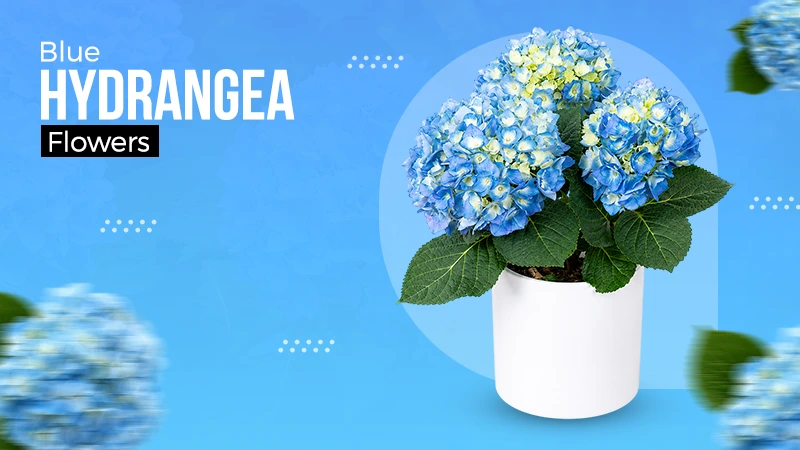
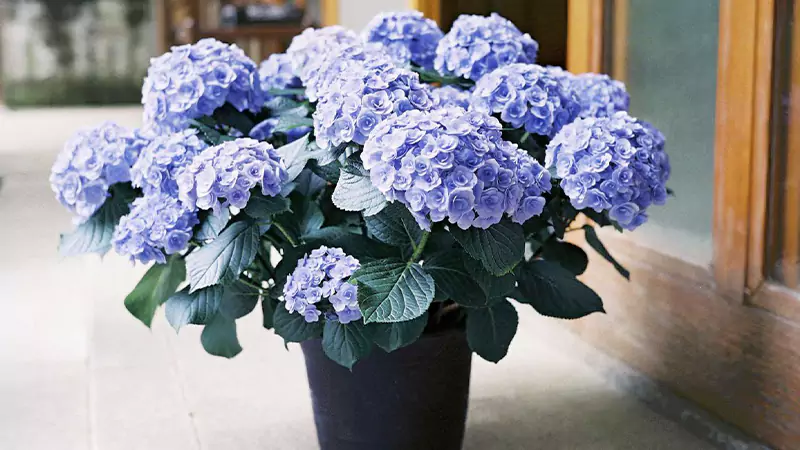
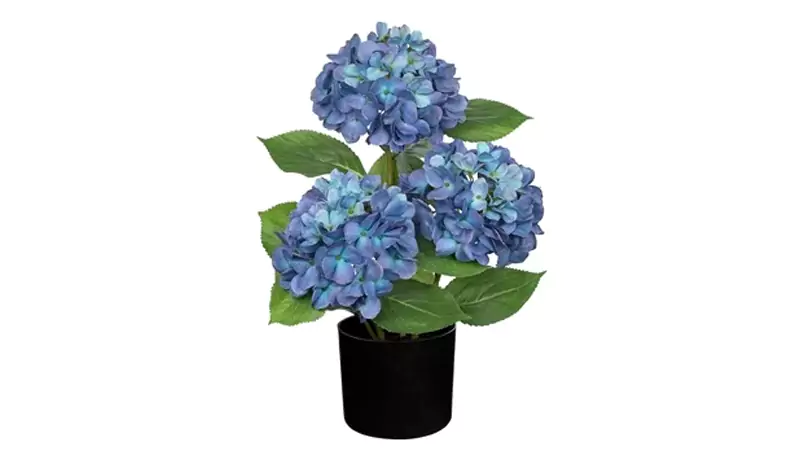
Scientifically known as the Hydrangea macrophylla, the blue hydrangea flower is a deciduous shrub that produces small blue flowers from late spring to midsummer.
Popularly used in flower arrangements, these ornamental blooms get their unique colour from acidic soil with low phosphorus content and are popular in container gardening indoors. They are associated with the idea of apology and regret.
Key features and benefits of the blue hydrangea
- The blue hydrangea flowers thrive in cool temperatures, with an ideal range of 60°F-70°F.
- Associated with a Japanese Legend, the blue hydrangea is linked to the ideas of forgiveness and apology.
- The unique colour of the flowers can be achieved by planting them in acidic soil with low to moderate phosphorus levels, as alkaline soil produces pink blooms.
- Easy to grow indoors, these flowers are fit for any garden style, from balcony gardens to patios and lawns, with partial sunlight.
- Popularly used in cut flower arrangements, the vase life of blue hydrangea is up to 2 weeks with proper care.
Care guide of blue hydrangea
- Growing Zone: USDA zones 5-9
- Water Needs: Moderate
- Soil Type: Well-draining sandy, loamy soil with acidic pH (5.2-5.5)
- Sunlight Exposure: Partial sunlight
- Growth Rate: Fast
Advantages
- These blue flowers are easy to grow for beginners.
- Due to its great ornamental value, the blue hydrangea flowers are used in cut flower arrangements for special occasions.
- This deciduous shrub is extremely versatile and can be grown easily in any garden style.
- Blue hydrangea has a fast growth rate.
Disadvantages
- The blue hydrangea flowers are susceptible to pest infestation.
- While considered low-maintenance, they have precise sunlight needs and are intolerant of full sun, which can cause premature wilting.
- The blue colour can be tricky to produce as it depends on the soil pH and phosphorus levels.
- Blue hydrangea are not pet-safe flowers.


Amelia –
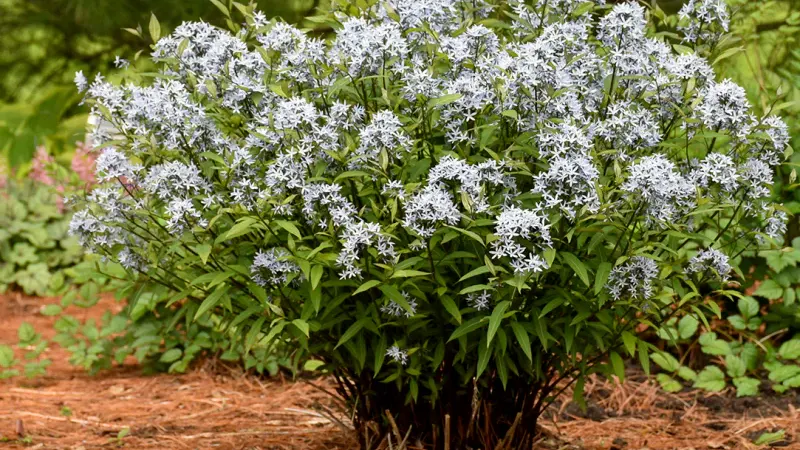
My first time growing hydrangeas and the blue flowers look beautiful.
John –
The flowers arrived in the best condition, they are easy to grow and can be planted both indoors and outdoors.
Liam –
These blue hydrangea grow extremely fast and require very little care, just regular watering and partial sunlight.
Sophia –
The cluster of small flowers look perfect in my garden border.
Andrew –
I ordered a Blue Hydrangea Flower from YourHomify and it arrived in good condition. The plant was healthy and packed well, with no damage during delivery. I’ve planted it in my garden and it’s settling in nicely.
Bob –
Got my Blue Hydrangea from YourHomify and I’m happy with the purchase. It arrived fresh and healthy, and the packaging was good. Looking forward to seeing those beautiful blue flowers bloom.