


Overview and description of the Lemon tree
| Common Name | Lemon and Eureka Lemon | Maintenance | Low |
|---|---|---|---|
| Native Region | Asia | Average Height | 10-20 feet |
| Plant Type | Evergreen Tree | Average Width | 10-15 feet |
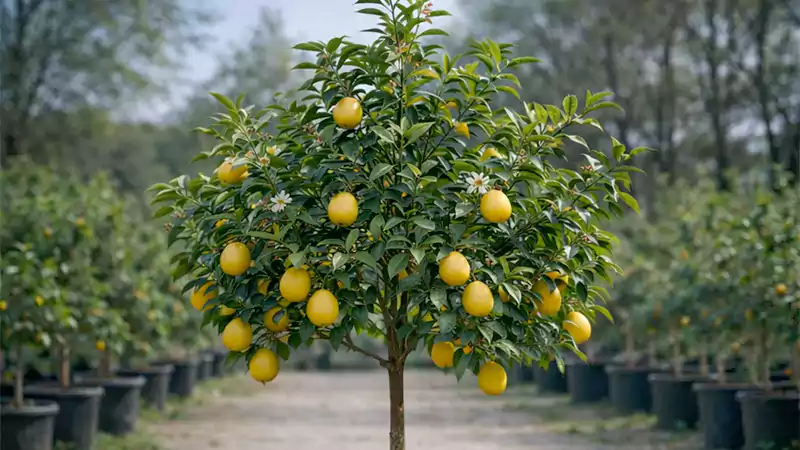
Botanically known as Citrus x limon, the lemon tree is a broadleaf evergreen citrus tree that produces the culinary staple lemon fruit and white flowers. Ideally grown in tropical and subtropical climates, the lemon tree is well-suited to grow in urban landscapes as well and provides ecological benefit to the garden due to its pollinating abilities.
Key features and benefits of the Lemon tree
- The lemon tree develops a little drought-tolerance once mature, but needs consistent moisture during the growing season along with nitrogen-rich fertilizer.
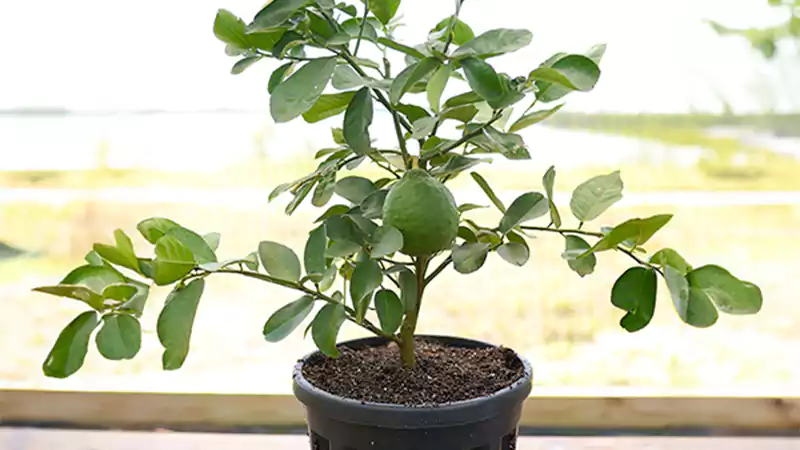
- With its extremely versatile growth habit, lemon trees can be planted both indoors and outdoors.
- They are best grown in temperatures between 70°F and 90°F.
- Lemon trees not only produce the highly nutritious and anti-bacterial fruit and white flowers, but are also great pollinators, which makes them extremely beneficial for the garden.
- It takes over 3-5 years for the lemon tree to grow when planted from a small sapling tree, while seed planting takes more time and is not recommended by gardeners.
- The lemon tree should be pruned in late winter or early spring to encourage growth and remove the dead and diseased parts.
Care guide for the lemon tree:
- Growing Zone: USDA 9-11
- Water Needs: Moderate ( drought-tolerant once mature)
- Soil Type: Sandy, loamy with acidic pH (6.0-6.5)
- Sunlight Exposure: Full sun
- Growth Rate: Moderate
Advantages
- Lemon trees are great for garden health due to their pollinating abilities.
- They develop drought-tolerance once mature, which makes care easier.
- Produce extremely nutritious fruits that are extensively used in cooking.
- They are great for outdoor gardens but also make excellent indoor plants, especially the dwarf varieties.
Disadvantages
- They are easy to plant but are not cold-hardy, which can be a hassle for many planting locations.
- Lemon trees are susceptible to root rot and can easily be affected by overwatering.
- Highly sensitive to the sun, the evergreen tree is prone to sunburn.
- Lemon trees are heavy feeders and need a properly alkaline soil; otherwise, they develop a condition called chlorosis.


James –
The lemon tree looks great in my outdoor garden.
Emmy J –
It arrived healthy and can be planted easily. Just water it consistently.
Jack –
The plant is growing well so far, the leaves look healthy. I recommend using fertilisers for better growth.
Noah –
The lemon tree grows well in full sun and requires minimal care, just regular pruning.
Bob Rogers –
I ordered a Lemon Tree from YourHomify and it arrived in good condition. The tree was packed well and looked healthy when I received it. I’ve planted it in my garden and it’s settling in nicely.
Andrew –
Got my Lemon Tree from YourHomify and I’m happy with the purchase. It arrived fresh with no damage, and the packaging was good. Looking forward to watching it grow and hopefully getting some lemons in the future.