The Limelight Hydrangea Tree is widely known for its variegated foliage, having hues of green and yellow. This plant can be a focal point in any garden, adding elegance to the space.
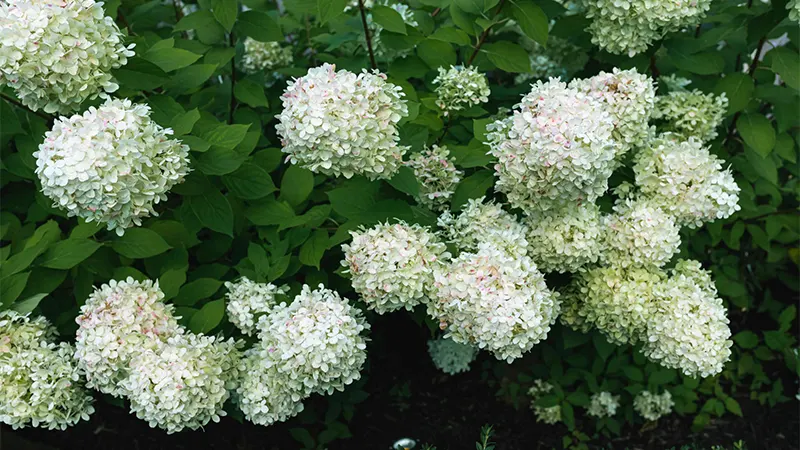
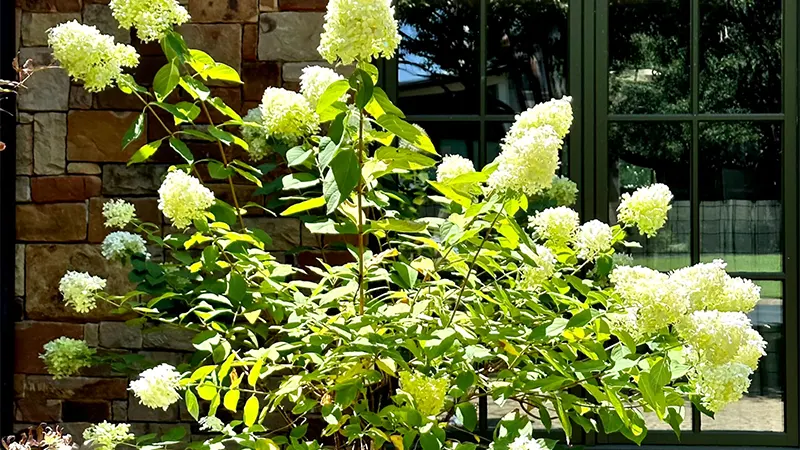
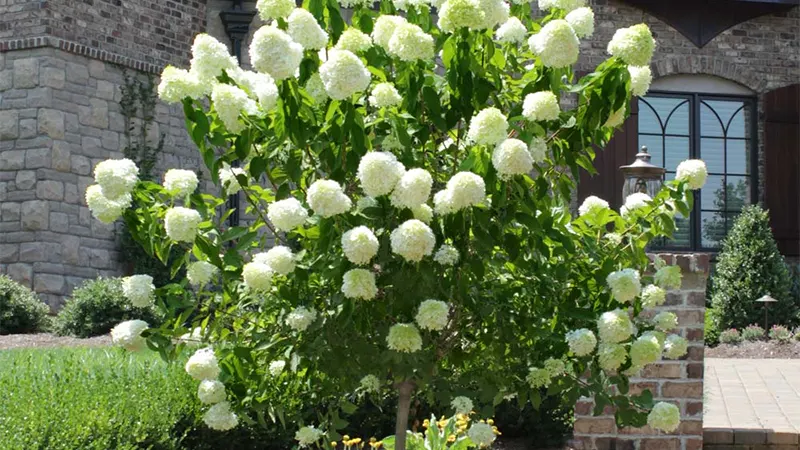
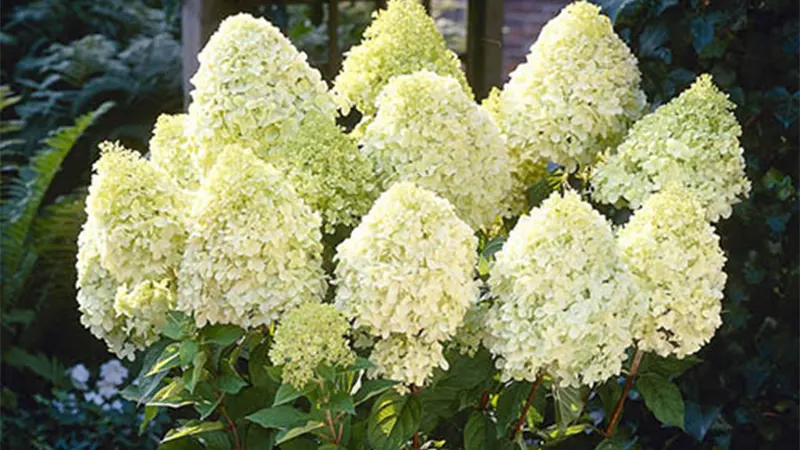
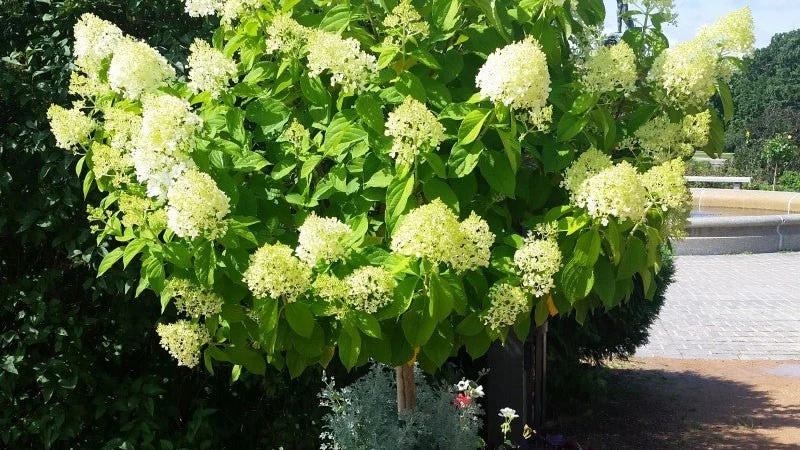
The Limelight Hydrangea tree has gorgeous lime green, cone-shaped flowers that gradually turn white as the plant matures. The species is the cultivar of Hydrangea paniculata, having dark green, pointy leaves. This genus belongs to the Hydrangeaceae family and is a must-have and one of the favorites among many plant enthusiasts due to its minimal care needs. If you ever wish to buy a tree that becomes the ultimate showstopper in your mini garden, the Limelight Hydrangea tree is where your search will stop.
Key Features and Benefits of Limelight Hydrangea Tree
Limelight Hydrangea trees usually grow up to 20 ft (ca. 6 m) tall and 10 ft (ca. 3 m) wide, and you will witness their blooms all year round. The species generally blooms pastel-colored flowers (pink, green, and blue) that eventually turn white once matured.
This eye-popping species thrives well in full sun to partial shade, well-drained, fertile soil, adapting to a wide range of climates, while performing best in temperate regions. This hydrangea cultivar is relatively easy to grow and quite low-maintenance.
The unique limelight hydrangea tree form adds class and beauty to your garden. Its dramatic blooms are often used as a centerpiece plant, and the dense flowering hedges act as a privacy screen and provide structure to the garden.
Limelight Hydrangea Tree can be mildly toxic for humans and animals when ingested. If consumed in significant amounts, it can lead to nausea, vomiting, loss of appetite, diarrhea, and skin irritation.
Care Guide for Limelight Hydrangea Tree
Hardiness Zone
3-9 USDA Zone
Light Exposure
Prefers full sun, at least 6 hours of direct sunlight, and can thrive in partial shade as well.
Soil Type
Grows best in sandy, damp soil with high organic matter and prefers adding decayed manure.
Water Needs
Make sure the soil is consistently moist, and only water when the topsoil looks dry.
Bloom Time
Mid-summer (June/July) to late August, however, varies with the climatic conditions.
Pruning
February-March is the ideal pruning time. Use sharp and sterilized pruners to remove dead wood. Trim about ⅓ of the plant’s height and cut just above the healthy buds, finally shaping it.
Advantages and Disadvantages of Limelight Hydrangea Tree
Advantages
Disadvantages
This cultivar blooms with a lime-green color, gradually turning into creamy white, and finally matures to adopt pink and burgundy tones, creating a unique color cycle.
A full-grown Limelight hydrangea tree can outgrow small and tight spaces. Since they grow quickly, they require regular pruning to avoid looking leggy and untidy if not pruned regularly.
The large and sturdy stem structure holds the bloom upright, making it perfect for hedges and privacy screens.
Excessive heat stress and prolonged dry periods can cause wilting in these plants. Hence, soil moisture needs to be maintained.
A full-grown limelight hydrangea tree acts as a magnet for pollinators like bees and butterflies and enhances biodiversity.
Hydrangea is prone to several pests, such as aphids and spider mites, which can lead to reduced blooming quality.
The hydrangea tree Limelight is a low-maintenance and cold-hardy plant, which means it can adapt and survive in various climates.
The blooms of this plant are heavy, and they may weigh down the stem, causing some branches to bend or droop.
Frequently Asked Questions
How to prune limelight hydrangea trees?
Use sharp and sterilized pruners to remove dead wood. Trim about ⅓ of the plant’s height and cut just above the healthy buds, finally shaping it.
When to prune limelight hydrangea trees?
February-March is the ideal time for pruning limelight hydrangea trees.
How big do Limelight Hydrangea trees get?
The limelight hydrangea tree size can reach up to 20 ft (ca. 6 m).
Where to plant the Limelight Hydrangea tree?
Choose a location that has full sunlight and damp soil. The preferred zone to plant limelight is 3-9.
What is the downside of a limelight hydrangea tree?
It can attract pests and diseases, and may require regular pruning, as they may become large and untidy if not pruned regularly.
Reviews
4 reviews for Limelight Hydrangea Tree | An Ornamental Tree for Your Garden
Rated 5 out of 5
Ella Peterson –
I planted a small limelight hydrangea tree in my backyard, and it looks so beautiful. The little white flowers are eye-pleasing to watch.
Rated 5 out of 5
Jack Sullivan –
I saw this stunning plant in my neighbor’s garden; it looked beautiful. Now, I’ve ordered it for myself from yourhomify. I can’t wait to grow it on my own.
Rated 5 out of 5
Matthew Richardson –
It looks gorgeous during the night hours, and the white flowers look so aesthetically appealing. This is a perfect plant to enhance the beauty of your garden.
Rated 5 out of 5
Hannah Morgan –
The Hydrangea Limelight plant looks stunning in my backyard. I have two of them, and I’m planning to grow more of it; I ordered them yesterday from yourhomify. I can’t contain my excitement to grow them.










Ella Peterson –
I planted a small limelight hydrangea tree in my backyard, and it looks so beautiful. The little white flowers are eye-pleasing to watch.
Jack Sullivan –
I saw this stunning plant in my neighbor’s garden; it looked beautiful. Now, I’ve ordered it for myself from yourhomify. I can’t wait to grow it on my own.
Matthew Richardson –
It looks gorgeous during the night hours, and the white flowers look so aesthetically appealing. This is a perfect plant to enhance the beauty of your garden.
Hannah Morgan –
The Hydrangea Limelight plant looks stunning in my backyard. I have two of them, and I’m planning to grow more of it; I ordered them yesterday from yourhomify. I can’t contain my excitement to grow them.