Renovation is always a great idea unless it becomes a bottleneck for the budget. Having new flooring is one sort of job, whereas changing the interiors is entirely different.
And an exact idea of costs often exceeds the budget constraints, making the renovation cost more than the home’s budget.
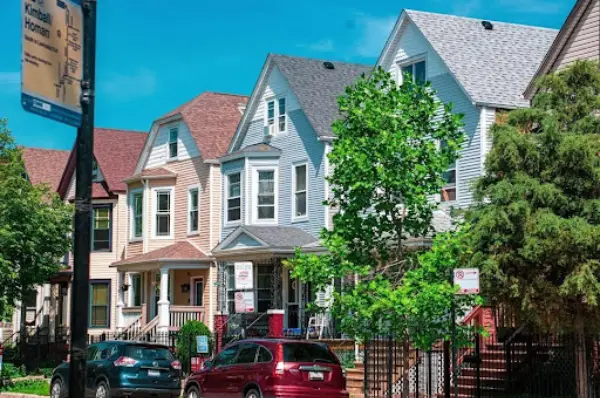
A local company like Chicago Cash Home Buyer buys houses as they are, so the repair bill disappears.
And if you too wish to grab such deals, here’s what’s in store for you :
When Does a Renovation Cost More Than a Chicago Home Is Worth?
A renovation stops making sense once the fix list touches safety, structure, or major systems.Small cosmetic jobs can be managed by an owner easily. Failures in the roof, wiring, or foundation rarely do.
Paint, trim, and a tidy yard are weekend wins. A failing foundation or aging roof can also become a major problem.Unaddressed structural issues can drag down value faster than any single repair.
The math turns when several big jobs stack up at once. Think of this way, a home requires many upgrades in the same year. Those bills can climb past 30,000 dollars before the kitchen or bath sees a dime.
At that point another renovation may cost more than the finished home returns.
Which Home Repairs Push Past a Typical Budget?
The repairs that break a budget are the ones buyers cannot see and homeowners cannot skip. They protect safety, but they rarely lift the asking price.
Here are some major expenses that can exceed a repair budget:
- Foundation work, which often runs from 5,000 to 25,000 dollars once cracks spread.
- A full roof placement, which can be a major expense.
- Sewer or plumbing line repair, a hidden job that rarely raises the sale price.
- Updating the wiring in an older house is also important, since safe electrical upgrades must meet current code.
- Mold remediation after long-term water damage behind walls.
- HVAC replacement, a large cost buyers still expect to simply work.
Many upgrades return only 40 to 70 cents on the dollar at resale. When multiple major repairs are needed, three or four of these at once, they rarely come back.
How Do You Decide Between Fixing and Selling?
Compare the full cost of repairs against the likely gain, then add to that the cost of waiting. A house that sits while you save for work is rarely free to hold.
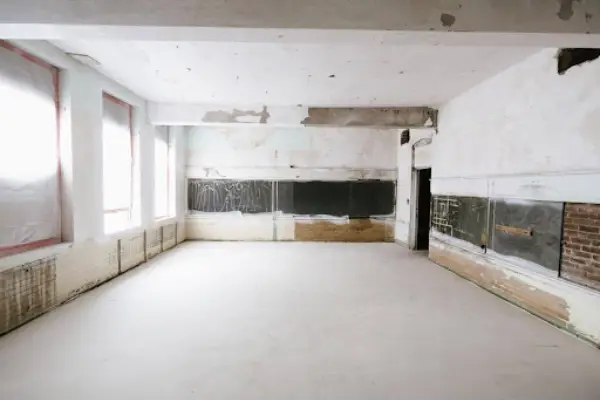
Carrying costs are the recurring bills you pay just to keep a property. They include the mortgage, insurance, utilities, and taxes. Owners still owe property taxes on a home no matter its condition. Chicago rates also run higher than much of the country.
Insurance builds another ongoing expense, especially when a property remains empty and needs repairs.
A minor leak becomes rot, and even a small crack widens over a hard Chicago winter. Selling sooner in such cases leads to exposure and frees the cash tied up in the house.
What Do You Gain by Selling a House As-Is?
Selling as-is means offering the home in its current state, with no repairs or upgrades before closing. The buyer accepts the property with its known flaws.
That trade particularly brings a few clear advantages.
- No repair bills, since the buyer takes on every fix after closing.
- No agent commission, which usually runs 5% to 6% of the sale price.
- No staging or showings, so you avoid photos, open houses, and constant cleaning.
- No financing contingency, so the deal is less likely to fall apart over a loan
- A faster timeline, with many cash sales closing in 7 to 14 days.
- For a house that needs heavy work in 2026, that trade often makes financial sense.
The tradeoff is price. A cash offer usually sits below full retail value, because the buyer absorbs the repairs and the risk.
How Do You Vet a Buyer Before You Sign?
Start by confirming the buyer is a is a legitimate,registered company with a clear track record. A vague name with no paper trail is a warning sign. Ask for a local address and references from recent sellers.
Illinois licenses real estate brokers, managing brokers, and real estate LLC entities through the state real estate division. You can look up anyone acting in a brokerage role and confirm the license is active.
A fair buyer explains the offer in simple and plain terms and never pressures you to sign immediately. Ask how they calculate the number and whether any fees come out at closing.
Get the offer in writing and read every line before you agree.
What to Weigh Before You Choose
In order to weigh befire you make a calendar choice follow these fixtures:
- A renovation stops making sense once repairs touch safety, structure, or major systems.
- Big fixes like foundations and roofs rarely return what you spend at resale value.
- Carrying costs, taxes, and insurance continue to increase each month a house sits empty.
- An as-is cash sale avoids repairs and can close in 7 to 14 days.
- Expect an offer below retail, since the buyer accepts on the repair risk.
- Confirm the buyer is registered and read the contract before you sign.
Picking the Right Exit for Your Home
Not every house is worth another round of repairs. When the fix list outgrows your budget and patience, an sell for cash offers a clean way out.
Start by weighing the numbers, vet the buyer, and pick the path that fits your home and your timeline.
Do I have to make repairs before an as-is cash sale?
No, that is the whole point of selling as-is. The buyer takes the home in its current condition, including the known repairs. You skip the contractors and the upfront cost.
How much less will I get selling for cash?
A cash offer usually sits below full retail, because it reflects the repairs the buyer will handle. In return you avoid repair bills, agent fees, and holding costs. For a house needing major work, the net gap is often smaller than it looks.
How fast can a cash sale close in Chicago?
Many cash sales close in 7 to 14 days, since there is no mortgage lender involved. A financed sale often takes 30 to 45 days. Your exact timeline depends on title work and the buyer’s schedule.
How do I know a Chicago cash buyer is legitimate?
Confirm the company is registered and ask for a local address and references. Check that anyone acting as a broker holds an active Illinois license. A fair buyer answers questions and never rushes your signature.