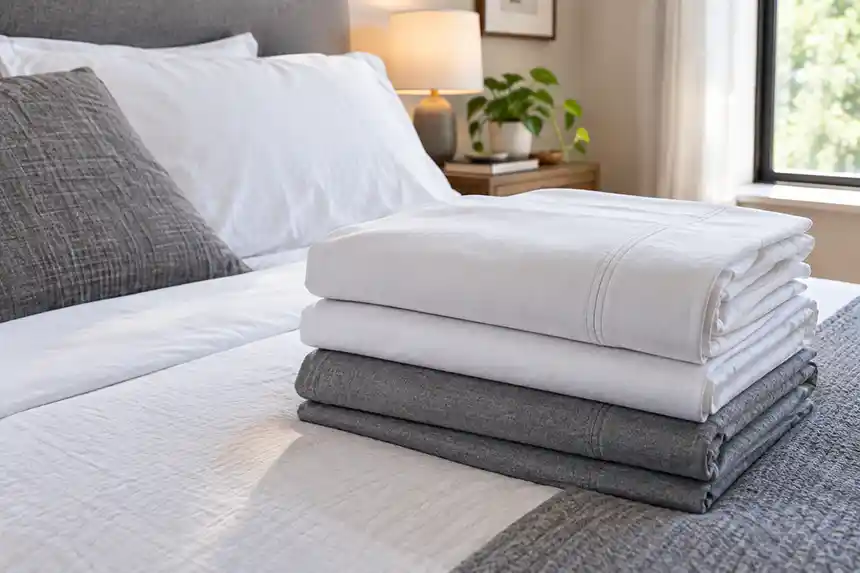
Buying a sheet for your bedroom is a task that creates value in comfort and durability. Selecting different threads of woven cloth makes you feel soft, clean, and strong, for decorating the home’s appearance.
Most appropriate woven thread sheet labels should be around 300-500 counts and are more suitable and acceptable in size. I imagined the thread size should be an important parameter to consider, but from a quality perspective, it should be a part of assessing the fabric material for reliability.
If you are willing to improve the appearance of your home. Consider YourHomify’s tips for planning your home for value and comfort, explained in practical guides that you should follow in your house.
What Thread Count Actually Measures
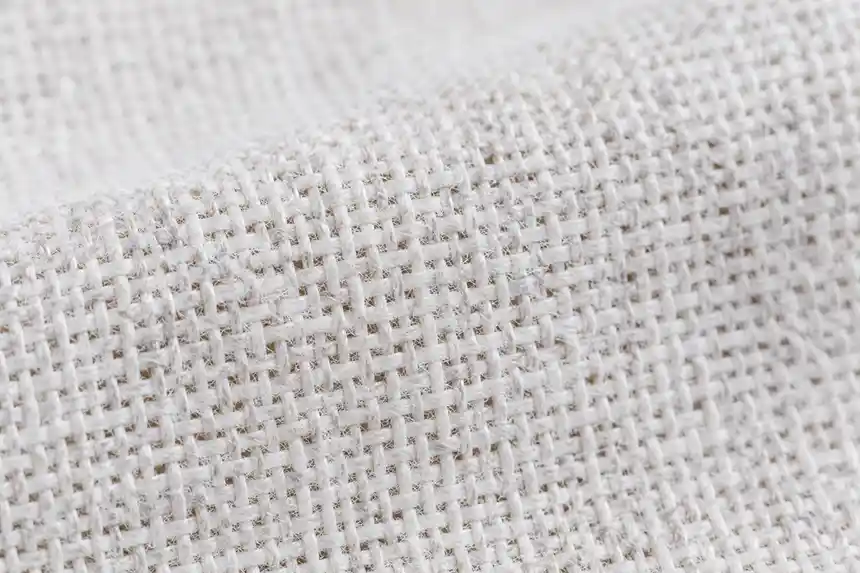
Thread count is actually an indication of the number of counts yarn mounted around horizontal and vertically across the sheets in one square inch of fabric. This representation is based on quality parameters, but most recent manufacturers simply account for multi-ply yarn and use more counts to create the values or finesse of fabric materials.
Many consumers observe this marketing as a vague practice of manipulating emotions amongst all. So the number of yarns doesn’t verify the quality of fabric; it’s just a calculation that everyone follows.
For upgrading bedrooms for comfort, don’t take the count of yarns woven as a major quality parameter.
How the Numbers Got So Big
Labelled as more than 1000 counts is not realistic, and it’s impossible to weave such fine threads into one square inch of fibre. The maths behind these numbers is worth considering.
The Ply Trick
The concept of yarn thread count is misleading, as the process doesn’t add value to it. The pile counting to form yarn is the major trick in this process. More number of piles are woven together to form a yarn, but it counts not a single yarn. These gimmicks generally depend on piles or strands counting instead of yarn as a single unit.
This makes a 300-sheet labelled as 900 threads in counting, which doesn’t create any difference between them. Consumer Reports also mentioned these patterns of yarn and strands.
What the Regulators Said About It
The regulators noticed these trade patterns several years ago and confirmed the misleading fiber content information. FTC also mentioned that labelling parameters are to be fixed under the guidance of rules and regulations standards.
These guidelines don’t assure you specific improvements about fabric details displayed on labels in the country. It also does not clearly depict that multi-ply thread counting as in a illegal framework to be mentioned specifically in every tag.
Did you know?
In 2025, Sealy, an American-branded sheets are been under litigation by a customer filing a case about a 1250 thread count displayed label on its product, which allegedly measured 223 counts (57 warps and 166 filling strands). And in continuation, In 2026, there is another incident against Target Corporation filed by a customer against 800 thread counts, alleging that 288 was the actual count of the sheet received by him in the Ninth Circuit in April.
The Range That Actually Works
The perfect range that you should consider when seeking multiple woven pile threads as a single unit is 300 to 500, best for selecting good fibre with pure cotton materials.
The definition of calculating the right range still depends on the materials, counts, and process involved.
| Material/ weave pattern | Average counts | Feel alike | Preferred places |
|---|---|---|---|
| Percale | Nearly 180–400 | More breathable, dense and cooler | Hot sleepers, ironed-hotel feel |
| Sateen | Ranges 250–600 | Warmth, heavy and smoother surface | Softness and drape |
| Blends linen and silk | Thread count is not applicable | Light, passable airflow, flexible | Warm and cozy place |
| Anything above 600 | Doubtful counts, practically not possible | Heavy look and complex weave | Luxury wearabout, expensive designs |
The pattern of weave displayed above makes percale cooler than other fabrics. If you focus on buying better breathing materials that are suitable for warm weather and high humidity temperature recommend percale weave. It gives you more air conditioner in getting airflow back and forth in sweaty conditions.
If you dream of warm and cozy weather, consider sateen weave because its threading is four-on-one pile, that make more denser style and gives relatively higher thread counts but, over time, makes more hitch and pill on the surface.
YourHomify’s tells you how to buy for your space, home comfort, and value suitable for different conditions.
Why Fibre Matters More Than the Number
Fiber is always more valuable than the thread count on a product tag. Long-staple and extra long staple cottons materials used in clothing are recognized as premium shape over short staple cotton. Egyptian and Pima cotton are highly valued as long-staple cotton produced in large amounts. These types of cotton are softer, stronger, and less snug on the surface; with the least amount of threads gives smoother look and appeal to fall in the luxury category.
In the market, the value increased based on fibre and finishing instead of the number entitled and single-ply cotton bedding at premium thread counts is best suited for understanding these markets. Consumer Reports is forced to accept the user for fiber quality and gives less importance to thread counts. Unless labeled clearly with ply counts gives a brand a trustworthy position in the market.
What a Sky-High Count Costs You in Durability
If you focus on high threading, it doesn’t give you longevity, and costs you more. The performance you are seeking does not come with a dense weave of fibre with heavy shape and reduced airflow. If you use light thread, then it will weaken after washing, and for dense threading give no additional value; instead, increasing cost.
About percale, a frequently asked question arose in Forbes by textile experts that thickening the counts lowers its fresh breathability and becomes heavy and warmer than initial conditions. This is not an actual quality of percale which diminish the durability.
YourHomify guide you home maintenance routine along with tips which matters to you.
What I Check Before I Buy
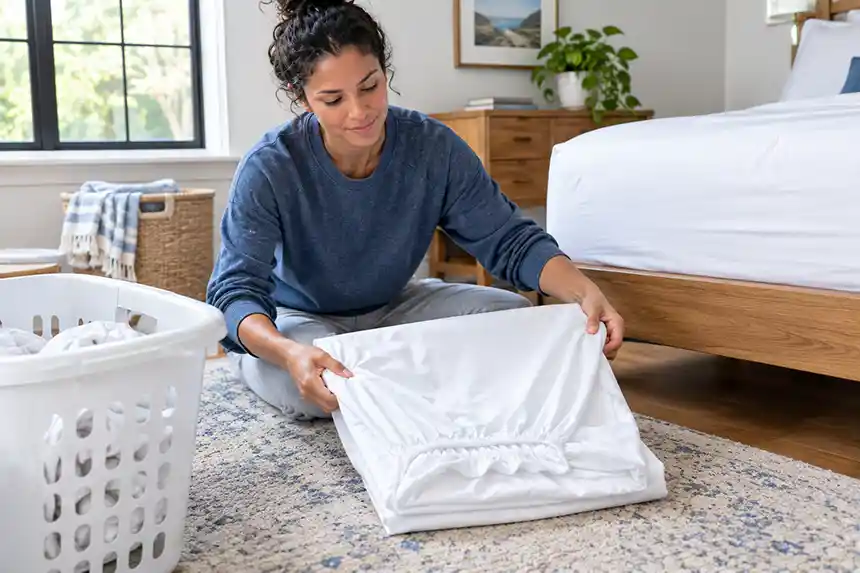
- Ply, stated plainly. Check the label for details: if single ply, then you can trust if not, or missing, then it’s not genuine.
- Fibre, named specifically. Specify the name: Combed cotton, Pima, Supima, or genuine Egyptian, not just “premium cotton”.
- Weave, named. You simply notice some of the features during observation and feel. Percale and Sateen both feel and weave style distinct.
- A count that suits the weave. For best suited counts is basically the yarn or thread, not strands or pile. Around 400 or 300 to 500 is preferred, based on conditions.
- Pocket depth. Measurement of bed height compared to mattress, as it matters most before you make a mind.
- A certification. The trustworthy badge always gives a guarantee and assurance before the fabric comes to you. Eg: OEKO-TEX
Final Thoughts
Before you go to buy, make sure to know why you want sheets and for what conditions. Then decide what type of quality suits you- cotton and single-ply sheets are a good choice. As we discussed that range should preferred 300 to 500, which likes the most. Check the weave, fibre length, fit, structure, and test results that are mentioned on the label. Make sure it matches your sleep pattern if you prefer hot percale with smooth airflow. For heavy bedding, try sateen; it gives warmth and a smoother surface.
The number is just a maketting malpractices dont rely on this prefer with fabric quality depends on its finishing rather than threads or yarn embedded.
FAQs
Is a 1000 thread count sheet better than a 400?
Not possible. Because as the number of counts increases, the sheets become heavier. More thread counts are probably the worst position to consider for your house.
What thread count is best if I sleep hot?
Sleeping hot means a cozy, loose weave and breathable fibre. Using percale around 200-300 counts is best for sleeping hot and comfortably.
Does thread count affect how long sheets last?
It is generally not the case for everyone. If you increase the number, the quality of fibre and threads becomes thinner, decreasing the overall durability. 200-300 is preferred for best quality and a premium finish.
Is Egyptian cotton automatically worth more?
The word Egyptian cotton is not enough unless it’s a long-staple cotton and proper certification is mentioned on the label.
- Consumer Reports — Higher thread count doesn’t guarantee better sheets
- IDFL Laboratory and Institute — Thread Count ASTM Definitions
- Home Textiles Today — Thread Count Game Slammed by FTC
- ClassAction.org — $750K Sealy Settlement Ends Class Action Suit Over ‘1250’ Thread Counts
- Forbes — What Is The Best Thread Count For Sheets? Here’s What Experts Say