“The longer I live, the more beautiful life becomes.”
– Frank Lloyd Wright (Architect)
The same idea applies to homes: the ones that age well are usually the ones built and maintained with care.
Homeowners deal with a lot over the course of a year, from pounding rain and summer heat to strong winds and seasonal storms. Yet while many people focus on paint colors, furniture, and interior updates, the features that protect a home from weather often get pushed to the bottom of the list. That can be a costly mistake.
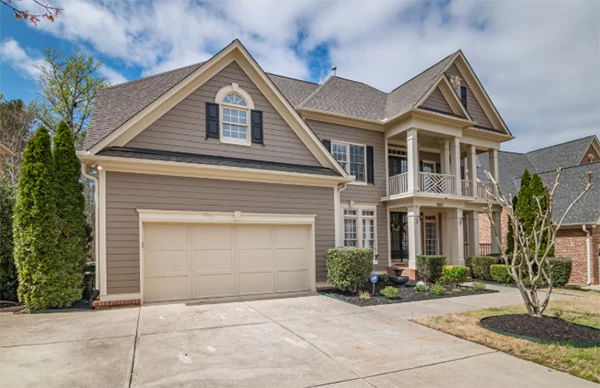
The good news is that making a home stronger and better-looking does not always mean taking on a full renovation. Just a handful of smart exterior improvements can prevent expensive repairs, boost curb appeal, and reduce maintenance. For example, installing a new steel or fiberglass front door can boost your curb appeal and yield up to 100% ROI.
The best upgrades do double duty: they protect the home while also making it look more polished, welcoming, and well cared for.
KEY TAKEAWAYS
- Roof maintenance, drainage, siding, and sealing small gaps can prevent costly damage before it starts.
- The best exterior improvements strengthen the home while also improving curb appeal.
- Trimming branches, securing outdoor items, and checking vulnerable areas can reduce damage risk.
- Routine inspections, caulking, lighting updates, and smart landscaping can make a noticeable difference over time.
Start with a Roof You Can Trust
A roof does much more than sit on top of a house. It is the first line of defense against:
- Rain
- Wind
- Heat
- Moisture
When a roof starts to fail, the rest of the home can feel the impact quickly. Water can enter through:
- Missing shingles
- Damaged flashing
- Worn areas around roof penetrations
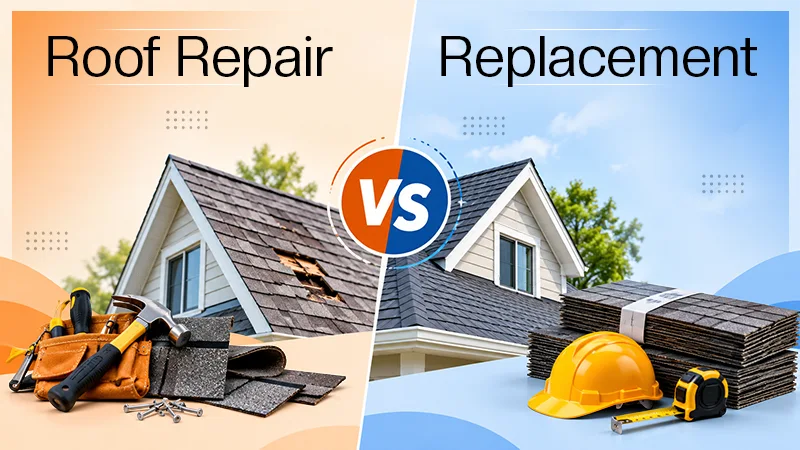
Many homeowners wait until they notice a leak before taking action. A better approach is to schedule regular inspections and address minor concerns early. This helps extend the life of the roof and reduces the risk of unexpected damage. However, if you’re considering new roofing in College Grove TN, focus on material quality, installation standards, warranty coverage, and contractor experience. A strong roof creates a solid foundation for all other exterior improvements and plays a major role in protecting the home’s long-term value.
Give Your Siding More Attention
Siding is quite important. It helps protect the structure from:
- Moisture
- Wind
- Temperature changes
It also shapes much of the home’s visual identity from the street. When siding becomes damaged or outdated, the entire property can appear neglected even if the interior is well-maintained.
Regular inspections reveal issues like:
- Cracks
- Loose panels
- Fading
- Moisture damage
If replacement becomes necessary, homeowners have several attractive options available. Modern fiber cement and high-quality vinyl products offer durability along with a wide range of colors and styles. Choosing the right siding can refresh the appearance of a home while improving weather resistance. A well-maintained exterior also helps preserve property value and creates a stronger first impression for visitors and potential buyers.
Keep Water Moving Away from Your Home
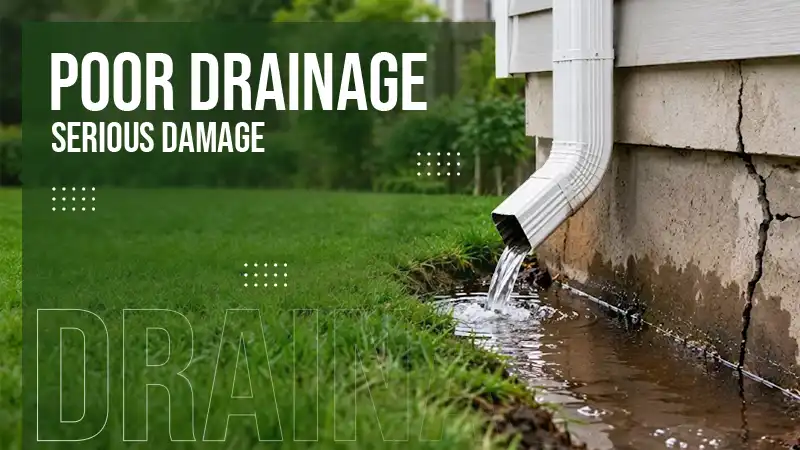
Water has a sneaky way of turning small issues into expensive ones. When rainwater collects near the foundation or pools around landscaping, it can slowly create problems that affect both the house and the yard.
Walk around the property after a heavy rain and look for standing water. Areas that remain wet for extended periods often indicate drainage issues. Downspouts should direct water away from the foundation rather than allowing it to collect near the house. Grading also plays an important role. The ground should gently slope away from the home to encourage proper runoff. Addressing drainage concerns early can help prevent foundation movement, soil erosion, and moisture-related issues. It also keeps outdoor spaces healthier and easier to maintain throughout the year.
SURPRISING STAT
The second most frequent (1.5%) homeowners’ insurance claim is water damage, with an average amount of $15,400.
Prepare Before Storm Season Arrives
Storm prep works best when it happens before the forecast starts sounding dramatic. Before high winds and heavy rain, you can catch weak spots with a quick check of:
- Roofline
- Gutters
- Siding
- Nearby trees
Outdoor furniture, grills, planters, and décor should also be secured before a storm moves in. Many homeowners forget to photograph their home’s exterior while everything looks normal. Clear photos can help later if you need to compare damage or speak with your insurance company. After heavy wind or hail, avoid climbing onto the roof yourself. Walk the property from the ground, look for visible damage, and call a qualified contractor if something seems wrong.
Use Landscaping That Works with the Property
Good landscaping should do more than look nice for a week after it is trimmed. The best landscape choices support the home itself by:
- Improving drainage
- Reducing maintenance
- Helping exterior materials last longer
Plants that handle heat, humidity, and periods of heavy rain usually perform better than delicate choices that need constant attention. Place shrubs far enough from siding so air can move around the exterior walls. This enables easier inspections and moisture to escape. Keep mulch a few inches away from the foundation and siding because damp mulch against the house can invite moisture problems and pests. Trees add shade and beauty, but their roots, branches, and leaf drop need regular attention. A smart landscape plan supports drainage, protects exterior surfaces, and gives the home a cleaner, more cared-for appearance.
Make Exterior Lighting More Useful
Exterior lighting should do more than simply brighten the yard. When placed well, it:
- Improves safety
- Makes the home easier to navigate after dark
- Adds a welcoming finish to the exterior
Start with the areas people use most: the front entry, garage, porch steps, walkways, and side doors. A dark path can become a slipping risk during rainy weather, especially if leaves or uneven surfaces are present. Motion-sensor lights work well near driveways and back entrances because they provide light when needed without staying on all night. Warm, simple fixtures often look better than overly bright lights that create glare. Solar lights can help along garden paths, though hardwired options usually give stronger illumination. The goal is to make the property easier to navigate while giving the exterior a neat, welcoming look after sunset.
Seal Small Gaps Before They Grow
Tiny exterior gaps can open the door to moisture, pests, and energy loss if ignored for too long. Even a small crack in caulk or sealant around the following can become a bigger problem over time:
- Windows
- Doors
- Vents
- Trim boards
- Utility openings
Replacing worn caulk is a simple maintenance task, but it matters more than many people think. Use exterior-grade products designed for the surface you are sealing, and avoid covering areas that need ventilation. Pay close attention to spots where different materials meet, such as siding against trim or brick near window frames. If wood trim feels soft or shows signs of rot, sealing alone will not solve the issue. Repair the damaged material first, then seal it properly.
Conclusion
Making a home more resilient and beautiful does not require a giant renovation budget or a complete exterior overhaul. In most cases, it comes down to consistent, practical improvements that protect the home while making it look better at the same time.
A strong roof, clean gutters, smart drainage, durable siding, useful lighting, and regular upkeep all work together to protect the property and improve how it looks. Start with the areas that protect the home from water, wind, and daily wear, then move toward upgrades that improve comfort and curb appeal. A little attention each season can prevent many common problems and help the home stay attractive for years. For local homeowners, that makes everyday living easier, protecting their abode.
FAQs
What is the easiest way to make a home more resilient?
One of the easiest ways is to stay ahead of maintenance: Regular roof inspections, sealing exterior gaps, cleaning gutters, and checking drainage.
How can I improve curb appeal without spending a lot?
Start with practical upgrades that also improve appearance, such as repairing siding, updating exterior lighting, trimming landscaping, and keeping walkways and drainage areas clean and well-maintained.
Why is drainage so important around a home?
Poor drainage can lead to standing water, soil erosion, moisture problems, and even foundation damage over time.