


The trees you choose can make or ruin your landscape design if you want to enhance your outdoor area’s aesthetic appeal and usability. Trees offer shade, seasonal color, privacy, and even habitat for birds and pollinators. Whether you have a spacious yard or a compact garden, selecting the right trees can elevate the overall aesthetics and value of your home.
Below is a guide to some top trees for landscaping, selected for their beauty, low maintenance, and climate adaptability.
Why Are Trees Vital for Landscaping?
Trees play a crucial role in landscaping by enhancing visual appeal, providing shade, and improving air quality. Stabilizing the soil, the roots reduce soil erosion and support biodiversity by offering habitats for birds and pollinators.
As mentioned earlier, apart from contributing to the beauty and functionality in the backyard, trees also create structure and balance in garden design, increasing the value of the property, and are great for emotional well-being. Environmentally speaking, they absorb carbon dioxide, filter air pollutants, and reduce noise.
Best Trees For Specific Climates
Before you select the best landscaping trees, it is essential to focus on some key factors like temperature, water, soil, and the hardiness zone of the species. Below is a detailed breakdown of the best trees for specific climates.
Temperate Climates
Temperate climates mostly consist of four different seasons, with moderate rainfall and a wide range of temperatures. Here, the trees must handle both warm summers and cold winters, making versatility and seasonal appeal important.
- Sugar Maple (Acer Saccharum): Known for its spectacular autumn foliage, this classic tree thrives in well-drained soils and full sun. It grows up to 75 feet (ca. 23 m) and provides ample shade, making it perfect for residential yards and public parks.
- Red Oak (Quercus Rubra): A fast-growing, sturdy tree with brilliant red fall leaves. It adapts well to urban climates, offers strong wood, and supports a variety of wildlife, including birds and squirrels.
- Flowering Dogwood (Cornus Florida): Ideal for small to medium gardens, it offers spring flowers, summer greenery, fall color, and red winter berries. It prefers partial shade and moist, acidic soils.
Recommended Product
View all products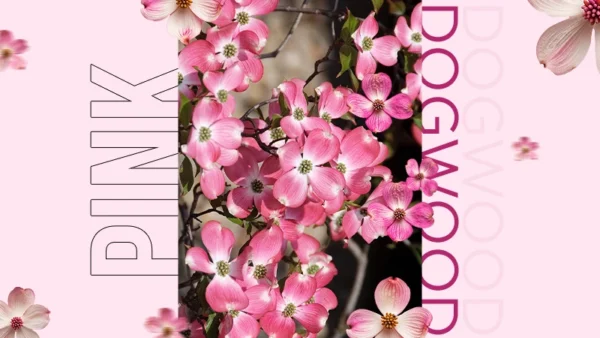
Are you planning to add a picturesque tree to your backyard? Offering vibrant hues, the Pink Dogwood might just be the perfect choice. Also known as the Flowering Dogwood, this cultivar is native to Eastern North America and Northern Mexico. Belonging to the genus Cornus, this tree announces the onset of Spring and bears pink blooms, personifying affection, rebirth, and hope. Now, if you are a novice flora lover and want to plant this exquisite tree, exploring more about this species is ideal. Jump in and uncover its features and benefits, along with the complete care guide you need to follow, learn why it's oh-so-stunning! Pink Dogwood: Features and Benefits of the Spring Tree Botanically called Cornus florida, the Pink Dogwood is a popular ornamental tree that enhances the aesthetic appeal of any garden space. Being a spring tree, it bears pink flowers that last 2–4 weeks, symbolizing love, passion, and femininity. The Pink Flowering Dogwood tree creates a dramatic contrast with its pink blooms and lush green foliage. Having no special care needs and various benefits, this is an excellent tree choice for your mini garden. Moving further, let us explore some benefits of this magnificent tree. \ It is a striking pink flowering tree and has vibrant red berries, which make a statement in any landscape. The red berries attract various wildlife species like birds, butterflies, and bees, hence supporting the fauna culture. Holding cultural significance, the Pink Flower Dogwood tree represents hope, passion, renewal, and femininity. The tree has a strong root system that helps in stabilizing the soil, therefore controlling soil erosion. Improving air quality and elevating the overall look of any lawn or park, spotting the Pink Dogwood is truly a treat to the eyes. In the following sections, let us understand the complete care guide for this beauty. Tracing Down the Ideal Growing Conditions for the Pink Dogwood Tree Now, if you are someone who is into collecting rare plant species, this Pink Dogwood tree for sale is exactly what you need. But before you make a buying decision, it is ideal to understand its growing conditions. Ideal Growing Conditions for Pink Dogwood Hardiness Zone 5-9 USDA Sunlight Exposure There are no specific light needs. It can grow in bright light and partial shade. Water Needs Requires regular watering during the growing stage. Soil Type Fertile and permeable soil with high organic matter. Mature Height 15–30 feet tall Mature Width 20–30 feet wide Growth Rate 1 foot per year Fertilizer Fertilizer with a high nitrogen level works wonders. Bloom Season Spring Famous for its pastel petals, the Cornus Florida Pink Dogwood is a deciduous tree that forms a canopy-like structure when fully grown. It is widely appreciated by garden enthusiasts as it creates stunning contrasts in large landscapes. Scientific Classification of the Pink Dogwood Flowers Known for its beautiful pink blossoms, the Pink Dogwood tree belongs to the Cornaceae family. If you are curious to explore more about this genus, given below is the complete taxonomic overview for your ease. Taxonomic Overview of Pink Dogwood Trees Kingdom Plantae Clade Angiosperms Clade Eudicots Order Cornales Family Cornaceae Genus Cornus Species Cornus florida The Dogwood Pink tree is not a separate species. It is a cultivar of the original Cornus Florida genus, which is usually a white flowering plant. Since this variety is developed using the tissue culture method, it is difficult to get the original seeds of the Pink Dogwood. User Reviews and Ratings Review: Looks quite similar to the cherry blossom trees of Japan. Adds vibrancy to any garden space. Rating: ⭐⭐⭐⭐⭐ Review: The soft pink color blooms look stunning in my backyard. Rating: ⭐⭐⭐⭐⭐ Review: Planted this magnificent tree in my garden. It makes people stop and stare. Rating: ⭐⭐⭐⭐⭐ Review: Spotted this rare Cornus Florida Pink Dogwood tree, and it is truly a sight to behold. Rating: ⭐⭐⭐⭐⭐ Frequently Asked Questions What is the lifespan of a Pink Dogwood tree? The Pink Dogwoods typically have a lifespan of 40–80 years, or even longer if given proper care. How big do Pink Dogwoods get? The pink Dogwoods can grow up to 15–30 feet tall. Do Pink Dogwoods smell? The Dogwoods don't have a strong or special fragrance. What is the scientific name of the Pink Dogwood tree? The Pink Dogwood tree is scientifically called Cornus florida.
- Common Name: Pink dogwood, pink flowering dogwood
- Botanical Name: Cornus florida f. rubra
Tropical Climates
Tropical regions are warm and humid year-round, with significant rainfall. Trees here should tolerate high moisture, intense sunlight, and, in some areas, strong winds or storms.
- Coconut Palm (Cocos Nucifera): A tropical icon, the coconut palm is ideal for coastal and humid areas. It grows tall with a slender trunk and produces coconuts that are useful and decorative. It thrives in sandy soil and needs full sunlight exposure.
- Royal Poinciana (Delonix Regia): Known for its fiery red-orange blossoms, this deciduous tree adds drama and shade to tropical gardens. Its wide, umbrella-like canopy is excellent for large spaces, and it attracts birds and pollinators in abundance.
Arid or Desert Climates
These regions receive minimal rainfall, have hot days and cooler nights, and often face drought. Trees for these areas must be highly drought-tolerant with low water requirements.
- Palo Verde (Parkinsonia Spp.): A striking tree with green bark and yellow flowers, Palo Verde thrives in dry conditions and supports desert pollinators. It requires very little water and is perfect since it is a low-maintenance genus.
- Desert Willow (Chilopsis linearis): Not a true willow, this flowering tree produces trumpet-shaped blooms and tolerates extreme heat and dry soils. Its graceful form works well in ornamental desert gardens.
- Mesquite Tree (Prosopsis spp.): This hardy tree offers filtered shade, deeply rooted stability, and sweet-smelling blossoms. It’s a staple of desert landscaping and improves soil health through nitrogen fixation.
Cold or High Altitude Climates
These areas generally experience freezing winters, snow, and short growing seasons. Trees here need strong cold tolerance and often grow slowly due to altitude or frost.
- Colorado Blue Spruce (Picea pungens): Known for its bluish needles and pyramid shape, it is cold hardy and wind resistant. This evergreen adds a year-round structure and is frequently used as a living Christmas tree.
- Aspen (Populus tremuloides): Recognized for its fluttering, round leaves and golden fall color, it is one of the most cold-hardy deciduous trees. Its white bark adds winter beauty.
Coastal or Marine Climates
These regions face salty air, sandy soils, high humidity, and occasional storms. Trees in these areas must withstand salt spray, wind, and poor soil.
- Coastal Live Oak (Quercus agrifolia): This evergreen oak tolerates salty air and coastal fog. Its wide canopy provides ample shade and supports local wildlife, especially in beachside environments.
- Southern Magnolia (Magnolia grandiflora): Adaptable to coastal climates, this evergreen features large white blossoms and glossy leaves. Its deep roots stabilize the soil and resist wind damage, making it a staple in southern coastal regions.
- Tamarisk (Tamarix spp.): With its feathery foliage and salt tolerance, tamarisk is ideal for sandy, saline soils. It’s often planted to control erosion in coastal landscapes.
Recommended Product
View all products
Common Name Jane Magnolia, Little Girl Hybrid Magnolia Maintenance Low to moderate Native Region Hybrid (Part of the National Arboretum's "Little Girl" series) Average Height 10–15 feet Plant Type Deciduous shrub or small tree Average Width 8–12 feet Jane Magnolia, scientifically known as Magnolia 'Jane', is found to offer many medicinal benefits, such as improving nausea and indigestion and reducing inflammation and allergies. Unlike other varieties, the Jane Magnolia tree explodes with exotic tulip-shaped flowers in late spring to prevent frost damage. Key Features and Benefits of Jane Magnolia Along with the fragrant cup-shaped flowers, the Jane Magnolia trees are celebrated for their dark green foliage that turns bronze-yellow during the fall. The growth rate of Jane Magnolia ranges from 1 to 2 feet a year, making it a perfect choice as a compact multi-trunk ornamental shrub. For improved flowering and health, Jane Magnolia tulip tree needs balanced, slow-release fertilizers in the spring before the new growth starts. Thanks to its stunning aesthetics, the full grown Jane Magnolia is perfect to uplift the vibe of privacy screens, gardens, and patios. Care Guide, Advantages, and Disadvantages of Jane Magnolia Growing Zone : USDA 4-8 Light Exposure : 6 to 8 hours of direct sun exposure is essential to get maximized blooms and optimal growth. Water Needs : Requires regular watering (preferably twice a week) during the first 3-5 weeks and periods of dry spell. Soil Type : Well-drained loamy soil with neutral to acidic pH. Advantages Due to its late blooming habit compared to other Magnolias, it protects its flowers from frost damage. Once established, it requires minimal pruning and is easy to care for. It is extremely robust and cold-hardy, tolerating temperatures of up to -40°F. At maturity, it is smaller than other Magnolias, becoming well-suited for compact spaces like small yards and foundations. Disadvantages Susceptible to pests and disease risks, including scales, thrips, powdery mildew, and leaf spots. Can create a mess in the landscape as it sheds leaves and flowers during the fall. Does not tolerate root disturbance and has a shallow fleshy root system that can get damaged easily. Although it blooms later than other varieties, the frost can still damage the flowers, ruining the spring display.
Enhance Your Yard with Landscaping Trees
Choosing the right trees for your landscape transforms an ordinary yard into a thriving, multisensory space. Whether you are aiming for shade, seasonal color, privacy, or climate resilience, the right tree adds long-term beauty and value to your home.
So, start your garden renovation right away, plant with purpose, and your future self will be thankful!