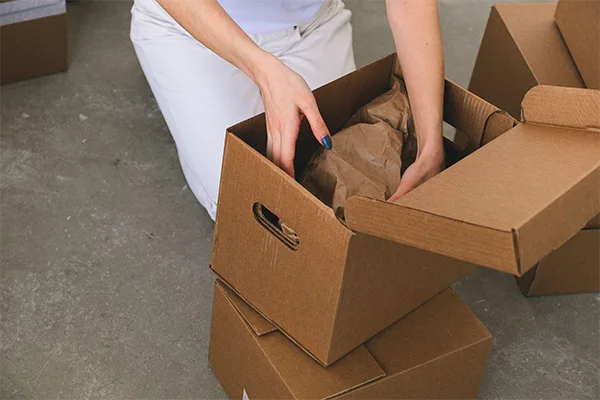
One move can fill a curb with cardboard,plastic wrap, broken furniture, half-used cleaners and bags of stuff nobody planned for.
That is why moving day is one of the most wasteful days of the year, especially when packing starts late. Most moving waste is preventable.
A cleaner move requires earlier sorting, smarter packing, better timing and a plan for what’s leaving before the truck arrives.”
Key Takeaways
- Moving day often generates unnecessary waste from excess packing materials, unwanted belongings, and rushed decisions.
- Sorting and decluttering before packing helps reduce landfill waste and lowers moving costs.
- Reusable bins, household items, and sustainable packing materials can replace many single-use supplies.
- Planning donations, recycling, and selling unwanted items prevents usable belongings from being discarded.
Why Does Moving Create So Much Waste?
Moving creates waste because people pack too quickly, buy too many supplies, and throw away reusable items. When deadlines get close, trash bags become the fastest solution.

The problem grows when every drawer, closet, garage shelf, and cabinet needs attention at once.
- Old décor
- duplicate tools
- unused cables
- expired products
- and damaged furniture suddenly need decisions.
That pressure is one reason moving day is one of the most wasteful days of the year for many households.
A better move starts with editing before packing. The goal is to downsize without losing comfort or style, so the new home feels lighter without feeling empty.
What Should You Sort Before You Pack?
The best things to sort first are things that are easy to donate, recycle, sell or use. Sorting early keeps unwanted items out of boxes and landfills.
Start with categories that usually create the most waste:
- Duplicate kitchen tools
- Old towels and bedding
- Clothes that no longer fit
- Broken electronics and cords
- Furniture that will not suit the new layout
Early sorting also makes packing cheaper. Less stuff = fewer boxes,less tape and less filler. A lighter load can make moving day easier.
How Can Better Packing Cut Trash?
Better packing cuts trash by replacing single-use supplies with reusable, recyclable, or already-owned materials.
Packing waste is often the result of last-minute purchases of convenience items.
When planning how fragile items, electronics, and everyday belongings will travel, sustainable packing materials can reduce waste while still protecting what matters during the move.
Useful low-waste packing options include:
- Reusable moving bins
- Recycled cardboard boxes
- Paper tape where practical
- Towels wrapped around dishes
- Socks used for glassware
- Blankets used for framed art
- Suitcases filled with books
The key is matching the material to the item. Heavy dishes still need firm support, while soft textiles can protect décor, lamps, and small furniture.
What Should You Buy Before Moving Day?
The smartest things to buy before moving day are items that reduce future waste, not items that create clutter. A move is a good moment to rethink what the new home needs.
People often search for ways to upgrade the bedroom during a move because bedding, lighting, and storage affect daily comfort.
Conscious upgrades, that’s the sustainable choice. “Go for less, higher quality materials and pieces that fit the room.
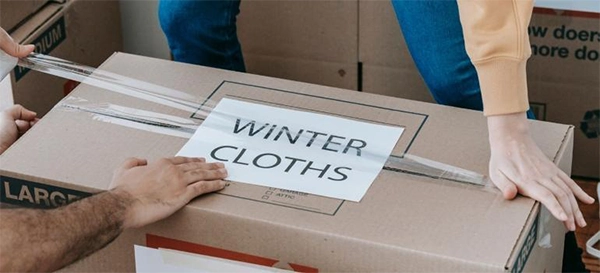
The best time of year to hire moving companies is often outside peak moving season, when schedules are less crowded and planning feels less rushed.
How Can You Avoid Buying Too Many Boxes?
You can use boxes you already have so you’re not buying a tonne and you can pick up supplies gradually. Most homes contain bags, bins, baskets, and drawers, all of which can be used to transport belongings.
Ask local stores, neighbors, friends, or community groups for clean boxes before buying new ones. Many people unpack and want those boxes gone quickly. Reusing them keeps useful materials in circulation.
What Should Happen To Unwanted Items?
Unwanted items should be handled before moving day, not during the final cleanup. Last-minute decisions often send usable belongings straight to the trash.
Create a basic exit strategy for each category. Donations may be made to charities. You can list furniture on the Internet. Electronics can be taken to recycling points. Hazardous items may require special disposal.
A clear system keeps the home from turning into mixed piles. Mixed piles are harder to process and easier to throw away.
How Can Food Waste Be Reduced?
Food waste can be reduced by planning meals around what is already in the kitchen. Pantry shelves, freezers, and refrigerators often hide more food than people realize.
Stop buying bulk groceries two weeks before the move and start using what you have opened. Share sealed extras with friends, neighbours or local food programmes whenever possible.
How Can Cleaning Create Less Waste?
Cleaning creates less waste when supplies are used up before new products are purchased. Many homes already contain :
- enough cleaners
- Cloths
- Sponges
- and trash bags to finish the move.
Use washable rags instead of paper towels when cleaning shelves, windowsills, and cabinets. Finish one cleaner before opening another. Keep a small cleaning kit separate from packed boxes.
How Can The New Home Stay Low-Waste?
The new home can stay low-waste by unpacking slowly and setting up systems before shopping. Many people buy organizers too soon, then discover the sizes do not work.
Empty each room, and note what is needed in each space. A closet might need fewer bins. A kitchen might need drawer dividers, not another gadget. A living room needs more storage, not more furniture.

Why Is Moving Day One Of The Most Wasteful Days Of The Year?
Moving day is one of the most wasteful days of the year because rushed choices turn clutter into trash.
A better move converts that same pressure into a reset.
When boxes feel too heavy, or storage feels too full, future purchases become easier to question. A low-waste move can make the new home calmer, cleaner, and easier to maintain.
A Cleaner Move Starts Before The Truck Arrives
Sustainability is built in the weeks leading up to move day, not in the last hour. Sort early, pack carefully, use what you have and plan donations to reduce waste.
It is one of the most wasteful days of the year, moving day, when everything is rushed and disposable and undecided. With a little planning, the same day can be a reset.
Fewer boxes, fewer bags, and fewer regretful purchases can help your new home begin with less clutter and more purpose.
Conclusion
Moving doesn’t have to mean overflowing trash bags, unnecessary purchases, and wasted resources. Better planning, early decluttering, and smarter packing choices can go a long way toward reducing waste and making the process easier and less stressful.
Small steps like reusing materials, donating unwanted items and buying with intention can make a meaningful impact.
FAQs
Is it better to move on a Friday or Saturday?
The best days to move are weekdays, specifically Monday through Thursday. If you have to move on the weekend, then Saturday and Sunday are your best options.
What is a good blessing message?
May your day be filled with peace, love, and light.” “Blessings follow you wherever you go.” “Stay strong, stay blessed.”
How stressful is moving day?
It’s one of life’s most stressful experiences, and it’s because it involves having to cope with change,” said Nicky Lidbetter, chief executive of charity Anxiety UK.
What is a modern farewell?
A Modern Farewell is a 2020 documentary produced by Deep Cut Media, available on Hulu.