


I’ve always loved exploring flowers, especially the ones that often go unnoticed. The flowers that start with J are a vibrant and versatile group that never fails to captivate me. From the fragrant Jasmine to the striking Jacaranda and delicate Japanese Cherry Blossom, these blooms bring beauty, fragrance, and charm to gardens, bouquets, and indoor spaces — much like the flowers that start with K covered next in this series.
In this guide, I, Debadrita Chatterjee, will walk you through 20 beautiful flowers that start with J, sharing insights on their appearance, growing tips, and best uses. Every flower on this list has been carefully selected to help gardeners, flower enthusiasts, and home decorators find inspiration for their spaces.
Reviewed by Simran Kaur: This article has been thoroughly checked for accuracy and authenticity, ensuring the information is reliable, practical, and enjoyable to explore.
Quick answer
Flowers that start with J include Jasmine, Jacaranda, Japanese Cherry Blossom, Jacobean Lily, Japanese Rose, and Japanese Iris. These flowers are popular for gardens, landscaping, and bouquets due to their color, fragrance, and variety.
Flowers That Start With J: 20 Beautiful Types With Names and Pictures
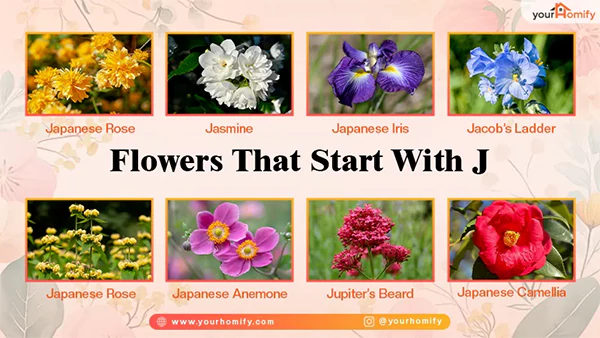
The flowers that start with J include Jasmine, Jaborosa, Jacaranda, Jacobean Lily, Japanese Rose, Japanese Iris, Japanese Kerria, Jewelweed, Justicia, and many more. From the winter-blooming Jasmine to the delicate Japanese Cherry Blossom, these flowers offer a stunning variety of colors, shapes, and fragrances.
Whether you’re planning a garden, creating a bouquet, or simply exploring floral beauty, the flowers that start with J provide countless options to admire and enjoy.
Here’s a curated list of 20 beautiful flowers that start with the letter J:
- Jasmine
- Jaborosa
- Jacaranda
- Jacobean Lily
- Japanese Rose
- Japanese Iris
- Japanese Primrose
- Jewelweed
- Jonquil
- Jupiter’s Beard
- Justicia
- Jasione
- Japanese Toad Lily
- Jack-in-a-pulpit
- Japanese Morning Glory
- Japanese Cherry Blossom
- Jacob’s Ladder
- Jamaica plum
- Jungle Flame
- Japheth Orchid
Jasmine
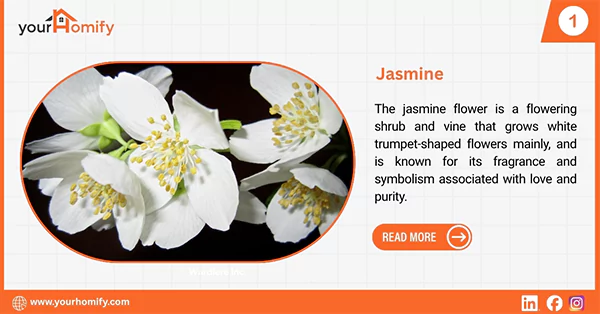
- Botanical name: Jasminum
- Hardiness: USDA zones 7-10
- Native Area: Africa and Asia
- Care guide: Full sun to partial shade, sandy loam soil, and moderate watering.
Jasmine is a genus of flowering vines and shrubs that produces white, fragrant flowers. Along with being a popular garden plant, jasmine is the national flower of the Philippines.
Jaborosa
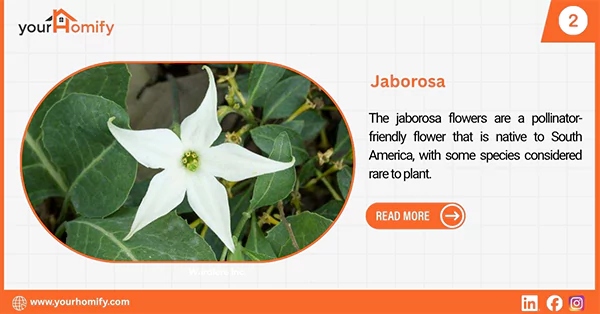
- Botanical name: Jaborosa integrifolia
- Hardiness: USDA zones 8-10
- Native Area: South America
- Care guide: Full sun exposure, well-drained soil, and consistent moisture.
Jaboraos is also a flowering genus that is a member of the nightshade family. Popularly known for its tubular star-shaped flowers, Jaborosa grows in mountainous terrains and is considered a rare plant.
Jacaranda
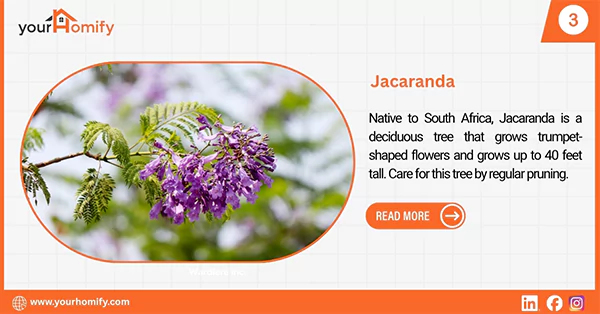
- Botanical name: Blue Jacaranda
- Hardiness: USDA zones 10-11
- Native Area: South America
- Care guide: Full sun exposure, well-draining loamy soil, and water when needed.
Jacaranda is a trumpet-shaped purple flower that grows on a deciduous tree, which grows up to 40 feet tall. While planting, the best care tip is to prune the tree timely to maintain the shape and encourage growth.
Prune the fruit trees in spring to encourage growth and in summer for better structuring.
Jacobean Lily
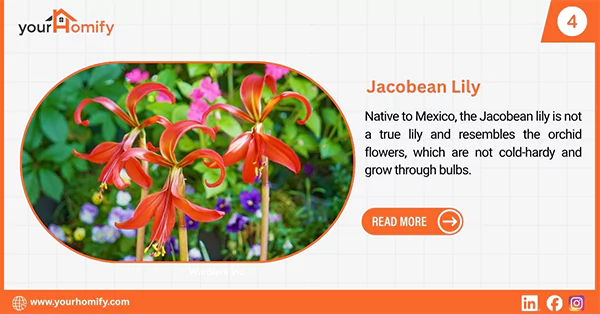
- Botanical name: Zephyranthes formosissima
- Hardiness: USDA zones 8-10
- Native Area: Mexico and Guatemala
- Care guide: Full sun exposure, fertile alkaline soil, and regular watering.
The Jacobean lily belongs to the Amaryllis family but is not a true variety, similar to the calla lily. I have grown these orchid-like blooms outside in full sun through bulbs, and these striking blooms die quickly, especially in the frost.
Japanese Rose
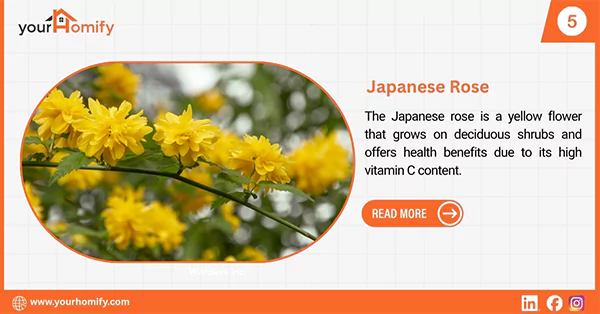
- Botanical name: Kerria japonica
- Hardiness: USDA zones 4-9
- Native Area: Southern China, Japan, and Korea
- Care guide: Partial shade, well-drained, moderately fertile soil, and regular watering.
Also known as Japanese kerria, this yellow flower is popular for its rose-like appearance and medicinal benefits. The Japanese rose is rich in vitamin C, which helps in treating cough and cold symptoms.
Japanese Iris

- Botanical name: Iris ensata
- Hardiness: USDA zones 4-9
- Native Area: East Asia
- Care guide: Full sun to partial shade, well-draining sandy or loamy soil, and regular watering.
The Japanese iris is famous for its flat flowers that bloom in pink, purple, and blue and for its sword-like foliage, which is used as an ornamental. They majorly bloom from late June to August.
Japanese Primrose
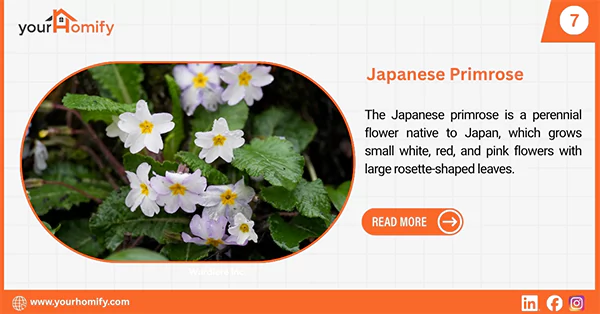
- Botanical name: Primula japonica
- Hardiness: USDA zones
- Native Area: Japan
- Care guide: Partial shade, fertile humus-rich soil, and regular watering.
The Japanese primrose is a perennial flower that features small flowers, which attract pollinators like bees and birds like hummingbirds.
Along with the white, pink, and red flowers, this deciduous plant also features a large rosette of leaves.
Jewelweed
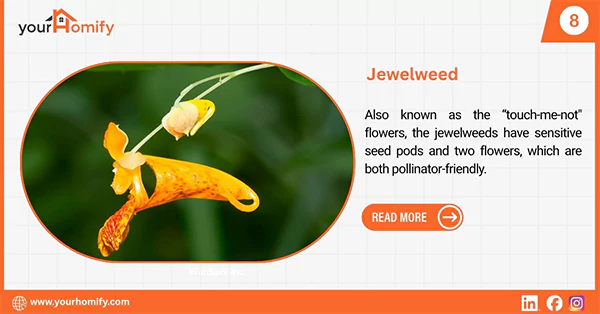
Image description:
Also known as the “touch-me-not” flowers, the jewelweeds have sensitive seed pods and two flowers, which are both pollinator-friendly.
- Botanical name: Impatiens capensis
- Hardiness: USDA zones 2-11
- Native Area: Northern and Eastern North America
- Care guide: Partial shade, well-draining acidic to neutral soil, consistent watering.
The jewelweed flower is also known as the touch-me-not flower because the seed pods of the plant are really sensitive to touch. This wildflower grows orange flowers.
Not only one, but the plant is also known for producing 2 flowers, which are pollinator-friendly.
Jonquil

- Botanical name: Narcissus jonquilla
- Hardiness: USDA zones 4-8
- Native Area: Spain and the Mediterranean regions.
- Care guide: Full sun exposure, sandy loamy well-drained soil, and regular watering.
Jonquil is a type of daffodil flower from the Narcissus family and not synonymous with the same, which produces yellow, cup-shaped flowers that are pest-resistant and are used as popular cut flowers.
Jupiter’s Beard
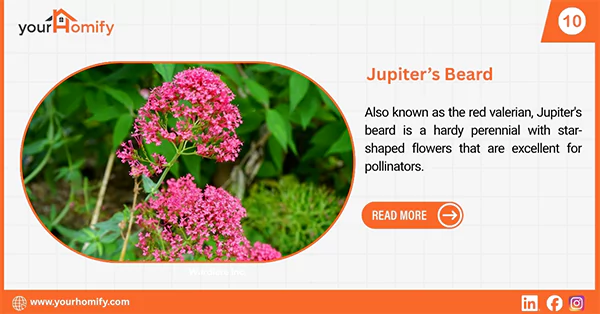
- Botanical name: Centranthus ruber
- Hardiness: USDA zones 3a-8b
- Native Area: Mediterranean regions
- Care guide: Full sunlight, slightly alkaline soil, and moderate watering.
Jupiter’s beard is also called the red valerian and is known for its star-shaped blooms, which attract a lot of pollinating insects and birds, but more importantly, these flowers are hardy perennials that are long-lasting and do not need regular maintenance.
Justicia
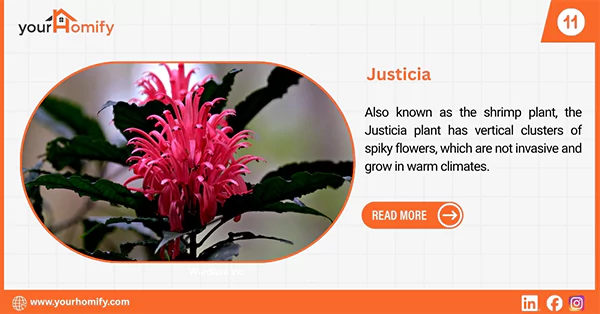
- Botanical name: Justicia spp
- Hardiness: USDA zones 9-11
- Native Area: America, India, and Africa
- Care guide: Full sun to partial shade, loamy, fertile soil, and moderate watering are ideal.
Native to America and Africa, the Justicia is a non-invasive plant that is also known as the shrimp plant because of its similar appearance. This tropical evergreen shrub is best grown in warmer climates, as it is also considered a weed.
Jasione

- Botanical name: Jasione montana
- Hardiness: USDA zones 6-8
- Native Area: Western Africa and Europe
- Care guide: Full sun to partial shade, well-draining sandy loamy soil, and regular watering.
Similar to the Campanula flower, Jasione also belongs to the Campanulaceae family. Also named the sheep’s bit, this herbaceous perennial is confused with the devil’s scabious flower.
Additionally, the small blue flowers look exotic in the rock gardens.
Japanese Toad Lily
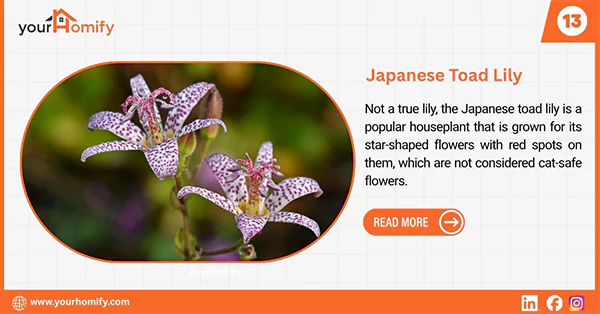
- Botanical name: Tricyrtis hirta
- Hardiness: USDA zones 4-9
- Native Area: Japan
- Care guide: Partial to full shade, well-draining soil, and regular watering.
The Japanese toad lily has an orchid-like appearance and is known for its star-shaped flowers with red spots on them. Popular for ornamental gardening and as an indoor plant, toad lily is not a cat-safe flower but deer-resistant.
Jack-in-a-pulpit
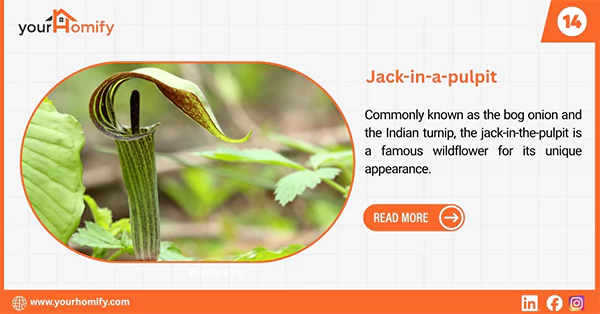
- Botanical name: Arisaema triphyllum
- Hardiness: USDA zones 4-9
- Native Area: Eastern North America
- Care guide: Full sun to partial shade, soil rich in organic matter, and regular watering.
Jack-in-the-pulpit is also known as the bog onion and belongs to the arum family. Applauded for its unique appearance, this flower is classified as a wildflower and is also known as the “ Indian Turnip.’
Do not touch the plants bare-handed, as they are toxic and can cause skin irritation.
Japanese Morning Glory
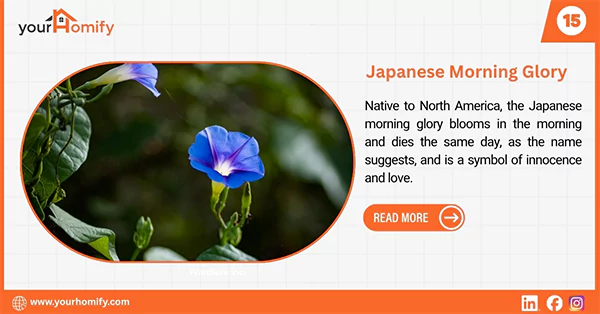
- Botanical name: Ipomoea nil
- Hardiness: USDA zones 2-11
- Native Area: Tropical America
- Care guide: Full sunlight, well-draining acidic to neutral soil, and consistent watering.
True to its name, the Japanese morning glory flowers bloom in the morning and die on the same day. Majorly known for the trumpet-shaped flowers, these annual flowers symbolize innocence and love.
Japanese Cherry Blossom
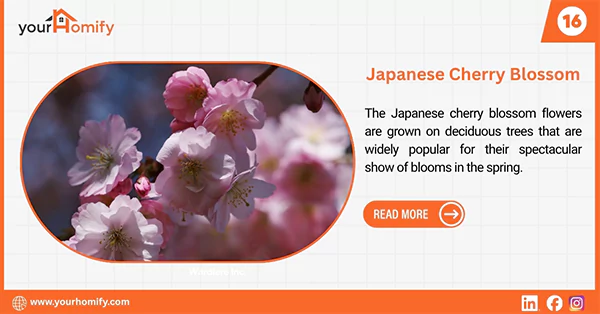
- Botanical name: Prunus serrulata
- Hardiness: USDA zones 5-8
- Native Area: Japan, Korea, and China
- Care guide: Direct sun exposure, well-draining loamy soil, and consistently moist soil.
The Japanese cherry blossoms are grown on deciduous trees and are globally popular for their pink to white flowers, which are loved by people around the world and are the center of Japanese tourism.
Jacob’s Ladder
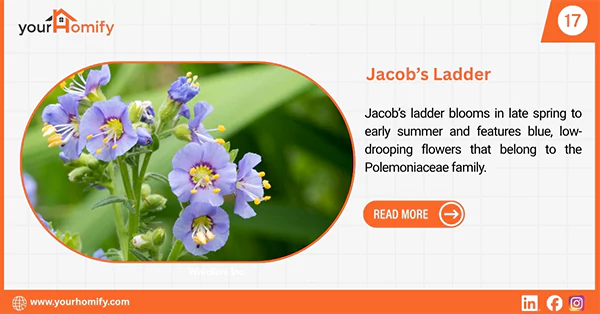
- Botanical name: Polemonium reptans
- Hardiness: USDA zones 3-8
- Native Area: Eastern and Central South America 3-8
- Care guide: Partial to full shade, well-draining, compost-rich soil, and moderate watering.
Belonging to the Polemoniaceae family, the Jacob’s ladder is a summer flower that blooms from mid-spring to early summer and features blue flowers that branch and bend downwards.
Planting them is not a waste, as they are excellent pollinator magnets.
Jamaica plum
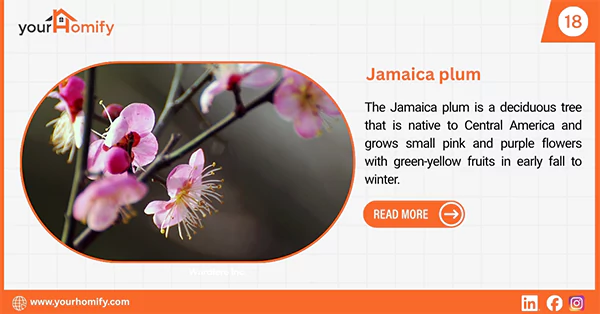
- Botanical name: Spondias mombin
- Hardiness: USDA zones 10-11
- Native Area: Central and South America
- Care guide: Full sun to partial shade, well-draining soil, and regular watering, although slightly drought-tolerant.
The Jamaica plum tree is a tropical fruit tree that produces small green-yellow fruits and elegant purple flowers, which are slightly fragrant and bloom from early spring to summer.
Jungle Flame
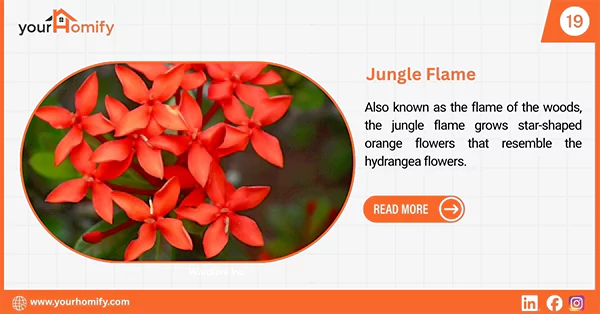
- Botanical name: Ixora coccinea
- Hardiness: USDA zones 9-11
- Native Area: Tropical Southeast Asia
- Care guide: Full sun to partial shade, regular watering, and slightly acidic soil mix.
Also known as the Flame of the Woods, the jungle flame belongs to the Madder family and is named for its orange 4-petal flowers, which resemble flames.
With flowers similar to the hydrangea flowers, this plant grows up to 2 meters tall and is one of the most popular shrub varieties.
Japheth Orchid
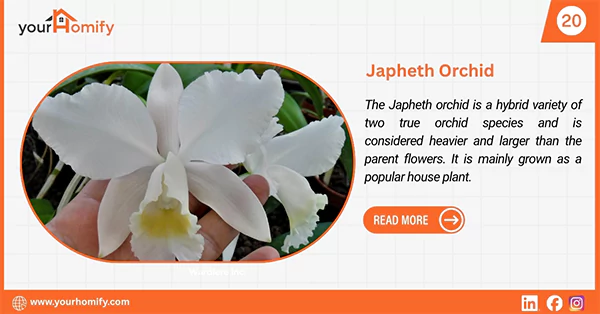
- Botanical name: Cattleya Henrietta Japhet
- Hardiness: USDA zones 10a – 12b
- Native Area: Central and South America
- Care guide: Bright, indirect orchid soil mix and moderate watering, as they are drought-tolerant once established.
The Japeth orchid is a hybrid of the Cattleya loddigesii and Euchris, which features much larger and heavier white flowers, which are popular for their home cultivation due to their exotic look.
Planting Tip
Do not plant the Japeth orchid in the regular soil mix; it requires an orchid soil mix to thrive.
Final Thoughts
This list of flowers that start with the letter J is perfect for all types of gardens. Whether you want vibrant blooms for landscaping, elegant flowers for bouquets, or unique varieties to brighten your outdoor space, these flowers offer beauty, fragrance, and versatility.
From the fragrant Jasmine to the colorful Jacaranda and charming Japanese Cherry Blossom, each flower adds its own special touch to your garden or floral arrangements.
Don’t wait, add the beauty of flowers that start with J to your garden and enjoy their stunning variety throughout the seasons.
FAQs
What are the flowers that start with the letter J?
Jasmine, Japanese rose, Jasione, jonquil, and many more are the flowers that start with J.
What are some perennial flowers that start with a J?
Jonquil and jasmine are perennial flowers that start with the letter J.
Are there any red flowers that start with a J?
Yes, jungle flame is a red flower that starts with J.
What are the cat-safe flowers that start with J?
True jasmine and jacaranda are cat-safe flowers that start with the letter J.
Are Japanese roses and Japanese Kerria the same flower?
Yes, Japanese roses and Japanese kerria are the same flower.
Index to common names – J – California Lutheran University

Flowers That Start With I: 11 Beautiful Names With Pictures
[…] list will help you explore new varieties and add more color and charm to your space — and the flowers that start with J are a fragrant place to […]