


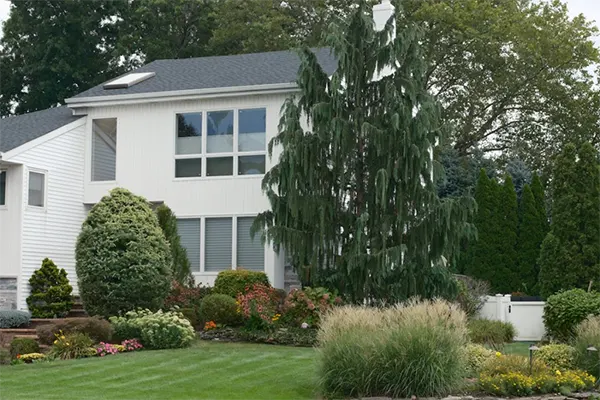
Sustainable gardening has become a practical priority for many homeowners who want healthier outdoor spaces without increasing water waste or chemical use. More people are choosing eco-friendly landscaping methods that support local wildlife, improve soil quality, and reduce long-term maintenance costs. A greener yard now represents more than visual appeal.
In Florida communities such as Montverde, maintaining a healthy landscape can be challenging due to long periods of heat and humidity, as well as seasonal rainfall fluctuations. Homeowners who want to create sustainable outdoor spaces must focus on efficient watering practices, soil improvement, and plant selection. Even well-planned gardens can struggle when water distribution becomes uneven or excessive.
Smart Water Conservation Strategies for Sustainable Gardening
Water conservation is one of the most important parts of eco-friendly gardening, especially in areas with warm temperatures and unpredictable rainfall. Many homeowners unknowingly waste water because of outdated irrigation schedules or poorly maintained sprinkler systems. Creating a sustainable yard starts with understanding how much water plants actually need throughout the year. Watering early in the morning is often the best approach because it reduces evaporation and allows moisture to reach the roots more effectively.
Efficient irrigation methods can improve plant health while also lowering overall water use. Drip irrigation systems, moisture sensors, and properly adjusted sprinklers help deliver water more evenly across the yard. However, sprinkler systems need regular maintenance to continue working efficiently. Over time, damaged sprinkler heads, underground leaks, and clogged nozzles can reduce water distribution and create uneven coverage. These issues may lead to dry patches in some areas and excess moisture in others, weakening plant growth and increasing water waste. If you are looking for sprinkler repair specialists in Montverde, FL, there are many professionals who have years of experience.
Building Healthy Soil Through Composting and Organic Matter
Healthy soil supports every part of a sustainable garden. Without nutrient-rich soil, plants struggle to retain moisture, form strong roots, and naturally resist disease. Many traditional gardening methods rely heavily on synthetic fertilizers, whereas eco-friendly gardening focuses on improving soil quality with organic materials. Composting is one of the simplest and most effective ways to achieve this goal while also reducing household waste.
Kitchen scraps, grass clippings, dried leaves, and plant debris can all be transformed into nutrient-rich compost. Compost also naturally supports healthy plant growth by encouraging beneficial microorganisms. Homeowners who focus on soil improvement often notice stronger plants, fewer pest problems, and lower maintenance requirements throughout the growing season.
The Benefits of Choosing Native and Climate-Adapted Plants
Native and climate-adapted plants are essential for creating an eco-friendly landscape that thrives with less maintenance. These plants naturally adjust to local temperatures, rainfall levels, and soil conditions, making them more resilient than wide non-native varieties. Because they are already suited to the environment, they typically require less water, fertilizer, and chemical treatment to remain healthy.
Choosing native plants also supports local ecosystems by attracting pollinators such as bees, butterflies, and birds. These species play an important role in maintaining biodiversity and encouraging healthy plant reproduction. Climate-adapted landscaping can also reduce lawn maintenance by limiting the need for constant watering and pest control.
Natural Pest Management Without Harsh Chemicals
Many traditional pesticides eliminate harmful insects, but they can also damage beneficial species that help gardens stay balanced. Eco-friendly gardening encourages natural pest control methods that protect plants without affecting pollinators or contaminating nearby soil and water sources.
Companion planting is one effective strategy for discouraging pests naturally. Herbs such as basil, mint, and rosemary can help repel insects while supporting nearby plants. Neem oil and insecticidal soaps also provide safer alternatives to strong chemical treatments. Encouraging birds, ladybugs, and bees creates a healthier outdoor environment where beneficial insects help manage pest populations more effectively over time.
Mulching Techniques That Improve Moisture Retention
Mulching plays an important role in maintaining healthy garden beds and conserving water naturally. Organic mulch helps regulate soil temperature, especially during warmer months when excessive heat can quickly dry out plant roots. It also reduces moisture evaporation, allowing homeowners to water less frequently while keeping plants healthy and hydrated.
Common mulch materials include bark, pine straw, shredded leaves, and untreated wood chips. These materials gradually break down and improve soil quality as they decompose. Mulch also helps suppress weed growth by limiting sunlight exposure to unwanted plants. With fewer weeds competing for water and nutrients, gardens often become easier to maintain while supporting stronger plant growth throughout the season.
Simple Everyday Gardening Habits That Make a Big Difference
Eco-friendly gardening does not always require major landscaping changes. Small daily habits can have a meaningful impact on the health and sustainability of an outdoor space. Collecting rainwater for garden use, planting seasonally, and reducing plastic waste in gardening supplies are all practical ways to support a greener yard without increasing maintenance demands.
Using electric or battery-powered gardening tools can also help reduce emissions and noise pollution compared to gas-powered equipment. Homeowners can further improve sustainability by choosing reusable containers and avoiding overwatering during rainy periods.
Seven Backyard Garden Tips for Keeping Chickens
[…] is essential for eco-friendly gardening. Especially when you have chickens who generate garden waste. The trouble starts when your flock […]