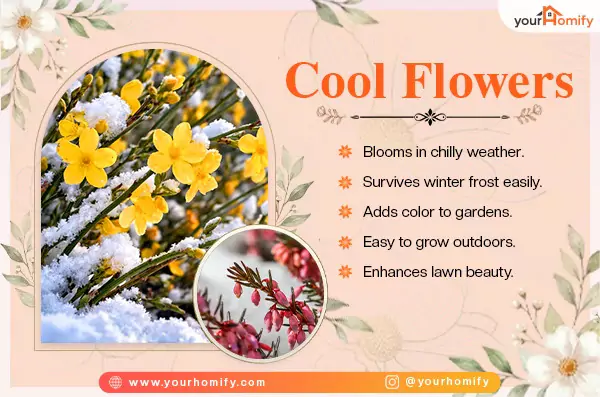
Cool flowers add beauty, freshness, and vibrant colors to my garden during the chilly season when many plants stop blooming and struggle to survive. Varieties like pansies, snapdragons, mahonia, and winter jasmine establish themselves during late fall and stay resilient throughout the winter.
If you’re looking to enhance your cottage garden or want to create a striking appearance in your outdoor space during the frost, I have put together a list of the top 15 cold-hardy flowers. These flowers are easy to grow and can beautifully enhance the aesthetics of your front lawn.
Quick Answer
Cool flowers are hardy annuals that bloom throughout the winter season when most other plants go dormant. Crocus, Camellia, Winter Jasmine, Winter Heath, Pansy, and Mahonia are some popular examples of cool looking flowers.
What are Cold Hardy Flowers?
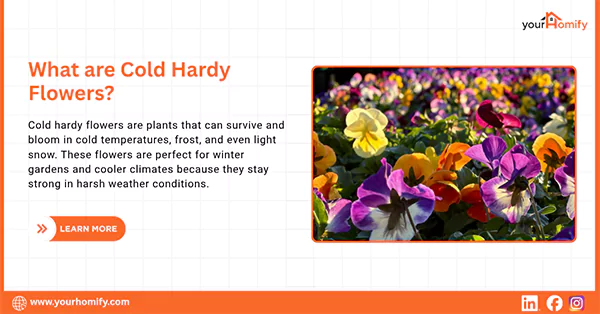
Cool flowers, also known as cold-hardy blooms, are flowering plants that can survive and flourish in low temperatures, frost, and even light snowfall. These plants are naturally adapted to chilly weather and continue growing while many other flowers struggle to survive.
Flowers like Primrose, Winter Jasmine, Camellia, and Winter Aconite are best for adding color, texture, and life to winter and early spring gardens with minimal care and no seasonal damage. Wide varieties are also known to attract pollinators like bees and butterflies early in the season, encouraging biodiversity.
Top 15 Hardy Cool Flowers For Your Winter Garden
There is no denying the fact that cold-tolerant flowers bring color, texture, and instant life to gardens even during chilly weather conditions. From delicate early bloomers to frost-resistant species, I have curated a complete list of 15 stunning cool flowers that can brighten landscapes and thrive beautifully with minimal care.
1. Winter Jasmine
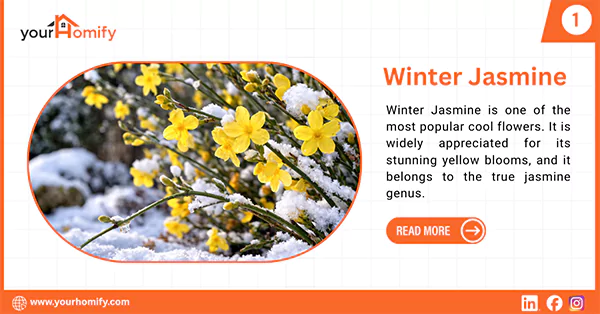
- Plant Type: Deciduous Shrub
- Botanical Name: Jasminum nudiflorum
- Bloom Time: Late Winter
- Hardiness Zone: 6-10 USDA Zones
As the name suggests, Winter Jasmine is a well-known winter garden plant and is often mistaken for forsythia because of its vibrant yellow blooms. Native to Tibet and Central China, this cool flower is often used in gardens and large landscapes for its ornamental beauty. It is a low-maintenance bloom and can be grown easily in partial shade and permeable soil.
2. English Primrose
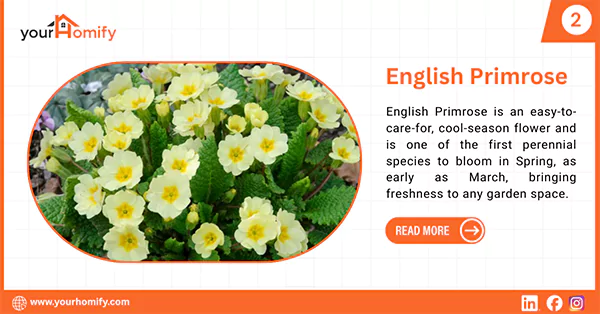
English Primrose, also known as the February birth flower, is often used for gifting as the bloom symbolizes love, new beginnings, and early affection. This cool-looking flower is relatively easy to grow and is also known as a pollinator magnet, attracting bees, butterflies, and hummingbirds. Its rosette-like dark green leaves bring instant charm to any indoor or outdoor space.
- Plant Type: Herbaceous perennial
- Botanical Name: Primula spp.
- Bloom Time: Late winter to early spring
- Hardiness Zone: 4-8 USDA Zones
3. Hellbore
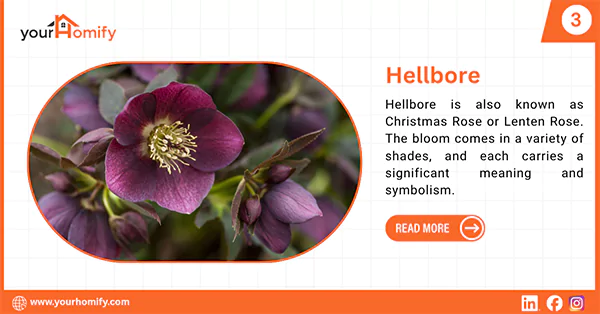
- Plant Type: Evergreen perennial
- Botanical Name: Helborus (most common name)
- Bloom Time: Mid to late winter
- Hardiness Zone: 4-9 USDA Zones
Hellbore is a cool looking flower and is primarily known for its medicinal and traditional uses. In European folklore, the species is known to represent resilience, courage, and a lasting fighting spirit. There are many different cultivars of this flower available across the world, and these are popularly grown as ornamental winter garden plants.
4. Winter Aconite
- Plant Type: Perennial herbaceous
- Botanical Name: Eranthis hyemalis
- Bloom Time: Late winter to early spring (Feb to March)
- Hardiness Zone: 3-7 USDA Zones
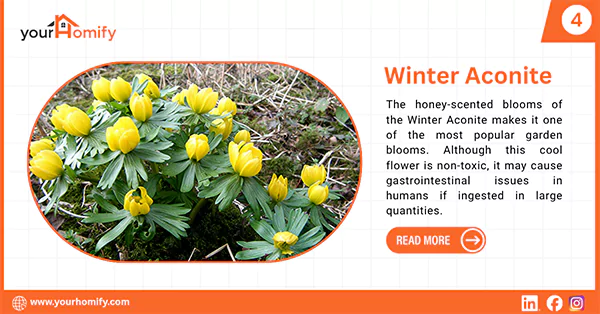
Winter Aconite is a cheerful clump-forming spreading perennial known for its bright yellow flowers. Also known as Eranthis Hyemalis, Bulb me up buttercup, Winter wolf’s bane, this species is native to Europe and can easily thrive in cool winter gardens. This low-maintenance, hardy plant features glossy, dark green bracts and is often grown to symbolize toughness and is said to be a harbinger of spring.
5. Camellia
- Plant Type: Broadleaf evergreen shrub
- Botanical Name: Camellia spp.
- Bloom Time: Mid to late winter
- Hardiness Zone: 7-10 USDA Zones
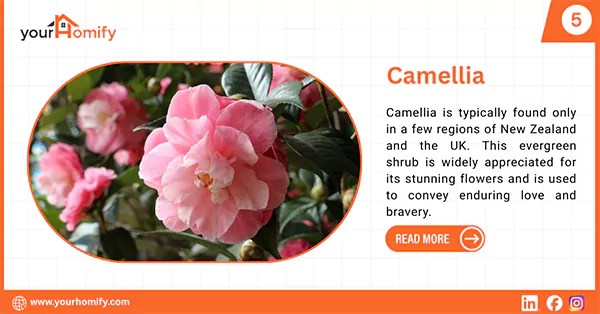
Better known as “Queen of Winter Flowers”, Camellia is an elegant flowering shrub admired for its rose-like blooms and glossy leaves. This species requires minimal care and is popularly used for a rock garden or as cut flowers. The enigmatic Middlemist Red Camellia is a rare cultivar of this genus and is admired by garden enthusiasts and horticulturists alike. Native to Asia, this bloom has more than 200 cultivars around the world.
6. Crocus
- Plant Type: Bulbous herbaceous perennials
- Botanical Name: Crocus spp.
- Bloom Time: Late winter to early spring
- Hardiness Zone: 3-8 USDA Zones
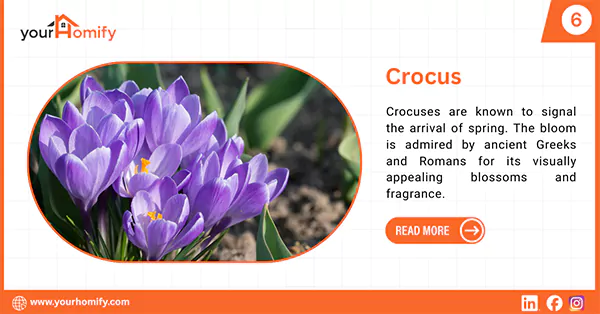
Crocus is a small bulbous flowering plant known for its vibrant purple striped blooms. Belonging to the Iridaceae (Iris) family, t
his cool flower is found across Europe, North Africa, and Asia. It is also known as a popular easter flower and conveys youthfulness, joy, and charm. As per a research paper published by the University of California, Saffron Crocus is the most famous edible crocus variety and is known to typically bloom in Autumn with purple flowers.
Remember that not all crocus species are edible, and some lookalike plants can be highly toxic if consumed accidentally.
7. Japanese Pieris
- Plant Type: Rounded, broadleaf evergreen shrub
- Botanical Name: Pieris japonica
- Bloom Time: Late winter to early spring
- Hardiness Zone: 5-8 USDA Zones
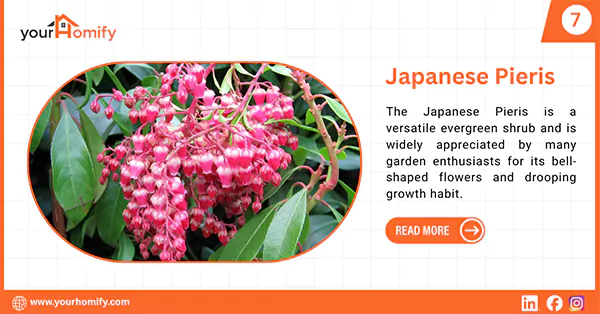
Japanese Pieris is an evergreen flowering shrub native to Japan, Taiwan, and eastern China. It grows in a compact, bushy habit with glossy leaves and cascading clusters of bell-shaped flowers. A special feature is its colorful new foliage, which often appears red or bronze before completely turning green. Japanese pieris thrives in cool, partially shaded gardens and is one of those rare plants that instantly catches attention.
8. Reticulated Iris
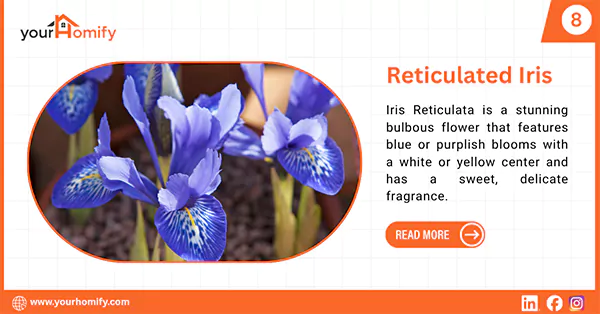
- Plant Type: Bulbous perennial
- Botanical Name: Iris reticulata
- Bloom Time: Late winter to early spring
- Hardiness Zone: 5-9 USDA Zones
Reticulated iris is a small bulbous flower native to Russia, the Caucasus, Turkey, and parts of the Middle East. This friendship flower, which blooms in late winter or early spring, is widely used as a gift. It grows in a compact, upright habit and is admired for its ability to flower through frost and snow. The species is perfect for rock gardens, borders, and containers, and can be a valuable food source for many pollinators.
9. Winter Heath
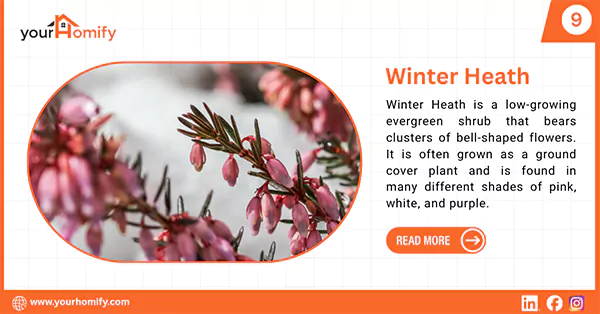
- Plant Type: Low-growing, mat-forming evergreen shrub
- Botanical Name: Erica carnea
- Bloom Time: Winter to early spring
- Hardiness Zone: 5-7 USDA Zones
Winter Heath is a low-growing evergreen shrub native to the mountainous regions of central and southern Europe. It produces clusters of pink, purple, or white bell-shaped flowers from winter to early spring. The species is also sometimes known as snow heather and has a spreading growth habit. It can thrive in rocky or acidic soils and is valued for adding long-lasting color to winter gardens and attracting early pollinators.
10. Snowdrops
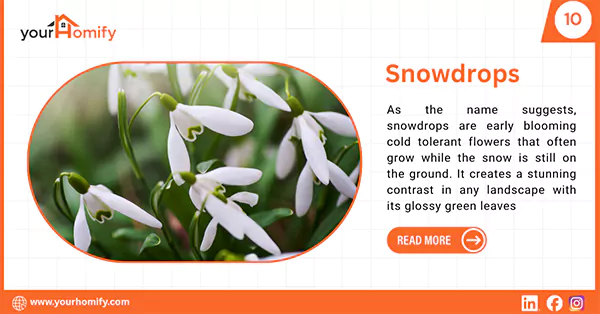
- Plant Type: Herbaceous perennial geophytes
- Botanical Name: Galanthus nivalis
- Bloom Time: Late winter to early spring
- Hardiness Zone: 3-9 USDA Zones
Snowdrop is a delicate bulbous spring flower native to Europe and Western Asia. It blooms in late winter with nodding white bell-shaped flowers that often emerge through snow, symbolizing hope and renewal. This cold-hardy plant grows in a compact clumping habit and thrives in woodland gardens, borders, and shaded landscapes with moist, permeable soil.
11. Witch Hazel
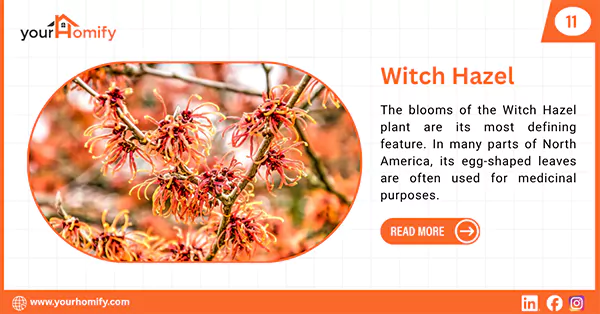
- Plant Type: Deciduous shrub
- Botanical Name: Hamamelis
- Bloom Time: Winter to early spring
- Hardiness Zone: 4-8 USDA Zones
Witch Hazel is a deciduous flowering shrub native to North America and parts of Asia. It produces a unique ribbon-like yellow, orange, or red flowers during late fall or winter when most plants are dormant. This garden plant with skin benefits has a spreading growth habit and is admired for its fragrant blooms and vibrant autumn foliage in landscape gardens. Wide Chinese and Japanese varieties of the species are often grown for their dramatic appearance.
12. Glory of the Snow
- Plant Type: Bulbous perennial
- Botanical Name: Chionodoxa forbesii
- Bloom Time: Late winter to early spring
- Hardiness Zone: 3-8 USDA Zones
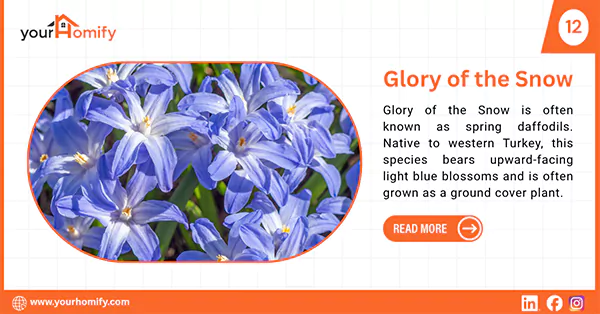
Commonly called Chionodoxa, Glory of the Snow is a charming bulbous flower native to Turkey and the eastern Mediterranean region. It blooms in late winter or early spring and bears star-shaped blue, pink, or white flowers. With nectar-rich blooms, the species makes sure to attract early pollinators. This cold-hardy plant has a compact clumping growth habit and spreads naturally over the ground, making any landscape or woodland stunning.
13. Hardy Cyclamen
- Plant Type: Tuberous flower
- Botanical Name: Cyclamen coum
- Bloom Time: Winter to late spring
- Hardiness Zone: 4-8 USDA Zones
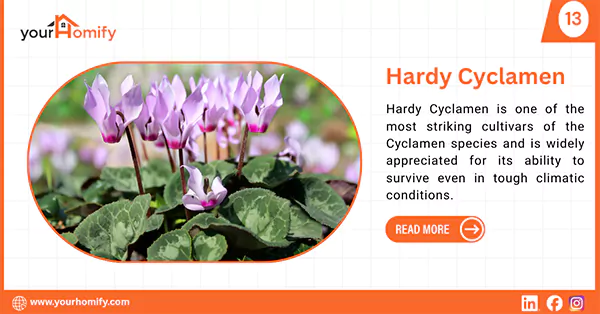
Hardy Cyclamen is a tuberous perennial native to the Mediterranean region, especially southern Europe and western Asia. It produces delicate pink, white, or magenta flowers along with attractive heart-shaped leaves. One of the best cool looking flowers, Hardy Cyclamen has a low-growing, spreading habit and thrives in woodlands or shaded borders. The flower is widely appreciated for blooming in cool seasons and naturally beautifying garden spaces.
14. Pansy
- Plant Type: Flowering perennial
- Botanical Name: Viola × wittrockiana
- Bloom Time: Late winter to late summer
- Hardiness Zone: 3-8 USDA Zones
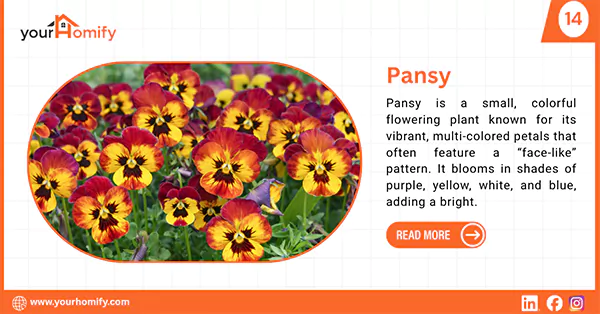
As delicate as these flowers may seem, Pansies are known to be one of the most enduring cool flowers. They are surprisingly hardy and can survive extreme frost. I simply make sure to plant them in hummus-rich soil and space the plants 7-12 inches apart. This flower has heart-shaped leaves, and its vibrant hues can instantly add charm to any indoor or outdoor space.
15. Mahonia
- Plant Type: Evergreen shrub
- Botanical Name: Mahonia spp.
- Bloom Time: Late fall to late winter
- Hardiness Zone: 5-9 USDA Zones
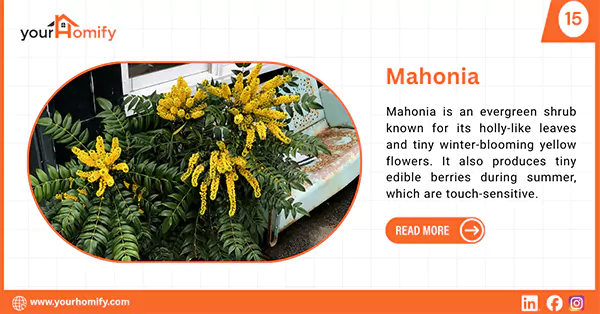
Mahonia is a flower that is highly appreciated for its visually appealing structure. These are widely grown to add beauty and structure to any garden space or large landscape. The bark and the roots of this flower contain berberine, a compound traditionally used for medicinal purposes. This evergreen shrub does not demand much attention and is a perfect cool-weather flower for novice plant lovers.
Why Cool Flowers are Trending in Gardens or Floral Designs?
Cool looking flowers are becoming increasingly popular in modern gardens and floral designs because they offer long-lasting beauty even during frost months. Gardeners and florists appreciate their resilience, seasonal charm, and ability to keep the outdoor or indoor spaces vibrant when many traditional flowers stop blooming.
Here are some reasons why cool-tolerant flowers are trending:
- Provide colorful blooms during fall, winter, and early spring.
- Survive frost and low temperatures better than delicate flowers.
- Require less seasonal replacement and maintenance.
- Ideal for sustainable and climate-resilient gardening.
- Adds texture and depth to many winter gardens.
- Popular in wedding and seasonal floral arrangements.
- Suitable for containers, borders, and balcony gardens.
- Help maintain year-round beauty in gardens and front lawns.
- Attract early pollinators and enhance biodiversity.
The growing popularity of cool-tolerant flowers is often seen as a shift towards beautiful and sustainable garden practices. The ability of these blooms to survive even in harsh climatic conditions while adding elegance to a landscape makes them a favorite among gardeners, designers, and novice plant lovers.
Conclusion
Cool flowers bring freshness, color, and charm to gardens even during chilly seasons when many plants struggle to bloom. From frost-tolerant favourites to unique seasonal beauties, these blossoms help create vibrant landscapes with minimal maintenance. I personally prefer using them in garden beds, containers, and for floral arrangements since they tend to add long-lasting visuals to my front lawn.
FAQs
What is the coolest flower?
Pansy, Winter Jasmine, Witch Hazel, and Winter Heath are some of the coolest flowers, while Monkey Face Orchid and Black Bat Flower are some cool looking flowers.
What kind of flower is 🌸?
This 🌸 emoji typically represents cherry blossom. It is an iconic light pink, five-petaled flower native to Japan, and is known to symbolize hope, joy, and new beginnings.
What birth month is a forget-me-not?
Forget-me-not is said to be the birth month flower of September, along with Aster and Morning Glory. All the blooms are popularly used for gifting purposes and are known to convey emotions like patience and deep remembrance.
How to take care of cold-hardy flowers?
You can help the cold-hardy flowers thrive by providing them with the ideal growing conditions. Make sure the blooms get proper watering and mulch around the base to retain the moisture.
What flower is this 🌺?
The 🌺 flower is a vibrant, trumpet-shaped hibiscus flower. It is widely appreciated for its medicinal properties and is traditionally grown to convey feelings like optimism, hospitality, and long-lasting endurance.
Plants for Cold Weather – University of Florida Research Paper