


If you have ever admired a stunning bouquet or an elegant floral display, you may have wondered how some arrangements look so different from others. It is simply because there are various types of flower arrangements, and each has its own artistic approach.
Now, whether you love the simplicity of Ikebana, the classic beauty of Western arrangements, or the bold visual appeal of the Tropical designs, this informative guide will help you understand their key features and the steps to create your very own beautiful floral design.
Quick Answer
The three main types of flower arrangements are Ikebana, Western, and Tropical. Each style has its own unique features and is suitable for different occasions. This allows you to choose arrangements that best match your decor, event, or personal preference.
What are the Three Major Types of Flower Arrangements?
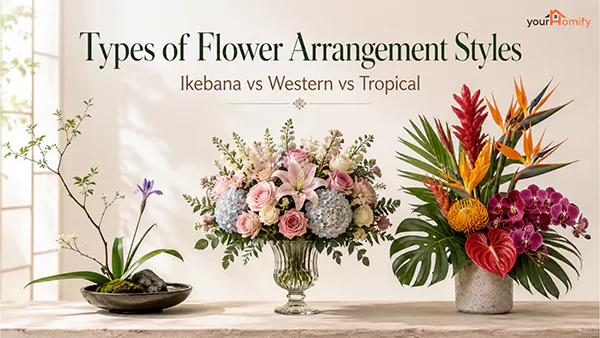
The three major types of flower arrangements are Western, tropical, and Ikebana.
Among the many flower-arranging techniques practiced around the world, Ikebana, Western, and Tropical are the most recognized styles.
- Western Design: Focuses on fullness and symmetry and is ideal for weddings, parties, gifting, or home decor.
- Ikebana Design: Focuses on the harmony between human and earth and is ideal for meditation centers and cultural displays.
- Tropical Design: Focuses on vibrant colors and exotic plants and is ideal for delicate gardens or modern interior styles.
1. Ikebana Flower Arrangement
The Ikebana floral arrangement emphasizes simplicity and a peaceful style of arranging the blooms. This technique aims to highlight the beauty of each part of a flower, including its stem, branches, and leaves.
Ikebana is one of the three classical Japanese arts of refinement. Initially, I thought that it was just another way of arranging flowers, but it is much more than that. The word Ikebana actually means “bringing flowers to life,” and through this style, the flora is given an artistic expression.
1: Defining Characteristics of the Ikebana Flower Arrangement
- Minimalist Design: Ikebana follows the philosophy of less is more. Instead of filling a vase or container with numerous flowers, carefully selected blooms, branches, and leaves are used. Empty spaces are intentionally used so that the design can stand out.
- The Three Fundamental Lines: The most traditional floral designs were made upon a scalene triangle representing the universe. Shin, being the tallest stem, represents heaven or a spiritual realm, where Soe serves as a secondary medium stem linked to humanity, and Tai is the smallest, symbolizing earth or a physical realm.
- Asymmetry: Ikebana purposely avoids perfect symmetry. An irregular number of flowers of varying heights is added to the arrangement. Different species are grown in their natural growth pattern, mimicking the imperfect beauty of nature.
2: How to Create an Ikebana Flower Design?
To make a traditional Ikebana flower arrangement, you will need a flat container that is about 12 inches wide and 2-3 inches high, scissors and a hand towel, a kenzan (pin frog to hold flowers), and a small bowl filled with water.
- Make sure that the height of the tallest stem (shin) is approximately 2 times the width of the vase.

- Now set the length of the Soe and Hikae. Soe should be about ¾ of the shin, and Hikae is about half to ⅔ of the Soe.


- Remove all the excess leaves and twigs from the stems, especially at the bottom part of the branch.
- Now dip the ends of the flower and branches in a small bowl filled with water and cut them at a sharp 45-degree angle.

- Imagine a triangle on the frog pin and first place the shin in the container by gently pressing its end into the needle of the kenzan.


- In the same way, place Soe on the bottom left vertex of the imagined triangle, in a 45-degree slanted position.

- Place Hikae on the bottom right vertex of the triangle, and the basic structure of the flower arrangement is set.

- Once the arrangement is done, fill the container with 80% water, and you are done.
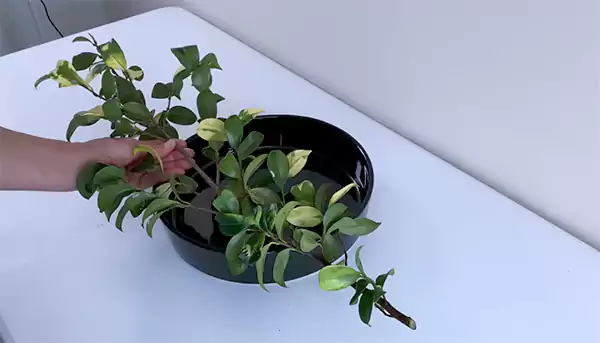
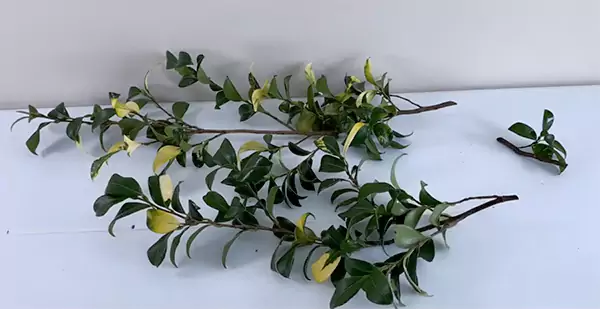
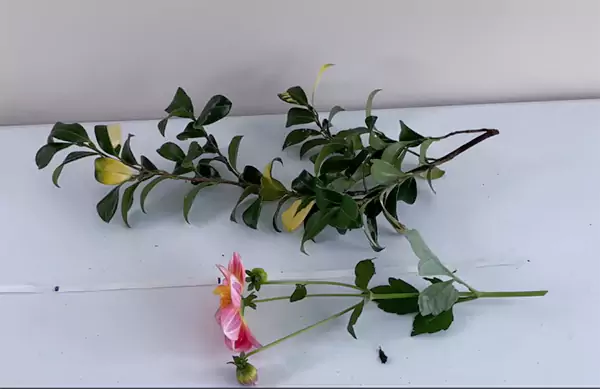
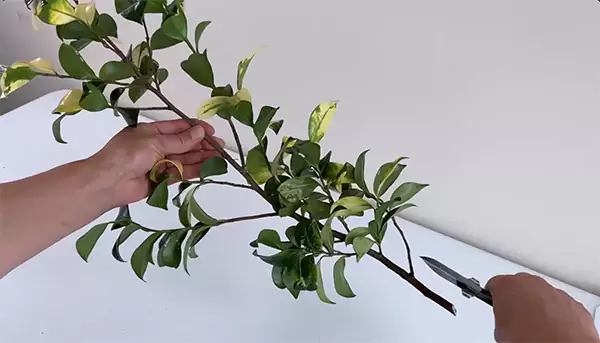
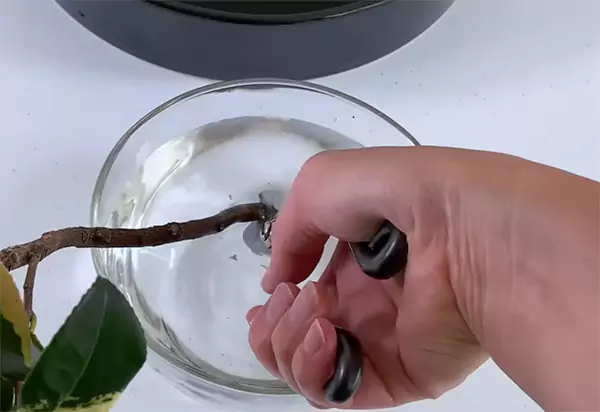
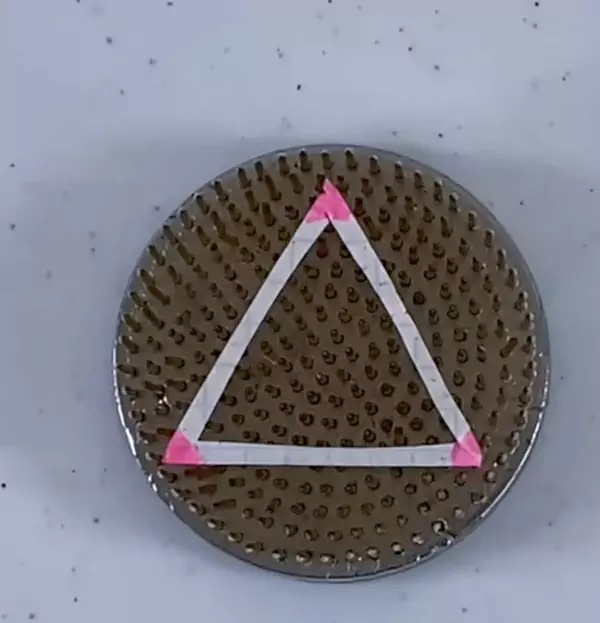
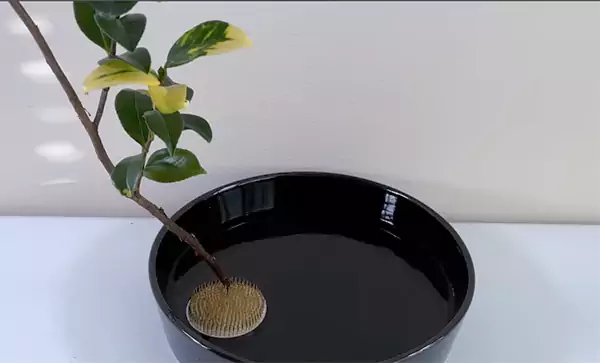
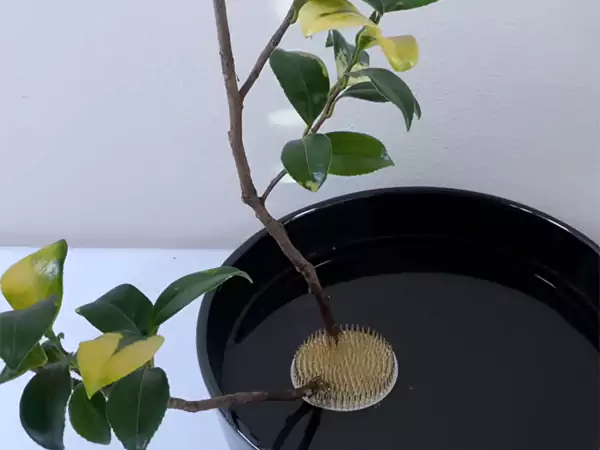
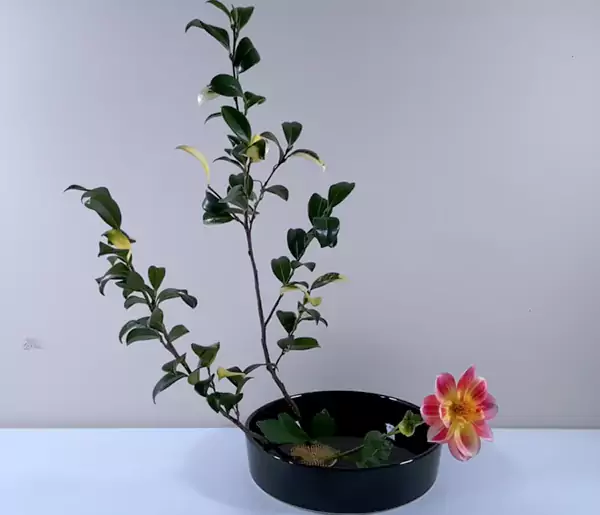
You can add more focal flowers, leaves, and short stems to hide the kenzan. By using very few elements, this centuries-old Ikebana flower arrangement is highly influenced by Buddhist principles and the philosophy of wabi-sabi, which typically means finding beauty in imperfection.
2. Western Flower Arrangement
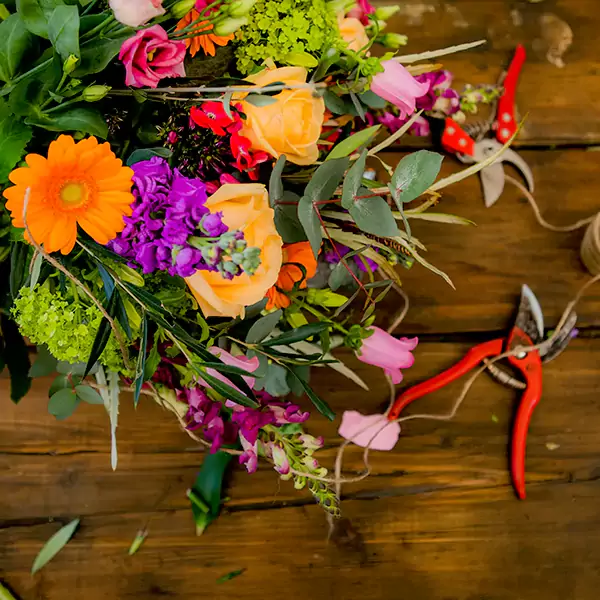
The Western flower arrangement focuses on vibrancy, balanced hues, and symmetrical structures. Roses, lilies, hydrangeas, and gerbera daisies are some common blooms used to curate such floral designs. Its origin can be traced back to ancient Greece and Rome, and this type is typically used for joyous events like weddings, anniversaries, or birthday celebrations.
Unlike the minimalist styles, it focuses on creating visually appealing displays using a variety of flowers, foliage, and decorative elements.
1: Defining Characteristics of the Western Flower Arrangement
- Symmetrical Balance and Proportion: This design mainly focuses on symmetrical, stable, and harmonious placement of blooms. Additionally, the size of the flowers, foliage, and the whole composition should be proportional to the size of the container.
- Focal Point and Color Harmony: The Western flower arrangement emphasizes using a dominant bloom or cluster of flowers that draws attention, making the design serve as a centerpiece. This approach also achieves color harmony when all the elements used in the arrangement complement each other.
- Texture and Form: Western floral art prefers experimenting with the texture and formation of the blooms by combining soft petaled flowers with sturdy secondary green foliage. This feature allows the arrangement to incorporate the randomness of nature.
2: How to Create a Western Flower Design?
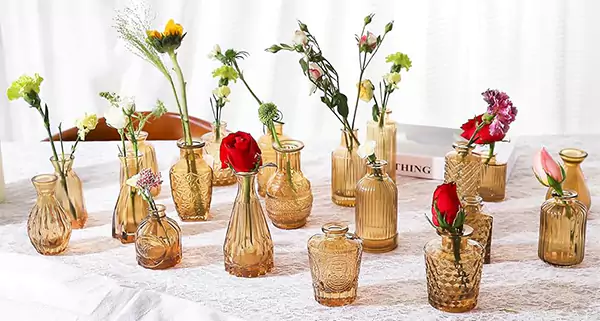
- Select a vase or floral container that matches the size and the style of the arrangement you are planning to curate.

- Make sure that it is clean and sturdy enough to support the flowers.
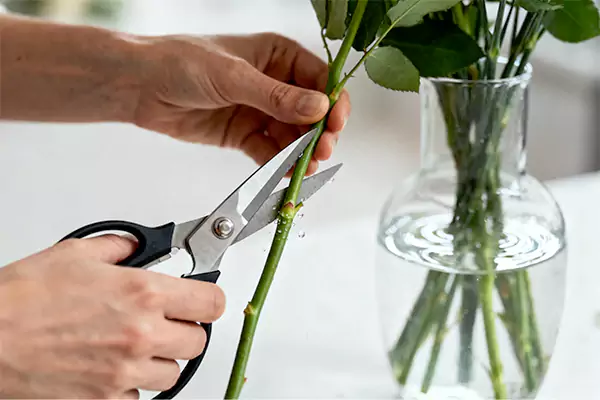
- Prepare the flowers by trimming the stems at a 45-degree angle, removing any leaves that will sit below the waterline, and hydrating the blooms before arranging them.

- Create a greenery base by placing foliage such as eucalyptus or fern around the edges of the vase. This creates a structure and gives the arrangement a natural look.
- Add the focal flowers. Insert the largest or most eye-catching flowers first. Place them in the middle of the vase or the container.
- Fill in with secondary, medium-sized flowers to add depth, color, and volume, and finally insert the filler flowers like baby’s breath, waxflower, or statice to fill gaps and curate the overall look.
- Fill the vase with fresh water, remove any damaged petals or leaves, and keep the arrangement away from direct sunlight and heat.
YourHomify Tip
Use flowers in odd numbers for a more natural appearance and stick to a complementary or monochromatic color palette.
3. Tropical Flower Arrangement
A tropical flower arrangement is a floral design that showcases exotic flowers and lush foliage from the tropical and subtropical regions. It is known for its bold colors, striking shapes, and dramatic appearance.
Unlike traditional flower arrangements that are made using delicate blooms, tropical ones use vibrant and eye-catching species. These are commonly seen in luxury hotels, beach weddings, resorts, or corporate events.
1: Defining Characteristics of the Tropical Flower Arrangement
- Bold and Exotic Flowers: Tropical arrangements feature flowers with unusual shapes, bright colors, and unique textures. Popular choices include bird of paradise, lily of the valley, queen of the night, anthuriums, orchids, and much more.
- Vibrant Color Palette: Bright shades such as red, orange, yellow, and purple dominate tropical designs. These bold colors create a lively and energetic appearance.
- Dramatic Blooms and Tropical Foliage: Such types of flower arrangements emphasize flowers with strong structure and a dramatic look. Each bloom serves as a focal point, and large leaves are just as important as the flora. Foliage such as monstera, palm, banana, and philodendron leaves adds a lush tropical feel.
- Spacious Style: Unlike densely packed Western arrangements, tropical designs often leave space between the flowers, which allows each bloom to stand out and highlight its unique form.
2: How to Create a Tropical Flower Design?
- Choose a sturdy vase or container that can support large flowers and heavy foliage. Tall glass or ceramic planters work wonders for tropical designs.

- Gather tropical flowers and foliage. Some popular flowers are ginger flowers, bird of paradise, anthurium, protea, and orchids. You can pair them with popular foliage such as monstera leaves, palm fronds, philodendron leaves, and much more.

- Trim the stems at a 45-degree angle and remove any leaves that will sit below the water line. Place the flowers in a container filled with clean water to hydrate them.
- Create a green base by placing the largest leaves around the edges and back of the container, and start adding alluring tropical flowers. Position them at different heights to add depth and visual interest.
- Leave space between the flowers. Unlike the dense Western arrangements, tropical designs look best when each flower has its own space to stand out.
- Once all the setting is done, fill the container with fresh water and place the arrangement in a cool location away from direct sunlight and strong winds. Replace the water every 2-3 days to extend the flower’s vase life.
Common Mistakes to Avoid When Creating Flower Arrangements
Whatever style you select- Ikebana, Western, or Tropical- there are a few common mistakes to avoid when making flower arrangements. You need to know how to create the perfect floral design with everlasting blooms, and here are some mistakes that you need to avoid.
- Make sure you do not use wilted flowers and leaves. Use only fresh plants and flowers.
- Always prepare the flowers before arranging them in the container. Remember to cut the stems, remove unwanted leaves, and hydrate them.
- Avoid using the wrong size or type of container when arranging your flowers, and make sure that you space out the blossoms as much as possible.
- When arranging flowers, ensure that you have an equal number of flowers of different sizes. The arrangement should also be proportional to the size of the vase.
- The most wonderful flower arrangement cannot last a day if you do not know how to take care of it. Remember to change the water in the vase every 2-3 days, keep the flowers from withering by cutting the stems at regular intervals, and avoid placing them near fruits that are ripe or areas with direct sunlight.
Conclusion
Learning about different types of flower arrangement is essential to understand the beauty of turning flowers into a work of art. Regardless of whether you want to make an Ikebana, Western, or Tropical arrangement, the key is to understand the basic characteristics of each type and care for your flowers properly.
With patience and regular practice, you will be able to design arrangements that can brighten any room and make any occasion even more memorable.
FAQs
What are the 5 basic types of flower arrangements?
The five basic types of flower arrangements are round, vertical, horizontal, crescent, triangle, and oval-shaped designs.
What is another name for a flower arrangement?
Some other common names for a flower arrangement are floral designs or bouquets. Some also use terms like spray, centerpiece, or posy.
What is the modern style of flower arrangement?
The modern style of flower arrangements follows minimalism, yet creates a bold artistic expression through the choice of flowers. Florists either use bold, striking colors or follow a monochromatic color palette.
What are the 5 basic types of flower arrangements?
Round, vertical, triangular, oval, and fan-shaped designs are the most common yet popular types of flower arrangements. These classical shapes help in balancing the color, scale, and texture of the design.
What flowers are used in a tropical arrangement?
Tropical bouquets feature exotic-looking, heat-tolerant flowers such as bird of paradise, anthuriums, ginger flower, and orchids.
Planting Ranunculus: How to Plant Corms & Grow Flowers
[…] best variety for cut flower arrangements is the Cloni series by the Italian breeders Biancheri Creazioni, along with the Butterfly and […]
A Flower Wall: Meaning, Types, Uses & DIY Guide
[…] flower wall is a vertical flower arrangement on a wooden or metal sheet, which is mostly used as a photography backdrop. These flowers on a wall […]
DIY Wedding Flowers: Budget Friendly Arrangement Guide
[…] wedding centerpieces are flower arrangements in a vase that act as a focal point in the celebration, perfectly complementing the wedding […]