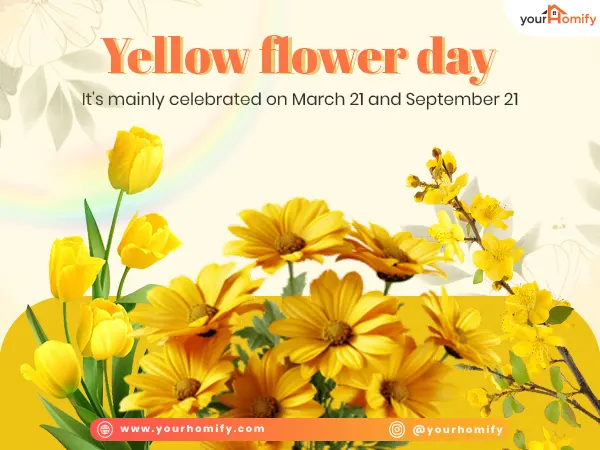
Yellow Flower Day is a cheerful celebration that has recently gained popularity across many social media platforms. The day is mainly celebrated on March 21 and September 21, and both dates are connected to the season change and the meaning of the flowers that bloom around this period.
Across different cultures and countries, yellow flowers are known to symbolize various emotions and are often gifted to express unsaid feelings. In this guide, I have explained everything about Yellow Flower Day, from its history and relevance to cultural significance and gifting ideas.
Quick Answer
National Yellow Flower Day is celebrated on March 21st or September 21st. On this day, a wide variety of yellow blooms are gifted to express different emotions around the world.
What Is Yellow Flower Day and When Is It Celebrated?
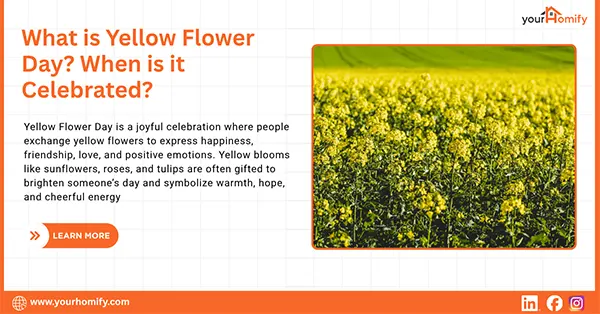
Yellow flower day is a cheerful celebration often associated with happiness, friendship, love, and positivity. Rooted in a social media trend and typically celebrated on March 21, on this day, people gift yellow blooms to friends, partners, family members, or to someone special to express their warmth and appreciation.
Furthermore, many countries and online communities believe that September 21 in the Southern Hemisphere and March 21 in the Northern Hemisphere are often linked with the arrival of spring, a season associated with fresh beginnings and joyful energy.
The Meaning Behind Yellow Flowers
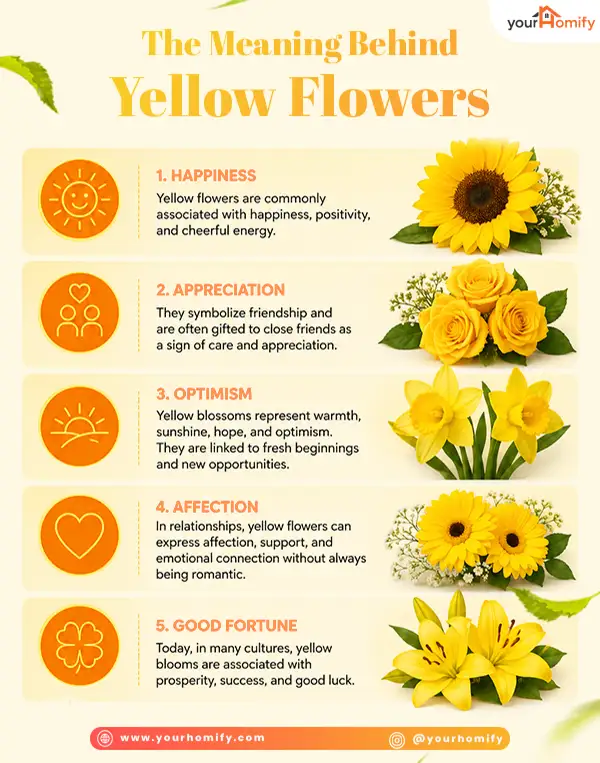
Given below are some unique meanings that are associated with different yellow blooms, which make them all the more special and meaningful.
- Happiness: Yellow flowers are commonly associated with happiness, positivity, and cheerful energy.
- Appreciation: They symbolize friendship and are often gifted to close friends as a sign of care and appreciation.
- Optimism: Yellow blossoms represent warmth, sunshine, hope, and optimism. They are linked to fresh beginnings and new opportunities.
- Affection: In relationships, yellow flowers can express affection, support, and emotional connection without always being romantic.
- Good Fortune: Today, in many cultures, yellow blooms are associated with prosperity, success, and good luck.
Origin, History, and Relevance of Yellow Flower Day
Although Yellow Flower Day is not an official holiday and does not have any specific origin, it has become a meaningful online tradition. It is a modern celebration that gained popularity mainly through social media apps. The trend quickly gained popularity when people started gifting yellow flowers, especially sunflowers and yellow roses, as a symbol of affection and emotional connection.
Furthermore, the idea of celebrating National Yellow Flower Day is believed to have been influenced by Latin America or parts of Mexico. Across different cultures and countries, the bloom is used for various purposes, carrying deep and emotional meanings.
Cultural Significance of Yellow Flowers Across Different Countries
Yellow flowers hold different meanings across cultures, but they are mostly connected with happiness, positivity, and emotional affection. The bright color of the blooms is linked with sunshine, energy, and hope, making them meaningful gifts and popular for special occasions around the world.
- Asian Culture: Yellow is associated with wisdom, prosperity, and good fortune. During spring festivals and celebrations, these blooms are often used for decor, representing renewal and fresh beginnings.
- Far East Countries Like China or Japan: Sunflowers are known to be connected with loyalty, strength, and positivity because they naturally turn towards sunlight. The sunflower theory is also connected to the color yellow.
It is suggested that the shade conveys companionship, and when the sun goes down, sunflowers tend to face each other, representing support and loyalty.
- France: Sending yellow flower bouquets to someone in France traditionally conveys a mix of emotions. In the south of France, the yellow mimosa is often used during festivities, signifying the arrival of spring, while in some other parts, giving yellow roses portrays jealousy and unfaithfulness.
- Latin America: Gifting yellow bouquets in Central and South America conveys a strong message of death. Yellow Flower Day in Mexico, also called Dia de Los Muertos (Day of the Dead), is an event where yellow and orange marigolds are extensively used to honor the dead.
In a few cultures, certain yellow flowers like Zinnia, Daffodils, and Marigolds also symbolize remembrance or farewell, depending on the occasion. Modern social media culture has given these blooms a new meaning by connecting them with different emotions in distinct scenarios.
Popular Yellow Flowers Used for Gifting
Now that we know that yellow flowers are loved for their bright and positive appearance, it is always beneficial to know some popular species that can be used for gifting. Different blooms carry unique meanings, and some are also associated with interesting stories, which makes them even more special.
| Yellow Flower Name | Image | Meaning/Fun Fact |
| Sunflower | 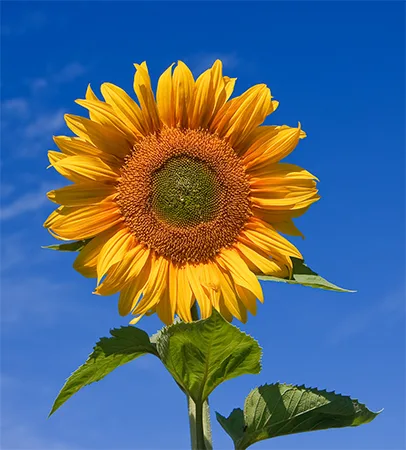 | Symbolizes happiness, loyalty, and positivity. They naturally turn towards sunlight while growing. |
| Yellow Rose | 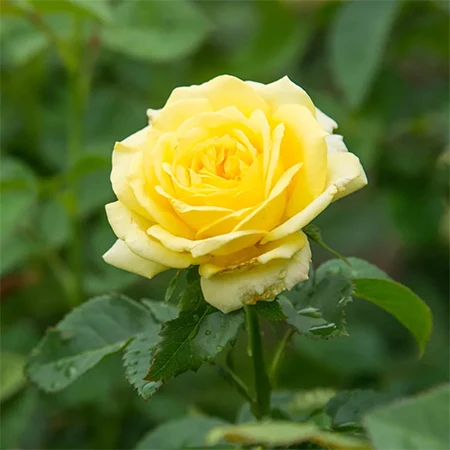 | Represent friendship, joy, and emotional warmth. Often gifted to close friends. |
| Tulip | 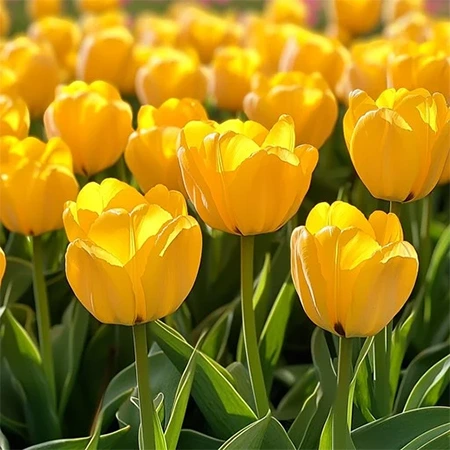 | Tulips are often considered as rivals of roses when it comes to expressing romantic feelings. |
| Daisy | 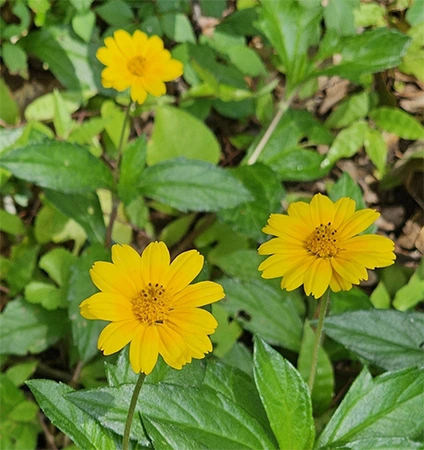 | Almost all shades of Daisy represent cheerfulness. They are also known as Easter flowers and are often gifted to convey healing. |
| Marigold | 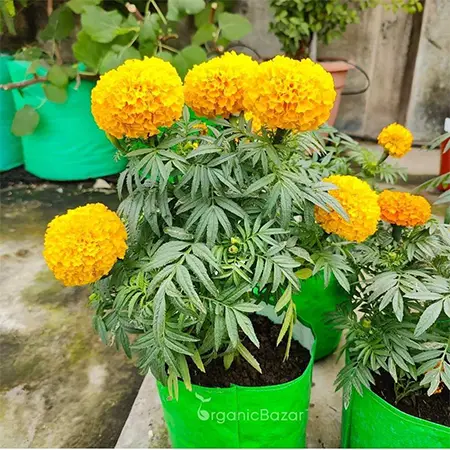 | Marigolds, also known as the October birth flower, are often connected with celebration and are widely used in many religious events as well. |
| Daffodils | 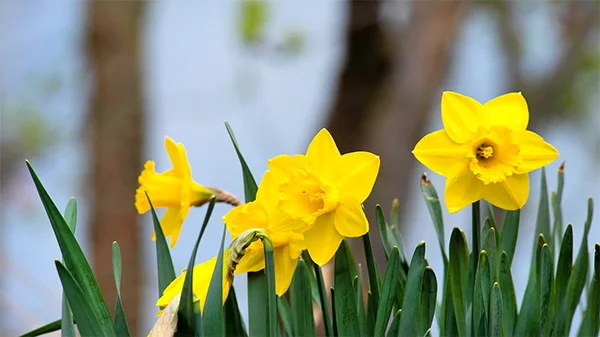 | This March birth flower has been admired for centuries and is usually associated with hope, encouragement, and forgiveness. |
| Chrysanthemum | 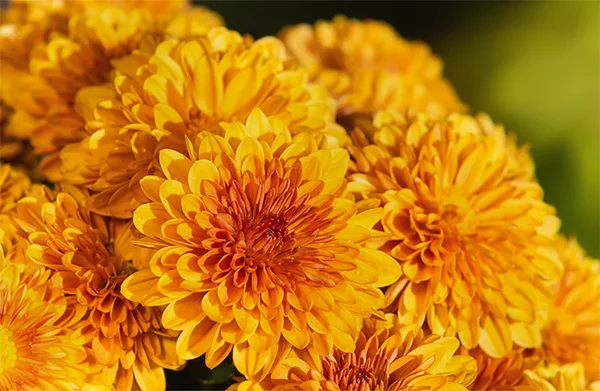 | Also known as mums, this yellow flower conveys happiness and long-lasting bonds in many Asian cultures. |
| Calla Lily | 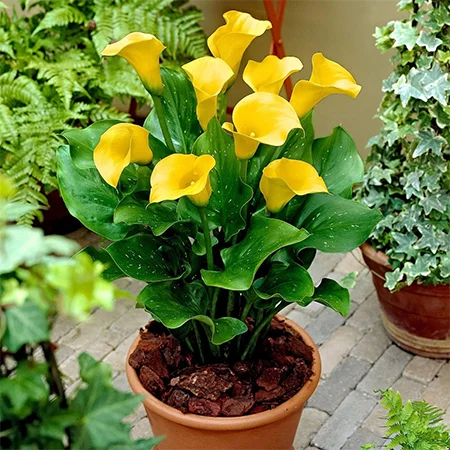 | This exquisite bloom is used to express joy, good luck, and a positive change. Calla lily care is extremely easy and can be a flourishing indoor plant. |
| Orchids | 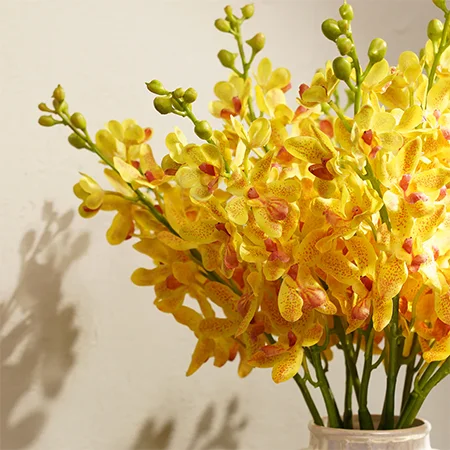 | Orchids are popular summer flowers and are mostly related to luxury, elegance, and are known to symbolize friendship and well-wishes. |
| Hibiscus | 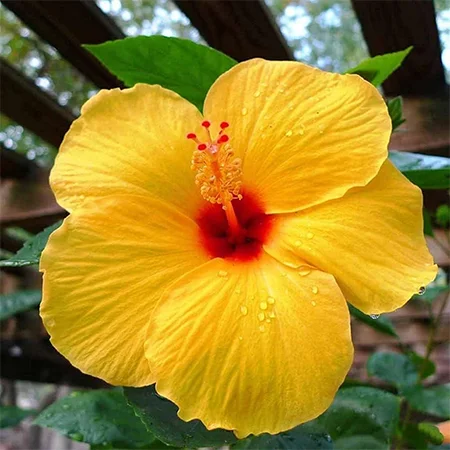 | The yellow Hibiscus, also known as a popular tropical flower, is widely cultivated for its beauty and ability to express positivity and admiration. |
I feel Yellow Flower Day continues to be a trending event because all the blooms instantly create a warm and uplifting atmosphere. Whether used in bouquets, floral arrangements, or home decor, they add color, vibrancy, and emotional meaning to everyday life.
Conclusion
To sum up, one can say that Yellow Flower Day is more than just a social media trend. I personally feel it is a simple yet modern way to spread happiness, appreciation, cheerfulness, and vibrancy through these alluring blooms.
Isn’t it fascinating how this day tends to bring people together through thoughtful gifts, bouquets, and meaningful gestures? From sunflowers to yellow roses, each blossom carries a profound meaning and symbolism.
FAQs
What is Yellow Flower Day?
Yellow Flower Day is a modern celebration where people give yellow flowers to friends, family members, or partners to express happiness, joy, affection, and other heartfelt emotions.
When is Yellow Flower Day?
As per many social media platforms and online communities, Yellow Flower Day is typically celebrated on March 21 or September 21.
What do yellow flowers symbolize?
Yellow flowers usually symbolize joy, warmth, affection, optimism, prosperity, good luck, and friendship. The meaning of the flowers also depends on the species and the cultural background it comes from.
Which flowers are most popular to celebrate Yellow Flower Day?
Sunflowers, yellow roses, tulips, daisies, lilies, and marigolds are some of the most widely used and gifted yellow flowers.
Can I use a yellow flower to say I love you?
Yes, a yellow flower can be used to express romantic emotions. It represents affection and admiration and can be a subtle way to convey your heartfelt messages.
Yellow Flowers on March 21 – Diario AS