Camellias, a genus of the Theaceae family, are evergreen shrubs native to parts of China, Japan, Korea, India, and Indonesia. These beautiful flowers, with shiny green leaves and soft petals, are known for their bold colors and elegant shape, strength, and healing qualities.
Known for their diversity, with some varieties blooming in fall and others in winter or spring, these flowers are used as an herbal plant in paintings, kimonos, and traditional patterns.
This article covers the meaning of the camellia flower, its rich historical background, symbolism in different regions, what different colors mean, and where to use them.
Quick Answer:
Camellia flower meaning usually symbolizes longevity, admiration, and faithfulness. These lush blooms were named after a botanist. Originating in parts of East Asia, they were used in medicinal tea and art forms. Gradual export popularized the flower around the world due to its rich colors and ornamental value for expressing feelings and for gifting purposes, gaining cultural importance.
What is Camellia Flower Meaning?
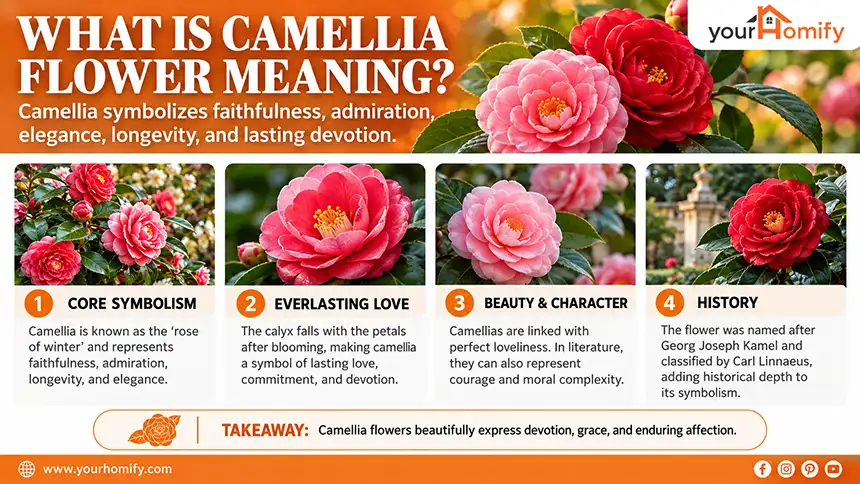
Camellia, also known as the “rose of winter,” symbolizes faithfulness, admiration, longevity, and elegance. Camellia flowers are not just known for their infinite beauty, so let’s find out what does camellia flower mean.
These evergreen shrubs are known for their breathtaking beauty, layered petals, and lush green leaves. According to Temple University, the calyx of the camellia falls with the petals when the flowers have finished blooming, which is representative of everlasting love and commitment.
The camellia flowers are symbolic of devotion and perfect loveliness. In Literature, it is seen as a symbol of courage and moral complexity. The flower was named after Georg Joseph Kamel, a Jesuit missionary and botanist, and was given by the father of modern taxonomy, Carl Linnaeus.
Historical Background of the Camellia Flower
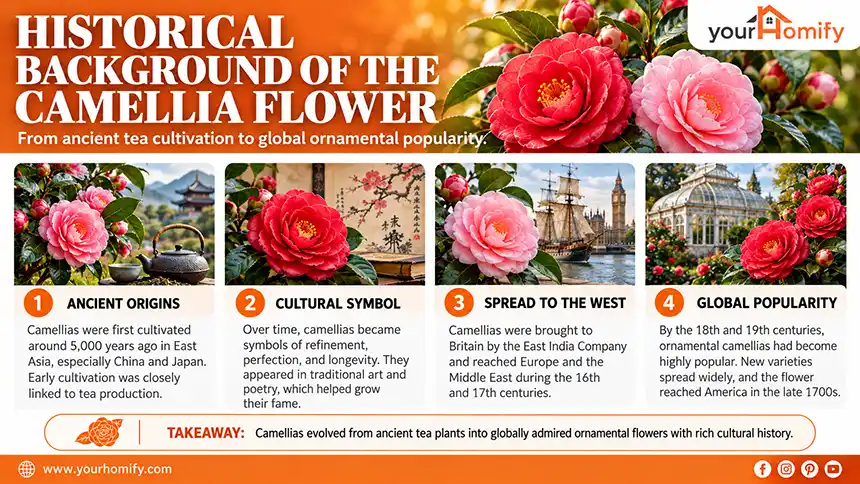
Camellias were first cultivated around 5000 years ago, and the purpose was to produce tea from them. They seem to have originated in East Asia, specifically in China and Japan, and went from being an ancient beverage to a symbol of perfection, refinement, and longevity. Eventually, it could be found in pieces of traditional art and poetry, contributing to its popularity.
These seasonal flowers were brought to Britain by the East India Company and were introduced in other parts of Europe and the Middle East during the 16th and 17th centuries, quickly popularizing during the 18th and 19th centuries. Gradually, this led to more varieties, with the ornamental versions of the flower getting more famous and finally reaching America in the late 1700s.
Symbolism of Camellia Flower in Different Parts of the World
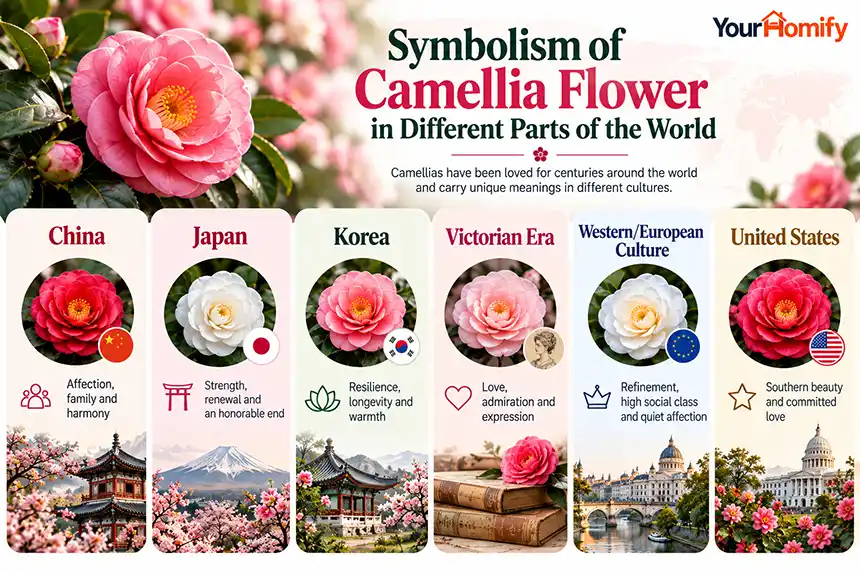
Camellias have been cultivated for centuries in different parts of the world and hold numerous meanings in all of them. In Chinese culture, they are a sign of affection, refinement, and youthful vitality, while the Japanese use them as a literary motif in poetry, painting, gardens, and family crests. The Koreans see it as a sign of a warmer public life, and the West sees it as a literary token, well known for its beauty.
Let us discuss what does camellia flower mean in different parts of the world in further detail.
- China: In China, the camellia flowers are seen as a symbol of young sons and daughters and are associated with the phrase ‘flower of the family.’ They commonly represent a union between lovers or friends.
- Japan: Referred to as ‘Tsubaki,’ meaning the ‘tree with shining leaves,’ these Japanese flowers symbolize the onset of spring and are exchanged to encourage someone to have the strength to face hardships, using this motif in different artistic forms. In their culture, the red genus of this flower is a metaphorical sign for an honorable end, indicative of a noble death and the samurai code, as per mymythos.org.
- Korea: In Korean culture, camellias signal resilience and persistent beauty since they push through the harsh winters to grow. So, these winter flowers are seen as a symbol of faithfulness and longevity, traditionally used in wedding ceremonies to wish for a happy life full of warmth.
- Victorian Era: During the Victorian Floriography era, red camellias were a silent gesture of “you are a flame in my heart,” white camellia flower meaning is used to say “you are adorable,” and pink camellia flower meaning was used to express yearning for someone. Generally, this genus was used to show admiration towards someone’s looks or characteristic traits.
- Western/European Culture: In Western and European cultures, camellias represent refinement, high social class, and quiet affection towards someone. It was also a symbol of formal courtship.
- United States: Camellia has been the Alabama state flower since 1959, and it symbolizes southern beauty. The red blooms also communicate fierce and committed love, perfect for occasions such as Valentine’s Day.
Different Colors of Camellia Flowers and Their Meaning
Camellia flowers are available in many different colors, each one having its own unique significance. The red camellia flower meaning is used to express romantic love, desire, and heartfelt passion, while pink and yellow are used when you miss a friend or feel unrequited longing. The white camellia flower signifies purity, innocence, and mourning, and the purple ones symbolize forgiveness and transformation.
Let’s understand what each camellia flower color means in detail.
1. Red Camellia
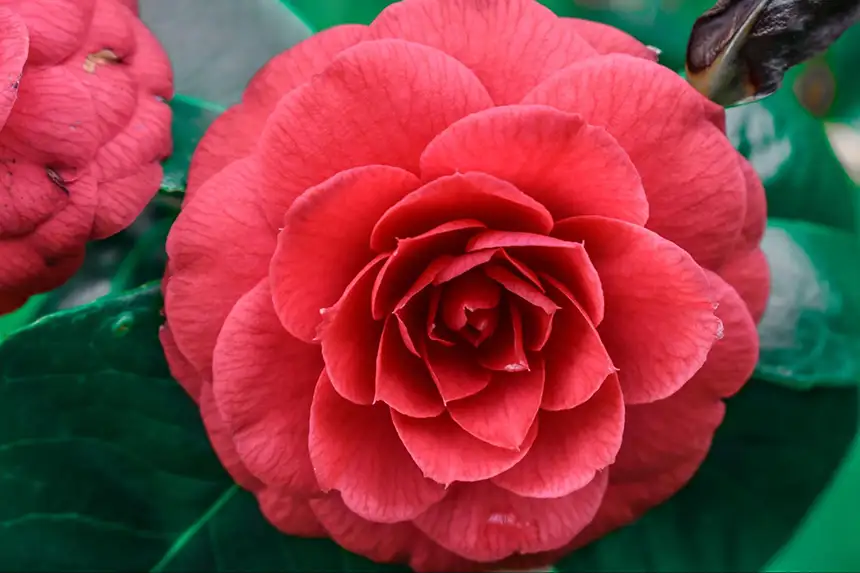
Camellias are known for falling whole instead of piece by piece, so they are naturally a symbol of love. In Chinese traditions, the red camellia flower meaning highlights the relationship between a beloved and their protector, who are inseparable. Similarly, in Western traditions, they symbolize romance.
2. Pink Camellia
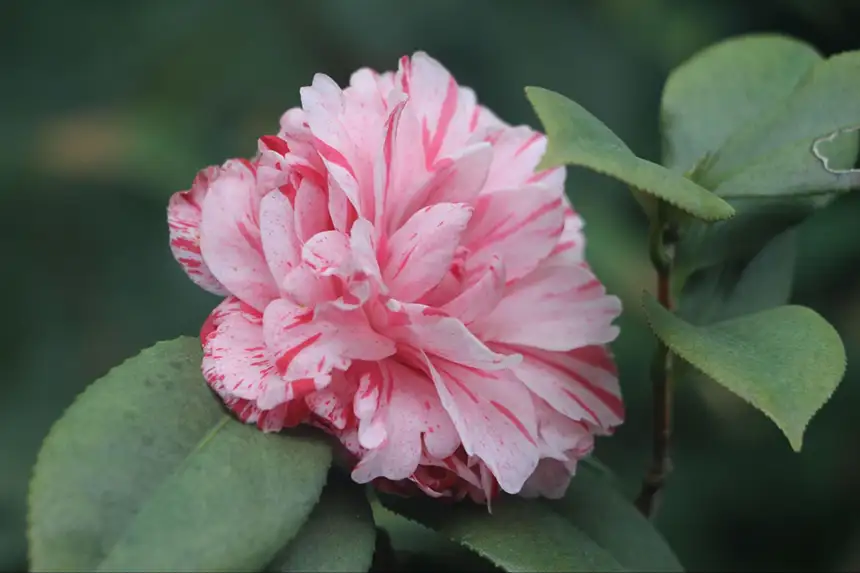
The pink camellia flower meaning indicates yearning for someone, thoughts in your head, and a feeling of missing them. This color isn’t particularly meant to express longing for a significant other; it could be for a close friend, a parent, or a sibling. It is an appropriate choice to extend a warm and personal sign of respect towards people, even a mentor.
3. Yellow Camellia
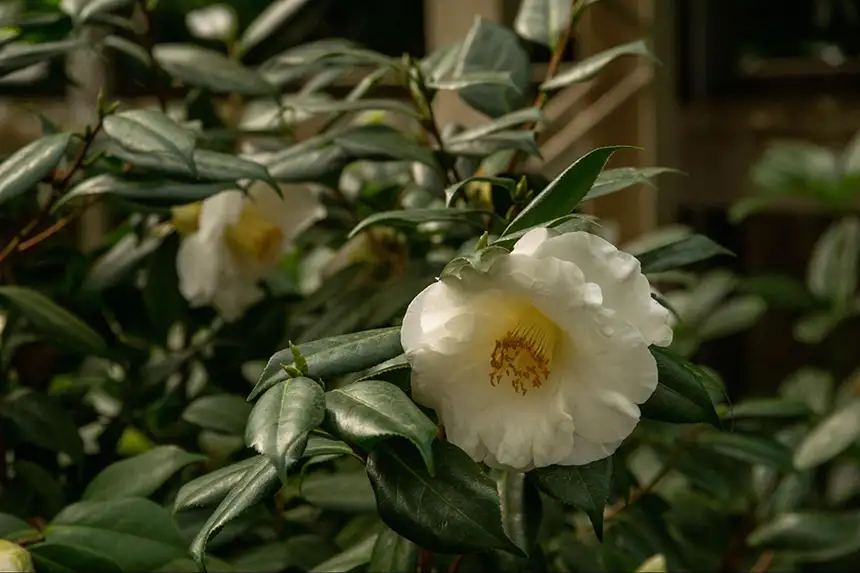
Yellow camellias are associated with unrequited love. Since it’s a rare flower, it can be seen as a valuable gift to convey happiness and as a congratulatory gift as well. In a number of cultures, camellias are said to attract abundance and joy, making them a good choice for housewarmings or new ventures.
4. White Camellia
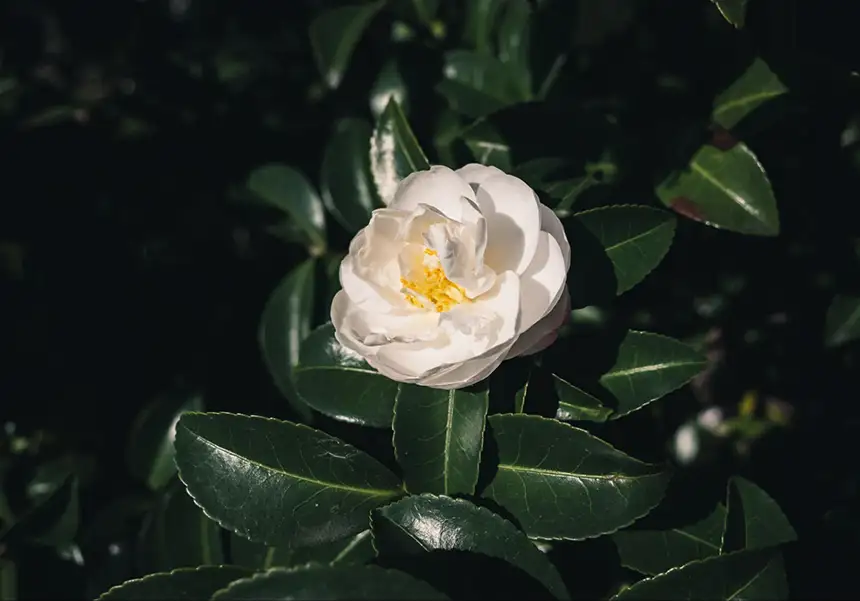
White flowers of this variety embody purity, innocence, and mourning. They are used in remembrance and wedding ceremonies alike. They are a sign of respect to the elderly or to honor the end of their life. White camellia flower meaning lies in spiritual reverence, but at the same time, it was used by Coco Chanel as a symbol of elegance.
5. Purple Camellia
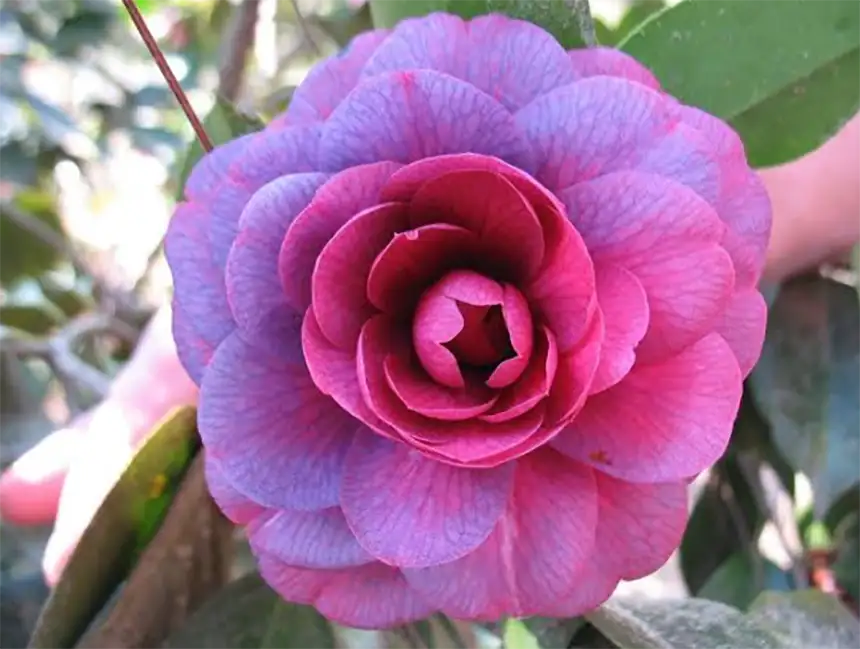
Purple flowers of this genus are associated with forgiveness and transformation, since the color purple is known for relieving tension and anger. They symbolize the balance of power and love, including other meanings like charm and charisma.
Different Varieties of Camellia Flowers
Camellia flowers are famous for their astounding beauty and botanical characteristics. However, their ornamental varieties can be used to decorate houses since they produce lots of colorful blooms. Let’s find out about interesting species of this flower that will light up your home and add a touch of personality to your garden.
| Variety Name and Image | Description |
April Dawn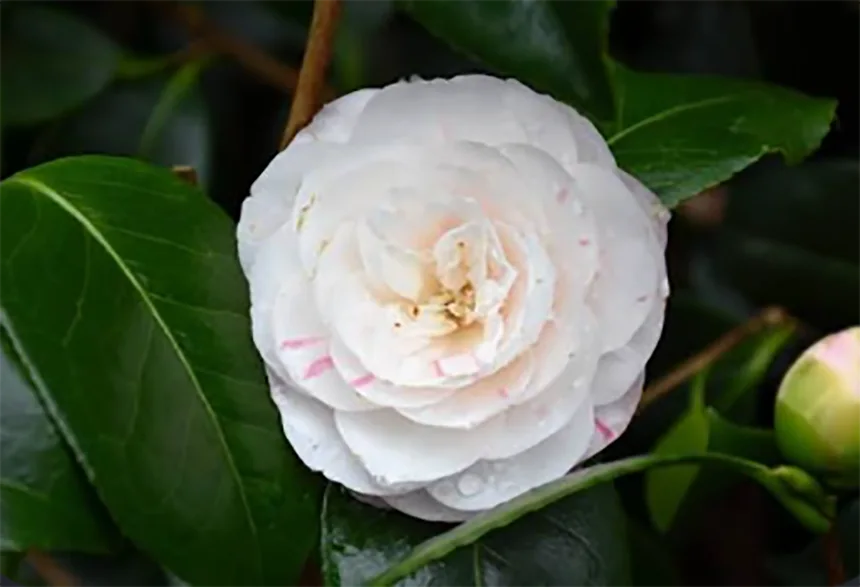 |
|
Australis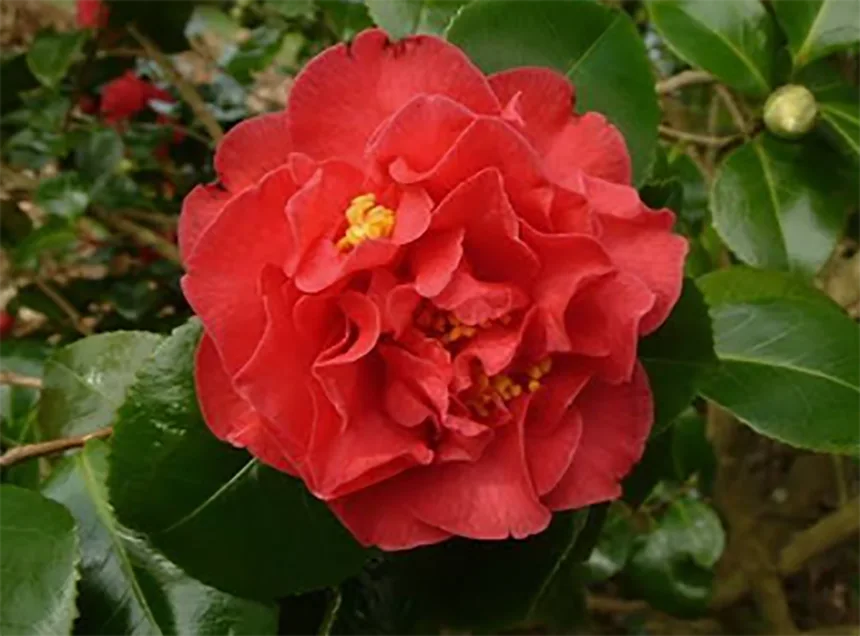 |
|
Ballet in Pink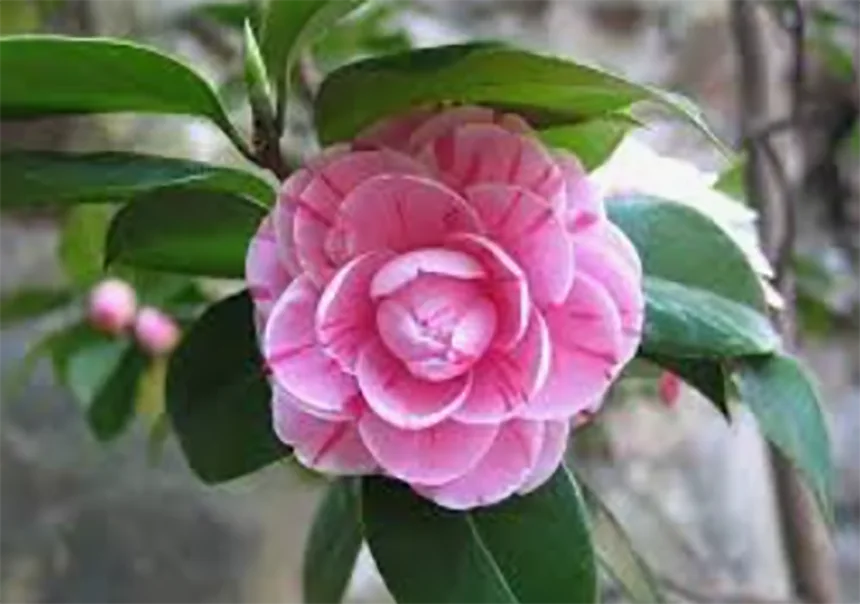 |
|
Black Lace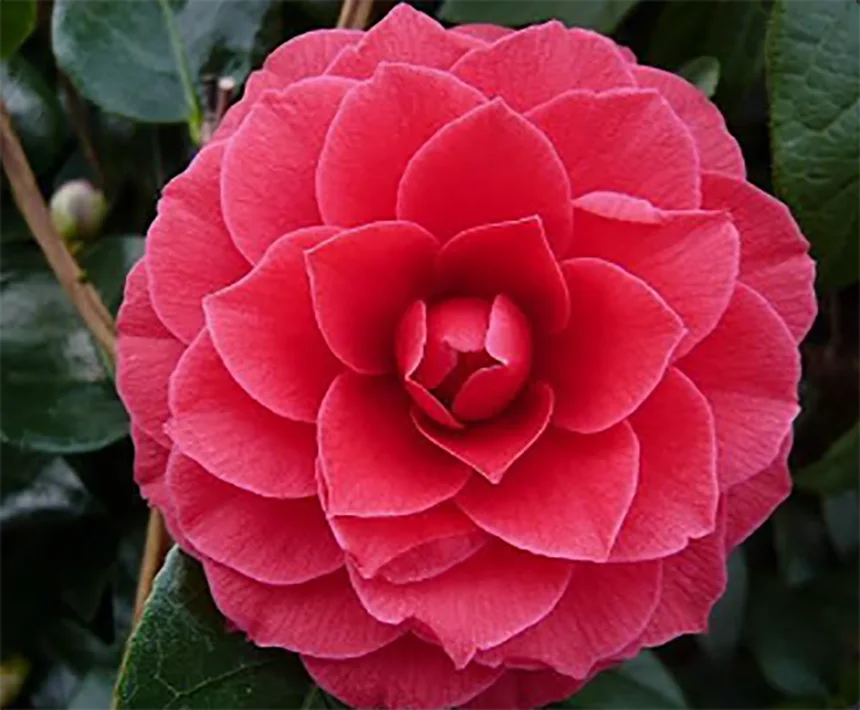 |
|
Black Magic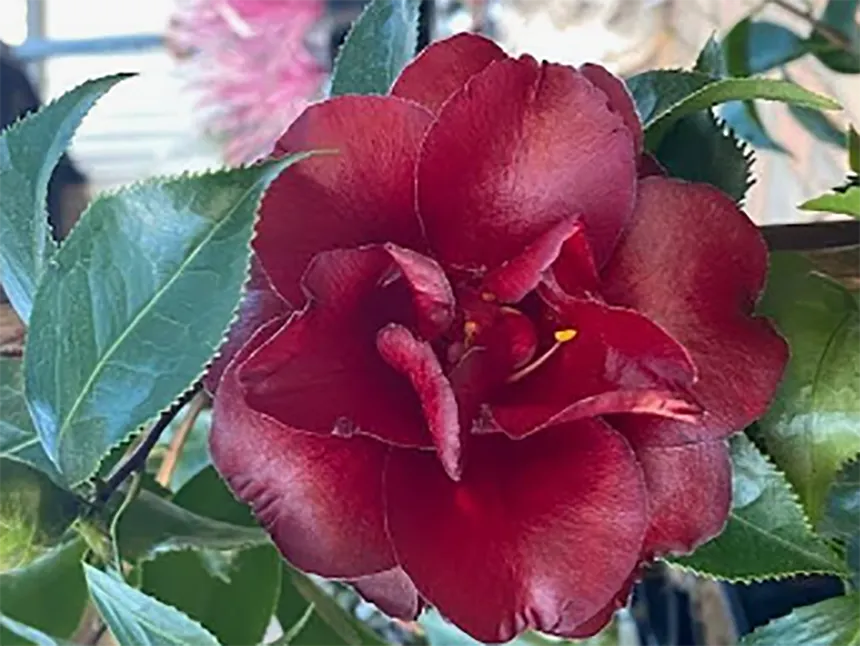 |
|
When to Gift Camellia Flowers?
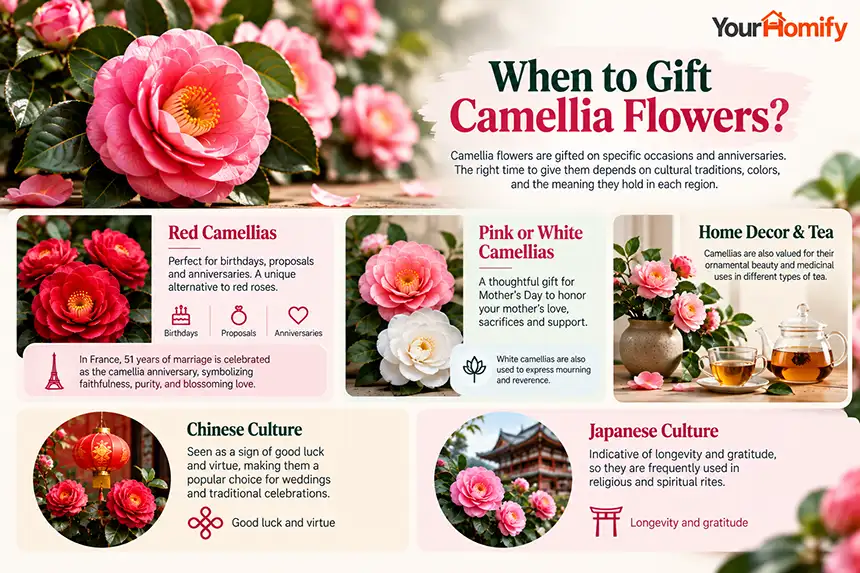
Camellia flowers are gifted on specific occasions and anniversaries. When to give these flowers primarily depends on cultural traditions, colors, and what meaning they hold in each region.
- Red camellias can be gifted on birthdays, proposals, and anniversaries as a unique alternative to red roses. In France, 51 years of marriage is celebrated as the camellia anniversary. It symbolizes faithfulness, purity, and blossoming love.
- Pink or white camellias can also be gifted on Mother’s Day to honor your mother for her sacrifices, love, and support. Most commonly, white camellias are used to express mourning and reverence.
- Camellias are usually used for their ornamental value in home decor and medicinal uses in different types of tea.
- In Chinese culture, they are seen as a sign of good luck and virtue, making them a good choice for weddings and traditional celebrations.
- In Japanese culture, camellias are indicative of longevity and gratitude, so they are frequently used in religious and spiritual rites.
Final Thoughts
Camellia flowers are delicate blooms that highlight values, strength, and endurance. They are native to East Asia, blooming from late winter into spring, representing union, honor, and holding significant ornamental value in their origin countries. Having a lot of varieties, these blooms are fit for gifting during any occasion.
Camellia flowers have a rich history and cultural meanings associated with them, making them a popular choice of name among young parents in the United States and even becoming the state flower.
FAQs
What do camellia flowers stand for?
Camellia flowers symbolize love, affection, admiration, and resilience. This is because these flowers bloom in the winter season when most plants are dormant.
What makes camellias unique?
Camellia flowers drop whole from the stem; the petals and calyx of the flower fall together as a single unit rather than shedding individually, which is unlike any other flower.
What does camellia mean in Japanese?
Historically, samurai admired the flower for bravery, dignity, and a noble death. Due to their blooming season, they are also considered a symbol of strength and the ability to endure difficult times.
What is the rarest camellia color?
Deep pink/red camellias, famously known as Middlemist Red, are considered to be the rarest camellia colors in the world. Not only the rarest camellia shade, but it is also one of the rarest flowers on earth, with only 2 known living specimens left.
What is the alternative name for camellias?
Camellia japonica is also known as the Japanese camellia, ‘tsubaki’ in Japanese culture, or ‘rose of winter’ due to their cold-season bloom. Camellia sasanqua is often called sasanqua camellia or Christman/Yuletide camellia, and Camellia sinensis is commonly referred to as the tea plant.