The assessment of smart home renovation is not solely based on an attractive appearance on completion day. Furthermore, progressive homeowners are more concerned with the investments in structures and systems that create a financial advantage against rising utility bills.
Thanks to modern, efficient systems, innovative materials, and Smart Solar Energy, every dollar utilized on a renovation will continue to work for many years to bring down the total operating expenses of the house.
Let’s see how better home upgrades lead to greater cost savings for homeowners and why renovations must focus on providing lasting value.
Key Takeaways
- Many homeowners focus on visible design features while overlooking the systems that quietly influence monthly expenses
- Heating and cooling equipment represents one of the largest sources of household energy use. Upgrading older systems to newer, high-efficiency models can significantly reduce monthly operating costs
- Routine maintenance further protects this investment, ensuring the system continues operating efficiently for many years
- Rather than evaluating projects entirely by installation cost, homeowners should consider lifetime expenses, maintenance requirements, and potential energy savings
Energy Efficiency Starts With Smart Planning
Successful renovations start with careful planning instead of choosing attractive finishes alone. Every improvement must contribute to lower operating expenses, better durability, or improved performance to maximize ROI.
Many homeowners focus on visible design features while overlooking the systems that quietly influence monthly expenses. Improving insulation, sealing air leaks, and upgrading outdated equipment often produces greater financial savings than cosmetic changes alone.
Better Insulation Creates Long-Term Savings
A well-insulated home requires less energy to maintain comfortable indoor temperatures throughout the year. Proper insulation reduces heat transfer, helping heating and cooling systems operate more efficiently without working harder than necessary.
Modern insulation materials also improve indoor comfort by minimizing drafts and reducing temperature fluctuations between rooms. Over time, such advantages help reduce utility bills while placing lower strain on household equipment, extending the lifespan of expensive systems.
High-Performance Windows Improve Efficiency
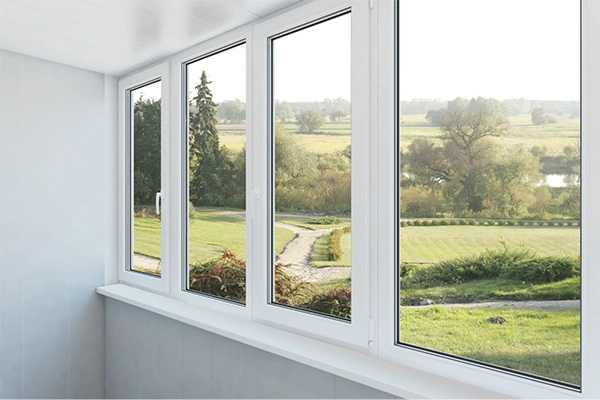
Replacing older windows with energy-efficient alternatives is another upgrade that continues providing value well beyond installation day. Modern windows are designed to reduce unwanted heat gain during warmer months while retaining warmth when temperatures drop.
Enhanced window technology also minimizes outside noise and decreases condensation, thus creating a more comfortable living environment.
Although replacement windows require an upfront investment, their contribution to lower energy consumption makes them a worthwhile addition for many homeowners.
Efficient Heating and Cooling Systems Matter
Heating and cooling equipment represents one of the largest sources of household energy use. Upgrading older systems to newer, high-efficiency models can significantly reduce monthly operating costs while improving indoor comfort.
Modern systems use advanced technology to regulate temperatures more accurately and consume less energy than outdated equipment. Routine maintenance further protects this investment, ensuring the system continues operating efficiently for many years.
Did You Know?
The Earth receives more energy from the sun in one hour than the whole world uses in a year.
Renewable Energy Adds Lasting Financial Benefits
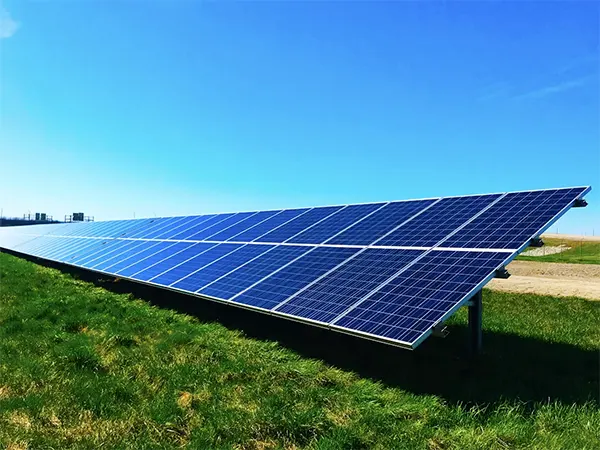
Renewable energy has transitioned into becoming one of the most impactful home improvements for homeowners seeking long-term savings. Integrating solar panels enables households to generate a portion of their own electricity, thereby reducing dependence on traditional energy sources and decreasing monthly utility expenses.
Combining renewable energy with other efficiency improvements creates even greater financial benefits. When insulation, efficient appliances, and solar power work together, homeowners often experience noticeable reductions in overall energy consumption while increasing the long-term value of their property.
Water-Saving Features Reduce Everyday Expenses
Energy costs are not the only recurring household expense that thoughtful renovations can address. Water-efficient fixtures, low-flow showerheads, and modern toilets help reduce water consumption without sacrificing everyday convenience.
Replacing aging plumbing fixtures may also lower maintenance costs by reducing the likelihood of leaks and water damage. These practical upgrades continue producing savings month after month while supporting responsible resource management.
Durable Materials Lower Maintenance Costs
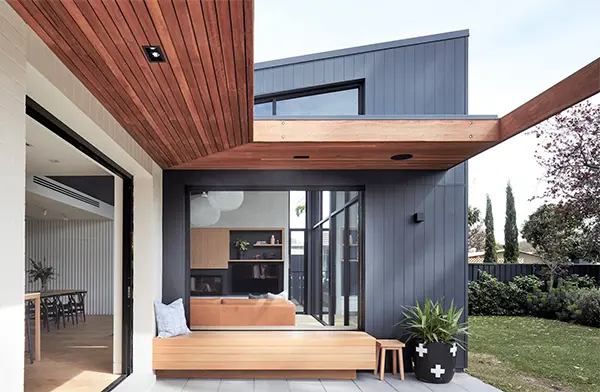
Choosing durable materials during a renovation often prevents expensive repairs and replacements in the future. High-quality flooring, roofing materials, siding, and exterior finishes typically require less maintenance while standing up better to everyday wear.
Although premium selections sometimes cost more upfront, their longevity often offsets the higher purchase price. Homeowners benefit from fewer repair bills, reduced requirements for care, and improved property appearance for many years after the renovation is finished.
Renovations Should Focus on Lifetime Value
The most successful home improvements are the ones that continue producing great benefits long after construction processes complete. Rather than evaluating projects entirely by installation cost, homeowners should consider lifetime expenses, maintenance requirements, and potential energy savings.
Viewing renovations as long-term investments encourages smarter decision-making and stronger financial outcomes. Upgrades that improve efficiency, durability, and sustainability provide ongoing returns that extend well beyond the excitement of renovation day.
FAQs
Why is insulation more important than cosmetic improvement when renovating your home?
Insulation lessens heat transfer, which helps reduce monthly utility bills as well as protect your heating and cooling systems against premature failure, not to mention the benefits that cannot be brought by cosmetic improvements.
How does the use of modern solar energy contribute to the increase in property value?
The installation of a solar panel set decreases the dependence on the traditional energy grid and lowers electricity costs; all of this makes the property more attractive to prospective buyers and increases the property value.
Why are high-performance windows worth the high cost?
The state-of-the-art windows with multiple window panes help decrease summer heat gain and keep the heat inside the house during winter, thus contributing to the decrease of seasonal heating and cooling needs.
Does the use of water-saving fixtures really reduce house maintenance costs?
Yes, it does. Besides a lower monthly utility bill, replacing the old plumbing devices with modern low-flow alternatives will minimize the chance of reckless pipe bursting that can cause serious damage to your home.