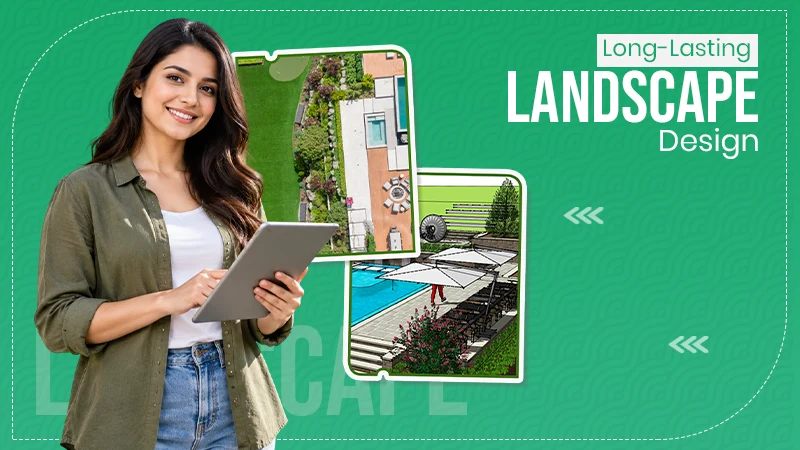
Do you know that building an attractive outdoor space is much more than just choosing beautiful plants and layering a patio? While most of the homeowners end here, it actually goes a long way. The size, elements, and other aspects each play a crucial role in defining which professional is required for the specific task.
While both the landscape architect and the landscape designer work towards the same purpose, their processes and approaches have huge differences between them. To make a better decision, knowing the difference is essential.
This post shares the difference between landscape architecture and landscape design.
Key Takeaways
A landscape architect is made to deal with the complex parts of the projects, such as engineering and ensuring regulatory demands.
Regular landscape designers put their main focus on looks, planting plans and improving the overall functionality.
In many of the larger projects, collaboration of both the landscape architects and landscape designers is required to meet the complex needs.
What Is Landscape Architecture?
Landscape architecture is a licensed professional domain that mixes design, environmental planning, engineering regulations, and land-use analysis. Landscape architects plan outdoor environments while believing how people, structures, water, vegetation, and infrastructure connect.
Their work may include residential societies, public parks, commercial developments, transportation corridors, campuses, streetscapes, and large private belongings. They often unite with civil engineers, architects, environmental experts, surveyors, and government agencies.
Professional landscape architecture services may manage both the visual character of a site and the technical systems needed to make the design safe, practical, and bearable.
Common Responsibilities of a Landscape Architect
The landscape architect is here to manage complex roles and management. At its core, they may be responsible for:
- Preparing site plans and master plans
- Exploring land conditions and environmental constraints
- Planning grading, drainage, and stormwater components
- Designing plazas, trails, parks, and public spaces
- Blending pedestrian and vehicle circulation
- Selecting right materials and plant systems
- Supporting zoning, permitting, and regulatory clearances
- Designing accessible outdoor spaces
- Protecting natural resources and existing site features
- Blending with engineers, architects, and contractors
Because landscape architects work on complex sites, they must weigh factors such as soil conditions, water movement, accessibility norms, public safety, land-use regulations, and long-term maintenance.
Above this, explore simple habits to turn gardening into a simple process.
What Is Landscape Design?
Landscape design focuses mainly on the appearance, arrangement, and utility of outdoor spaces. Landscape designers often work on residential gardens, patios, courtyards, planting areas, pool surroundings, and smaller commercial properties.
Their role is generally less technical than that of a landscape architect. A designer may form planting plans, recommend materials, structure outdoor features, and develop a visual concept that shows the property owner’s choices.
Landscape designers can have vast practical experience and strong knowledge of plants, materials, and garden styles. However, licensing needs vary, and the title “landscape designer” is not regulated in the same way as “landscape architect” in many places.
Common Responsibilities of a Landscape Designer
A landscape designer may help with:
- Plant and tree choice
- Garden layouts
- Patio and walkway concepts
- Outdoor lighting ideas
- Decorative water aspects
- Privacy screening
- Outdoor living areas
- Color, texture, and seasonal interest
- Irrigation suggestions
- General material selection
For a normal backyard renovation or garden improvement, a landscape designer may provide all the guidance needed to create a functional and appealing result.
Moreover, navigate the logistics of a seamless home and garden relocation.
The Main Differences Between Landscape Architecture and Landscape Design
The most important differences involve education, licensing, project scale, and technical duties. Let’s explore them in detail:
Education and Professional Licensing
Landscape architects usually get an accredited university degree in landscape architecture. They may also need managed professional experience and must pass licensing examinations before using the title legally.
Landscape designers may get knowledge about horticulture, garden design, landscape design, or a related subject. Some complete formal degree or certificate programs, while others build their mastery through practical experience.
This difference does not mean that one profession is by default more creative than the other. It means landscape architects are formally certified to manage specific technical, legal, and public-safety duties.
Project Size and Complexity
Landscape architects commonly work on large or technically needy projects. These may have major grading changes, drainage systems, public access, multiple structures, environmental issues, or regulatory approvals.
Landscape designers typically work on minor sites where the main goals involve looks, planting, comfort, and everyday use.
For example, a homeowner who wants to redesign a garden and add a seating area may look for a landscape designer. A developer planning a multi-purpose community with roads, open spaces, drainage systems, and pedestrian connections would simply need a landscape architect.
Technical Planning
Landscape architecture goes beyond visual design. A landscape architect may test for slopes, stormwater flow, soil stability, circulation patterns, accessibility, and the bond between buildings and the surrounding land.
Landscape designers may check for practical issues, but they do not usually look for technical plans that require professional licensing. When engineering calculations or managed construction documents are necessary, extra experts may need to join the project.
Collaboration With Other Professionals
Landscape architects often work as part of multidisciplinary teams. Their plans must support utilities, roads, buildings, drainage setup, environmental demands, and construction documents.
On complex development projects, property owners may also need to find a trusted civil engineering company in Atlanta or another local market to mix grading, utilities, transportation access, stormwater management, and permitting needs.
Landscape designers often merge directly with homeowners, gardeners, nurseries, irrigation professionals, and landscape contractors. Their process can be more personal and designed on the property owner’s desired style.
When Should You Hire a Landscape Architect?
A landscape architect is usually the better choice when the project involves major technical, legal, environmental, or public-use demands.
You may need a landscape architect when:
- The property has steep slopes or drainage issues
- The project requires allowance or formal approvals
- Major grading or land alteration is planned
- The site includes environmentally sensitive areas
- Public accessibility standards apply
- The development includes roads, plazas, parks, or shared spaces
- Multiple buildings or land uses must be aligned
- Stormwater systems are part of the design
- The project affects traffic or pedestrian circulation
- Long-term land planning is needed
Hiring a landscape architect early can help look for site limitations before construction begins. This can reduce redesigns and improve bond between the design and engineering teams.
When Should You Hire a Landscape Designer?
A landscape designer may be the best professional when the project is smaller, mainly aesthetic, and does not require chaotic technical documents.
Consider hiring a landscape designer when you want to:
- Refresh and present a garden
- Improve curb looks
- Select suitable plants
- Create an outdoor dining space
- Add privacy around a patio or pool
- Redesign planting beds
- Develop a low-maintenance landscape
- Uplift seasonal color and visual variety
- Plan decorative paths or garden aspects
- Make better use of a residential yard
A skilled designer can bring structure to your ideas and help you avoid common mistakes, such as choosing plants that are unsuitable for the climate or placing features in awkward locations.
Can Landscape Architects and Landscape Designers Work Together?
Yes. Many projects benefit from both types of mastery.
A landscape architect may set up the overall site plan, grading plans, circulation system, and drainage approach. A landscape designer can then improve the planting details, decorative elements, and garden looks.
This merging is especially useful when a project includes both technical land-development needs and highly pointed residential or hospitality landscapes. Clear roles help each professional serve where their experience is most needed.
How to Choose the Right Professional
Before hiring anyone, set up the project’s scope and look for its most challenging aspects. Ask whether the work involves permissions, drainage, major construction, accessibility, environmental restrictions, or major changes to the land.
Review each professional’s portfolio and look for projects similar to yours. You should also ask about:
- Education and professional documents
- Licensing, when applicable
- Experience with local regulations
- Design process and deliverables
- Coordination with contractors and engineers
- Estimated fees and project schedule
- Construction support and site visits
The lowest fee should not be the only setting factor. The right professional can help protect the budget by finding problems early and creating plans that contractors can follow precisely.
Also, explore effective ways to plan a patio that looks good and lasts.
Final Thoughts
At the end of the day, both landscape architecture and landscape design play a major role in creating better outdoor spaces, but they cannot be put in place of each other. Selecting the right one takes various aspects to be evaluated, such as project complexity and long-term goals.
While finding the appropriate one can be made simpler by identifying the needs and the goals one wants to achieve, it is always suggested to look for a reliable and certified expert rather than hiring an unprofessional one.
FAQs
What is a major difference between a landscape architect and a landscape designer?
A landscape architect is mainly responsible for handling complex planning and regulatory aspects, while a landscape designer is mainly responsible for better looks and functionality.
Do I require a landscape architect for a residential backyard?
Not necessarily. Most of the garden renovations and projects can be managed with a landscape designer. For complex tasks, a landscape architect is required.
Is it possible for both to work on the same project?
Yes, in most of the large projects, both of them are required to result in a more functional and properly designed outdoor space.