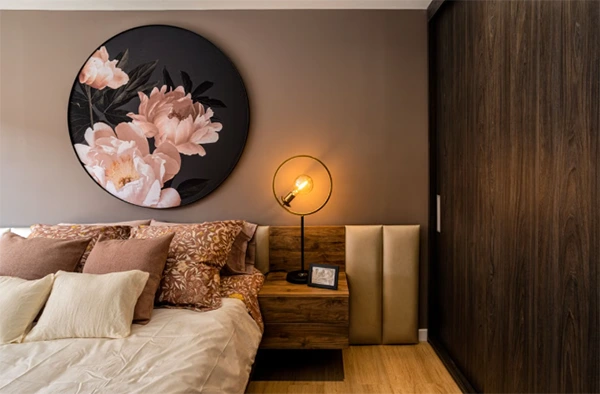
In today’s fast-paced world, there simply isn’t enough time to slow down and take it easy. It becomes necessary, therefore, for your own home to serve as a place that helps you feel comfortable and healthy. Be it in terms of sleep quality, air purity, or sunlight exposure – your living space is an integral factor in your overall well-being.
The best part about making your home a place where you feel well is the fact that it is not necessarily something you have to spend money on or do a major renovation of your place. There are many ways to achieve it through smaller changes and improvements.
Build a Bedroom That Supports Rest
Sleeping comfortably is essential to recovering from hectic days and feeling rejuvenated. Begin by making sure the bedroom is kept cool, calm, and uncluttered. Low lights at night will signal your body that it is time to go to bed, while blackout curtains will block any disruptive outside lights.
Choose bedding made from breathable materials that feel comfortable throughout the year. Your mattress also plays a major role in sleep quality because it supports your body every night. Instead of buying one based only on online reviews, visiting a mattress store in West Hollywood gives you the opportunity to try different comfort levels and receive personalized guidance based on your sleep position, body type, and comfort preferences.
Give Your Home Cleaner, Fresher Air
Indoor air affects your comfort from the moment you wake up until you go to bed. Dust, pet hair, cooking odors, and outdoor pollution can all build up inside a home, especially when windows stay closed most of the day. Start by replacing your HVAC filter on schedule and cleaning vents regularly so air can circulate properly.
Always open your windows as much as possible and as long as you can. Buy such paints, floor materials, or furniture as those that are labeled as having low levels of volatile organic compounds, or VOCs. An air purifier with a HEPA filter may be useful for you if you are allergic.
Let Natural Light Work for You
The amount of daylight in your home influences how welcoming and comfortable each room feels. Begin by identifying anything that blocks sunlight from reaching your living areas. Heavy curtains, oversized furniture, or crowded windows can reduce natural brightness. Replace thick window coverings with lighter fabrics that still provide privacy while allowing daylight inside. Position desks, reading chairs, or dining tables near windows so you naturally spend more time in well-lit spaces. If a room receives limited sunlight, use mirrors to reflect available light and choose warm white bulbs that create a comfortable atmosphere without feeling harsh. These simple adjustments can improve the overall feel of your home while making daily activities easier and more enjoyable.
Design Rooms That Encourage More Movement
Most individuals sit for hours when they work, watch TV, or play on their phones. There are ways your house could make you move more without setting up an actual gym in your house. You need to ensure you have ample room to walk between spaces as opposed to moving around through tight spaces.
If you work from home, consider a height-adjustable desk or create a spot where you can stand while answering emails or taking calls. Keep simple exercise equipment like resistance bands or light weights within easy reach instead of hiding them in a closet. Even placing a comfortable chair near a window can encourage stretching, reading, or taking short breaks that help you stay active during a busy day.
Organize Your Kitchen for Healthy Choices
A well-planned kitchen will make it easier for you to develop healthy habits. First, keep the fresh produce visible so that you can pick it up easily when you are in a rush. Put fruits in a basket on your counter and keep pre-cut vegetables within easy view in your refrigerator. This will make it more convenient for you to make healthier choices. Free up some counter space to cook your meals.
Store frequently used cooking tools within easy reach so preparing meals feels less like a chore. Good lighting above work surfaces also improves safety while chopping and cooking. Regularly checking your pantry for expired products and organizing shelves by category saves time during meal preparation and helps reduce unnecessary food waste throughout the week.
Make Your Home Quieter and More Peaceful
Noise can make it difficult to relax, concentrate, or sleep well. While you cannot control every sound outside your home, you can reduce unnecessary noise indoors. Soft furnishings such as rugs, curtains, upholstered furniture, and fabric wall hangings help absorb sound instead of allowing it to bounce around hard surfaces.
If the noises from outside frequently invade your space, it might be good to fix all the gaps between the doors or windows. If you do remote work, it is better to create a place in the house that is the quietest and keep it away from any TV or household activity.
Bring More Nature Into Daily Living
Including natural components in your house will make it a more comfortable place to be. Houseplants can serve not only to decorate but also to help you take care of your environment. Select plants according to your lifestyle and light conditions in your home; do not choose those that need continuous maintenance. If you have outdoor space, even a small balcony can become a relaxing place with comfortable seating and a few potted plants. Natural materials such as wood, cotton, linen, and stone also add warmth without making a room feel crowded. Keep the design simple and functional. A few carefully chosen natural features often create a more comfortable environment than filling every corner with decorative items.
Creating a healthier home does not depend on a complete renovation or a large budget. Small, thoughtful improvements often have the biggest impact because they fit naturally into everyday life. Cleaner air, better lighting, comfortable furniture, organized storage, quieter spaces, and a bedroom designed for quality sleep all work together to support your well-being. Focus on changes that solve real problems in your home instead of following every design trend. When your living space supports healthy habits, daily routines become easier to maintain. Over time, these practical improvements help create a home that feels more comfortable, supports your physical and mental wellness, and remains enjoyable for years to come.
FAQs
What is a healthy home?
A healthy home ensures good sleep, fresh air indoors, natural sunlight, cleanliness, low noise levels, and comfortable surroundings for both physical and psychological well-being.
What should I do to ensure better air quality in my house?
Change HVAC filters frequently, clean air vents, ventilate your home through windows where necessary, use low-VOC products, and consider a HEPA air purifier.
Why is natural light crucial in home design?
Natural light creates a bright and pleasant atmosphere; it helps people regulate their lives and decreases the need for artificial lighting.