


Pet-safe houseplants are indoor plants that are considered non-toxic to cats and dogs, making them a safer choice for homes with pets. Areca palm, spider plant, wax plant, baby rubber plant, orchids, African violet, and calathea are some popular non-toxic houseplants, as they do not contain harmful compounds such as calcium oxalate crystals, cardiac glycosides, and saponins.
This guide covers some of the best pet-friendly species, their care requirements, safety information, and tips to help you create a healthy indoor space for both your plants and your furry friends.
Quick Answer
Areca palm, spider plant, wax plant, baby rubber plant, orchids, African violet, and calathea are some popular non-toxic houseplants, as they do not contain harmful compounds such as calcium oxalate crystals, cardiac glycosides, and saponins.
Best Pet Safe Houseplants (Complete List With Pictures)
As recommended by the ASPCA Animal Poison Control Center, Spider Plant, African Violet, Boston Fern, Christmas Cactus, and Areca Palm are some popular pet safe houseplants. These species are non-toxic and can co-exist with your furry friends.
1. Spider Plant
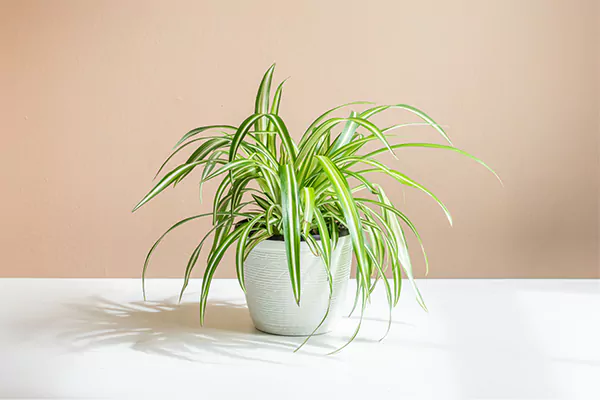
- Botanical Name: Chlorophytum comosum
- Hardiness Zone: 9-11 USDA
- Native Range: Tropical and Southern Africa
- Bloom Time: Spring through summer
- Plant Type: Evergreen herbaceous perennial
Spider Plant is a popular pet-friendly species. It grows up to 18-24 inches tall and 36 inches wide. The plant has solid green or variegated leaves and also produces small white flowers. It is non-toxic to both cats and dogs, mainly because they lack harmful compounds such as calcium oxalate crystals, cardiac glycosides, and saponins.
These plants also have air-purifying qualities, and they do not need much care. You can place the pot near a south-facing window where it can get bright indirect sunlight. The species is adaptable to different soil types and prefers moderate watering.
2. African Violet
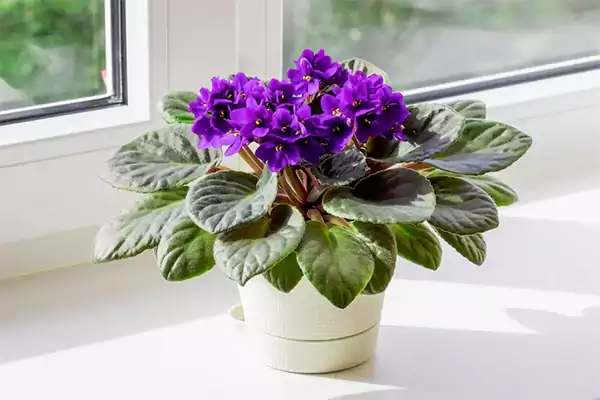
- Botanical Name: Saintpaulia ionantha
- Hardiness Zone: 11-12 USDA
- Native Range: Tropical Eastern Africa, Tanzania, Kenya
- Bloom Time: All year-round
- Plant Type: Evergreen perennial
The African Violet is a compact evergreen perennial flowering plant that produces soft, velvety green leaves and blooms in different shades of purple. It is also available in many different shades, which makes it a preferred ornamental houseplant. The flower typically reaches a height of 3-18 inches.
According to ASPCA, the plant is classified as non-toxic to cats, dogs, and horses. Although it is among the safest houseplants for pet owners, swallowing large pieces of leaves or stems can pose a choking risk or may cause diarrhea or temporary stomach discomfort.
YourHomify Tip
African Violet itself is safe, but its leaves and stems tend to absorb fertilizers; therefore, consider finding a non-toxic or natural fertilizer.
3. Boston Fern
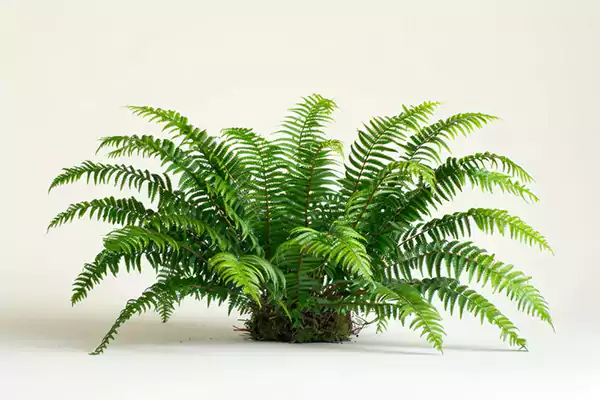
- Botanical Name: Nephrolepis exaltata ‘Bostoniensis’
- Hardiness Zone: 9-11 USDA
- Native Range: Subtropical regions of North and Central America.
- Bloom Time: Non-flowering
- Plant Type: Evergreen fern
Boston Fern is a popular tropical houseplant that has arching sword-like green fronds. It is commonly grown in hanging baskets, plant stands, or decorative pots for a natural cascading effect. They are considered non-toxic because of the absence of harmful compounds like saponins, tropane alkaloids, and Grayanotoxins. Boston fern grows up to 1-2 feet tall and spreads about 2-3 feet wide.
Note that eating a large amount of its fibrous foliage can still cause mild stomach discomfort in your pets. The plant is also known as one of the best air-purifying species, as it removes harmful toxins such as Formaldehyde, Xylene, and Toluene from the air.
4. Christmas Cactus
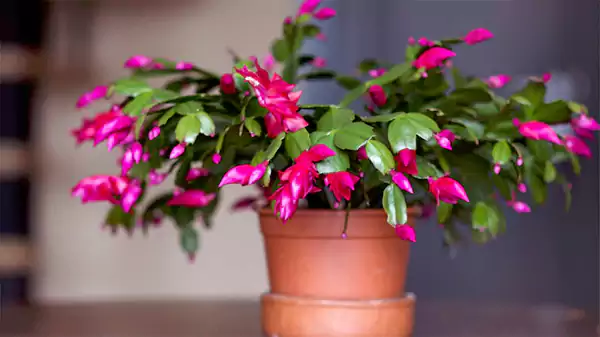
- Botanical Name: Schlumbergera × buckleyi
- Hardiness Zone: 10-12 USDA
- Native Range: Southeastern Brazil
- Bloom Time: Late autumn to winter
- Plant Type: Tropical epiphyte
The Christmas Cactus is an indoor vine plant with colorful flowers and has flattened, segmented stems without any thorns. It is a perfect pet-friendly indoor plant for the holiday season. As the plant matures, it arches downward and grows up to 18 inches in length.
While this cactus species does not contain harmful chemicals such as cardiac glycosides or insoluble calcium oxalate crystals, its stems and leaves can be mild irritants, and ingestion may cause vomiting, lethargy, or diarrhea. It is ideal to put the plant on a high shelf or a hanging planter to prevent your pets from nibbling on its leaves.
5. Areca Palm
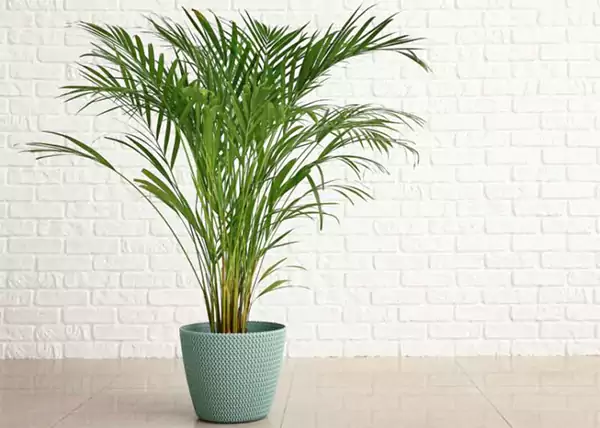
- Botanical Name: Dypsis lutescens
- Hardiness Zone: 10-11 USDA
- Native Range: Tropical rainforests of Madagascar
- Bloom Time: Late spring to summer
- Plant Type: Tropical evergreen perennial
Areca palm is a pet-friendly houseplant, loved for its graceful, feathery fronds and tropical vibe. The plant does not contain any toxic compounds such as cyanide, nitrate, oxalate, pyrrolizidine alkaloids, or glycosides. However, long palm fronds may become a choking hazard if large pieces are swallowed, especially by kittens, puppies, or small pets.
The indoor variety of the Areca palm plant reaches up to a height of 6-10 feet, while the outdoor ones grow about 15-30 feet tall.
Place the areca palm in a bright spot with indirect sunlight, such as a living room, a home office, or near a north-facing window. Although the plant itself is non-toxic, avoid using chemical pesticides or leaf shine products, and always keep fertilizers out of your pets’ reach.
Why Should You Choose Pet-Friendly Houseplants?

Pet-safe houseplants let you enjoy indoor greenery without worrying about accidental poisoning, making your home safer and more enjoyable for both you and your furry companions.
Here are some reasons why you should always choose pet-safe houseplants.
- Keeps Your Pets Safe: Non-toxic plants reduce the risk of poisoning if curious cats or dogs chew on the leaves.
- Provides Peace of Mind: You can enjoy your indoor plants without constantly worrying about accidental nibbling.
- Creates a Healthier Indoor Environment: Many pet-friendly houseplants help improve indoor air quality and add natural humidity.
- Allows Stress-Free Decorating: You can fill your home with greenery without compromising on your pet’s safety.
- Perfect for Curious Pets: Kittens, puppies, rabbits, and birds often explore plants by chewing them, making safe varieties a smarter choice.
How to Care for Pet-Safe Indoor Plants?
Pet-safe indoor plants require filtered sunlight, moderate watering, organic-rich soil, and maintained humidity for optimal growth. They are generally easy to care for but still need little attention to stay healthy and attractive.
- Give the Right Amount of Light: Place the plants in an area where they can get shaded sunlight. Direct heat can result in scorching leaves and eventually wilting of the plant. Consider keeping the pots near an east-facing window and rotate them every few weeks for even growth.
- Water Only When Needed: Overwatering is one of the main reasons why houseplants die. Check the top 1-2 inches of the soil before watering. Empty saucers after pouring to prevent root rot. Reduce watering during winter when the plant is dormant.
- Use Well-Draining Soil: Choose a good-quality indoor potting mix. Add perlite or coarse sand if better drainage is needed. Avoid using heavy garden soil for houseplants. Consider repotting when the soil becomes compacted or the roots outgrow the pot.
- Maintain Proper Humidity: Many tropical pet-friendly plants enjoy moderate to high humidity. Mist plants occasionally if your home is very dry. Use a humidifier during winter and keep the plants away from heating and cooling vents.
- Fertilize During the Growing Season: Feed the houseplants with a balanced, pet-safe liquid fertilizer every 4-6 weeks during spring and summer. Reduce the frequency during fall and winter. Follow the label instructions to avoid overfeeding.
- Keep Plants Safe From Curious Pets: Even non-toxic plants cause mild stomach upset if eaten in large amounts. Place plants on sturdy shelves or hanging planters when possible. Avoid using chemical pesticides or leaf shine products. Clean up fallen leaves and flowers promptly.
Conclusion
Creating a pet-safe indoor garden starts with choosing the right plants. From easy-care options to air-purifying species, pet-friendly houseplants offer beauty, cleaner indoor spaces, and peace of mind for pet owners. With proper care and little planning, you can enjoy thriving houseplants while keeping your furry companions happy and safe.
FAQs
What are some of the safest houseplants for cats and dogs?
Some of the safest houseplants for cats and dogs are areca palm, Christmas cactus, spider plant, snake plant varieties, ZZ plant, and African violet.
Can pets still chew pet-safe plants?
Yes, some curious pets get attracted by the fronds or leaves of the houseplants and tend to snack on them. Make sure they do not chew them in large amounts, as it may cause gastrointestinal issues in them.
Are orchids safe for cats and dogs?
Yes, there are many common orchid varieties that are non-toxic for cats and dogs.
How do I stop my pet from eating houseplants?
You can simply place your vase or containers on a sturdy shelf or use plant hangers to keep houseplants out of their reach.
Which hanging plants are safe for pets?
Boston fern, string of hearts, string of turtles, and parlor palm are some pet-safe hanging plants.

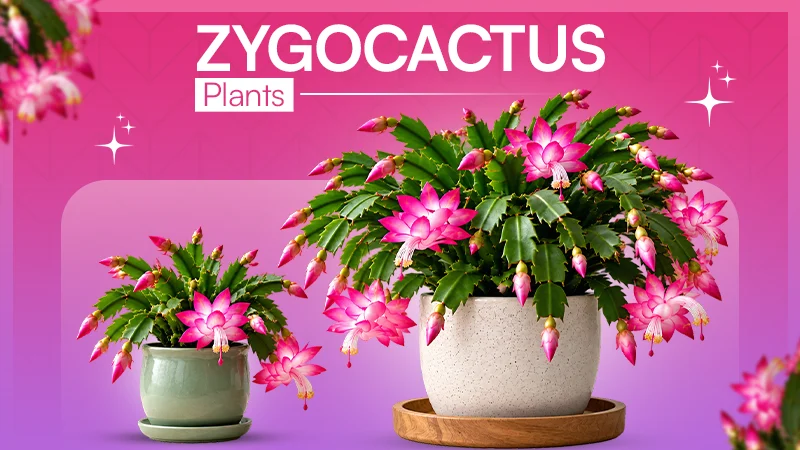
Zygocactus Plants: Growing, Care Guide & Pest Control
[…] is considered non-toxic to cats and dogs, making it one of the best pet-safe houseplants. However, ingesting its fibrous stems in excess can cause mild […]