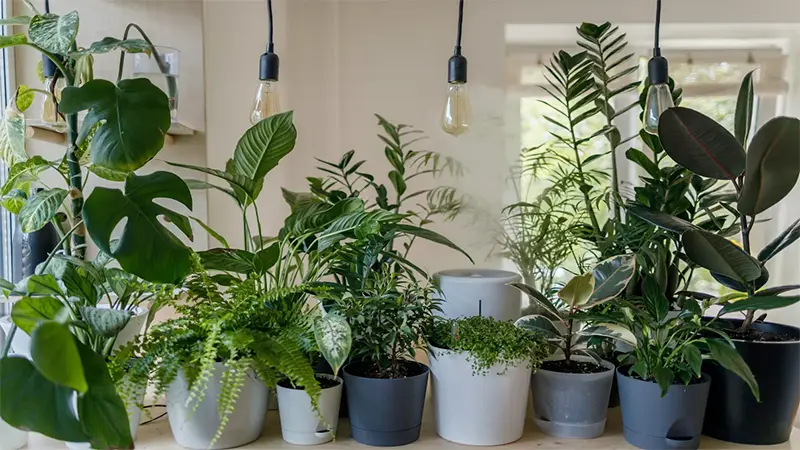
Rare houseplants have become increasingly popular among plant lovers because of their unique appearance. They are known for their limited availability, distinct features, and impressive ornamental value.
In this guide, you will discover some of the best rare indoor plants, learn what makes them special, and explore essential care tips to help them thrive in your home.
Quick Answer
Monstera obliqua, Queen Anthurium, String of Hearts, Jewel Orchid, Philodendron Gloriosum, Variegated ZZ Plant, Begonia Maculata, Sensitive Plant, Venus Fly Trap, and Pencil Cactus are some popular rare houseplants. These are highly valued for their unusual foliage, striking colors, limited availability, and minimal care needs.
What Are Rare Houseplants?
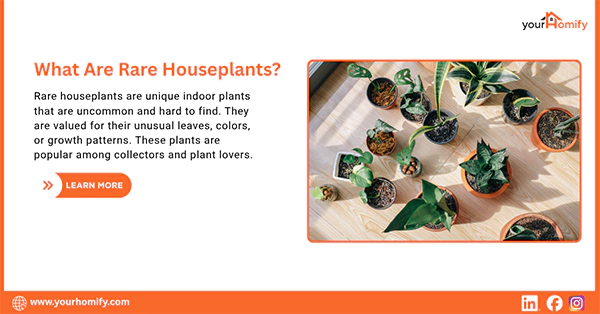
Rare houseplants or unique indoor plants are species that are difficult to find because they have limited availability, slow growth, unusual foliage or texture, and are produced in small numbers. Most of these are valued because of their distinctive appearance and ability to make an indoor space stand out.
While some rare indoor plants require special care, many can thrive with the right amount of sunlight, moderate watering, and well-draining soil.
Top 10 Rare Houseplants That Are Worth Collecting
Monstera obliqua, Queen Anthurium, String of Hearts, Jewel Orchid, Philodendron Gloriosum, Variegated ZZ Plant, Begonia Maculata, Sensitive Plant, Venus Fly Trap, and Pencil Cactus are some popular rare houseplants. These add a distinct look to indoor spaces and may require a little more attention than other common plants.
1. Monstera Obliqua
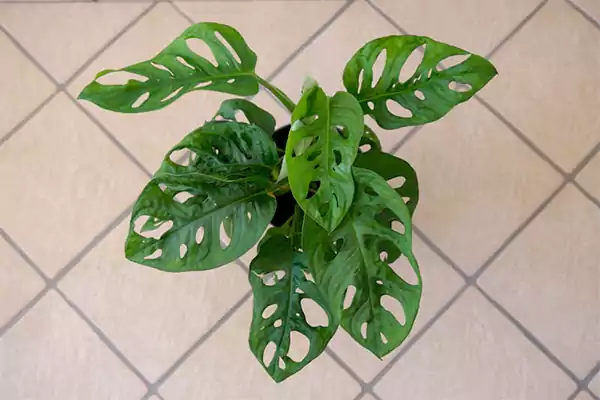
Monstera Obliqua is an evergreen tropical climbing perennial that belongs to the Araceae plant family. This variety grows up to 3-10 ft tall, spreads 1-3 ft wide, and is toxic to humans, cats, and dogs. The lifespan of the genus is 15–25 years on average.
Admired for its delicate leaves, this species is native to Central and South America, including countries such as Peru, Colombia, and Brazil, and grows well in USDA hardiness zones 10-13. Unlike the other Thai Constellation Monstera varieties, obliqua is appreciated for its slow growth rate and minimal care needs. It blooms during spring and summer and requires bright sunlight, moderate watering, and well-aerated soil.
2. Queen Anthurium
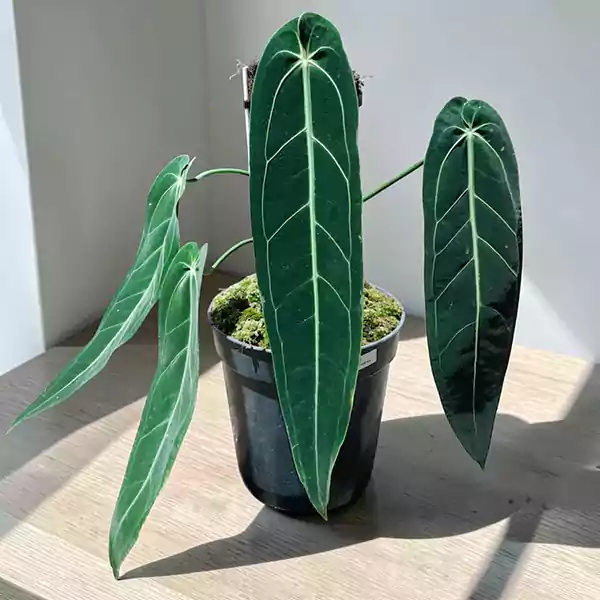
Queen Anthurium is a famous exotic houseplant appreciated for its long, velvety, dark green leaves and slow growth rate. Botanically known as Anthurium warocqueanum, this rare houseplant grows up to 2-4 ft tall and spreads to 1-3 ft wide. The species is native to the tropical rainforests of Colombia and is suitable for USDA hardiness zones 10-11.
This evergreen tropical perennial blooms in the spring and summer months and has a lifespan of 5 to 10+ years indoors. It is toxic to pets and thrives in bright indirect sunlight, a well-aerated soil mix, and consistent watering.
3. String of Hearts
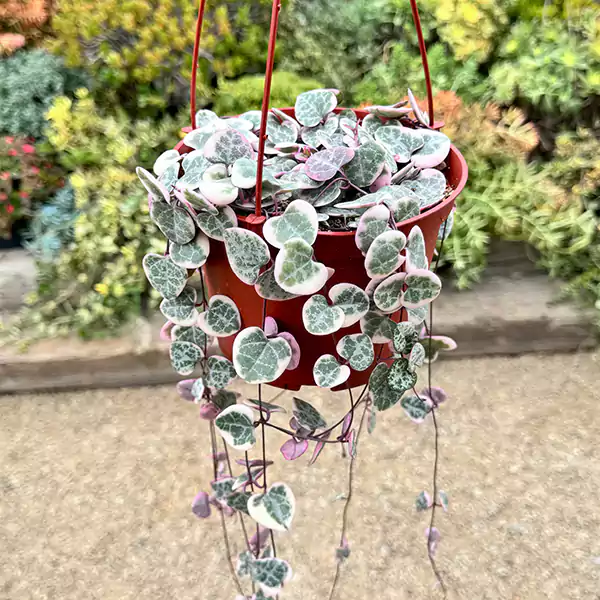
Variegated String of Hearts is a fast-growing evergreen trailing succulent with a lifespan of 5 to 10+ years. It is native to South Africa, Eswatini, and Zimbabwe and is well adapted to warm, dry environments. As a rare houseplant, the species grows 3-12 inches tall, spreads 3-13 inches wide, and is suitable for USDA hardiness zones 10-12.
This indoor vine plant is admired for its heart-shaped leaves that have creamy white, pink, and green variegation. The species is non-toxic and blooms well from mid-summer to fall. It grows well in filtered sunlight, lightweight, fast-draining soil, and moderate watering.
4. Jewel Orchid
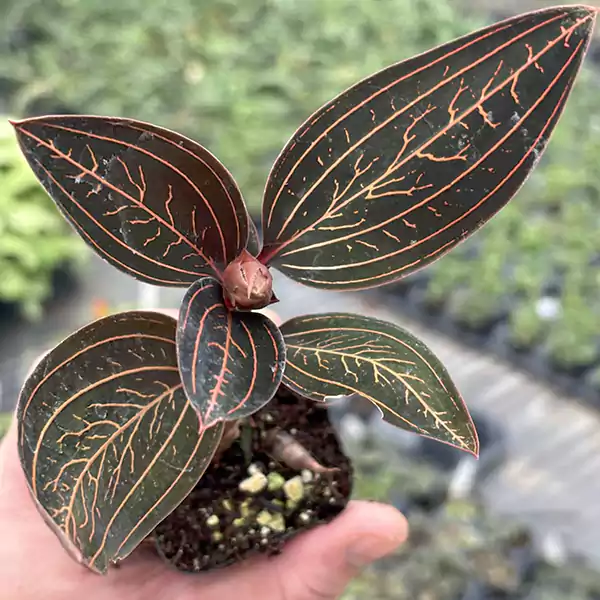
Jewel Orchid is a slow-growing evergreen terrestrial orchid native to the tropical forests of Southeast Asia, including China, Vietnam, Thailand, Malaysia, and Indonesia. It typically reaches 6-12 inches in height and spreads 12-18 inches wide and is suitable for USDA hardiness zones 11-12.
During late fall or winter, this low light indoor species produces fragrant white flowers and has a lifespan of 5 to 15 years. It’s a worth-collecting rare houseplant that blooms from fall to winter and is non-toxic to humans and pets. Jewel Orchid can be grown near north- or east-facing windows as it needs filtered sunlight, minimal watering, and a permeable potting mixture.
5. Philodendron Gloriosum
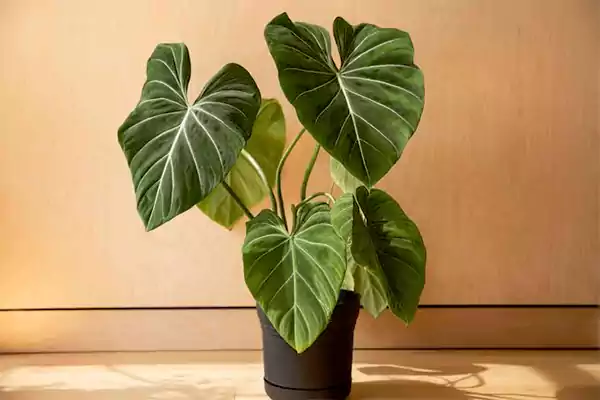
Philodendron Gloriosum is an evergreen tropical perennial native to the rainforests of Colombia, Ecuador, Peru, and Brazil. It is a terrestrial, crawling plant that grows 2-3 feet tall and spreads 2-4 feet wide. The plant is suitable for USDA hardiness zones 10-11, has a slow-to-moderate growth rate, and can survive for 20 to 30+ years.
This rare houseplant is admired for its large, velvety, heart-shaped dark green leaves. It blooms well in the spring and summer months. Toxic to dogs, cats, and humans, this species needs bright, indirect light, water 2-3 times a week, and a chunky aroid soil mixture.
6. Variegated ZZ Plant
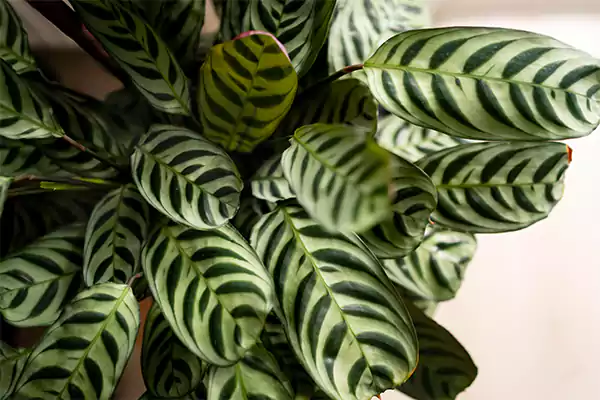
The Variegated ZZ Plant is botanically called Zamioculcas zamiifolia ‘Variegata’ and is an extremely slow-growing evergreen tropical perennial. It is native to Eastern Africa, including Kenya, Tanzania, and Zanzibar, and has an upright, clump-forming growth habit. The species grows 2-4 ft tall, spreads 2-3 ft wide, and is suitable for USDA hardiness zones 9-11.
Typically blooming from spring to early summer, the ZZ plant is toxic to cats, dogs, and humans if ingested. It requires filtered sunlight, water only when the soil feels dry, and a permeable potting mix. Protect the plant from temperatures below 50°F (10°C). The lifespan of this indoor houseplant is around 10 to 25+ years.
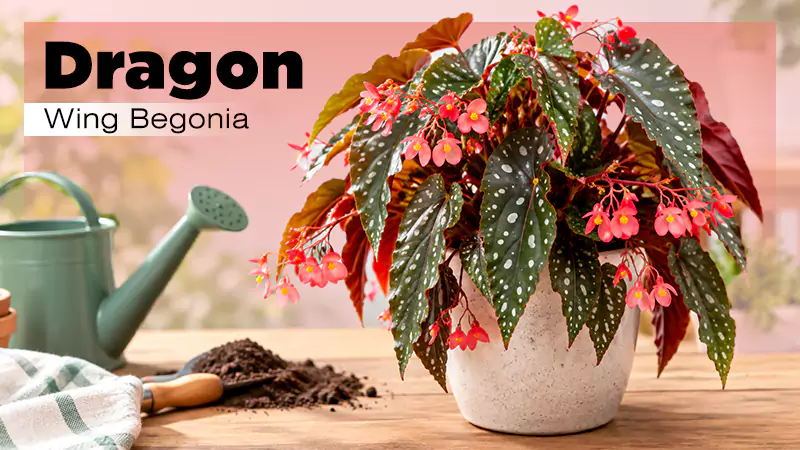
7. Begonia Maculata
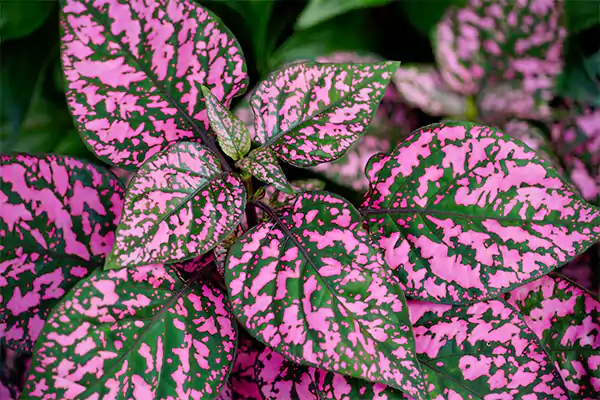
Native to southeastern Brazil, Begonia Maculata is a fast-growing evergreen perennial that grows 2-5 ft tall and 1-3 ft wide. Its botanical name is Maculata spp and it has an upright, cane-like growth habit with branching stems. The leaves of the plant are toxic to cats, dogs, and humans. If ingested, it may cause drooling, vomiting, or oral irritation.
Perfectly suitable for USDA hardiness zones 10-11, this Begonia plant blooms from spring through fall and can live for 3 to 10+ years. It cannot survive in harsh afternoon sun and requires filtered sunlight. Water only when the top few inches of the soil feel dry and use a rich, loose, porous potting mixture.
8. Sensitive Plant
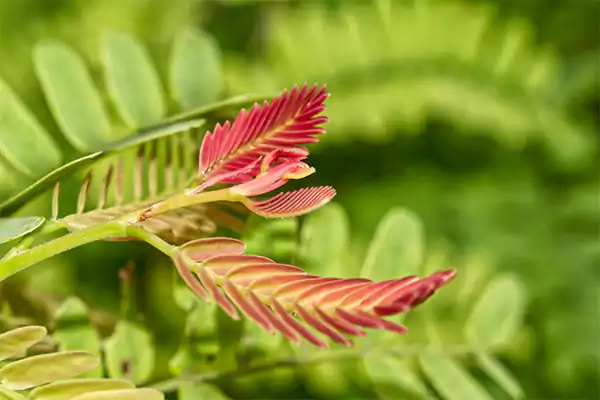
Botanically called Mimosa pudica, the common names of this sensitive plant are shy plant, touch-me-not, or humble plant. It is native to the tropical Central and South America and is an herbaceous, creeping subshrub or short-lived perennial with a lifespan of 1 to 2 years. The plant is a fast-growing species and thrives in USDA hardiness zones 9 through 11, growing 1 to 2 feet tall and 1 to 3 feet wide.
Blooming from late spring through fall, the shy plant is mildly toxic to pets, only if ingested in large amounts, and is non-toxic to humans. It needs 4-6 hours of indirect sunlight to grow. Thrives in a fertile soil mix with rich organic matter and minimal watering.
9. Venus Fly Trap
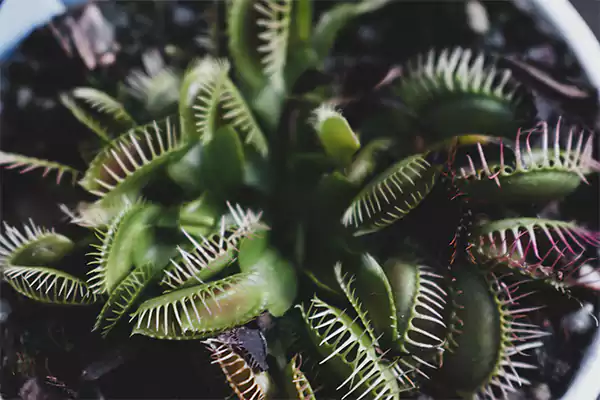
The botanical name of the Venus flytrap is Dionaea muscipula. It is a slow-growing carnivorous perennial plant that grows in low, clump-forming clusters. Native to the coastal bogs and wetlands of North and South Carolina, USA, venus fly trap grows 4-6 inches tall and 4-8 inches wide.
Suitable for USDA hardiness zones 7-10, the species blooms from spring to early summer, features tiny white flowers, and can live for 20 years or more. It is non-toxic to humans, cats, and dogs. The plant thrives in 6-8 hours of direct sunlight, a nutrient-poor and acidic soil mix, and consistent watering.
10. Pencil Cactus
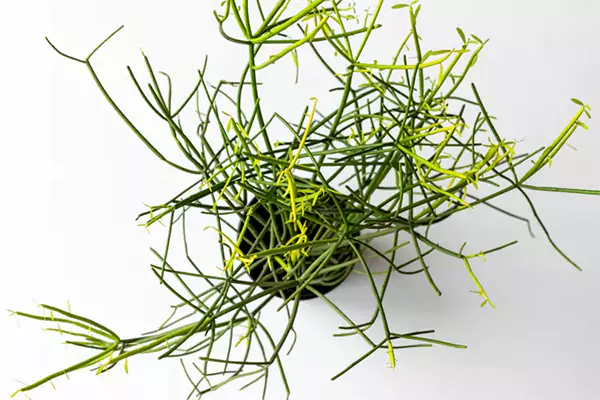
Botanically called Euphorbia tirucalli, Pencil Cactus is not a true cactus variety and is also commonly called “milk bush” or “firestick plant.” It is a fast-growing evergreen succulent shrub that grows upright with pencil-thin cylindrical stems that become woody with age. The plant is native to eastern and southern Africa, is suitable for USDA hardiness zones 10-12, and has a lifespan of 10 to 20+ years.
It can grow about 6-10 ft tall and spread 2-5 ft wide. The species also features small yellow flowers that bloom from late winter to spring. Usually toxic to humans and pets, the plant thrives in bright direct light and fast-draining cactus potting mix with deep watering once a week.
How to Care for Houseplants?
It is important to provide houseplants with the right balance of light, water, humidity, stable temperatures, appropriate pot size, proper fertilizer, and a nutrient-rich soil mix so they can stay healthy and grow properly. Do not forget to monitor regularly for pests and prune whenever needed.
Here is a simple care guide that you can follow for your indoor floral species.
- Provide Bright, Indirect Light: Most rare houseplants prefer bright, indirect sunlight. Place them near an east- or north-facing window for at least 4-6 hours so that they can get filtered light. To protect the delicate leaves from scorching, avoid exposing them to direct afternoon sun.
- Water Only When Needed: Overwatering is one of the most common reasons indoor houseplants die. Water only when the top 1-2 inches of the soil feels dry. Make sure that the excess water drains completely.
- Maintain High Humidity: Many rare houseplants grow best in humidity levels of 60-80%. If your home is dry, you can use a humidifier or consider placing the pot on a pebble tray filled with water.
- Keep Temperature Stable: Most indoor plants grow well between 65F and 80F. It is important to protect them from frost conditions and sudden temperature changes, as these can slow down growth and damage the foliage.
- Use a Well-Draining Soil Mix: A loose potting mix prevents root rot while allowing the plant to breathe. It is ideal to use high-quality potting soil, orchid bark, coco coir, or peat moss.
- Fertilize During the Growing Season: Feed rare indoor plants every 4-6 weeks in spring and summer using a balanced, diluted liquid fertilizer. Stop adding chemicals during fall and winter when the plant growth is dormant.
- Choose the Right Pot: Use a pot with drainage holes to prevent water from collecting around the roots. Repot only when the roots of the plant outgrow the container, which is usually after 1-3 years, depending on the growth rate.
- Monitor for Pests and Diseases: Inspect leaves regularly for common pests such as spider mites, mealybugs, aphids, and scale insects. Remove all affected and damaged leaves and use insecticidal soap if needed.
- Clean and Prune Regularly: Dust particles can block sunlight from reaching the leaves. It is important to wipe the foliage gently with a damp cloth. Trim yellow, dead, or damaged leaves using a pruning shear to keep the plant healthy.
Conclusion
Rare houseplants offer more than just beautiful foliage. They bring uniqueness, character, and an ornamental appeal to any indoor space. Whether you prefer climbing Monsteras, velvety Anthuriums, trailing String of Hearts, compact Jewel Orchids, or crawling Philodendron, there is a rare indoor plant for every collection.
These species need filtered sunlight, minimal watering, well-draining soil, and regular monitoring for optimal growth. Keep them thriving and you will have plants worth collecting for years to come.
FAQs
What is the rarest indoor plant?
There are many rare indoor plants such as Monstera obliqua, Queen Anthurium, String of Hearts, Jewel Orchid, Philodendron Gloriosum, Variegated ZZ Plant, Begonia Maculata, Sensitive Plant, Venus Fly Trap, and Pencil Cactus.
What’s the hardest houseplant to keep alive?
Maidenhair Fern (Adiantum) and Calathea (Prayer Plant) are widely considered as the hardest houseplants to keep alive.
What is the luckiest indoor plant?
In many cultural beliefs, Money Tree (Pachira aquatica) and Lucky Bamboo (Dracaena sanderiana) are considered the luckiest indoor plants.
Which plant removes negative energy?
Traditionally speaking, Snake Plant and Aloe Vera are widely recognized as the main houseplants that remove negative energy.
What is the holy grail of houseplants?
Philodendron Spiritus Sancti is the ultimate holy grail of houseplants. Native to Brazil, this endangered species is admired for its incredibly long, slender, satin-like leaves.
- Unique Houseplants Every Plant Lover Should Know About – Pennsylvania Horticultural Society
- Anthurium warocqueanum – National Gardening Association