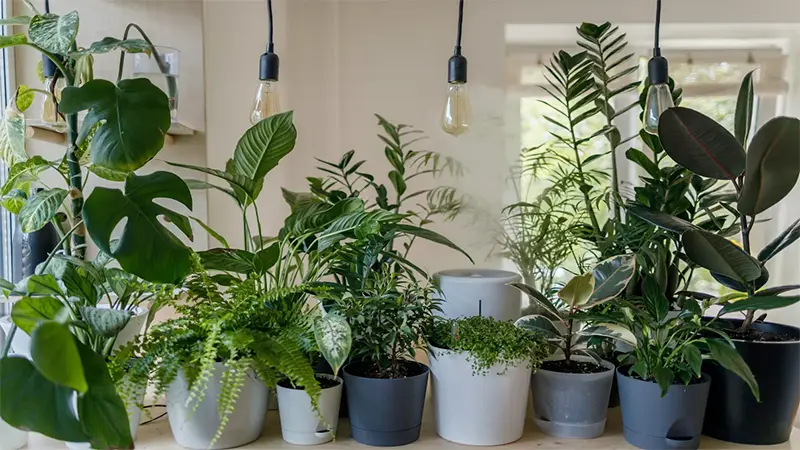
Monstera Deliciosa, also known as the Swiss Cheese Plant or Split-Leaf Philodendron, is one of the most popular tropical houseplants because of its large leaves and easy-care nature. This Monstera deliciosa care guide covers everything you need to know.
You will learn about the ideal light, watering schedule, humidity, soil, fertilizer, repotting, propagation, and common pests. Following these care tips will help your plant grow faster, stay healthy, and produce its glossy green leaves.
Quick Answer
Monstera deliciosa care is simple when you provide bright indirect light, well-draining soil, and proper watering. Water only when the top few inches of soil dry out, maintain humidity, and support growth with a moss pole. Regular feeding and pruning help your Monstera develop healthy, larger leaves.
What is Monstera Deliciosa?
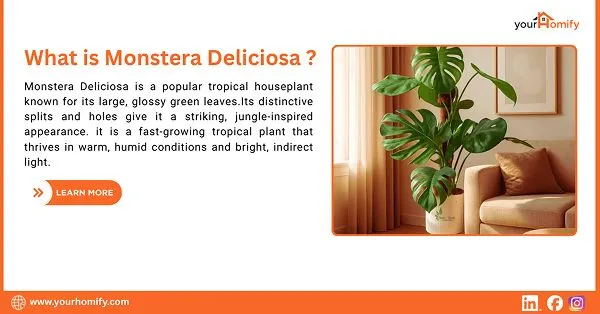
Monstera Deliciosa is a climbing, evergreen tropical vine. It has a fast growth rate and can live for 20-50 years and sometimes even more in ideal growing conditions. The species is suitable for USDA hardiness zones 10-12 and is often grown as a houseplant, especially in colder regions.
Generally blooming from spring to mid-summer, the plant features glossy, dark green leaves that have a slightly sweet and spicy fragrance. The vase life of the plant is 3-5 days, and it is pollinator-friendly in its natural habitat.
Monstera deliciosa is typically toxic to humans and pets and can cause oral irritation or swelling. It requires bright indirect sunlight to partial shade, moderate watering, and permeable soil for optimal growth.
What are the Growing Needs of Monstera Deliciosa?
Almost all Monstera varieties are quite easygoing. They need filtered sunlight, moderate watering, an organic soil mixture, and a slow-release houseplant fertilizer for proper growth.
Let us quickly check out a detailed Monstera Deliciosa care guide for your reference.
- Sunlight: This green plant prefers growing in 6-10 hours of bright, indirect light. It is ideal to place the pot near an east- or west-facing window for filtered sunlight. Direct afternoon sun can scorch the leaves, while too little sunshine can lead to stunted growth of the plant.
- Watering: Water only when the top 1-2 inches of the soil feels dry. The soil of the plant should be evenly moist but not waterlogged. During extreme summer conditions, it is ideal to water regularly, but make sure to adjust the frequency when frost season comes.
- Soil Type: This low-light indoor plant performs best in organic, permeable, and well-aerated soil. You can use any standard potting mix with a pH between 5.5 and 7.0. I generally prefer adding orchid bark and perlite to enhance the aeration and drainage of the soil.
- Fertilizing: It is best to feed your plants with a balanced water-soluble fertilizer every 4-6 weeks, especially during the active growing season. When the plant is dormant, adjust the timings as per the instructions given on the fertilizer packet.
- Support: In nature, Monstera Deliciosa is an indoor vine plant. As the plant matures, it needs a sturdy support for upright growth. It is ideal to install a moss pole or coir totem and tie the main stems to it for proper structure.
- Pruning: Make sure to remove all the dead and damaged leaves of the plant. This allows the species to focus its energy on growing. If you notice any leaf wilting or having black spots on it, isolate the plant immediately and remove the affected part from the plant.
Potting, Repotting, and Propagating Monstera Deliciosa
Potting, repotting, and propagating Monstera Deliciosa are essential steps to keep the plant healthy and encourage its steady growth. Knowing the right plant care steps helps prevent common problems like root rot and stunted development.
1: Potting Monstera Deliciosa
Monstera Deliciosa grows best in a pot with good drainage. It needs a loose, well-aerated soil mix, as the roots of the plant need both moisture and airflow to stay healthy.
Pick a pot with good drainage holes. Use terracotta pots if you usually overwater, as they dry out faster. Select a pot that is only 1-2 inches larger than the root ball.
Use a well-draining mix such as 40% high-quality garden soil, 30% orchid bark, 20% perlite, and 10% peat moss. According to Plantology, this mixture retains enough moisture while preventing root rot.
Step 1: Fill the bottom of the pot with fresh potting mix.
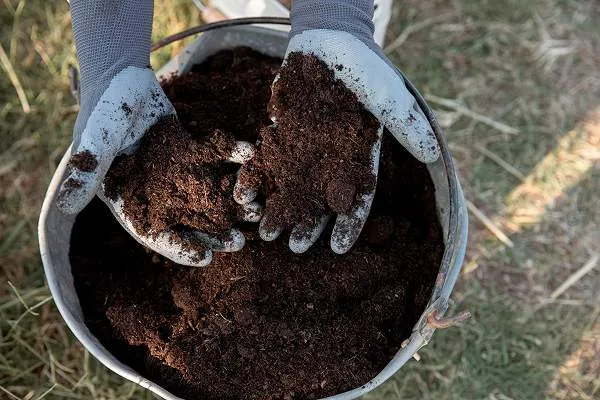
Step 2: Place the Monstera in the pot.
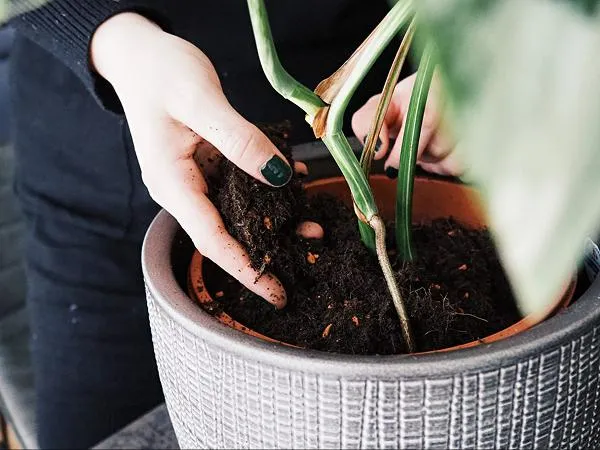
Step 3: Fill around the roots with soil and gently firm it.
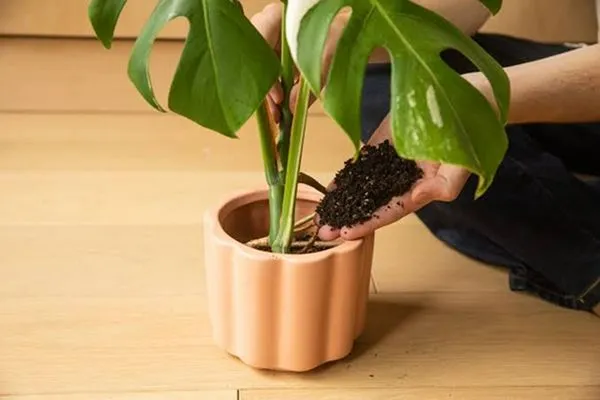
Step 4: Water thoroughly until excess water drains out of the holes.
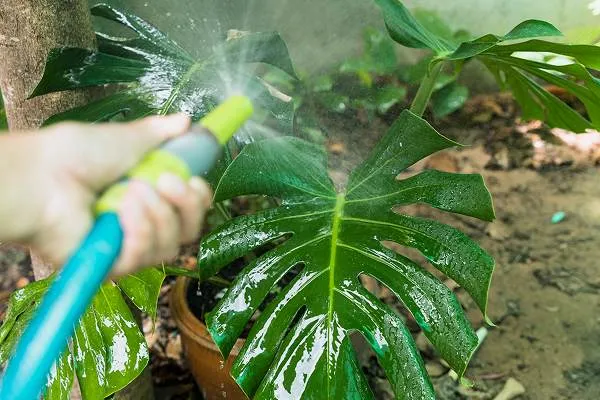
Step 5: Place the plant in bright, indirect sunlight, and you are good to go.
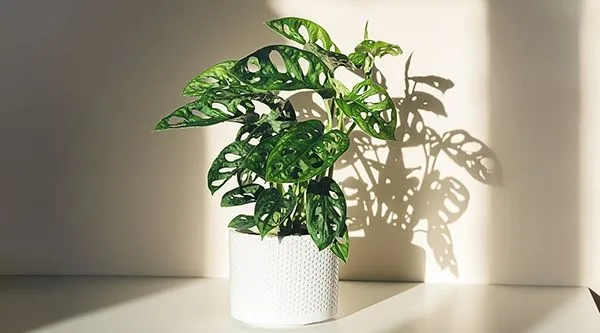
2: Repotting Monstera Deliciosa
Monstera Deliciosa usually needs repotting every 1-2 years or whenever it becomes root-bound. If the roots grow through the drainage holes of the pot or the soil dries out faster than usual, it basically means that it’s time to repot the plant.
The ideal time is spring or early summer, when the genus is actively growing and can recover quickly from transplant shock.
Step 1: Water the plant one day before repotting to loosen the soil.
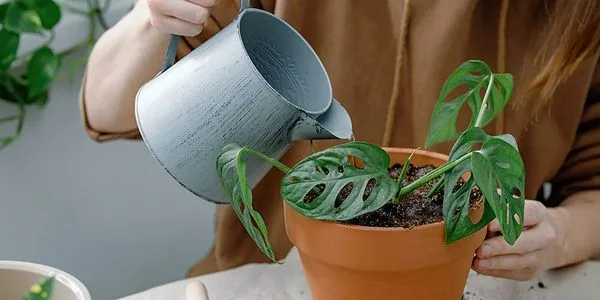
Step 2: Carefully remove it from the old pot.
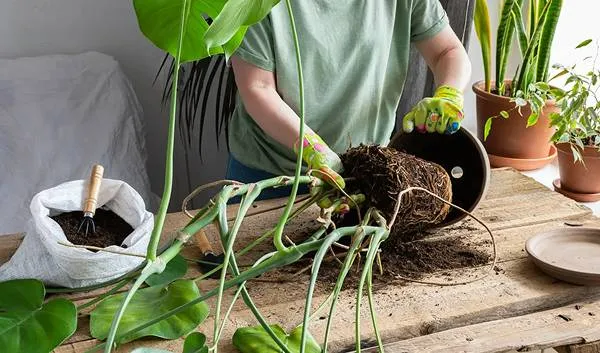
Step 3: Loosen all the tangled roots and trim all the dead parts using a clean pair of pruners.
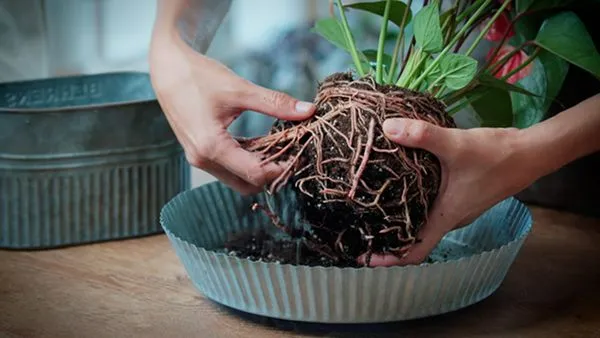
Step 4: Move it into a pot that is 1-2 inches larger in diameter than the previous one.
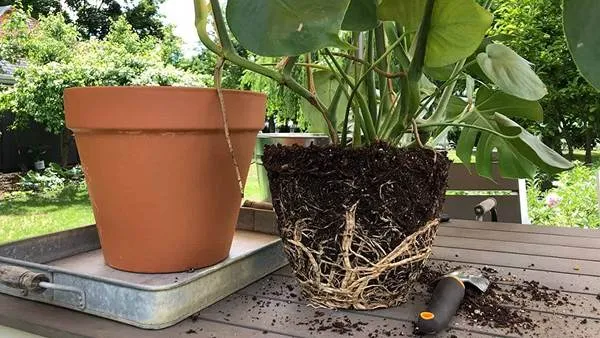
Step 5: Add a freshly made potting mix around the roots of the plant.
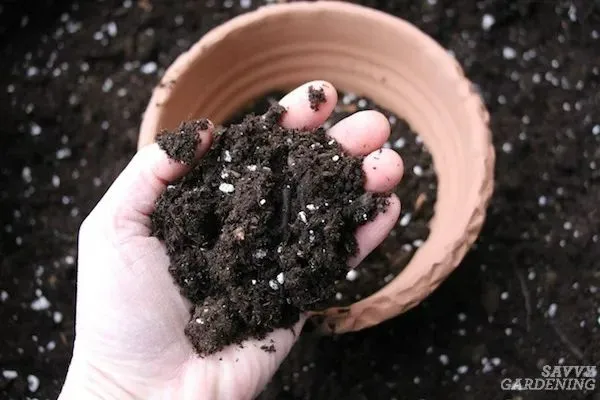
Step 6: Water thoroughly and let excess water drain away from the holes.
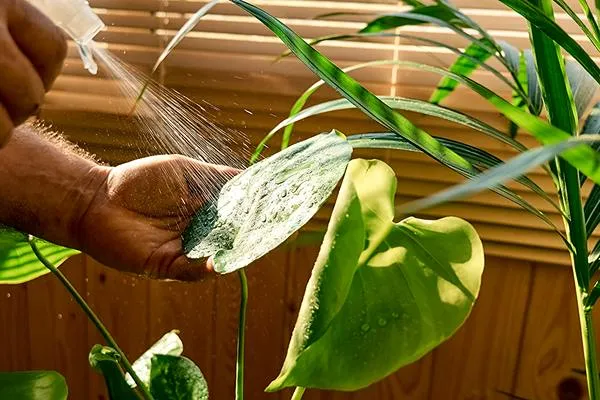
Step 7: Do not fertilize for about 3-4 weeks after repotting.
3: Propagating Monstera Deliciosa
Monstera Delicosa is easiest to propagate using stem cuttings with at least one node. Without a node, a cutting cannot produce new growth. The genus can be multiplied using water propagation or soil propagation.
Allow me to walk you through the steps for both methods.
Water Propagation (Personally Tried and Tested Method)
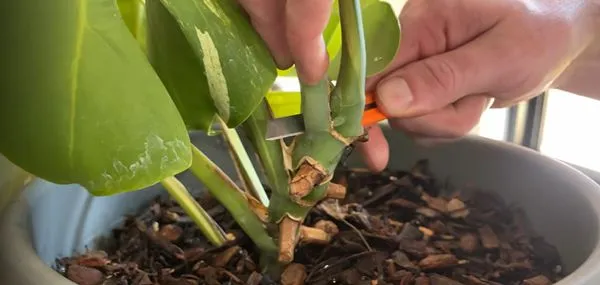
- Cut a healthy stem below a node using sterilized scissors.
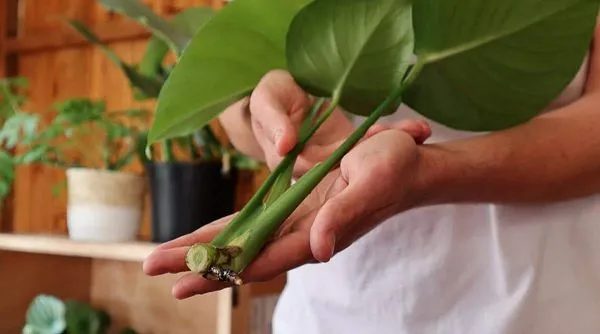
- Make sure the cutting has one node and at least one healthy leaf.
- Place the node in clean water while keeping the leaves above the water.
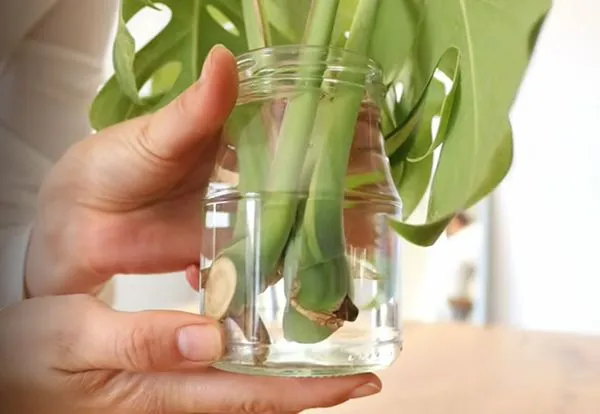
- Ensure you change the water every 5-7 days.
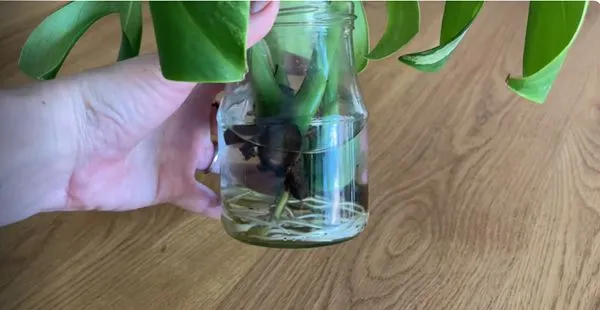
- Once the roots are 2-4 inches long, transplant the cutting into potting soil.
Soil Propagation Method
- Take a healthy cutting with a node.
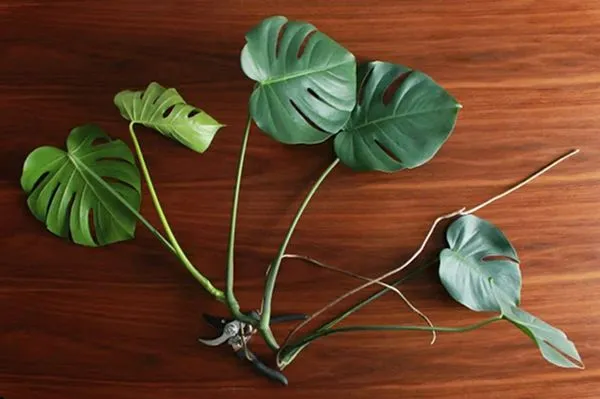
- Plant the node directly into a moist, well-draining mix.
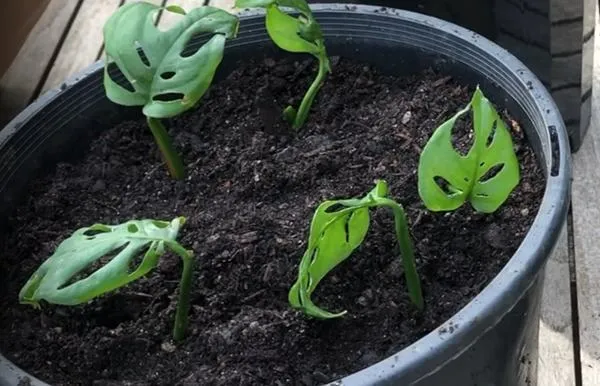
- Keep the soil lightly moist but not soggy.
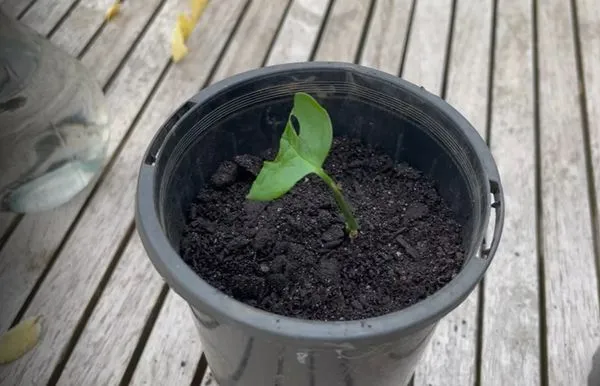
- Place the pot in warm, bright, indirect light.
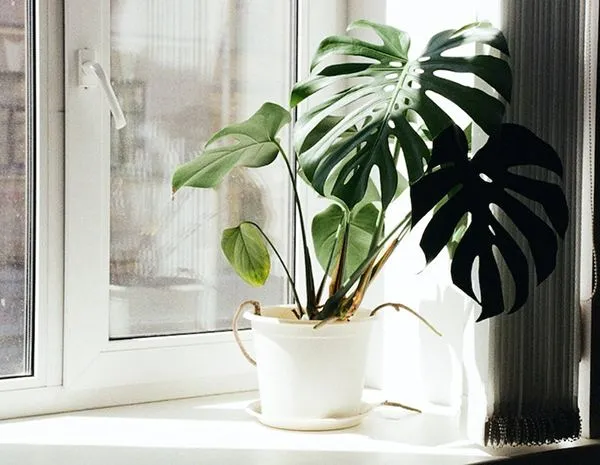
- New roots and growth typically develop within a few weeks.
I always make sure to use clean and sterilized pruning tools. It is best to propagate the plant during spring or summer for a high success rate and keep the temperature between 18°C and 29°C.
Pests and Diseases Affecting The Monstera Variety
Though Monstera varieties are said to be easy-going, if proper care is not given, the plant may be affected by some common pests and diseases, like yellowing leaves, black leaves, curling foliage, powdery mildew, or webbing around the stems.
1. Yellowing Leaves
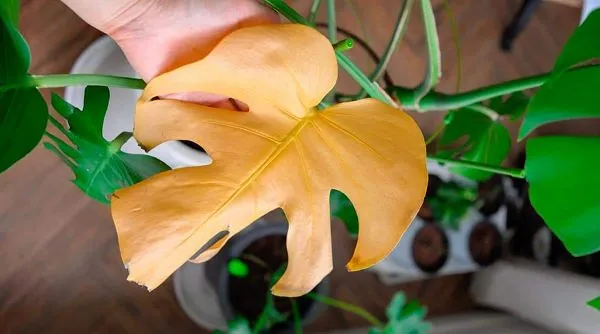
The Yellow leaves are one of the most common problems faced by Monstera and are a sign of plant stress. Overwatering or keeping the plant under bright sunlight are two main reasons for this. Another reason for the leaves turning yellow is if the roots are mushy or soggy.
Solution: Make sure that you keep the Monstera pot indoors under filtered sunlight and that the pot has proper drainage holes.
2. Black Leaves
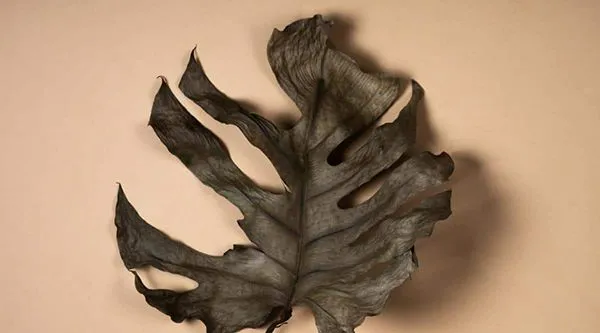
Monstera leaves turning black is most commonly a symptom of overwatering, underwatering, root rot, or sunburn. If the soil stays too soggy or the plant is exposed to scorching sunlight, it is likely that its leaves will dry out and turn black.
Solution: Remove all the dead and damaged leaves, adjust the frequency of watering, and keep the pot near east-facing windows.
3. Curling of Leaves
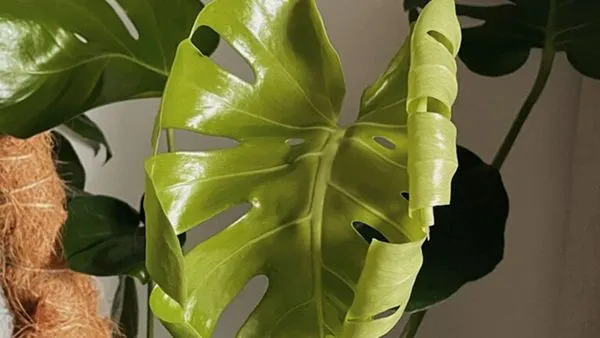
The leaves of this Monstera variety generally curl up as a defense mechanism against water stress or pest infestation. This is basically like a sign for the plant owner to inspect the health and monitor it for any issues. If the leaves curl up and feel dry or soggy, it is likely because of overwatering or underwatering.
Solution: Always check the moisture level of the soil before watering. Monstera typically thrives in 50-60% humidity. Consider placing the plant in humid areas of your home or increasing the moisture around the species.
4. White Powder on Leaves
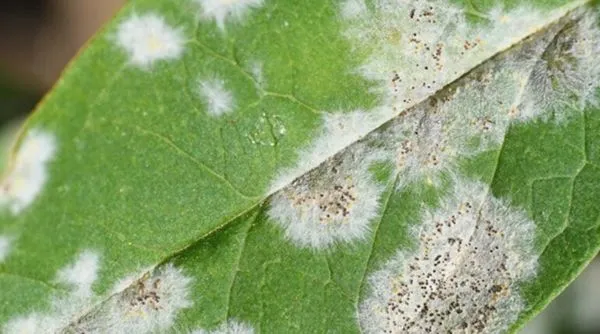
White powder or powdery mildew is a common problem faced by Monstera varieties. This is a fungal infection that happens because of poor air circulation or high humidity. It can spread to other leaves, eventually affecting the whole plant.
Solution: By isolating the plant, improving ventilation, increasing light hours, and cleaning the leaves regularly, you can easily treat the issue.
5. Webbing Around the Stems
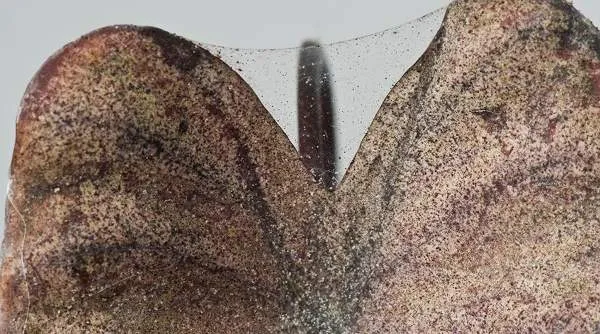
If you notice the leaves of your plant turning pale yellow and then eventually brown, it might be affected by spider mites. Low humidity and nutrient deficiency are the main reasons. It makes the plant weaker by sucking sap from the leaf nodes.
Solution: Isolate the plant immediately to prevent it from spreading to others. Clean the leaves using a damp cloth and apply horticultural oils. Keep the plant in areas with excess moisture for a day or two.
Conclusion
This Monstera deliciosa care guide covers everything you need to help your plant grow effortlessly. By providing adequate sunlight, moderate watering, and a well-draining soil mix, this houseplant can flourish. Since its glossy green leaves can easily be affected by pests and diseases, regular monitoring is also needed.
Following the proper steps to pot, repot, or propagate this Monstera variety is necessary. This helps the species become a long-lasting centerpiece in your home.
FAQs
How do you care for a Monstera plant indoors?
Place the Monstera deliciosa in a place where it can get bright, indirect light. Water the plant every 1-2 weeks only when the top 2-3 inches of the soil feels dry. Use a nutrient-rich, well-draining potting mix and provide a sturdy moss pole for climbing.
Do Monstera like deep pots or wide pots?
Because the roots of the Monstera plant naturally spread outward, they prefer a wide and stable pot. The health of the plant depends on its soil. Using a deep pot means the soil will remain wet for too long, which can cause root rot.
Can a Monstera go 2 weeks without water?
Yes, many Monstera varieties can live without water for weeks. Since the plant is a low-maintenance type, they need water only once every two weeks.
What are the common mistakes in Monstera propagation?
Overwatering, using standard garden soil, placing the pot in a dark, shady area, and not giving support from a moss pole are some common mistakes that people generally make while propagating the species.
How many times do I need to water Monstera?
It is ideal to water Monstera plants once or twice every two weeks, but only when the top 2-4 inches of the soil feels dry.
- Monstera deliciosa – NC State Extension Research Paper
- Swiss-Cheese Plant, Monstera deliciosa – University of Wisconsin
- Monstera (Monstera deliciosa): Home Care – New York Botanical Garden