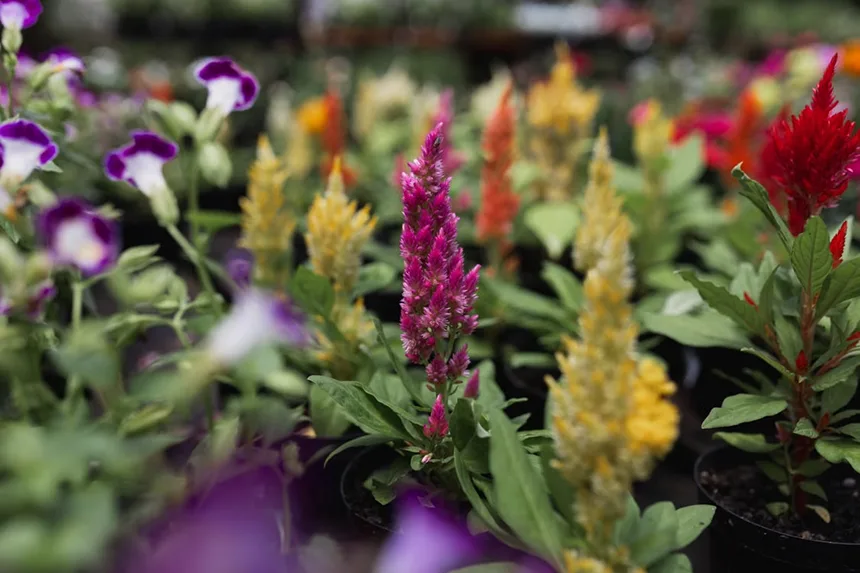
Looking for a flower that looks like a flame and brings color and personality to your garden? Celosia is your answer! It is usually planted in flower beds, containers, and sunny corners because of its exotic appearance.
With the right timing, soil, sunlight, and watering routine, planting celosia can give you colorful blooms throughout the growing season.
I have always loved flowers that bring a little drama to the garden, and Celosia is definitely one of them. If you are ready to grow it yourself, I have covered its planting steps, growing needs, maintenance tips, pest problems, and companion plants in this extensive guide.
Quick Answer:
Planting celosia steps include choosing a sunny spot and sowing the seeds in warm soil when the frost season has passed. Use well-draining soil, scatter the seeds properly, and gently press them to cover. After 7-10 days, tiny seedlings will emerge. Once established, celosia can produce colorful blooms throughout the growing season.
What is a Celosia Plant?
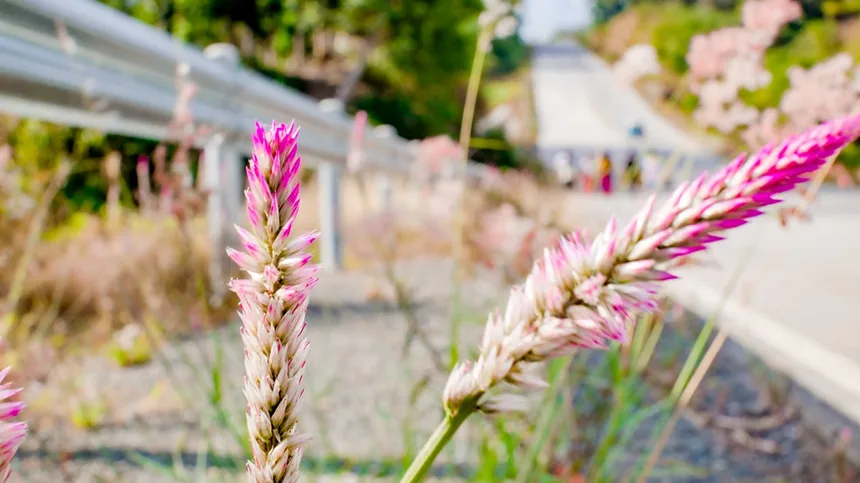
Celosia, also known as Cockscomb, is an ornamental flowering plant native to the tropical regions of Africa, South America, and Southeast Asia. It is a popular member of the Amaranth family and is available in various shades.
This summer flower is known for its vibrant, feathery flowers that add a pop of color to any landscape. Some compact varieties of the genus are suitable for container or edge planting, while the large ones can be grown well in backyards or flower beds.
Celosia is non-toxic to humans and pets. Its flowers were used in many Chinese herbal medicines to treat issues like hypertension, inflammation, or eye discomfort. I use its leaves to make sauces or stews, as they contain a high level of folic acid and beta-carotene.
According to research conducted by the National Center for Biotechnology Information, Celosia is a medicinal plant, and its flowers are known to have antioxidant properties that help in reducing oxidative stress.
Despite their exotic appearance, celosia plants are easy to grow, which is why they are admired by both novice and seasoned gardeners.
Did You Know?
Celosia flowers symbolize boldness, warmth, affection, and eternal love. You can use them as cut flowers for bouquets or dry them for floral art.
Taxonomic Structure of Celosia
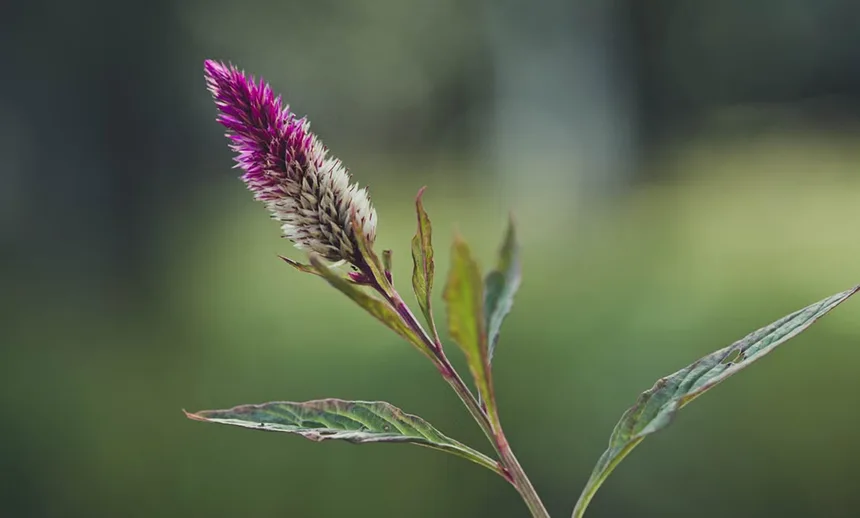
Let us quickly understand the taxonomic structure of this beautiful plant.
| Kingdom | Plantae |
| Clade 1 | Tracheophytes |
| Clade 2 | Angiosperms |
| Clade 3 | Eudicots |
| Order | Caryophyllales |
| Family | Amaranthaceae (Amaranth family) |
| Genus | Celosia |
Planting Celosia: When, Where, and How
Planting celosia is simple. Sowing the seeds or the seedlings at the right time and following proper planting steps is important.
1. When to Plant Celosia?
| Indoors | Sow the seeds at least 6-8 weeks before the last frost date, as they need warm soil to germinate. 70–80°F is the ideal temperature. |
| Outdoors | Once the frost season has passed, you can sow the seeds directly in the ground during late spring. |
| Late Planting | You can also plant celosia in early summer. Just make sure that the soil is warm enough to support germination. |
2. Where to Plant Celosia?
| Indoor | Compact varieties can be easily planted in containers. You can grow them on balconies or near windowsills where they can get enough light. |
| Outdoor | A warm garden bed or a landscape border can work best. Make sure the area receives at least 6-8 hours of direct sunlight. |
| Sheltered Spots | You can plant some cultivars in sheltered spots as well. Wide, taller varieties need early staking for proper growth. |
| Hardiness Zone | Celosia can be grown as an annual or perennial plant in USDA hardiness zones 2-11 |
3. How to Plant Celosia?
Step 1: Choose the right location and soil. Always pick a spot that gets at least 6 to 8 hours of direct sunlight. Make sure the soil is organic and well-draining.
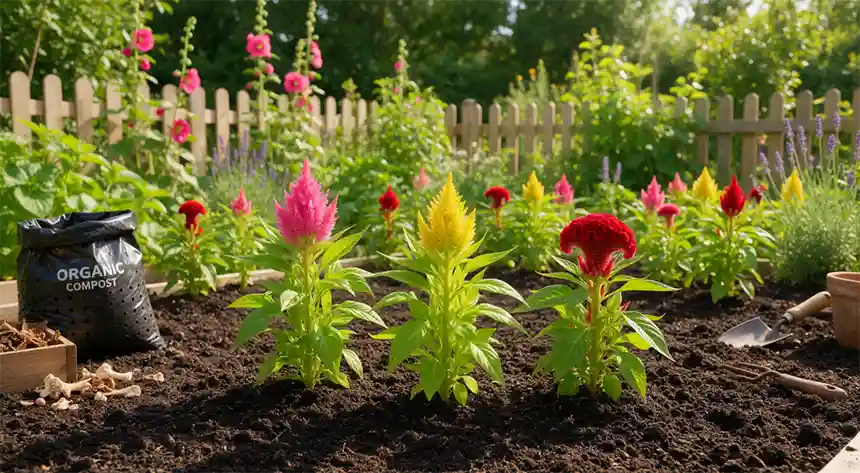
Step 2: Do not sow the seeds until the weather is warm. Let the frost season pass because sowing seeds or planting seedlings in cold soil can result in stunted growth.
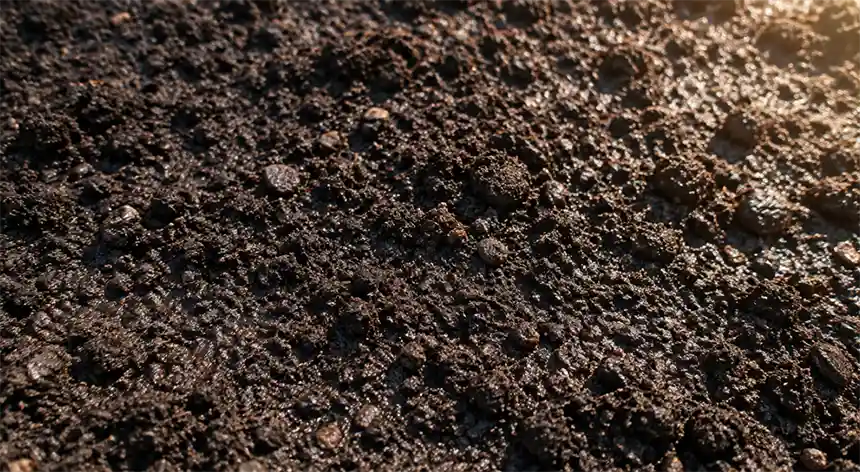
Step 3: For indoors, scatter the seeds directly on the seed-starting tray. If you are growing celosia outdoors, start by spreading the seeds on top of the potting mix.
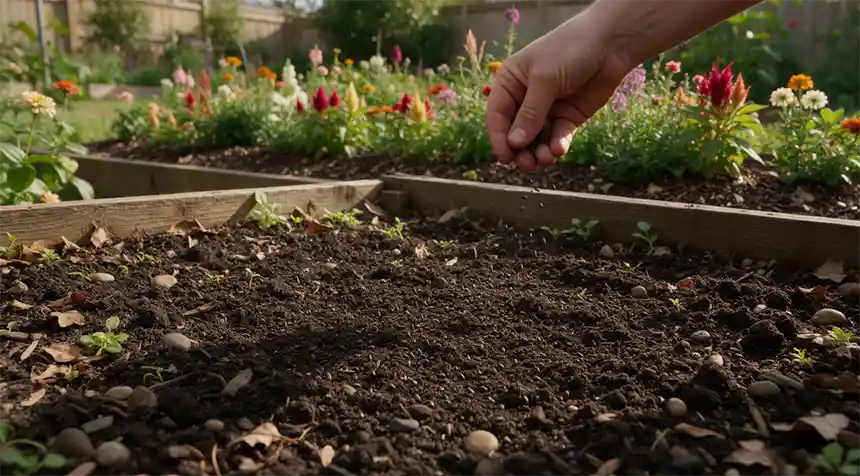
Step 4: Cover the seeds with soil and gently press them with your fingers. Do not bury them too deeply.
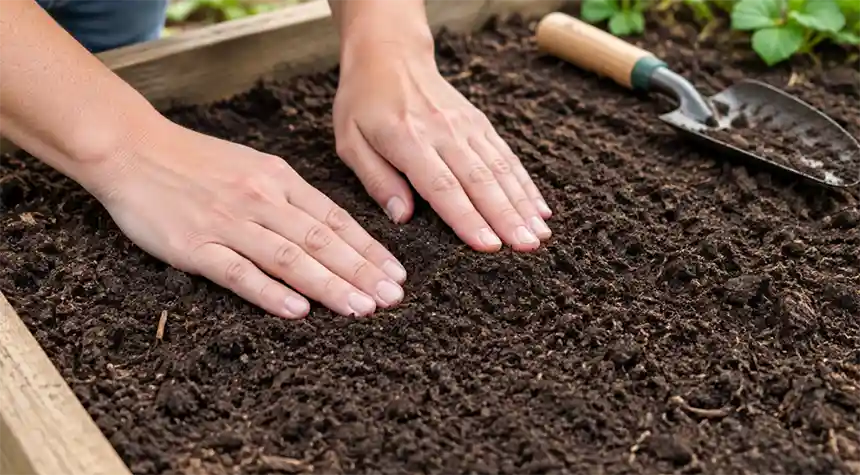
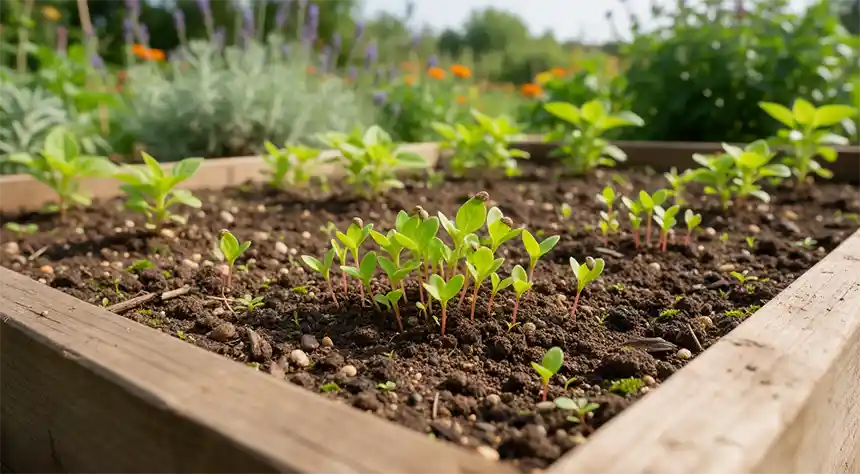
Step 5: You will start noticing tiny seedlings after 7 to 10 days. Transplant them to their final position and space them apart for good airflow. Keep the soil moist for proper growth.
YourHomify Tip
While growing smaller varieties in pots, make sure they have proper drainage holes to prevent fungal problems.
What are the Ideal Growing Conditions For The Celosia Plant?
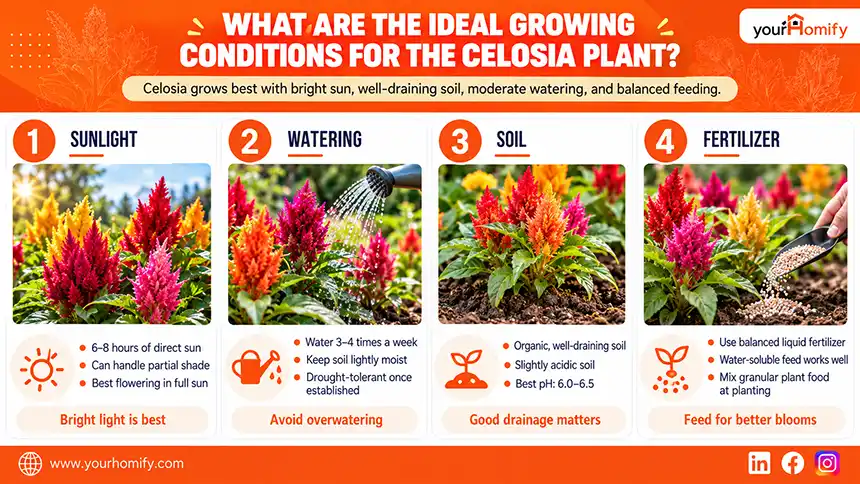
When I care for celosia, I mainly focus on four things: bright sunlight, well-draining soil, moderate watering, and proper feeding with plant food.
Although planting celosia and growing it indoors or outdoors is easy, you still need to focus on appropriate growing conditions for healthy flowering.
- Although these flowers can also be grown in partial shade, I would recommend growing them in direct sunlight for a minimum of 6 to 8 hours for proper flowering.
- Celosia needs moderate watering. You only need to water the plant 3 to 4 times a week. Once they are fully established, they become drought-tolerant.
- Whether you are growing by sowing the seeds or planting seedlings, make sure the soil is organic and well-draining. It should be slightly acidic in nature, and the pH should range between 6.0 and 6.5.
- A balanced, water-soluble liquid fertilizer works best for celosia plants. To encourage healthy flowering, I usually mix a granular plant food into the soil during planting.
YourHomify Tip
If you are planning to grow celosia indoors, it should get a minimum of 6-8 hours of morning sun. You can also use artificial grow lights for the seeds to germinate properly.
Understanding the Plant Hierarchy of Celosia
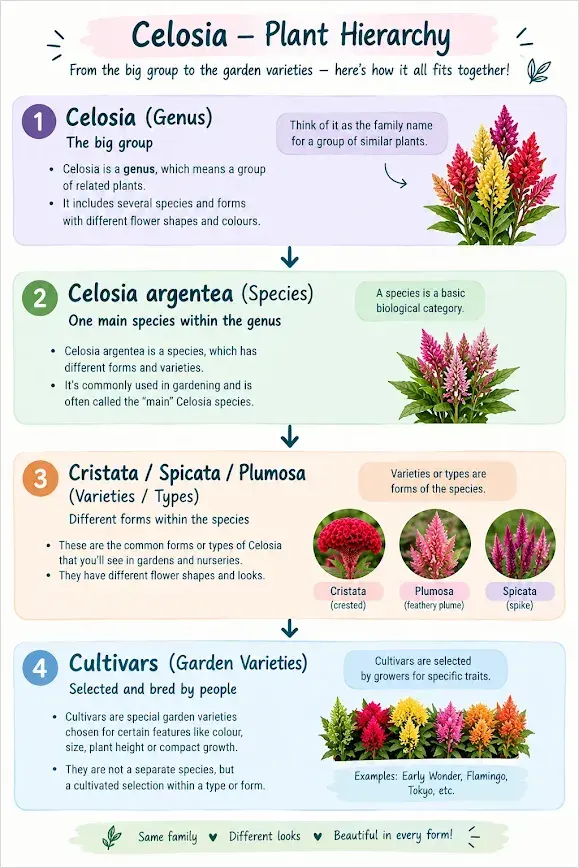
During my research, this is the part where I got confused. Celosia is the genus name. You can think of it as a family name for a group of related plants. The four main types or divisions you will commonly come across are Celosia argentea, Celosia plumosa, Celosia cristata, and Celosia spicata.
Let us understand what genus, species, varieties, and cultivars mean in this context.
5 Popular Celosia Cultivars or Garden Varieties
Some of the most popular cultivars of this genus are:
- Celosia Argentea
- Celosia Spicata
- Celosia Plumosa
- Celosia Cristata
- Celosia Trigyna
Here, I have covered some basic details about each so that you can make an informed decision before planting them.
1. Celosia Agrentea
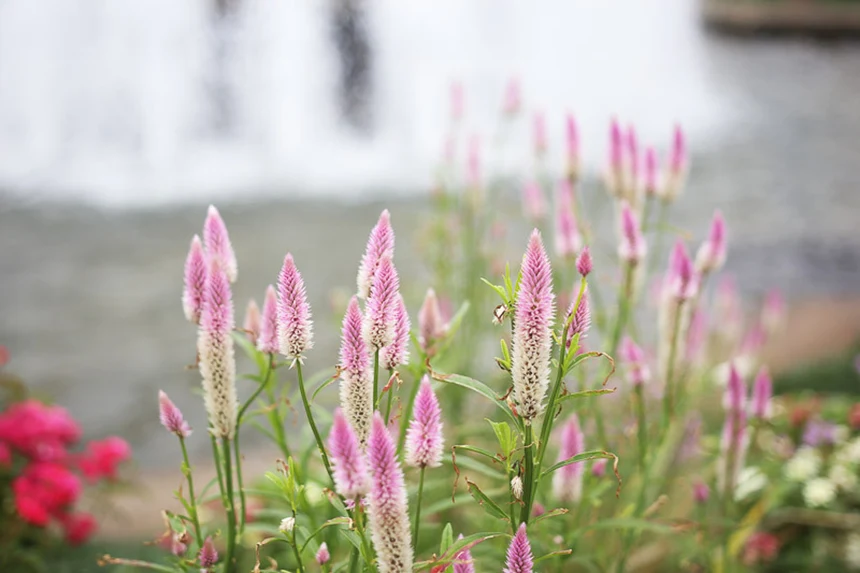
Celosia Argentea is commonly known as the silver cockscomb or plumed cockscomb. It is an erect and vibrant herbaceous plant belonging to the Amaranth family. Young leaves and shoots of the plant are widely used for culinary purposes.
According to the National Parks Board, Singapore, this particular variety is used as cut flowers during the Chinese New Year. Growing about 12 to 48 inches tall, Celosia argentea is an excellent ornamental variety. You can spot them in borders, flower beds, and containers.

2. Celosia Spicata
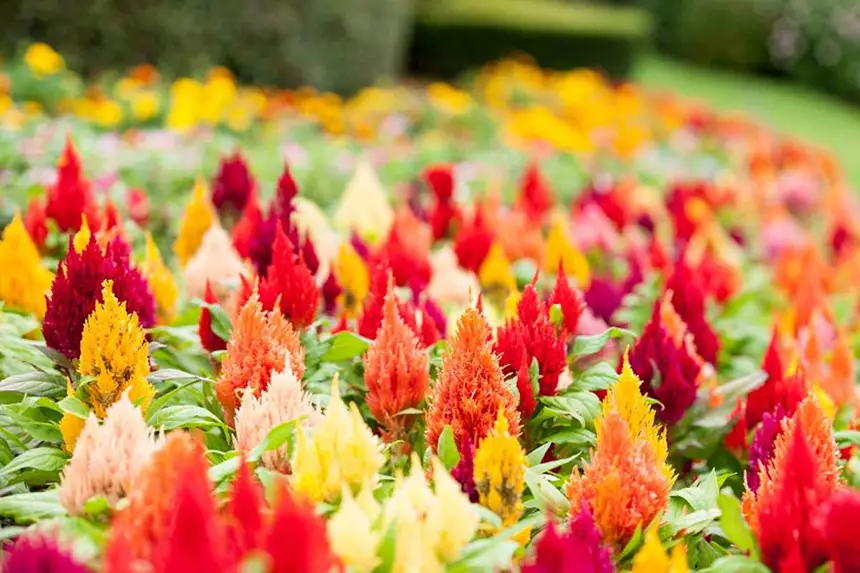
Looking for a low-maintenance variety? Celosia Spicata is your answer! This is a stunning and easy-to-grow annual plant. It is a popular member of the amaranth family. The spike-shaped flowers that look almost similar to the sheaves of wheat give this variety its common name – Wheat celosia or spiked celosia.
I have mostly Celosia spicata growing in outdoor gardens. You can use them to make fresh summer bouquets or dried floral artwork. Since this is a sub-variant of the argentea genus, the plant extract is used to make traditional medicine to treat diarrhea and liver issues.
3. Celosia Plumosa
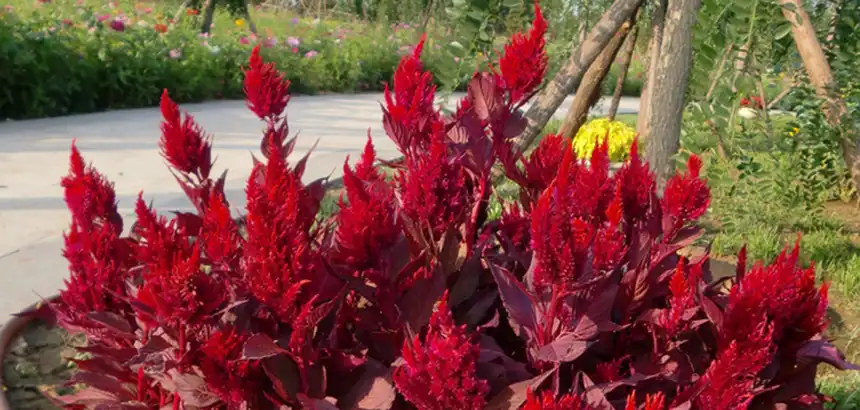
Florists or garden enthusiasts know this variety by the name plumed celosia or feather celosia. The bright, flame-like upright flower plumes are its main attraction. Celosia plumosa typically grows about 12-24 inches tall and comes in various shades of red, yellow, orange, magenta, pink, and purple.
Wide compact varieties of the species are grown in pots. You will see them blooming in balcony gardens or on patios. Due to its exceptionally long vase life, florists recommend this for bouquets or interior arrangements.
4. Celosia Cristata
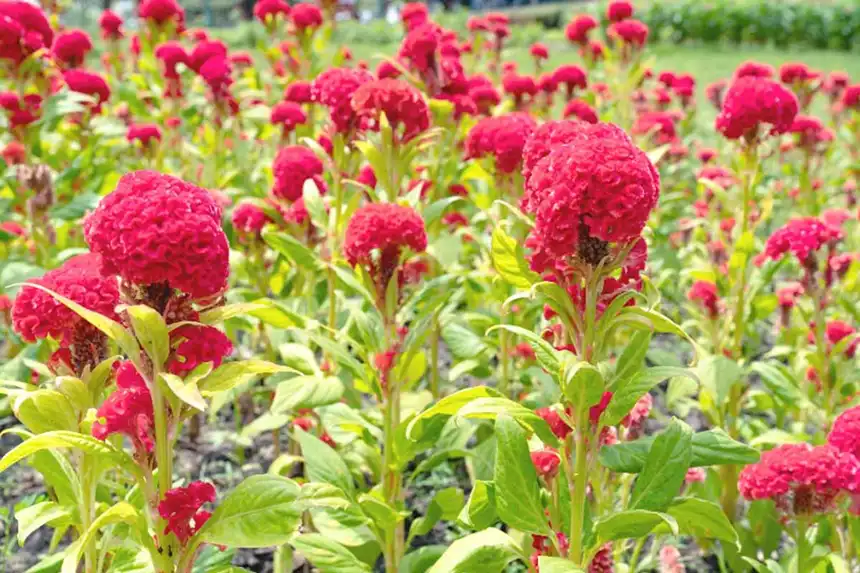
How can anyone not fall in love with this variety? Celosia cristata is also called cockscomb or crested cockscomb. It is a beautiful annual herbaceous plant, famous for its velvety flower heads. You can plant them in gardens, borders, and containers for a pop of color.
The tender leaves and stems of this celosia plant are eaten as leafy greens. I mostly use them in soups and stews. Seasoned garden enthusiasts prefer growing cristata in large landscapes to support local biodiversity, as the bright blooms are known to attract pollinators like bees and butterflies.
5. Celosia Trigyna
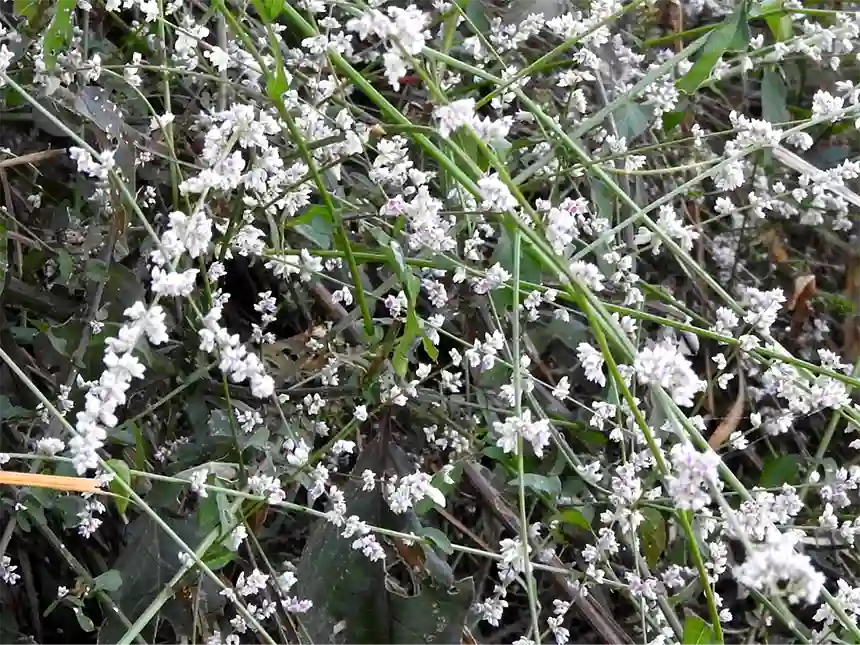
Celosia trigyna, or woolflower, is native to the tropical parts of Africa. This is an erect, annual herb that grows well during the rainy season. Its tiny white flowers are used across African regions to treat chest and cardiac pain, mouth ulcers, intestinal worms, and skin wounds.
Trigyna prefers growing in warm environments with full sunlight. The soil should be well-draining. While sowing the seeds, make sure the soil is warm. Lightly moisten the soil, and you are good to go. Although this variety is low-maintenance, you still need to monitor for pests, aphids, and spider mites.
Maintenance and Care Tips (Pruning, Pinching, Deadheading)
Some major maintenance tips that one should keep in mind are:
| Pruning & Pinching | Stem Trimming | Deadheading |
Now that I have explained the celosia planting steps and its different varieties, it is time to explore its maintenance and garden care tips. Let us quickly explore some of these in this section.
- Pruning and Pinching: This is basically done to maintain the shape of the plant. I usually remove dead leaves and flower spikes to encourage new growth.
When your young celosia plants reach about 4 to 6 inches tall, pinch off the growing tip of the stem. This will give you bushier growth with more flower spikes. - Stem Trimming: This refers to cutting the bottom ends of the stems of the flower to enhance its vase life. It should only be done when you notice pests or fungal diseases.
Remove all the broken and affected stems that might stunt the growth rate of the Celosia plant. - Deadheading: This basically means cutting off old or fading blooms so that the plant can focus and redirect its energy on new growth. Use clean pruning shears and remove the faded flower or affected stems.
As per research done by the New York Botanical Garden, deadheading should only be done when the blossoms start losing their color and turn slightly brown or brittle.
Pest Problems and Their Solutions
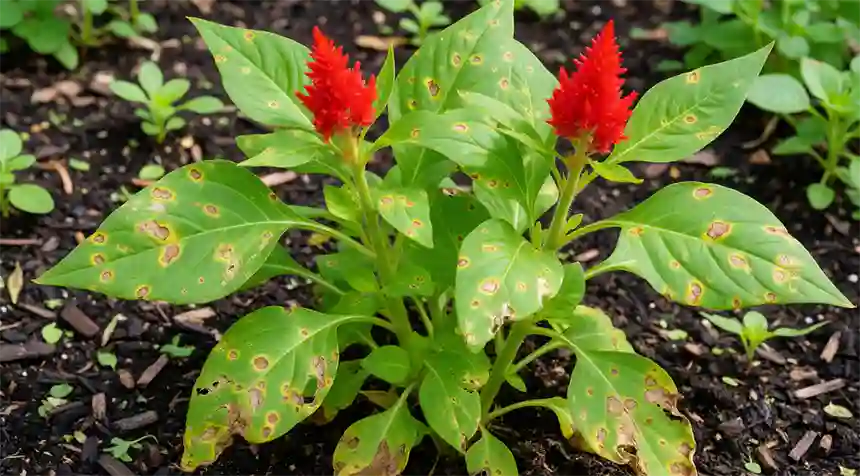
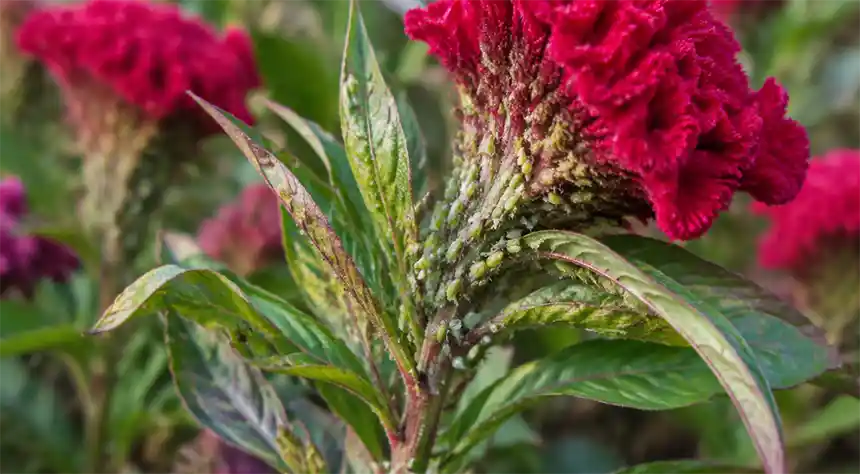
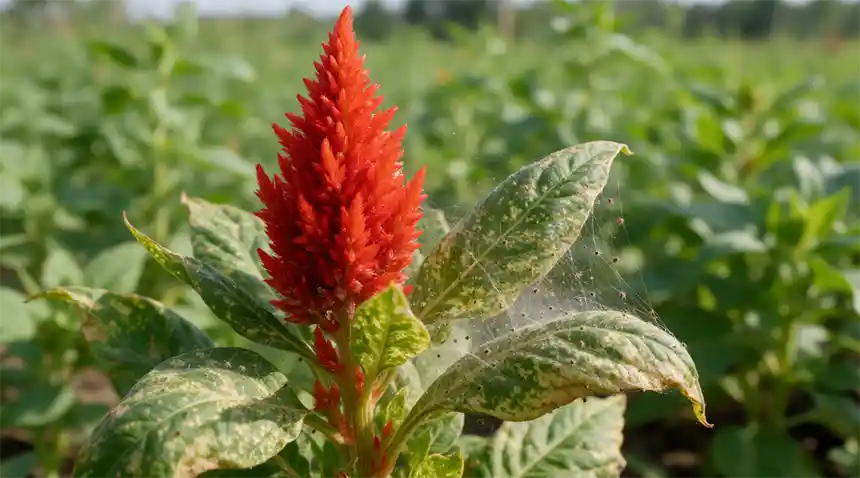
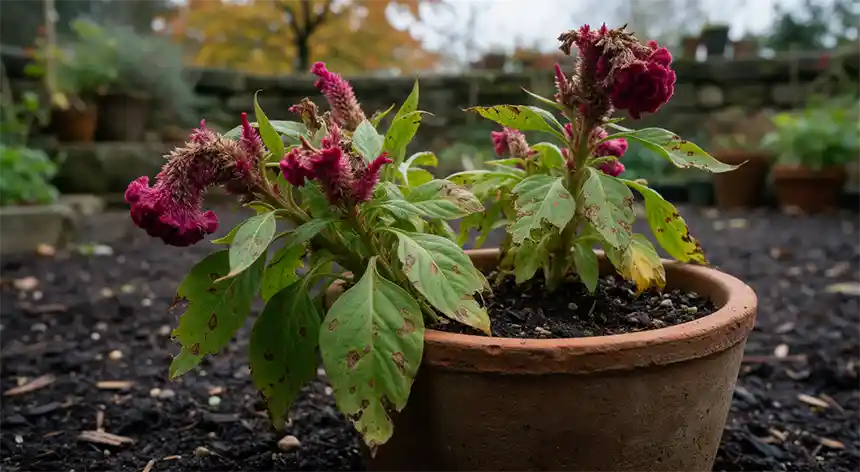
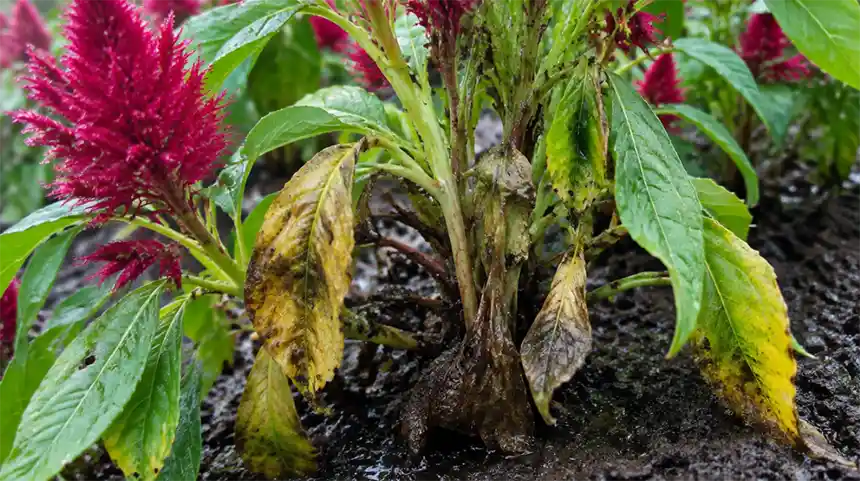
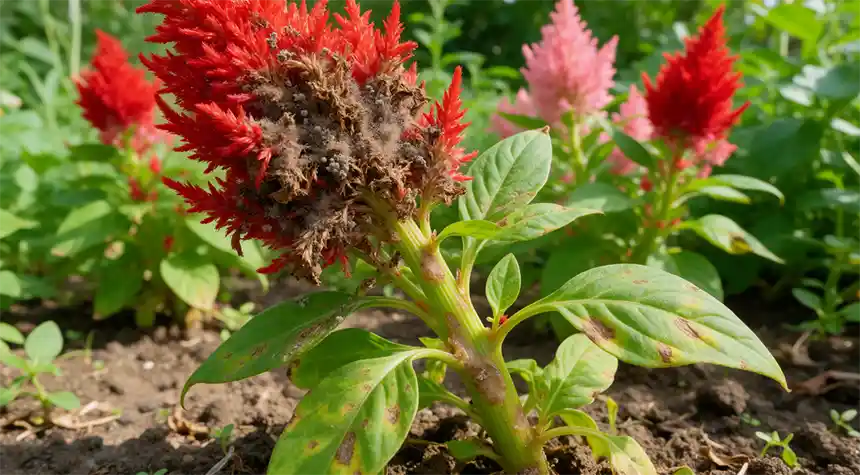
Leaf spot, cold damage, overwatering, aphids, botrytis blight, and spider mites are some common challenges that you might face while growing this flowering plant. As a seasoned gardener, I have had my fair share of experiences, which I have listed below.
List of Best Companion Plants For Celosia
You can either add companion plants to create a color contrast or to deter pests. If you are an experienced gardener, you can also plant species that have similar growing needs like celosia. This saves both time and effort.
Here are some of the best companion plants for Celosia.
| Companion Plant Name | Benefit |
Marigold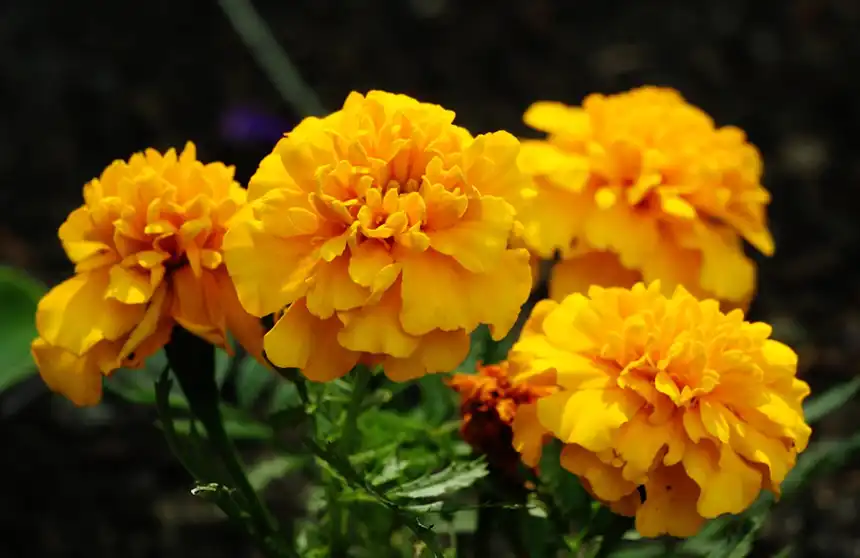 | This flower is mainly grown along with celosia because they have similar growing conditions. Both plants prefer full sunlight and well-draining soil. You can also add these for a pop of color. The bright yellow blossoms of marigold go well with orange-red spikes of celosia. |
Petunia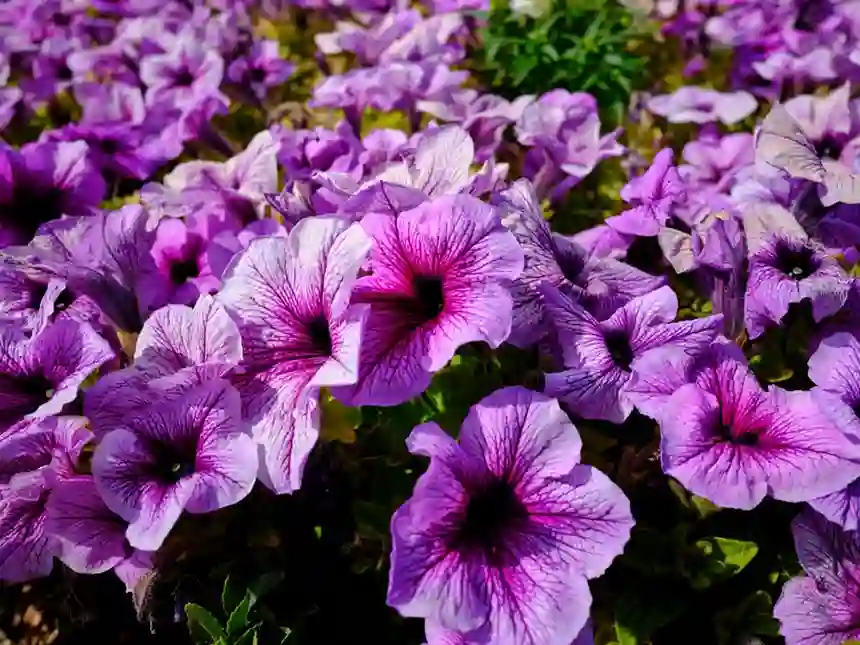 | Although both the flowers have a contrasting growth habit, they have similar care needs. The cascading and filler look of petunia goes well with the upright structure of celosia. Also, the soft pastel color of this bloom and rich, intense hues of celosia create a perfect contrast. |
Zinnias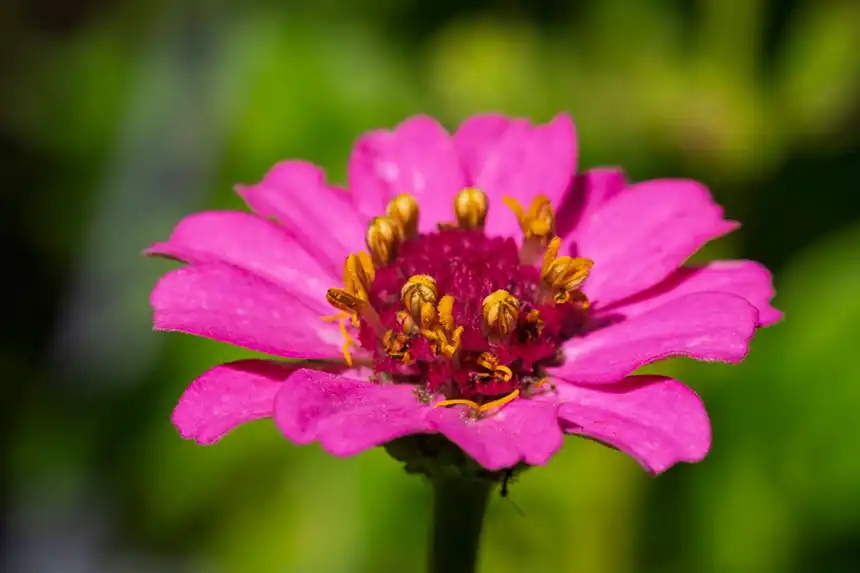 | Zinnias are stunning and eye-pleasing flowers that make great companion plants. While celosia produces feather-like spikes, the daisy-like blossoms of zinnia instantly enhance the whole look of the garden space. Similar care needs are also one of the reasons for planting zinnia and celosia together. |
Garlic or Chives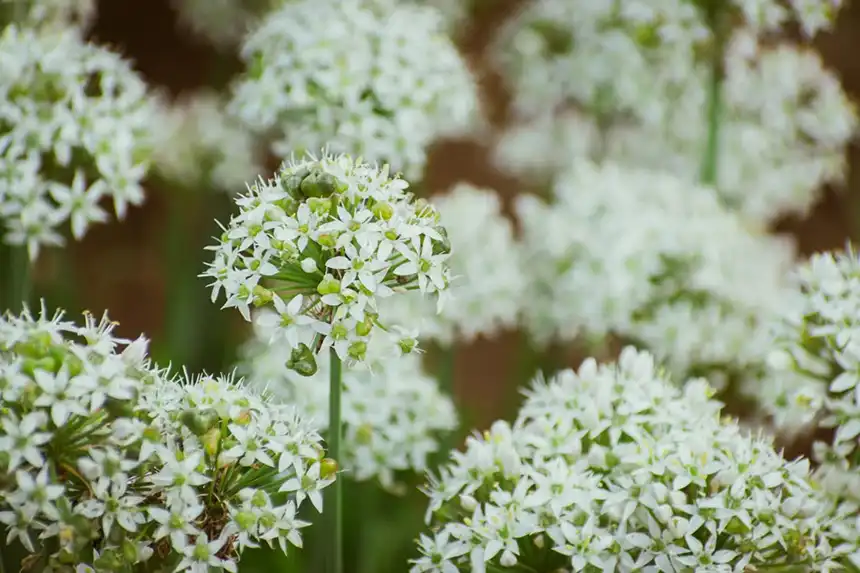 | The strong, sulphur-based, and pungent smell of garlic chives naturally repels common pests like aphids and spider mites. Its white, star-like blossoms attract beneficial pollinators that improve pollination of celosia also. |
Dusty Miller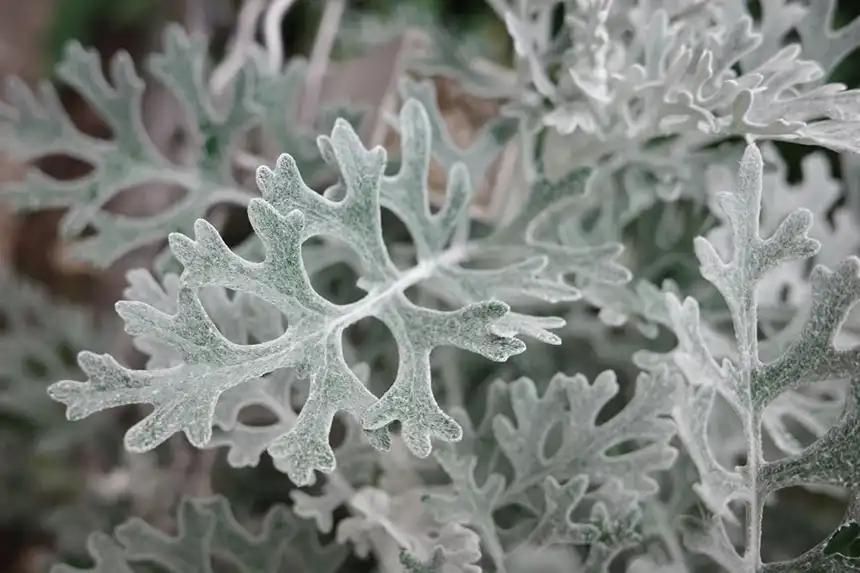 | The silver-gray foliage of dusty miller creates a beautiful backdrop. I usually plant these around the borders and celosia in the middle for a more eye-catching look. |
Final Words
Planting celosia has been a rewarding experience for me. When I began this journey, my main goal was to make this flower survive. From following a proper care guide to keep checking for pest infestation, you name it and I have done it. The best part of this genus is its exotic appearance. With so many varieties available, you can literally plant them anywhere, and they will flourish.
Being a close relative of quinoa, spinach, and beets, you can use celosia for many culinary purposes as well. The fact that its color and shape remain the same even after drying them for floral artwork always intrigues me!
FAQs
Do Celosia plants come back every year?
No, celosia plants do not come back year after year. They only rebloom if you live in a very warm climate area, or they drop seeds.
Can celosia be planted directly in the ground?
Yes, you can plant celosia seeds directly in the ground. Once the danger of the frost season has passed and you feel that the soil is warm enough, you can start growing this beautiful bloom. Make sure to sow the seeds in an area where it can get proper sunlight and the soil is permeable.
What is the average lifespan of a Celosia plant?
Since the plant is mainly grown as an annual species, its average lifespan is about 6 to 9 months. Its growth period also depends on the hardiness zone you are planting it.
What type of potting soil is best for Celosia?
Celosia plants need a light, organically rich, and fast-draining potting mix. If you are planting it in a container, make sure it has proper drainage holes.
- Celosia – University of Minnesota Extension
- How to grow celosia – BBC Gardeners World Magazine
- How to Grow and Care for Celosia Plants (Cockscomb) – Yahoo