Pressure-treated wood has been a go-to choice for gardeners due to its durability and versatility, but there have been concerns over its safety over the years, especially for indoor use and edible plants. This is primarily because of the use of arsenate in treating lumber, which was banned by the EPA in 2004 due to high toxicity levels.
The treated wood used today by gardeners is infused with alkaline copper quaternary (ACQ), copper azole, and micronized copper azole, which are safe and efficient for gardening purposes. Throughout my experience working with pressure-treated lumber, I have learned that the main challenge lies in the aftercare and not the installation, which involves regular checkups, cleaning, and maintaining the safety of both the wood and plants.
If you are also wondering what pressure-treated wood is, let me take you through a detailed guide about pressure-treated lumber with its safety concerns, pros and cons, other alternatives to use for easier gardening, and some bonus tips.
Quick answer
Pressure-treated wood is chemical-infused lumber that is used in raised garden beds. They are first placed in a vacuum to remove the air and later treated with 3 core chemicals: alkaline copper quaternary, copper azole, and micronized copper azole. This helps prevent the wood from decaying when exposed to wet soil and water continuously.
What is Pressure-Treated Wood?
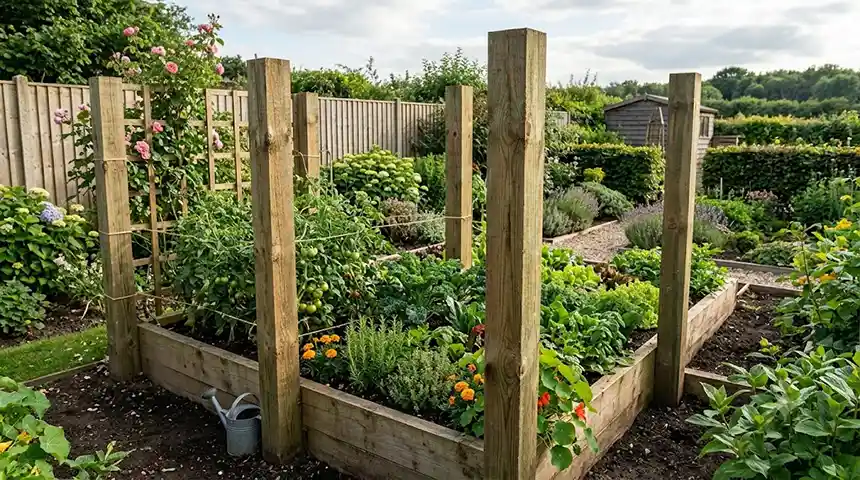
Pressure-treated wood is lumber treated with chemicals under high pressure to be fit for residential purposes. The three core chemicals used in pressure-treated wood are alkaline copper quaternary (ACQ), copper azole, and micronized copper azole. Wood is placed in a vacuum chamber to remove the air inside it and later infused with chemicals.
Treated wood helps resist soil rot and fungal decay. This is popularly used in garden beds to offer flexibility and convenience. The main purpose of using treated wood for gardening is that this type of lumber lasts 15–40 years depending on climate and maintenance and costs much less than other natural wood alternatives.
Is Pressure-Treated Wood Safe for Raised Garden Beds?
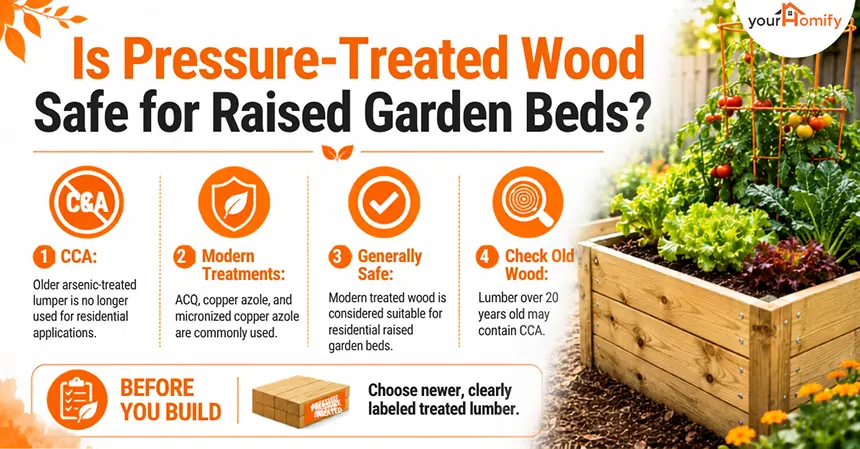
Yes, the pressure-treated wood used in gardening is considered safe for plants, especially after the use of CCA (chromated copper arsenate) in treating lumber was outlawed by the EPA due to high levels of toxicity for both plants and humans.
Since then, treated lumber comprises 3 main chemicals: alkaline copper quaternary, copper azole, and micronized copper azole, which have been safe for gardening and other residential uses, as stated by the Oregon State University. Therefore, ACQ-treated wood is a safe choice for raised garden beds, but taking into consideration the age of the wood is important, as wood older than 20 years may contain CCA, which can hamper the safety of the garden.
YourHomify Insight
According to Oregon State University, the use of copper in chemicals infused in treated lumber does not affect the plant’s growth, as the nutrient has been an integral part of the plant’s growth.
Pros and Cons of Using Pressure-Treated Wood
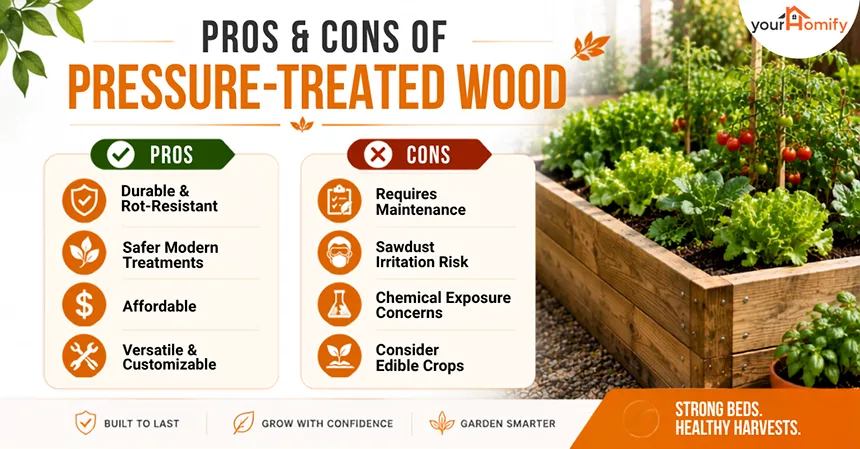
Pressure-treated wood for raised garden beds has its own set of pros and cons. They offer convenience and affordability but can fade over time and require regular maintenance.
Take a look at the pros and cons of using pressure-treated wood in detail:
Advantages of Using Pressure-Treated Lumber
Pressure-treated wood is preferred mainly due to its long lifespan, affordability with certified safety, and versatility. It offers convenience at affordable prices.
- Durable: Pressure-treated wood is treated with different chemicals after being placed in a vacuum to prevent it from decaying. This makes it much more durable than normal wood. The infused chemicals make the lumber rot-resistant and less prone to leaching.
- Safe to Use: As per the research done by various scientific portals like the Penn State Extension and the University of Oregon, the chemicals used in the making of the treated wood are completely safe to use, unlike the CCA-treated wood, which was toxic for both pets and humans.
- Affordable: The average price of pressure-treated wood ranges from $2 to $15 per board, which is more than half the price of natural wood alternatives. This makes it a favorable choice for gardeners who require a long-lasting material but at lower prices. While softwood natural lumber is cheaper than treated lumber, it can rot quickly.
- Versatile: One of the most underrated advantages of pressure-treated lumber is its versatility. Not only can it be molded into any shape and form, but it can also be colored and designed as per personal preference, which helps in adding a personal touch and makes the whole process of gardening much more enjoyable.
Disadvantages of Using Pressure-treated Lumber
Treated lumber is generally high maintenance and requires regular inspection, along with being prone to causing skin allergies. While the ACQ-infused lumber is safe for use, there are still concerns over its safety.
- High Maintenance: Since the wood has been treated with various chemicals and is in contact with water and soil all the time, it requires regular maintenance and regular checkups for any decay or rot. Since this is just a boundary of the garden, it can become a little tedious for a gardener to manage both things.
- Health and Safety Concerns: Even CCA-free treated lumber still carries copper-based chemical residue that can cause skin irritation. . While handling the wood (cutting and assembling), the residue exposed to air might come in contact with the eyes and skin, causing allergies. Similarly, the wood leaching into the soil can disrupt its nutrient levels and harm edible plants.
YourHomify Tip
Wear gloves, sleeves, and masks while handling the treated lumber to avoid any skin allergies, and contact a health professional in case of any discomfort.
How to Build a Raised Garden Bed With Pressure-Treated Wood?
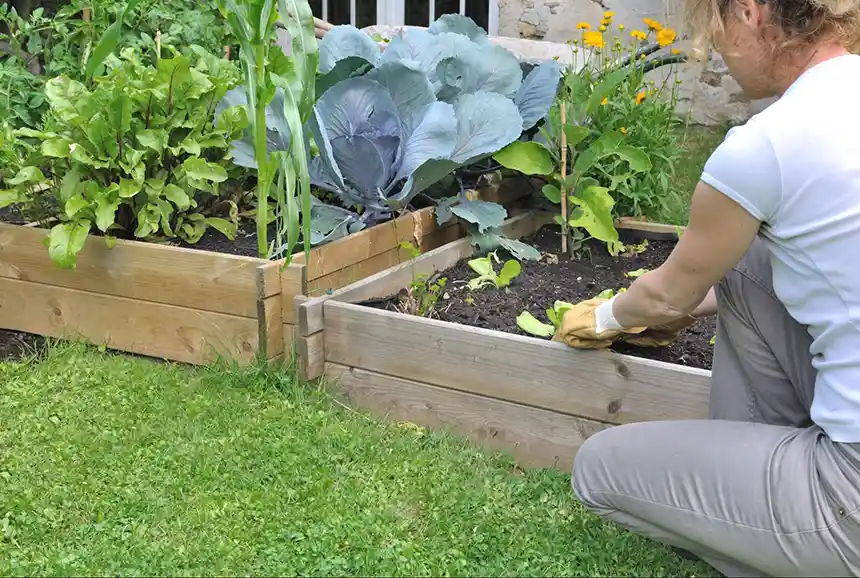
To build raised garden beds using pressure-treated wood, start by selecting a proper spot, purchasing 4×4 lumber, and assembling as per your desired depth. Gardeners prefer an 18-24 inch deep garden bed to ensure affordability and convenience.
Take a look at the step-by-step process of building a raised garden with pressure-treated wood:
Step 1: Site Selection and Preparation
Select an appropriate spot for the raised garden bed that receives 6-8 hours of direct sunlight and is near a water source for proper irrigation. Clean the area by removing the debris and weeds. It is preferred to lay down a sheet of plastic or wet newspaper to prevent the growth of weeds.
Step 2: Gather the Materials
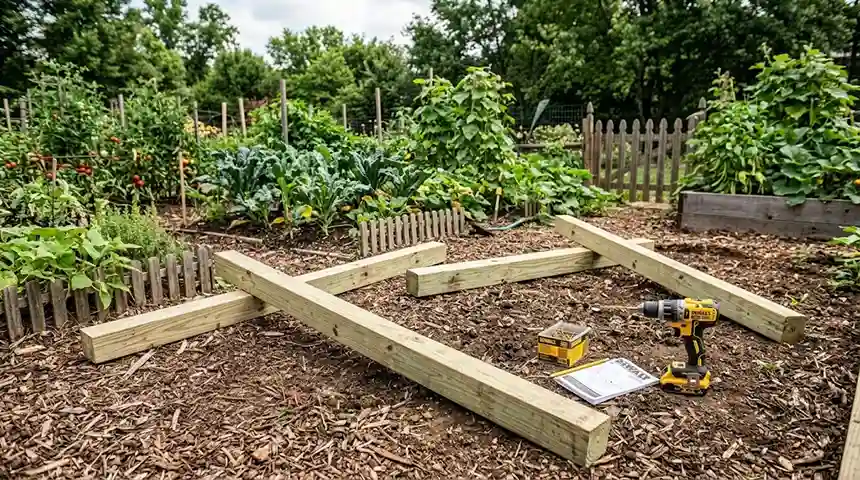
Take six 2″ x 8″ x 8’ wooden boards for creating the sides and four 4″ x 4″ x 8’ posts for connecting all of them. The ideal size of a corner post is generally 4″ x 4″, which is actually measured as 3.5 ” x 3.5 “. These posts give us the perfect depth and width to drill, unlike the 2″ x 2″ or 2″ x 4” posts.
Remember, the number of posts can vary as per your desired depth of the garden bed. The number mentioned here is for reference and does not mean a standard value.
Step 3: Cut and Assemble
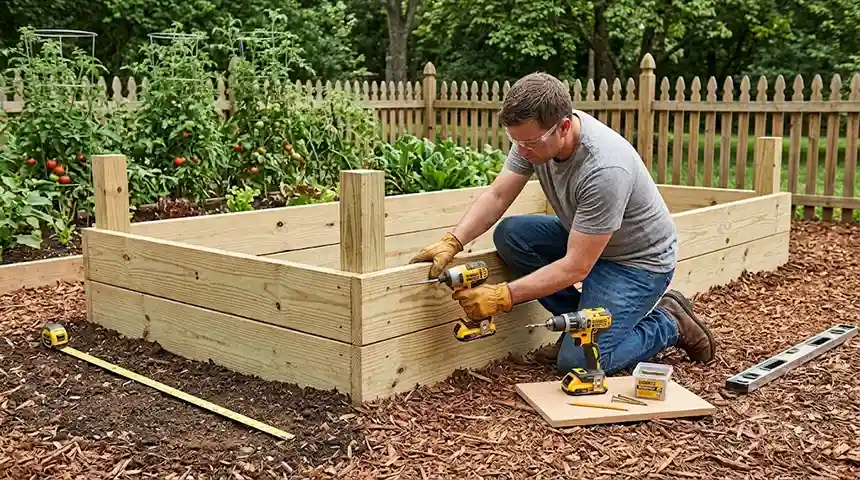
Start by taking two 2”x8”x8’ boards and placing them one above the other for the longer sides on both ends. Since these are 8 inches deep, stacking two boards makes the depth of the entire bed 16 inches. For the shorter side, cut the remaining 2x8s into shorter pieces, up to 4 feet long (half the size of the longer sides). With the help of a cordless driver and an impact driver, bind these boards together using a 4×4” post at each corner.
Quick Tip
The ideal depth for a raised garden bed is 18-24 inches. So, you can layer the bed with another board to reach the desired depth. Too shallow garden beds can cause nutrient deficiency after maturing; hence, be mindful while assembling.
Step 4: Start Planting
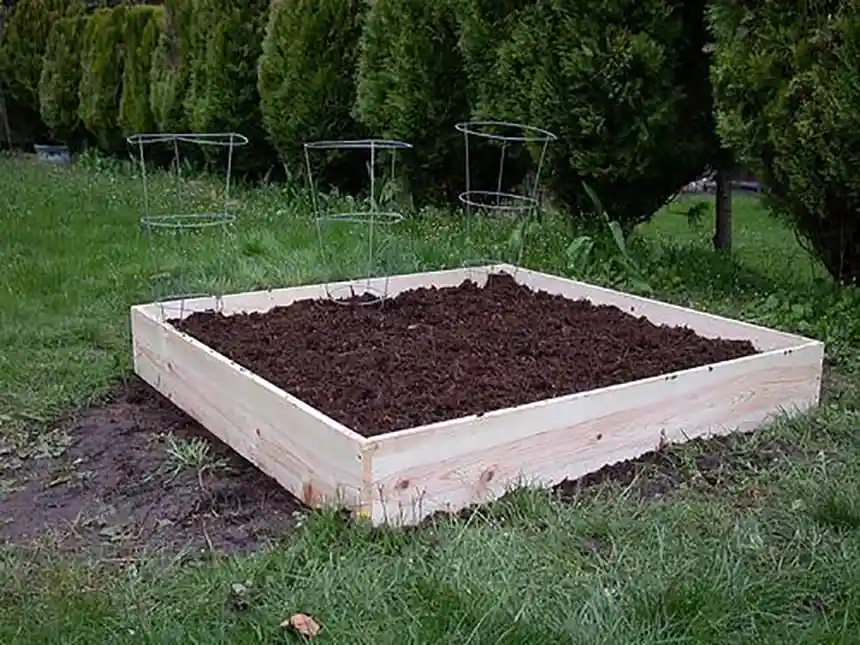
Fill up the garden bed with the soil of your choice and start planting on the go. You can go ahead and cover the raised garden with some PVC hoops and insect nets or frost cloth to protect it against unwanted insects and snow, which can damage the plants.
Key Considerations While Using Pressure-treated Wood For Raised Garden Beds
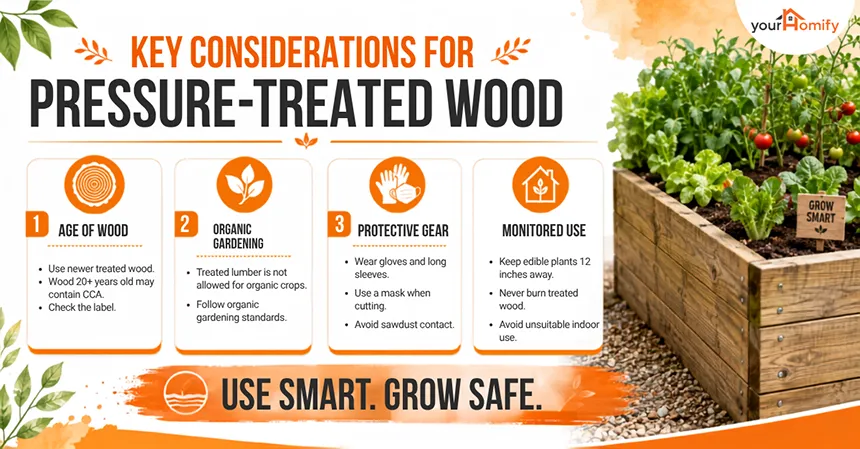
Some key points to consider before using pressure-treated wood are the age of the wood, as old wood is prone to decay and can contain CCA. Organic gardeners are prohibited from using treated lumber to prevent the use of chemicals in organic gardening. It is also recommended to wear safety gear to avoid skin allergies while handling the wood, along with being mindful of its use domestically.
Here are the key considerations while using treated lumber in detail:
- Age of the Wood: It is recommended to use new pressure-treated wood instead of old wood for raised garden beds because the older variety may contain CCA, which has been declared toxic for plants and humans. Any wood older than 20+ years can contain CCA and should be discarded immediately. One simple trick to be safe is to check the label for the chemical composition and analyze the weight, as the old wood is lighter than the new wood.
- Prohibitions on Organic Gardeners: As per the Washington State Department of Agriculture, the USDA has prohibited the use of treated lumber for planting organic crops. It is stated that organic farmers/gardeners cannot use the treated lumber in any way that directly impacts the organic crops. However, the use of treated wood for fencing or end posts is allowed as per the guidelines.
- Wear Gloves and Mask: According to the National Pesticide Information Centre, it is recommended to wear gloves, long sleeves, and masks to protect oneself from the harsh chemicals infused in the treated lumber, which can cause skin allergies. Even if the lumber is considered safe for plants, they are still processed heavily with the use of chemicals, which can be harmful, especially when cutting and molding the posts. Wearing gloves and masks will prevent the residue from coming into contact with your skin and causing irritation.
- Monitored Use: As an extra precaution, NPIC suggests keeping edible crop roots at least 12 inches from the treated wood — not because modern ACQ/copper azole treatments are considered unsafe, but as a conservative buffer against copper leaching directly into root zones. Since the wood is highly processed, NPIC suggests that certain treated wood is not recommended to be used indoors. It should also not be used for burning purposes, as that can release the chemicals used in the air.
Best Alternatives to Pressure-Treated Wood
Redwood, cedar, juniper, and white oak are some of the most popular alternatives to pressure-treated wood due to their durability and resistance. There are many alternatives to treated lumber, but these are the top-tier disease- and rot-resistant options.
Take a look at these options in detail with their lifespan and initial cost:
1. Redwood
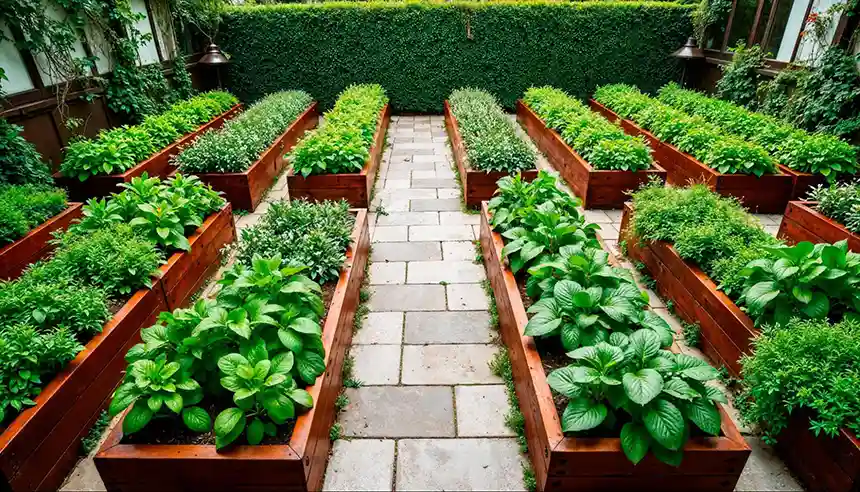
Redwood is considered one of the most used alternatives to pressure-treated wood. This softwood species is a warm red-brownish material that offers natural resistance to pests and decay, which is the main reason why gardeners prefer using it for raised garden beds. It is a chemical-free option for organic gardeners who are looking for durable lumber. The average lifespan of redwood is 30-50 years with minimal maintenance. Per-board cost for redwood ranges from $50 to $120, which can be a little expensive, but it is well worth it for its functionality.
2. Cedar
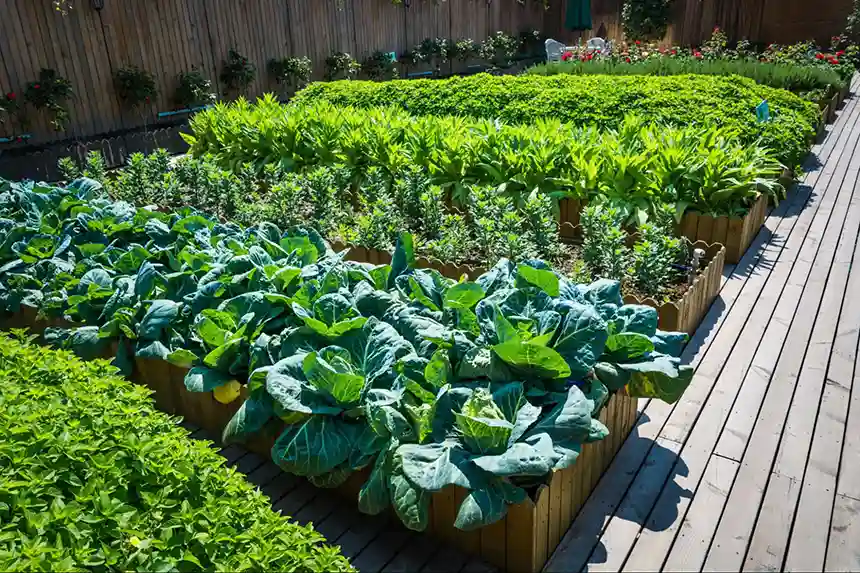
Cedar is also a softwood species that is used as a chemical-free alternative to treated lumber. This disease- and rot-resistant wood is extremely popular in organic gardening due to its natural composition. It has a warm brown color, which gives a natural wood appearance when used in garden beds. The average lifespan of cedar lumber is around 10-20 years, with a per-board price ranging from around $50, varying as per different sources.
3. Juniper
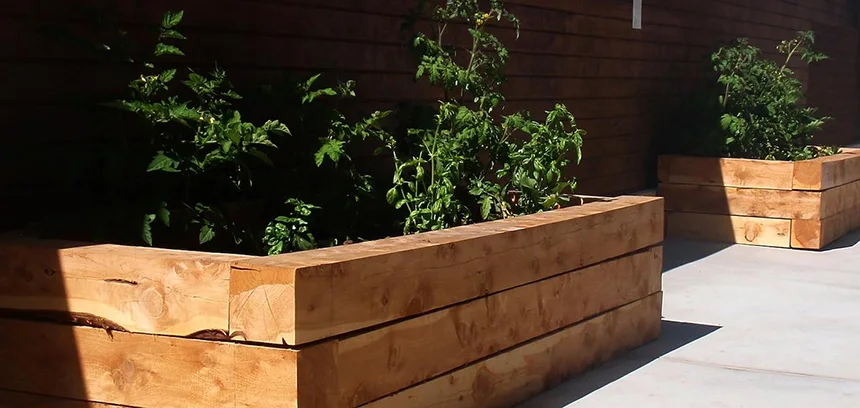
Juniper wood is another exceptional wood alternative for raised garden beds, which often outperforms cedar and redwood. Similar to other chemical-free options, juniper also has the ability to withstand climatic wear and tear while being rot-resistant. The per-board price for juniper ranges from $20 to $40, lasting up to 30-50 years. It is made of heartwood and sapwood, which makes it extremely moldable, hence easy to work with.
4. White Oak
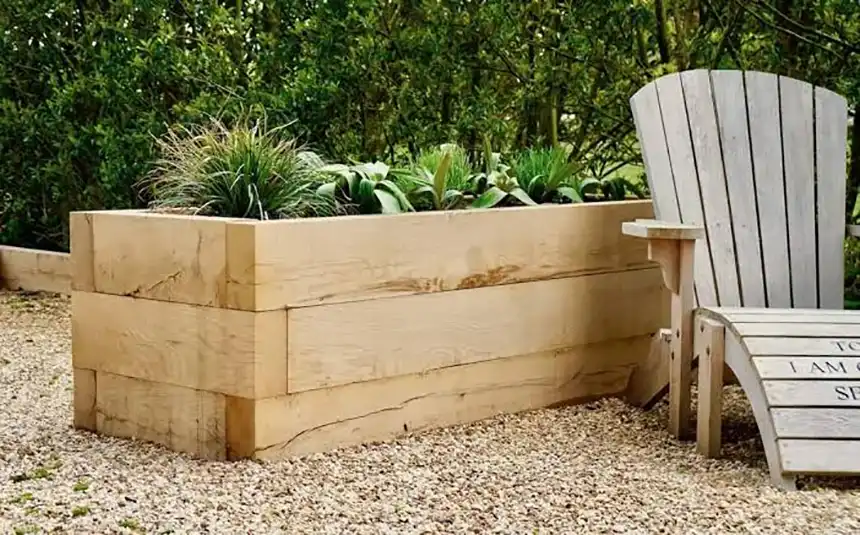
White oak hardwood is a strong and durable option for raised garden beds, which resists water retention and fungal decay due to specific tannins present in it and is ideal for direct contact with the soil. They are extremely strong and durable, lasting up to 20 years or more with medium to low maintenance. White oak is an environmentally friendly option, especially if sourced from local manufacturers. The average price of white oak per board is $15-$50.
Concluding Remarks
Pressure-treated lumber has been declared safe for gardening use after the EPA banned the use of CCA (chromated copper arsenate) in its making in 2004. . The new wood contains alkaline copper quaternary, copper azole, and micronized copper azole. While they are safe for domestic use, organic farming prohibits the use of treated lumber. My advice for new gardeners using the treated lumber for the first time is to place the edibles 12 inches away from the wood and wear gloves to avoid skin contact.
FAQs
What does pressure-treated wood mean?
Pressure-treated wood is lumber infused with chemicals like alkaline copper quaternary (ACQ), copper azole, and micronized copper azole, which help prevent the wood from decaying after it is exposed to wet soil for a prolonged period.
What are the downsides of using pressure-treated wood?
The downsides of using pressure-treated wood are that it requires regular maintenance, as it may break or fade over time. The protective layer of the pressure-treated lumber might also fade over time, which might require regular checks.
What type of wood is best for raised garden beds?
Cedar and redwood are best for raised garden beds, as they have natural pest-repellent properties and are rot-resistant. They are not pressure-treated wood but are used in raised garden beds due to their durability.
When should you not use pressure-treated wood?
Pressure-treated wood should not be used indoors or for burning. For edible plants, keep direct food contact to a minimum by lining beds or leaving a buffer zone — modern ACQ/copper azole-treated wood is not banned near food crops, but organic growers are prohibited from using it.
How many years will the pressure-treated wood last?
Pressure-treated wood most likely will last up to 15-40 years, depending on various factors like local climate, care, and the way it is planted.
- Is it safe to use pressure-treated lumber for raised garden beds?– The University of Maine