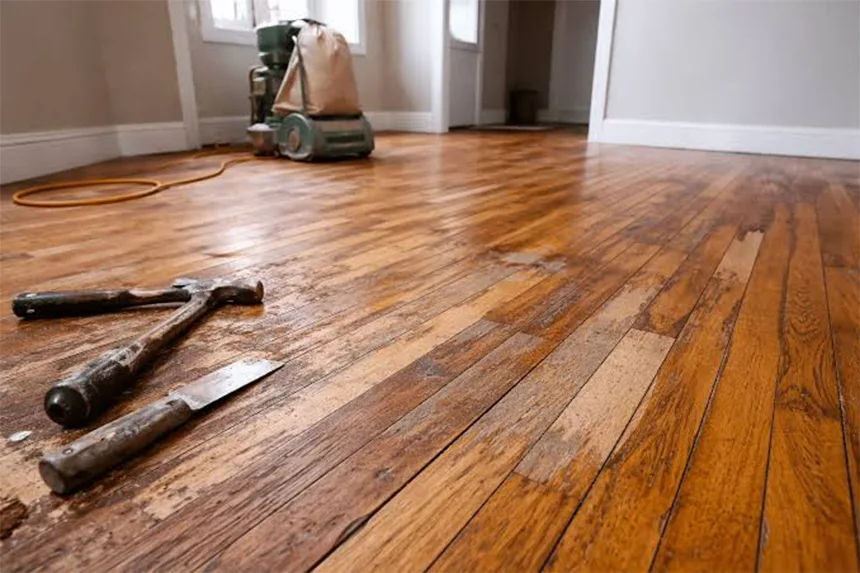
Hardwood floors not only add warmth to a home, but also give it structure. However, daily use can gradually wear them down. The appearance and condition can be affected by foot traffic, moving furniture, spills, and changes in humidity. If the problem is left unaddressed, it can develop into a bigger problem.
This is actually important in sub-tropical climate areas like Georgia, where seasonal moisture changes can affect wood flooring. If you are able to spot the warning signs, it can help in preventing further damage, reduce the need for costly repairs, and extend the life of your floors.
Is It Just Dirt, or Is the Finish Worn Out?
Begin with a proper clean. Built-up grime, old polish, or wax can make a healthy floor look dull and tired.
Sweep or vacuum on the bare-floor setting, then use a cleaner made for your type of cleaning. If the floor still looks dull, patchy, or scratched once it’s dry, the problem is probably the finish instead of dirt.
If a past owner used wax or polish, convey it to any professional, as it can affect how well a new finish bonds.
How Can You Test the Finish at Home?
Once the floor is clean, an immediate water test can tell you more. Put a few drops of water on a high-traffic spot, for example, a hallway or the area in front of the kitchen sink, and watch what happens:
- The water beads up: The finish is still protecting the wood.
- It soaks in slowly: The finish is wearing thin, so plan for maintenance early.
- It soaks in quickly or darkens the wood: The finish has worn through, and the wood is exposed.
Wipe the water up straight away, and treat the outcome as a rough guide.
Which Signs Mean It’s Time to Call a Professional?
Next, take a close look at the floor itself. Some wear is normal, but these signs show it needs more than routine care:
- Bare or gray patches: Gray wood often means the finish is gone and the wood is unprotected.
- Deep scratches or gouges: Marks that cut into the wood or the stain color won’t buff out.
- Dark stains: These usually come from water, pet accidents, or plant pots and may go deeper than the surface.
- Peeling, flaking, or sticky finish: This can point to a failing finish or an earlier coat that didn’t bond well.
- Uneven fading: Strong sunlight can change the color of wood, which generally shows when you move a rug.
Do You Need a Recoat or a Full Refinish?
If you’ve detected some of these signs in modern spaces, the next question is how much work the floor needs. Professional hardwood floor refinishing usually comes down to two options:
- Screen and recoat: The professional cleans the floor, lightly abrades the existing finish, and adds a fresh coat. This matches floors that look dull or have light surface scratches, as long as the finish hasn’t worn through.
- Full sanding and refinishing: The floor is sanded back to bare wood, then sealed and finished again. This is usually necessary for exposed bare wood, deep scratches, gray patches, and certain stains.
For a closer look at how these methods vary, Truman Hardwood Floor Refinishing & Cleaning shares a video on its website explaining the two approaches.
A recoat is often quicker and less disruptive, so addressing surface wear early may help you avoid the need for more extensive refinishing.
When Is the Problem Bigger Than the Finish?
Sometimes the wood is reacting to moisture, and refinishing alone won’t fix it. Look for these signs:
- Cupping: The edges of each board sit higher than the middle. According to the National Wood Flooring Association (NWFA), this happens when floors acquire moisture.
- Gaps between boards: Tiny seasonal gaps are normal. The NWFA advises calling a professional if gaps are large or don’t close during more humid months.
- Soft or bouncy spots: These can point to an issue with the subfloor or the structure underneath.
In these cases, find and fix the source of the moisture first, for example, a leak or high humidity. Then give the floor time to dry before any sanding.
Is Refinishing Worth the Cost?
For many homeowners, yes, particularly if they plan to sell. The National Association of Realtors’ 2022 Remodeling Impact Report estimated that refinishing hardwood floors cost about $3,400 and added about $5,000 in value at sale. That’s an estimated cost recovery of 147%.
These are national estimates, so your costs will vary based on your home, the size of the job, and your local market.
How Can You Help Your Floors Last Longer?
Whether you recoat or refinish, good habits will help protect the result. Most of these habits come from the NWFA’s homeowner guidance:
- Sweep, dust mop, or vacuum periodically to remove grit.
- Wipe up spills right away with a dry or slightly damp cloth.
- Avoid wet mops and steam mops, which can damage the finish and wood over time.
- Keep your home between 30% and 50% humidity and 60°F to 80°F year-round.
- Add felt pads to furniture legs and place rugs at busy entrances.
What Should You Ask Before Hiring a Professional?
When you’re ready to get help, these questions can make it simpler to compare quotes:
- Do you recommend a recoat or a full refinish, and why?
- What finish will you use, and when can we walk on the floor and move furniture back?
- What does your guarantee or warranty cover?
- Do you see any moisture or subfloor problems that should be fixed first?
Final Thoughts
Not every dull hardwood floor requires sanding. Start with a good clean and a quick water test to see how well the finish is holding up. If the wood is open, deeply scratched, stained, or changing shape, it’s time to get a professional opinion. Acting early usually means a simpler, less costly fix, while ignoring the signs can lead to larger repairs. With regular care and the right help at the right time, your hardwood floors can stay beautiful for many years.
Frequently Asked Questions
How do I know if my hardwood floors need refinishing?
Deep scratches, exposed wood, persistent stains, widespread finish deterioration, and noticeable discoloration can indicate that professional refinishing may be necessary.
Can scratched hardwood floors be repaired without sanding?
Yes, minor surface scratches may be improved through appropriate cleaning, buffing, or recoating, depending on the existing finish.
Is a dull hardwood floor a sign of damage?
Not necessarily, but persistent dullness can indicate that the protective finish is wearing down and needs professional assessment.
What causes hardwood floors to buckle?
Excessive moisture, leaks, and significant humidity changes can cause wood boards to expand and lift away from the subfloor.
How often should hardwood floors be professionally maintained?
There is no universal schedule because maintenance needs depend on floor traffic, finish type, cleaning habits, and overall condition.