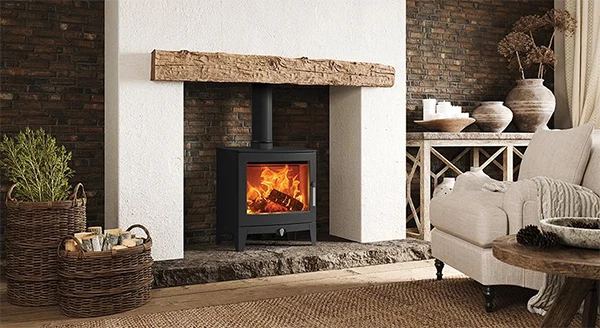
Homes have developed and transformed drastically over the years, with modern places now including smart features and revolutionary designs. But the adoption of a minimal style has brought down the aesthetic appeal of a house’s interior.
This is why many homeowners are incorporating bits of the forgotten past by installing a wood-burning stove to provide the ambience that is mostly absent from newer designs.
This guide highlights its working, benefits, and how you can safely install one for your home using a straightforward step-by-step process.
Key Takeaways
- A wood-burning stove contains a solid metal closed firebox, where the firebricks are placed to provide heating to the surroundings
- This heating appliance doesn’t use electricity and is energy efficient
- Ensure to always wear protective gear while installing or using the stovePerform regular cleaning of the chimney to ensure the long-life of the appliance
What Is a Wood-Burning Stove and How It Works
A wood-burning stove is a heating appliance primarily used for cooking in the 19th century. It uses wood fuel (firewood) or solid fuel (like sawdust bricks) to function.
It contains a solid metal closed firebox, where the firebricks are lined up to provide heating to a modern home.
When the combustion process takes place, the gases are released through a connected metal chimney-like pipe to send the smoke out of the house.
Key Benefits of Installing a Wood-Burning Stove
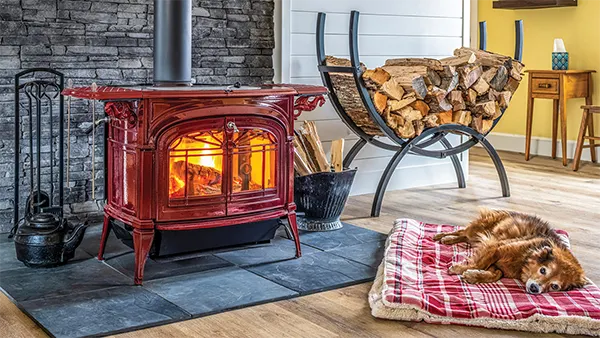
There are multiple benefits of installing a wood-burning stove in your home that encourage the adoption of this engineering marvel into modern houses:
- Energy Efficiency: This heating appliance doesn’t use electricity of any kind to function, making it a better choice than gas or electric alternatives.
- Cost Savings: As the heating is taken care of, the requirement for extra heating appliances is reduced, thereby further decreasing the total expenses as electricity usage is limited.
- Aesthetic Appeal: These elegant-looking mechanisms of the past add a rustic look to the surroundings, as their black exterior provides a unique charm, making it appear different and contemporary with a suitable backdrop.
- Cozy Ambience: Addition of heating functionality in the home allows for seating arrangements near the appliance, making for a cozy environment, allowing for a group gathering, and amplifying ambience.
These unique benefits have made it almost a necessity for homeowners to consider installing one in their homes to beautify their interiors and enjoy the additional advantages it brings.
Types of Wood-Burning Stoves for Modern Homes
Wood-burning stoves basically come in three types, each having different properties and looks:
- Cast iron stove: It’s the traditional material used for stoves, providing a clean aesthetic with a classic design. They are strong and durable, allowing the stove to fire up and retain heat for longer periods of time.
- Steel Stove: This type of wood-burning stove provides a contemporary look. As steel can be welded into shapes, smoother lines and sleek designs can be achieved, making it perfect for modern places. They also heat up very quickly, providing immediate and intense heat.
- Soapstone Stove: They are known for their impressive thermal mass, making them capable of absorbing large amounts of heat and radiating it slowly, even after the fire has gone out.
Fun Fact
When functioning correctly, you can see the gases actually burning at the top of the stove, which looks like a “secondary fire” or dance of flames.
Step-by-Step Installation Process and Requirements
Before beginning the installation process, let’s take a look at what materials and tools you would need:
- Materials Required: Stove pipe, chimney kit, hearth pad (floor protector), wall and ceiling support brackets, vent cap, and heat shield (needed for nearby walls to meet clearance requirements).
- Tools needed: Measuring tape, drill, hole saw, wrench, screwdriver kit, caulking gun, and most importantly, safety gear.
Now that you’ve gathered all these essentials, let’s start with the installation process:
- Cutting vent holes: Mark the location where your chimney will exit, and cut the hole with a saw. Remember to make a hole slightly larger than the class A chimney pipe’s diameter and ensure that all combustible materials or walls are at a safe distance.
- Installing the chimney and support brackets: Attach the first pipe to the stove, using a high-temp sealant, and add support brackets to it to make the connection stable.
- Vent Cap: Place the cap on top of the chimney. This prevents debris, rain, or other interferences from entering the vent and obstructing the airflow.
- Placing the stove: Position the wood-burning stove on the hearth pad, and stabilize its legs to make sure it doesn’t wobble or tilt in a particular direction.
- Connection: Now, carefully attach the stove pipe to the stove’s flue collar. Use screws or clamps (depending on the model) to secure the connection. Also, check that everything is joined properly, with no gaps allowing for smoke leaks.
- Leak test: Light a small fire, using some paper, and test the airflow. Walk around the stove and inspect for any leaks, and apply the sealant if you see any smoke escaping around the joints.
There it is, your wood-burning stove is now ready for use.
Safety Tips and Maintenance for Long-Term Use
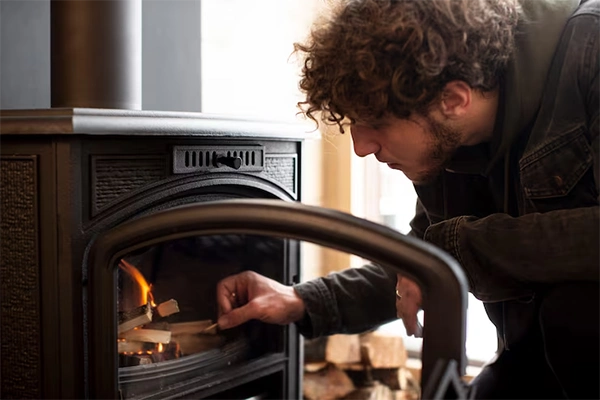
Using a wood-fired stove in your home is surely exciting, but to keep it functioning for a long time, you must know how to maintain it.
Follow these basic tips to ensure its long life:
- Empty the ash pan daily
- Clean the glass weekly, and check for potential leaks
- Deep-clean the firebox every season
- Perform an annual professional chimney sweep
Always remember to keep combustible elements away from the stove and wear protective gear while inspecting or cleaning the components to ensure the safety of yourself and your home at all times.
Conclusion: Is a Wood-Burning Stove the Right Choice for Your Home?
A wood-burning stove provides many benefits, such as decreased energy consumption of the home, saving expenses on heating appliances, and has a clean, sleek look to ensure it fits right in with the aesthetics of your interior.
With multiple types of stoves being available in the marketplace, each providing unique benefits, it’s sure to bring a different charm and functionality to your place when installed correctly, while ensuring appropriate security measures.
FAQs
What are the types of wood-burning stoves?
Ans: The following are the types of wood-fired stoves:
- Cast iron
- Steel
- Soapstone
What should I take care of during the installation?
Ensure all combustible materials are away from the stove, and all joints are secured tightly using the sealant and screw kits.
Why does the chimney require regular cleaning?
The chimney tends to gather dust, debris, and other material during its functioning, and the accumulation of these things can block the airflow, thus reducing the efficiency of the stove.
How to maintain the stove for long-term use?
Ans: The following are the ways to maintain the stove:
- Empty the ash pan daily
- Clean the glass weekly, and check for potential leaks
- Deep-clean the firebox every season
- Perform an annual professional chimney sweep