Many gardeners think planting stops when winter arrives, but that’s not true. As the cool season approaches, it doesn’t mean your garden has to lose its vibrancy or become empty. There are several winter garden plants, vegetables, and flowers that thrive in cooler weather.
In this guide, I have listed some of the best winter garden plants that help keep your space healthy, green, and productive, even during frost. Check out these cold-hardy plants and embark on the journey to create a thriving winter garden!
Quick List: 30 Best Winter Garden Plants
Winter doesn’t mean your garden has to look empty. Here are the 30 best winter garden plants that grow well in cooler temperatures and add life to any landscape.
Here Is A List Of 30 Best Winter Garden Plants
- Kale
- Spinach
- Carrots
- Garlic
- Onions
- Broccoli
- Cabbage
- Brussel Sprouts
- Lettuce
- Radish
- Pansies
- Calendula
- Dianthus
- Petunias
- Sweet Alyssum
- Primrose
- Viola
- Snapdragons
- Cyclamen
- Winter Jasmine
- Boxwood
- Holly
- Juniper
- Camellia
- Wintergreen
- Pine
- Spruce
- Arborvitae
- Mahonia
- Daphne
These plants make winter gardening easier by providing fresh harvests, seasonal blooms, and year-round greenery even during colder months.
Best Winter Vegetable to Grow in Your Garden
Winter is a great time to grow cold-hardy vegetables that thrive in cooler temperatures effortlessly. Choosing the right plants for the garden in winter can make your space productive and vibrant.
Kale
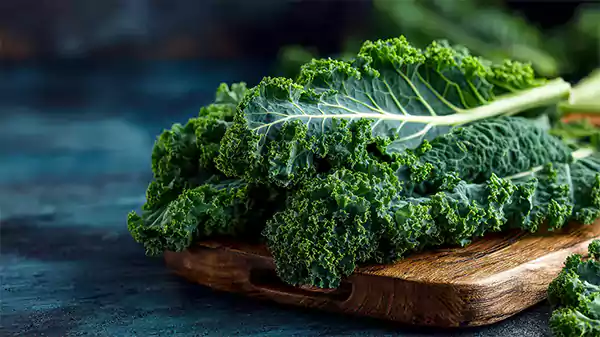
Kale is one of the best winter garden plants and a cold-hardy leafy vegetable native to the Eastern Mediterranean and some parts of Asia. It thrives in cool temperatures between 7 and 20 degrees Celsius and tends to become sweeter after frost. Full sunlight and nutrient-rich soil work best for kale, along with regular harvesting.
Spinach
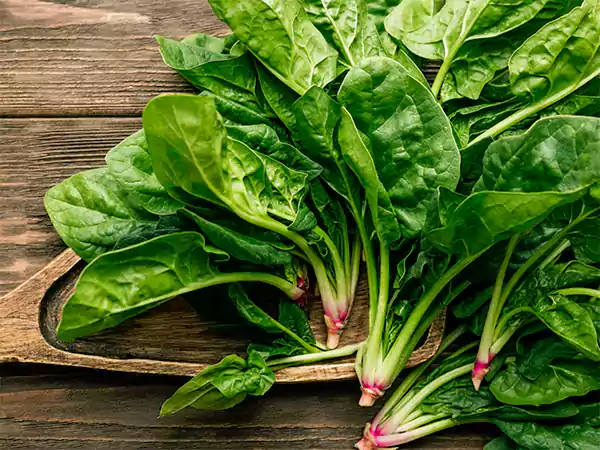
Spinach originated in Iran and is one of the fastest-growing winter vegetables and a medicinal plant. It grows best in cool weather and fertile, permeable soil with consistent moisture. Plant spinach in full sun or partial shade, and harvest the young leaves for nutrient-rich greens. This leafy veggie supports immunity and also enhances eyesight.
Carrots
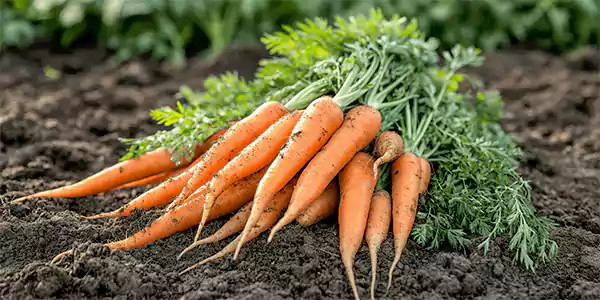
Carrots are root vegetables native to Central Asia, particularly Afghanistan. They grow in loose, sandy soil that allows roots to develop straight and long. Cool temperature helps the veggie enhance its sweetness. Provide full sunlight and moderate watering, and you are good to go!
Garlic
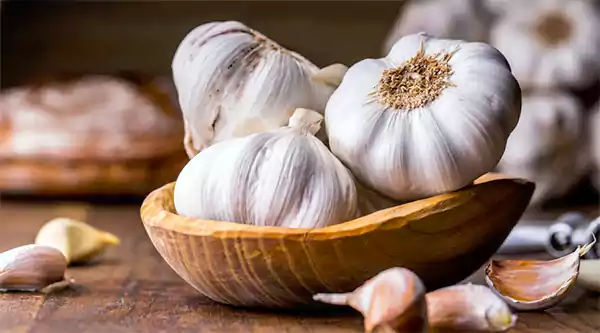
Garlic is believed to have originated in Central Asia and has been cultivated for thousands of years. It is typically planted in late autumn so the bulbs of the plant develop during winter. This winter garden plant grows best in full sun exposure and well-draining soil. It is also known as one of the best tomato companion plants and can be harvested in the spring.
Onions
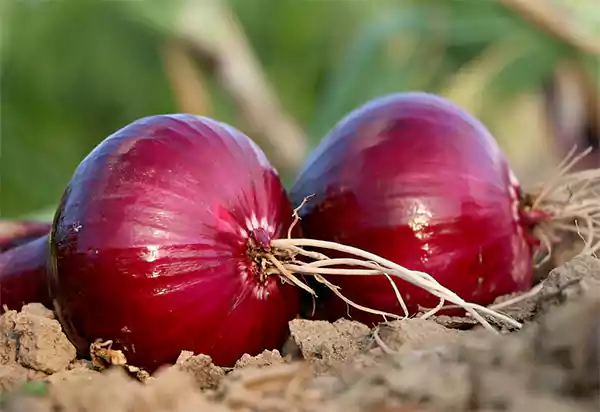
Onions are native to Central Asia and grow well in cool climates, making them suitable for winter gardens. If you are wondering how to grow onions, plant them in fertile, well-drained soil with plenty of sun exposure and consistent moisture. This crop is usually planted in late autumn and develops slowly through the colder months.
Broccoli
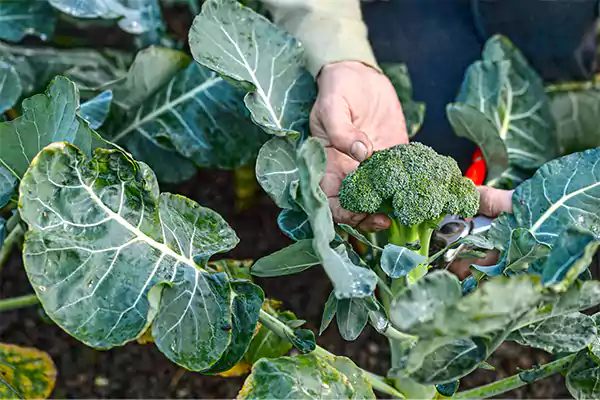
Broccoli, which originated in the Mediterranean region, is a nutrient-rich winter vegetable. It grows best in cool weather with temperatures between 10 and 20 degrees Celsius. Plant the veggie in fertile soil with good drainage and full sunlight. Regular watering and proper spacing allow the head of the crop to grow strong and prevent early flowering.
Cabbage
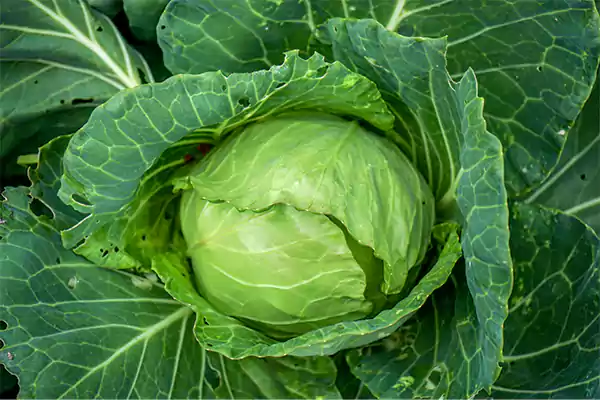
Cabbage is one of the best plants for the garden in winter. These are mainly grown in southern and western Europe and do not require much care. It is a hardy vegetable crop that thrives in a variety of environmental conditions. Provide full sunlight and consistent watering for firm, compact heads. Proper spacing helps prevent pests and encourages healthy growth.
Brussels Sprout
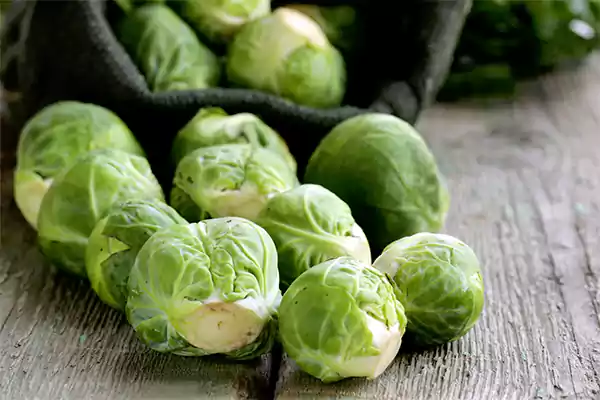
Brussels sprouts are native to the Mediterranean region and became popular in Belgium. These cold-tolerant vegetables grow best in cool climates and often taste sweeter after frost exposure. Plant them in nutrient-rich soil with full sun and allow enough space for tall stalks to develop properly.
Lettuce
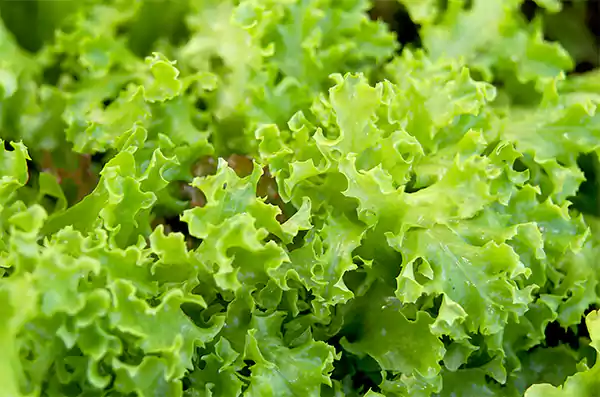
Lettuce, botanically called Lactuca sativa, is a versatile, nutrient-dense, annual leafy green winter crop cultivated for salads, sandwiches, and wraps. Packed with vitamins A, C, and K, it is best grown in loose soil with regular moisture. If you want tender leaves, provide the plant with partial shade and fertile soil.
Radishes
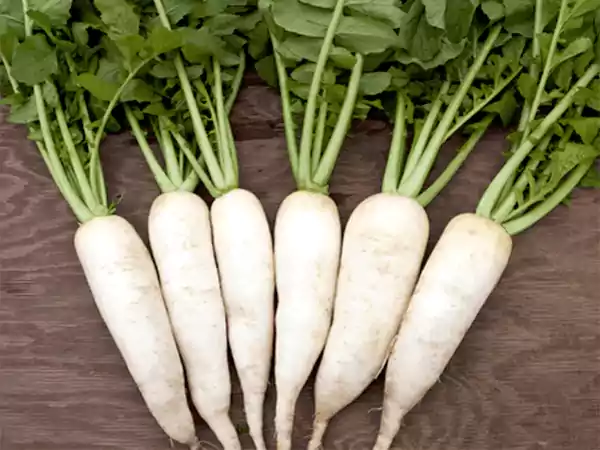
Radish is a flowering plant belonging to the mustard family. It is a fast-growing root vegetable native to Southeast Asia. They thrive in cool weather and can mature in as little as three to four weeks. Grow radishes in loose, permeable soil with full sun. Regular watering helps develop a strong root structure.
Top Winter Flower Plants to Brighten Your Garden
Winter doesn’t have to mean a dull or lifeless garden. Many cold-tolerant flowers bloom beautifully during the colder months and add vibrant colors to outdoor spaces. These flowers are easy to grow, require minimal care, and help keep the garden bright and lively.
Pansies
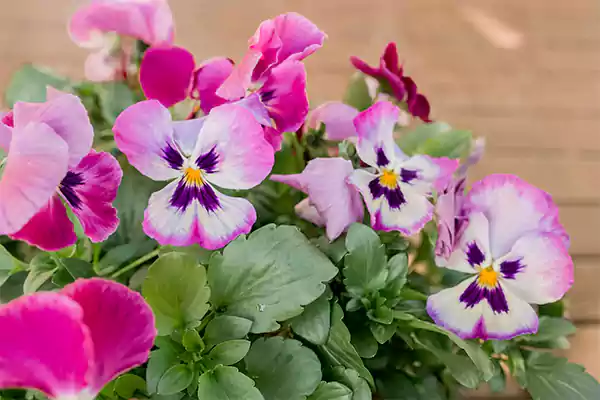
Pansies are hardy winter flowers native to Europe and Western Asia. They thrive in cool temperatures and can tolerate light frost, making them perfect for winter gardens. I grow pansies in well-draining soil with full to partial sunlight. Regular watering and occasional deadheading encourage continuous blooming and vibrant flower colors.
Calendula
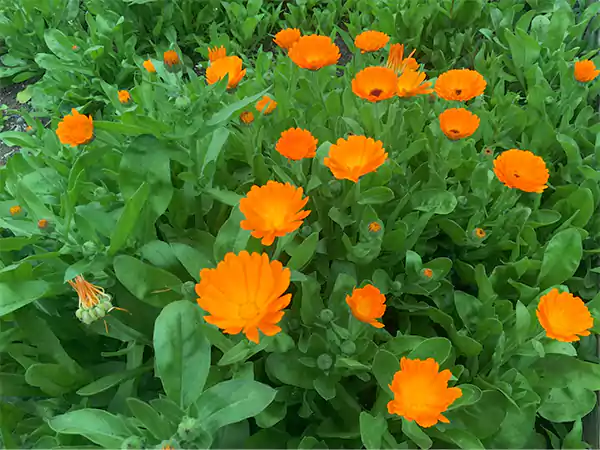
Calendula, a flower that starts with C, also known as pot marigold, is native to the Mediterranean region. It grows well in cool climates and produces bright yellow or orange flowers during winter. Plant Calendula in full sun with well-draining soil. These flowers are easy to grow from seeds and also attract beneficial pollinators.
Dianthus
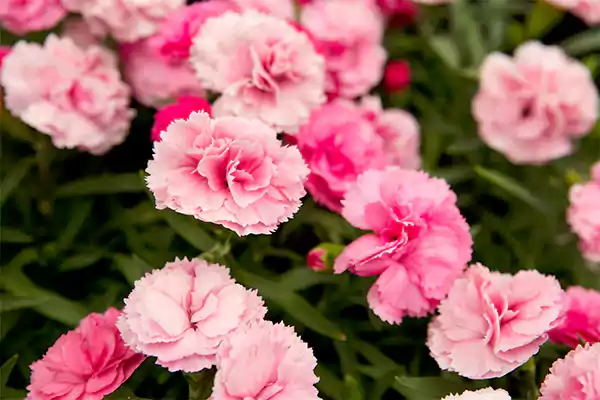
Dianthus, commonly called Carnations or Sweet William, is a graceful pink flower that instantly enhances the vibe of any landscape. It is a low-maintenance, adaptable perennial that produces fragrant blooms and adds a refreshing touch to winter gardens. For optimal blooming, provide the plant with full sun exposure, aerated soil, and moderate watering.
Petunias
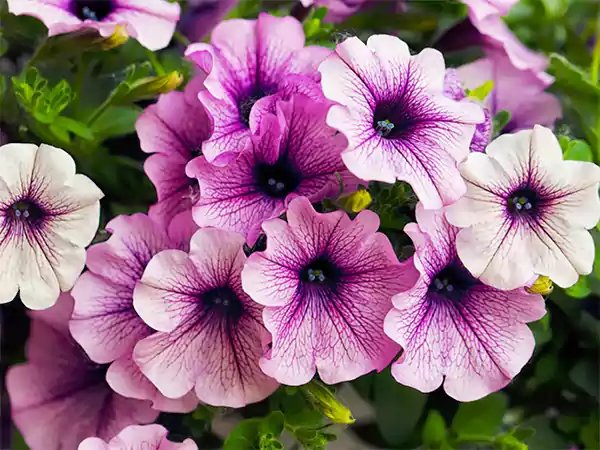
If you wish to add a pop of color to your garden, there is nothing better than planting petunias. This flower that starts with P is a vibrant and fast-growing bloom native to South America. Famous for its funnel-shaped, showy flowers, petunias require a minimum of 6-8 hours of direct sunlight, slightly acidic yet fertile soil, and consistent moisture.
Sweet Alyssum
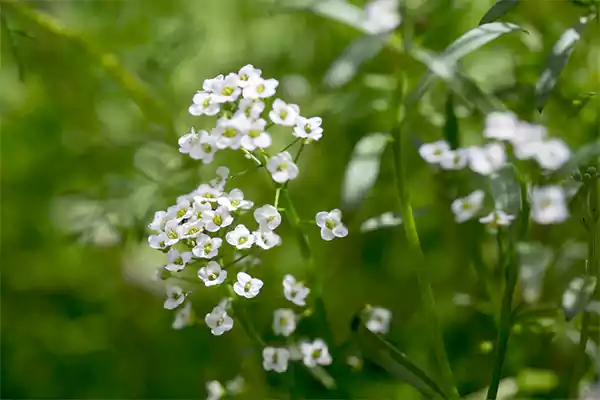
Sweet Alyssum is a gorgeous and popular white flower. It is a low-growing plant that is ideally used for ground covering. The four-petaled blooms of the genus look absolutely alluring and also have a sweet, honey-like fragrance. Highly attractive to bees and other pollinators, it is best to grow sweet alyssum in partial shade, sandy or chalky soil with moderate watering.
Primrose
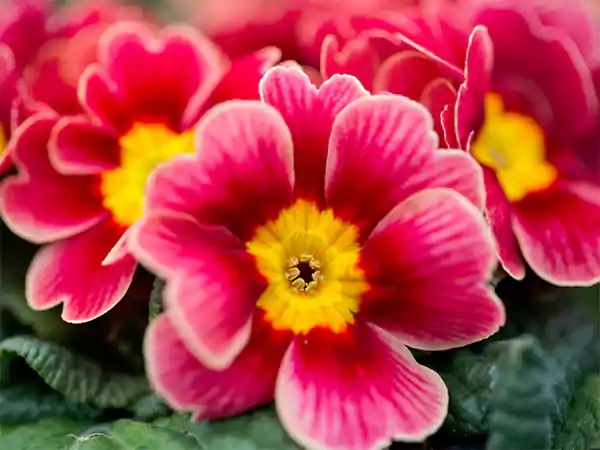
If you are still wondering what to plant in a winter garden, Primrose is the answer. This low-growing February birth flower is often gifted to symbolize innocence, admiration, and hope. It is a short-lived perennial and is highly toxic to pets. For optimal growth, primrose should be grown in partial or full shade. It thrives in humus-heavy, well-draining soil with moderate to low watering.
Viola
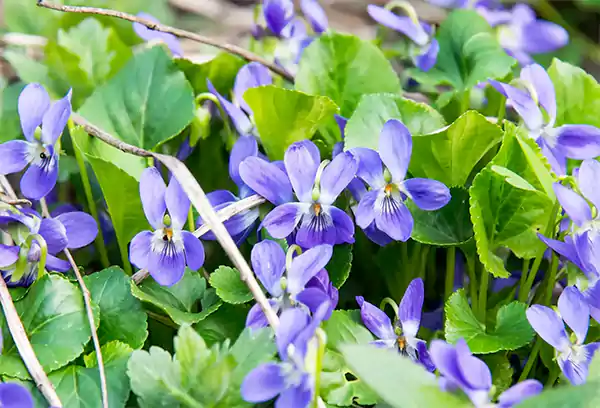
Violas are closely related to Pansies and originated from Europe and Asia. These compact flowers tolerate cool temperatures and bloom throughout winter. Grow Violas in fertile, well-draining soil with full to partial sunlight. Regular watering and removing faded blooms encourage continuous blooming. This five-petaled flower is available in a variety of color ranges.
Snapdragons
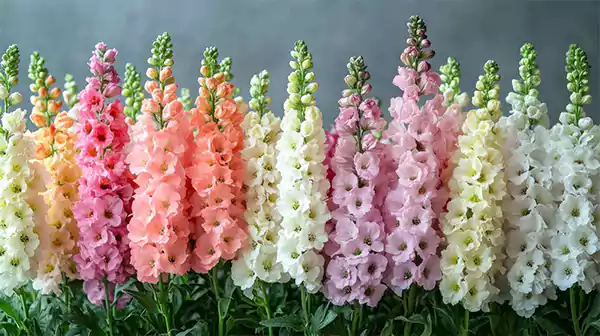
Snapdragons, botanically called Antirrhinum majus, are native to the Mediterranean region and are valued for their tall spikes of colorful flowers. This cat-safe flower grows best in cool temperatures and well-drained soil with full sun exposure. Regular watering and deadheading help extend their blooming period during winter and early spring.
Cyclamen
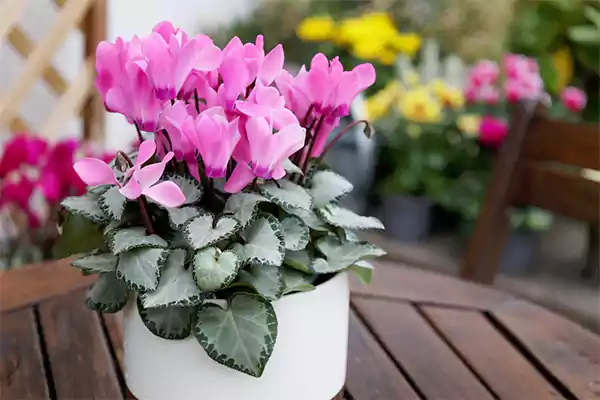
Cyclamen is native to the Middle Eastern regions and is well-known for its unique, upward-facing flowers. It thrives in cool conditions and prefers partial shade with well-aerated soil. Cyclamen care is quite easy, and the plant is often grown in containers or shaded garden areas during the winter months. Feed the bloom with low nitrogen fertilizer for active growth.
Winter Jasmine
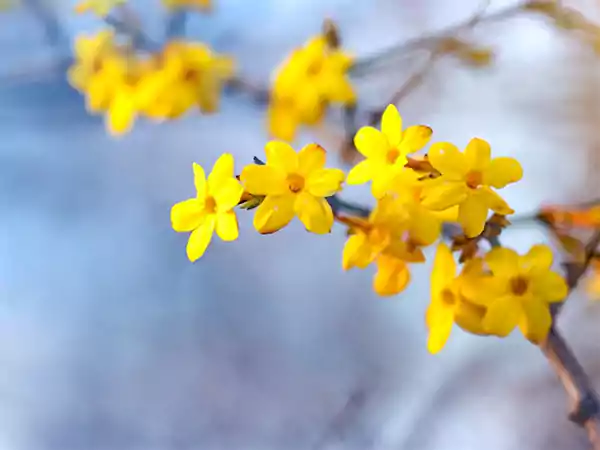
Winter Jasmine is a stunning and vibrant yellow flower with light green stems that create a beautiful contrast in any landscape. The bloom is native to China and is a hardy flowering shrub that bears showy blossoms during the colder months. Plant winter jasmine in well-draining soil with full sun or partial shade, and provide support to its stems for an upright structure.
By choosing hardy winter plants, gardeners can keep their landscape fresh and thriving. When all the other plants are dormant, these magnificent blooms bring life, color, and fragrance to any garden space.
Best Evergreen Plants for a Winter Garden
Here is a list of some of the best winter plants for the garden that will effortlessly provide any space with structure, color, and texture.
| Serial No | Plant Name | Image |
| 21 | Wintergreen Boxwood This is a hardy, fast-growing evergreen shrub that reaches up to a height of 2-5 feet and spreads 3-5 feet wide. | 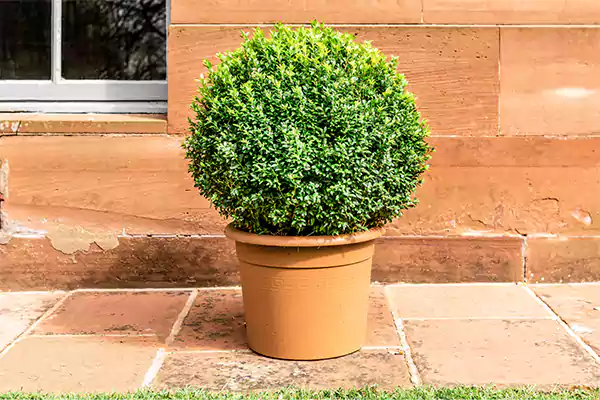 |
| 22 | Nellie Steven Holly Ilex or Holly is a genus of over 550 species of flowering plants. This winter plant is specifically prized for its dark green leaves and tiny berry fruit. | 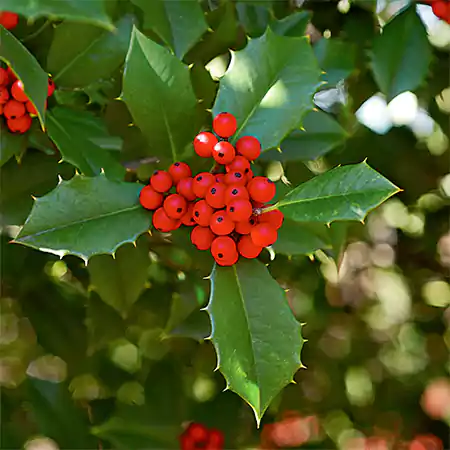 |
| 23 | Blue Point Juniper The Blue Point Juniper is a famous, low-maintenance upright evergreen plant. Its dense structure and conical shape make it all the more alluring. | 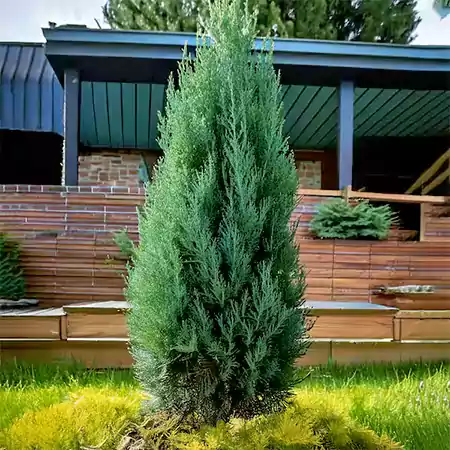 |
| 24 | Camellia If you are looking for small winter flowers that instantly enhance the aesthetic of your space, Camellia might be the right option. | 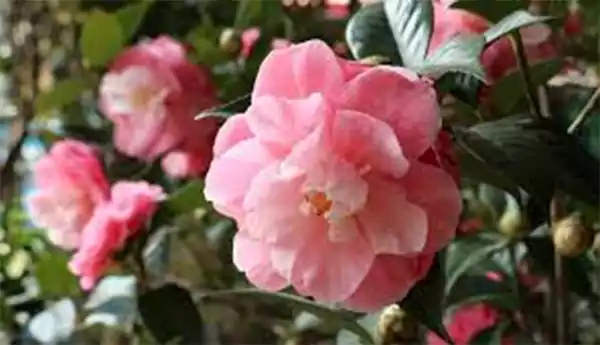 |
| 25 | Wintergreen Wintergreen is a low-growing shade plant primarily found in North American woodlands and is known for its glossy leaves and bright red berries. | 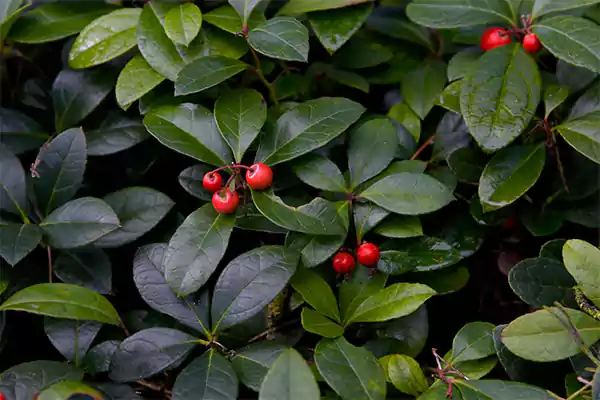 |
| 26 | Pine Pine trees are evergreen conifers mainly found in the Northern Hemisphere and are known for their needle-like leaves. | 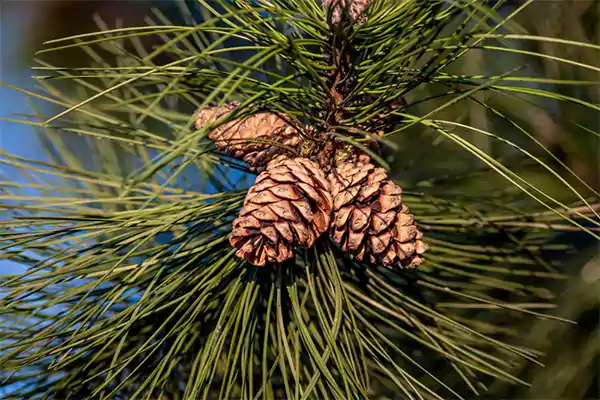 |
| 27 | Spruce Spruce is yet another coniferous tree belonging to the Picea genus. Commonly found in Europe, this winter tree is mainly used for timber and as a Christmas tree. | 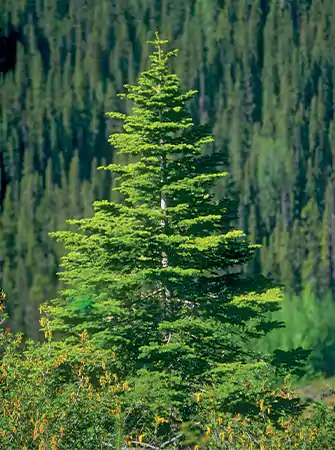 |
| 28 | Arborvitae This winter tree is often used as a privacy screen and is widely appreciated for its low-maintenance qualities. It requires minimal pruning and can thrive in frosty weather, too. | 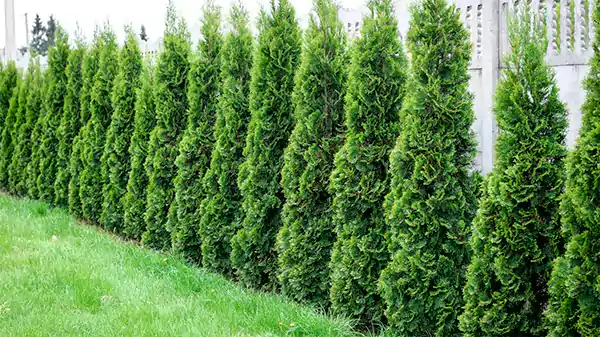 |
| 29 | Mahonia If you wish to give your front lawn or backyard a defined structure, adding Mahonia bushes can be ideal. This winter garden plant can also be grown in large pots. | 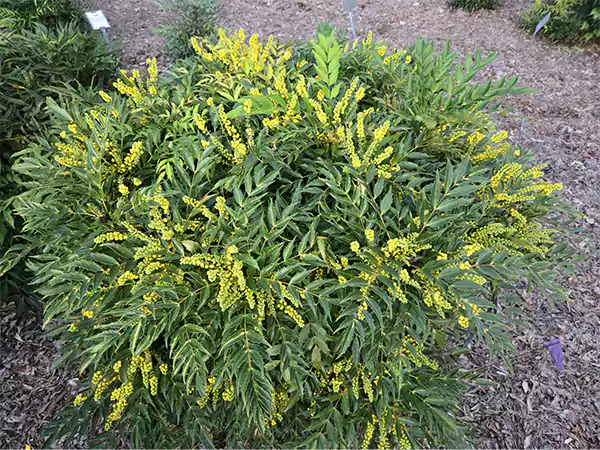 |
| 30 | Daphne Daphne belongs to a group of species native to Asia and North Africa, commonly grown as ornamental plants. All parts of this cold-hardy bloom are toxic. | 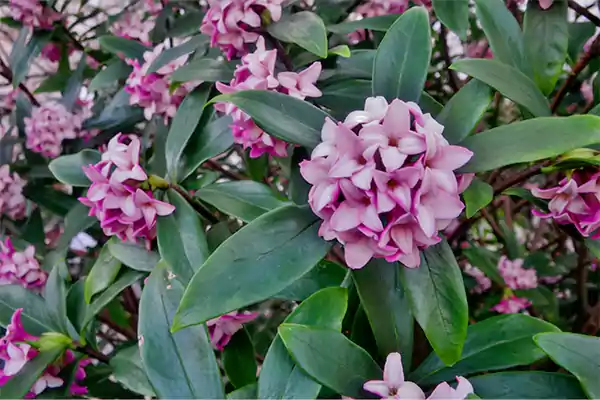 |
How to Prepare Your Garden for Winter Plants?
Preparing your winter garden is essential to help the plants grow successfully. Here are a few things that you can keep in check while maintaining your garden space during cool weather conditions.
- Clean and Clear the Garden Bed: Make sure you remove weeds, dead plants, and garden debris from the soil.
- Improve the Soil Quality: Winter plants grow best in fertile, well-draining soil. Mix compost or organic matter into the garden bed to improve the structure.
- Ensure Proper Drainage: Start by adding compost or dry leaves to the soil and using raised beds. Mix shredded leaves to break up any heavy structure in the soil and make it more porous.
- Add Mulch for Protection: I always add 2-4 inches of organic mulch like leaves, straw, or wood chips in late fall to retain the moisture of the soil and prevent erosion during harsh winters.
Proper preparation helps winter plants survive the frosty climatic conditions. By improving the soil quality, ensuring good drainage, adding mulch, and choosing cold-hardy plants, gardeners can create a healthy environment for plants to thrive throughout the season.
Conclusion
Creating a beautiful and productive winter garden is easier when you choose the right winter garden plants. Cold-hardy vegetables, colorful flowers, and evergreen shrubs that can even thrive in cooler temperatures keep your garden space healthy and lively.
By selecting the plants that tolerate frost while requiring minimal care, gardeners and novice plant lovers can enjoy greenery even during winter. I simply made sure to provide the blooms with proper sunlight, adequate watering, and nutrient-rich soil.
FAQs
When to plant a winter garden?
Though this time period varies from zone to zone, for some cool-season crops and plants, the winter garden should be planted from August to late December.
What are some of the best winter garden plants?
Some of the best winter garden plants are Camellia, Boxwood, Carnations, Holly, Winter Jasmine, Cyclamen, and many more. All these blooms are cold-hardy and do not require much care to flourish.
How to prepare the soil for a winter garden?
Make sure that the soil before planting winter plants is well prepared. Add organic matter and nutrient-rich compost to the soil to improve its quality.
Can winter plants also be planted indoors?
Yes, many winter-friendly plants can be planted indoors. You simply need to provide the blooms with ideal growing conditions, and you are good to go.
How can I protect my plants from Frost?
During freezing nights, you can use net blankets to protect the plant and avoid the burden of snow. Consider applying a thick mulch layer to retain the moisture of the soil and prevent erosion.
Top 10 Plants For Winter Interest – Cambridge University