

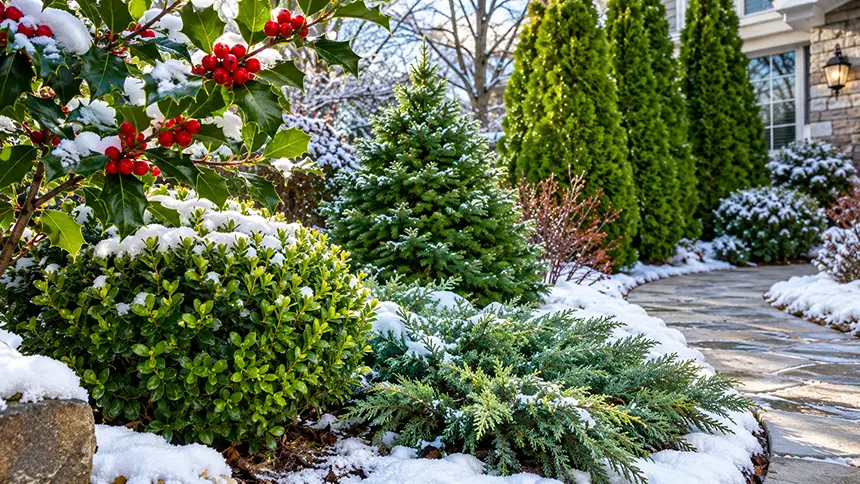
Evergreen plants are the best option if you want to keep your garden fresh and green even in colder months. Choosing the correct evergreen plant for winter can help you keep the outdoor space green even in low temperatures.
In this guide, you will explore 11 winter garden plants, their growth requirements, and practical winter landscape ideas. So you can select the best evergreen landscaping plant for your garden.
Quick Answer
Evergreen plants stay fresh and green year-round and provide color to your garden even in winter. 11 Evergreen plants for winter are Emerald green arborvitae, American holly, Dwarf Alberta spruce, Wintergreen boxwood, creeping juniper, Japanese camellia, mugo pine, inkberry holly, mountain laurel, hicks yew, eastern red cedar.
11 Evergreen Plants for a Beautiful Winter Garden
Emerald green arborvitae, American holly, Dwarf Alberta spruce, Wintergreen boxwood, creeping juniper, Japanese camellia, mugo pine, inkberry holly, mountain laurel, hicks yew, and eastern red cedar are 11 evergreen plants for winter. All of these have different foliage, shape, and texture; choose the plant that suits your garden and create an attractive winter landscape.
1: Emerald Green Arborvitae
| Attribute | Information |
| Botanical name | Thuja occidentalis ‘Smaragd’ |
| USDA hardiness zone | 3 to 8 |
| Mature height | 10 to 15 feet |
| Sunlight | 6 to 8 hours of sunlight |
| Water | Moderate |
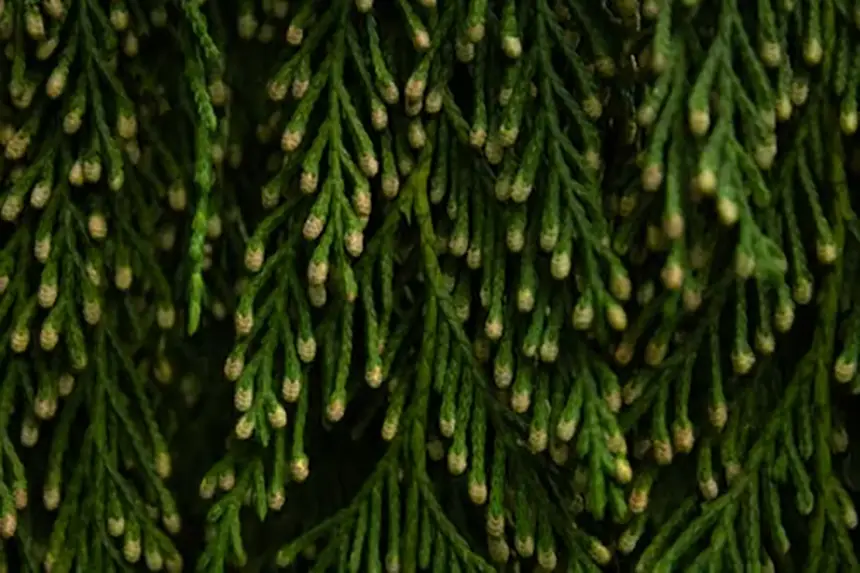
Emerald green arborvitae is an evergreen plant that is drought-resistant and easy to care for. This plant will stay green in cold temperatures and will rarely be affected by pests and diseases. The foliage is flat, bright green, and needle-shaped. Plant it in the fall to avoid heat stress and give roots time to establish before winter arrives.
2: American Holly
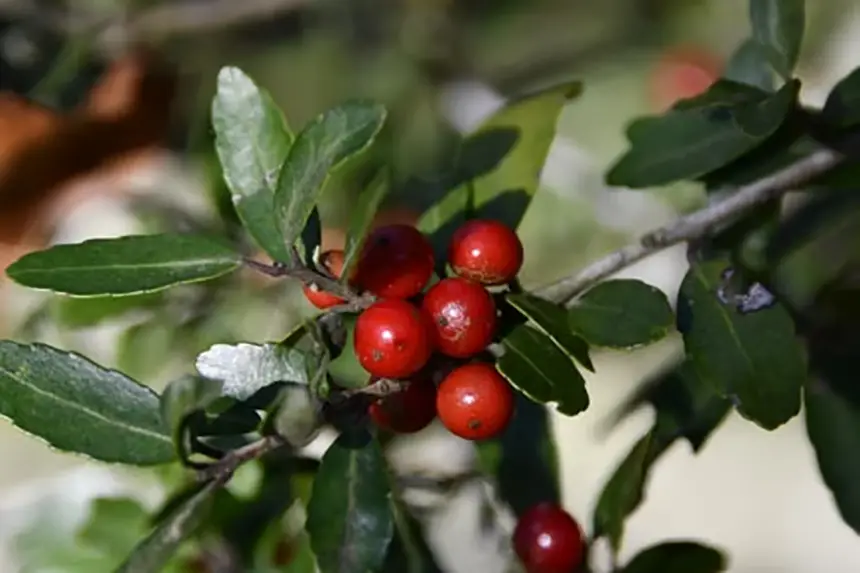
| Attribute | Information |
| Botanical name | Ilex opaca |
| USDA hardiness zone | 5 to 9 |
| Mature height | 15 to 30 feet long |
| Sunlight | 6 hours of direct sunlight |
| Water | Moderate |
American holly is a perennial plant native to the eastern United States. It is famous for the bright red berries that grow in clusters, the classy spin leaves, and its pyramidal shape. They prefer slightly acidic, well-drained, sandy soil. Avoid planting it bare-root, or it will die. October and November are best for harvesting this; meanwhile, in April the plant starts flowering.
Recommended Product
View all products
Common NameLeather Flower, Virgin’s BowerNative RegionEurope, North America, and Asia Plant TypeDeciduous Climbing Vine MaintenanceLow to ModerateAverage Height8-12 feet Average Width3-6 feet Commonly known as the “Queen of Vines”, Virginia Clematis Vine is a North American native perennial, featuring bell-shaped, bright-coloured flowers. Preferring partial sun on average to moist soil, Virginia Clematis is a perfect choice for woodland gardens, wet meadows, rain gardens, or yards that can flood. They look like a showstopper in containers, small spaces, and Asian-style gardens. Key Features and Benefits of Clematis Vine Purple Clematis Vine thrives well with its head in the sun and its feet in the water. It requires cool, moist, and well-drained, neutral-to-alkaline soil. A variety of this bell-shaped flower grows vigorously, reaching 6-20 feet in a season, requiring a trellis or fence for support. The bloom period of the Clematis flowering vine is usually mid-summer to early-fall (July to September and October). It adds aesthetic value to your garden and features medicinal properties. This herbaceous perennial grows up to the height of 8-15 feet, with some vigorous species reaching up to 20 feet. Care Guide for Clematis Vine Growing ZoneUSDA 4-9 Sunlight ExposureRequires optimal sunlight for 5-6 hours daily. However, provide some shade in hotter climates. Water NeedsOnce established, it requires 1 inch of water and deep and consistent watering during extreme hot weather. Soil TypePrefers well-drained and slightly alkaline soil with a pH of 6.0-8.0. Advantages and Disadvantages of Clematis Vine Advantages Disadvantages The nectar-rich flowers of the Clematis vines draw pollinators like bees and butterflies. Clematis Vine is highly toxic to humans and animals when ingested and can cause diseases. This ornamental plant has an aesthetic appeal and adds vibrant colour to your garden. Clematis Wilt is a major issue that can cause the stem to collapse and the vine to rot. This perennial plant is perfect for other climbing plants and partners well with roses, trees, shrubs, and more. Different varieties of this plant require different pruning methods, which can be confusing for beginners. Clematis Vines are low-maintenance plants but still highly rewarding, offering rapid growth and ornamental beauty. Clematis climbing vines require a proper structure and support, such as a fence, trellises, or pergolas, to grow.
Recommended Product
View all products
Common NameSpotted Beebalm, Dotted HorsemintMaintenanceLowNative RegionEastern United StatesAverage Height1.5-3 feetPlant TypeNative Herbaceous Perennial / BiennialAverage Width1-2 feet Spotted Beebalm Monarda punctata, is a perennial that gardeners love because of its spectacular wildflower that blooms from summer to fall with a tubular structure. Also called dotted horsemint, it has the ability to attract a wide range of pollinators, including butterflies, moths, and bees. Key Features and Benefits of Spotted Beebalm Traditionally used to treat colds and fevers, as it contains high levels of thymol, offering antiseptic, antimicrobial, and antifungal properties. Provides a unique appearance with whorls of yellow and purple flowers surrounded by white to pink bracts, resulting in a spotted look. Especially when crushed, Spotted Beebalm Florida leaves emit a pungent, oregano-like scent, earning its name “Horsemint”. Thanks to its drought tolerance, it is ideal for sunny, sandy sites, including mass plantings and xeriscaping. Care Guide, Advantages, and Disadvantages of Spotted Beebalm Growing Zone: USDA 4-9 Sunlight Exposure: Can tolerate full sun to partial shade, and 6-8 hours of daily sunlight ensures the best flowering. Water Needs: Regular watering is needed in the first season. Once established, it is highly drought-tolerant. Soil Type: Prefers well-drained sandy, loamy, and clayey soils but is somewhat tolerant of dry, poor, and average soils. Advantages The aromatic leaves can be used in teas, as seasoning, and in salads. Rhizomatous and clumping growth habit stabilizes soil and helps in erosion control. Due to being low maintenance, it rarely requires fertilizers and can thrive in poor soils. Highly resistant to deer and rabbits thanks to its strong, aromatic scent. Disadvantages Has potential for self-seeding and overtaking the large areas. Risk of diseases like powdery mildew and pests, including spider mites and aphids. Can look untamed or “weedy” during early growth stages because of rugged stems. As a biennial or short-lived perennial, it lives for only 3-5 years.
Recommended Product
View all products
Common NameBluestar, Blue Dogbane, Threadleaf BluestarMaintenanceLowNative RegionNorth AmericaAverage Height1-3 feetPlant TypeHerbaceous PerennialAverage Width2-3 feet Bluestar, botanically called Amsonia tabernaemontana, earns a spot as a perfect garden member with its early spring blooming, attractive star-shaped light blue flowers, fine-textured willow-like foliage and stunning golden yellow fall colour. Easy to grow in average soil type, the plant supports an extensive range of pollinators. Key Features and Benefits of Amsonia Thanks to the shrub-like habit of Amsonia Blue Star, it is ideal for filling in space in mixed borders, rain gardens, cottage gardens or in mass planting. Amsonia hubrichtii are typically long-lived with thick clump-like, V-shaped form, typically growing 2-4 feet tall. It requires minimal fertiliser to support growth and flowering, and over-fertilising is not preferred as it can cause weak and floppy stems. Amsonia blue ice has a deep tap root system, which makes the plant tolerant to dry spells and well-suited for water-wise gardening. Care Guide, Advantages, and Disadvantages of Amsonia Growing Zone: USDA 3-9 Sunlight Exposure: More than 6 hours of daily sunlight is required to prevent the “floppy” appearance. Water Needs: Regular moisture is needed, especially in the first year. Once established, it is found be to drought tolerant. Soil Type: With well-drained and neutral pH, it is adaptable to various soil types, including sand, loam, and clay. Advantages Generally considered unaffected by deer and rabbits. Shows strong resistance to mostly bacterial and fungal plant diseases. Supports bees, butterflies and hummingbirds with nectar-rich flowers. The fibrous, dense roots bind the soil particles together and prevent erosion, particularly on slopes. Disadvantages Contains a milky sap that can cause skin irritation. In too much shade and nutrient-rich soil, the plant can become floppy. Has relatively short blooming time when compared to its long-season foliage. Grows slowly to reach its full potential, often taking years to become a shrubby plant.
3: Dwarf Alberta Spruce
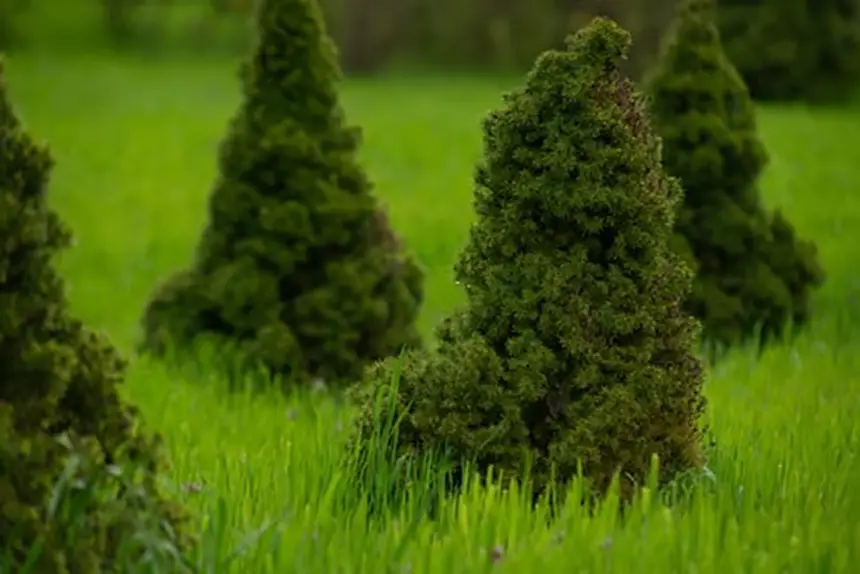
| Attribute | Information |
| Botanical name | Picea glauca ‘Conica’ |
| USDA hardiness zone | 2 to 8 |
| Mature height | 8 feet tall |
| Sunlight | 3 to 6 hours of direct sunlight |
| Watering | Moderate |
Dwarf Alberta spruce grows in mild temperatures and moisture. Plant the seeds in late spring and early fall. This plant grows best in acidic and alkaline soil pH; avoid overwatering in soggy soil. It grows best in cool winters and summers, and you don’t need pruning.
4: Wintergreen Boxwood
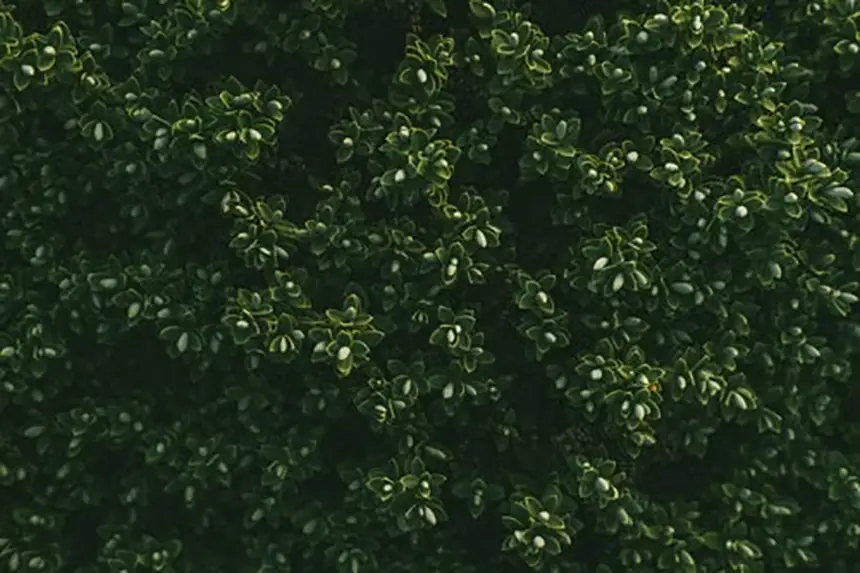
| Attribute | Information |
| Botanical name | Buxus sinica var. insularis ‘Wintergreen’ |
| USDA hardiness zone | 4 to 9 |
| Mature height | 2 to 4 feet |
| Sunlight | 4 to 6 hours of direct sunlight |
| Watering | Moderate |
Wintergreen boxwood is a cold-hardy evergreen plant that maintains green foliage in winter. It has small, rounded leaves and stays dense and attractive throughout the year. This variety turns a little brown in the winter season. Choose a well drained soil for planting and prune occasionally for proper look.
Recommended Product
View all products
Common Name Wintergreen Boxwood, Korean Boxwood, and Littleleaf Boxwood Maintenance Low to moderate Native Region Far East, specifically Korea, China, and Japan Average Height 2-4 feet Plant Type Broadleaf evergreen shrub Average Width 3-5 feet Wintergreen Boxwood shrub, botanically called Buxus sinica var. insularis 'Wintergreen', is an evergreen, rounded, broadleaf shrub with vibrant, glossy light green foliage. Offering the perfect balance of simplicity and beauty, it is praised by gardeners for being cold-hardy and maintaining its lush color even during frosty winters. Key Features and Benefits of Wintergreen Boxwood Being highly durable, wintergreen boxwood shrubs hold their colour throughout all seasons better than other varieties, where the leaves turn brown in winter. Thanks to its slow growth of 2-3 inches per year, it requires minimal effort to mold its shape; it's naturally rounded and tidy. The wintergreen boxwood bush is ideal for beautifying diverse landscapes, including topiaries, spheres, and formal hedges, because of its natural round shape. Needs balanced, slow-release fertilizers in the early spring before the new growth begins. Care Guide, Advantages, and Disadvantages of Emerald Blue Creeping Phlox Growing Zone : USDA zones 5-8 Sunlight Exposure : Requires 4-6 hours of direct sunlight daily. It can tolerate full shade, but it may lead to slower growth. Water Needs : Regular water intake is crucial in the first 1-2 years to establish its root system. Once established, it is moderately drought-tolerant, needing average moisture. Soil Type : Adaptable to well-draining soil types, including clayey, loamy, and sandy. Advantages Highly resistant to deer, pests, salt sprays, and many diseases. It can be planted in an urban setting as it is resilient to urban pollution and adaptable to distinct soil types. Potential to be used diversely, including foundation plantings, hedging, borders, and container planting. Handles shearing well and requires minimal pruning because of the slower growth. Disadvantages Grows comparatively slowly, takes time to fill the hedge. Susceptible to spider mites and insects like leafminers and wax scales, along with root diseases. In a colder climate, it may require protection from harsh winds and the sun to prevent moisture loss and burning. All parts of the shrub are toxic to dogs, cats, and horses if they are ingested.
5: Creeping Juniper
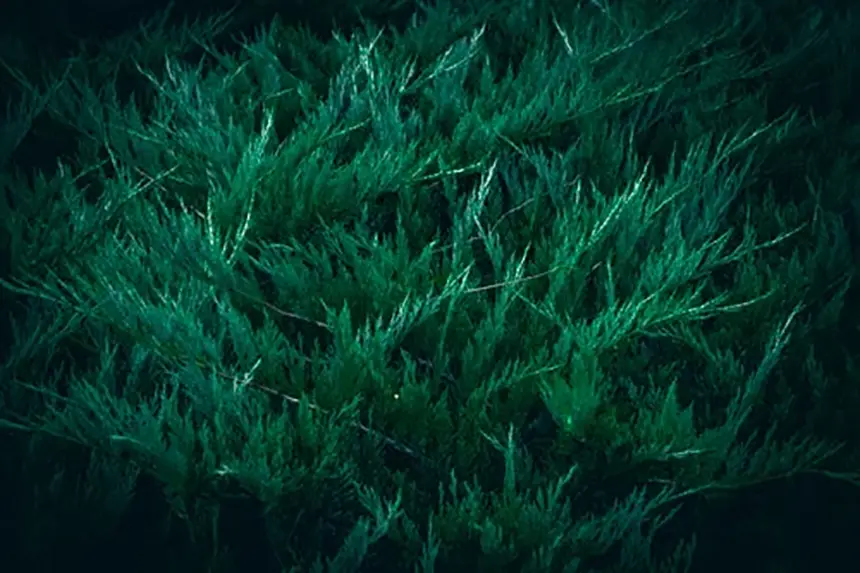
| Attribute | Information |
| Botanical name | Juniperus horizontalis |
| USDA hardiness zone | 4 to 9 |
| Mature height | 6 inches to 2 feet |
| Winter appearance | 6 or more hours of full direct sun |
| Best landscape use | Low |
Creeping juniper is an evergreen shrub that spreads horizontally and stays green even in winter. The foliage is needle-shaped in blue, green, or silver colors. These plants are drought-tolerant and grow well in different soil conditions. Juniper is a low-maintenance plant; it doesn’t need pruning. These can be planted in pathways to create landscaping.
6: Japanese Camellia
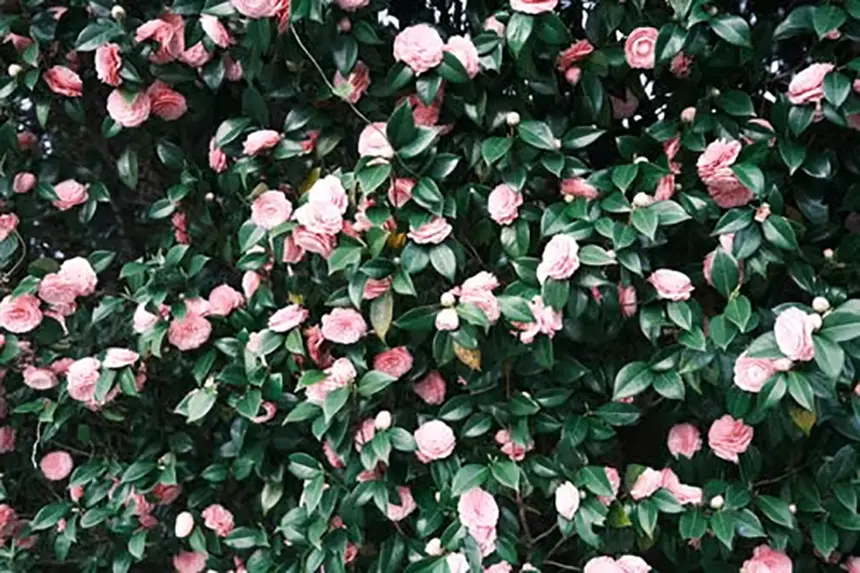
| Attribute | Information |
| Botanical name | Camellia japonica |
| USDA hardiness zone | 7 to 9 |
| Mature height | 6 to 12 feet |
| Sunlight | 2 to 6 hours of partial shade. |
| Watering | Moderate |
These are evergreen shrubs that are famous for their glossy, dark green leaves and colorful flowers. They bloom in white, pink, and red in winter and early spring. Camellia needs acidic, organically rich, and well-drained soil. Protect them from strong winter winds; they are ideal for decorative landscapes and foundation planting.
7: Mugo Pine
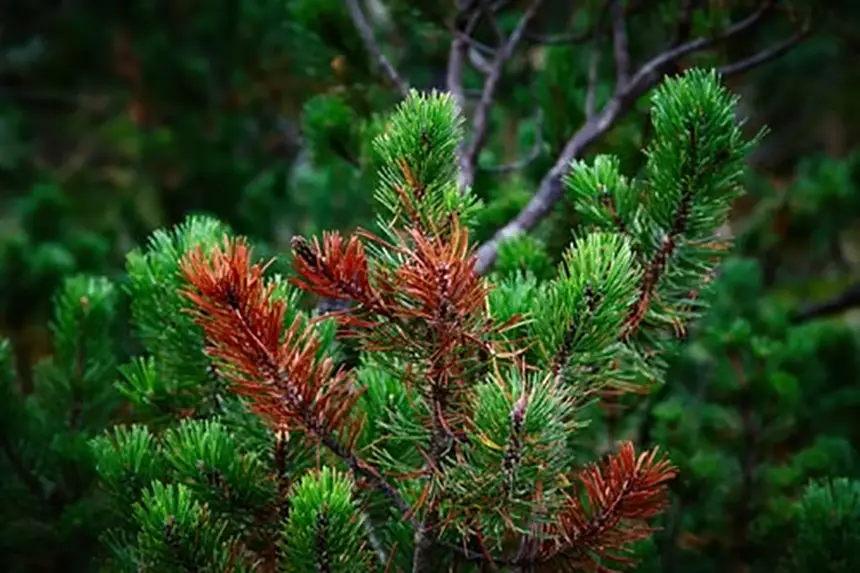
| Attribute | Information |
| Botanical name | Pinus mugo |
| USDA hardiness zone | 2 to 7 |
| Mature height | 20 to 25 feet |
| Sunlight | 6 or more hours of direct sunlight. |
| Watering | Low |
Mugo pine is used for covering landscapes, such as juniper. These are carefree evergreen plants that are compact and dwarf, best for small gardens. Pines grow dense in a round shape and are preferred for winter landscaping. Grow them in alkaline soil with proper drainage. Pines need little maintenance and pruning sometimes. Best for rocky gardens, walkways, and foundations.
8: Inkberry Holly
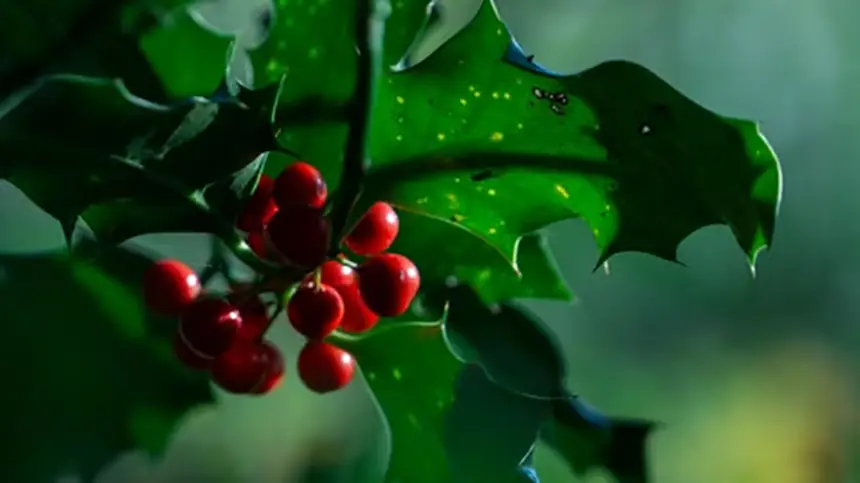
| Attribute | Information |
| Botanical name | Ilex glabra |
| USDA hardiness zone | 4 to 11 |
| Mature height | 5 to 10 feet |
| Sunlight | 6 or more hours of full sunlight |
| Watering | Moderate to high |
Inkberry holly is a low-maintenance evergreen shrub that has dark green glossy leaves. It produces white flowers in the spring season and purple and black berries. To grow well, it needs moist, acidic soil that is occasionally wet. Due to the dense and rounded shape, people usually place it in garden borders, foundation planting, and natural landscapes.
9: Mountain Laurel
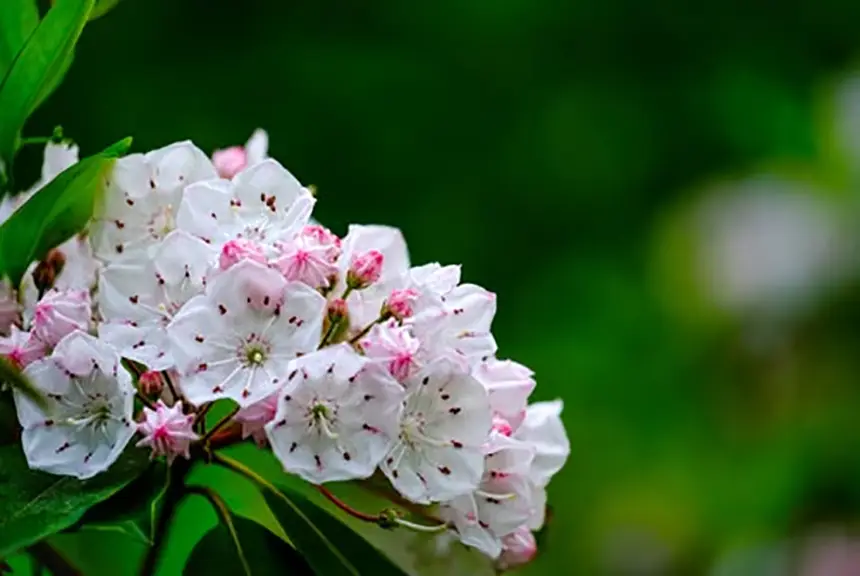
| Attribute | Information |
| Botanical name | Kalmia latifolia |
| USDA hardiness zone | 4 to 9 |
| Mature height | 4 to 15 feet. |
| Sunlight | 6 hours of direct and 2 to 6 hours of partial sunlight. |
| Watering | Moderate |
Mountain laurel is a broadleaf evergreen shrub that has leathery, dark green leaves that stay throughout the year. It produces pink and white flower clusters. Grow it in acidic soil with good drainage, it prefers a partial shaded location.
10: Hicks Yew
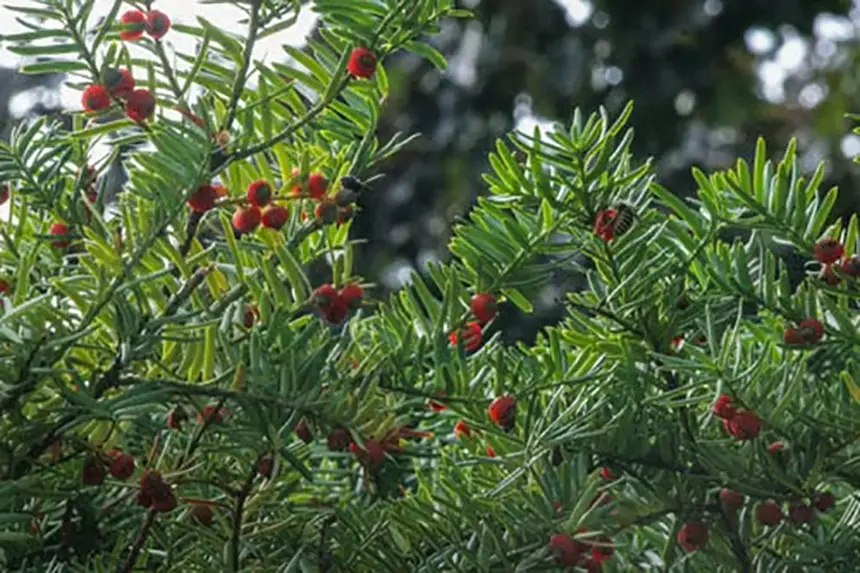
| Attribute | Information |
| Botanical name | Taxus × media ‘Hicksii’ |
| USDA hardiness zone | 4 to 7 |
| Mature height | 10 to 12 feet |
| Sunlight | 6 or more hours of direct and 2 to 6 hours of partial sunlight |
| Watering | Moderate |
Hicks yew are evergreen shrubs for winter that grow upright and dense with dark green needle like foliage. It grows small red berries and prefers partial shade. Grow it in well-drained and fertile soil. Hicks yew is easy to maintain and can tolerate regular pruning. However, it has poisonous foliage and seed, so keep it away from children and pets.
11: Eastern Red Cedar
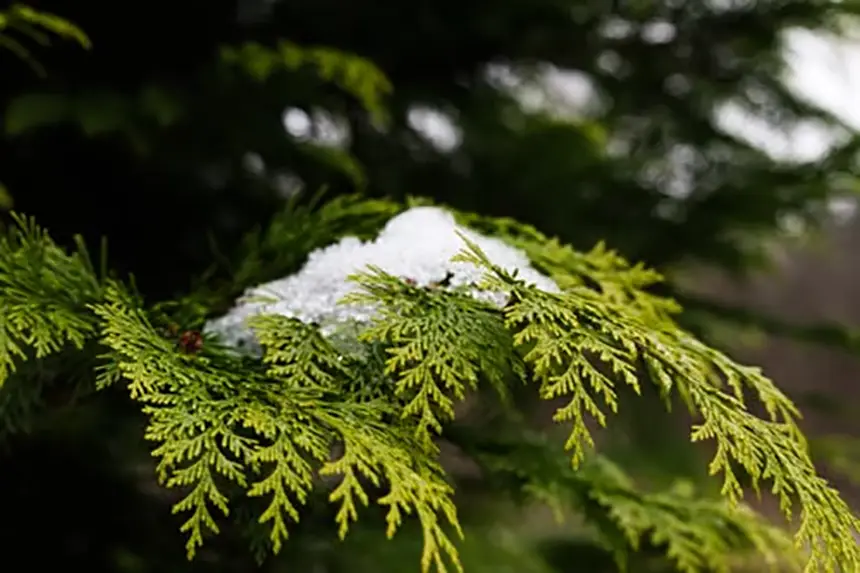
| Attribute | Information |
| Botanical name | Juniperus virginiana |
| USDA hardiness zone | 2 to 9 |
| Mature height | 30 to 40 feet |
| Sunlight | 6 hours of direct and 2 to 6 hours of indirect sunlight |
| Watering | Low to moderate |
Eastern red cedar is a hardy evergreen tree that is North American native and provides greenery and structure in winter. It produces dense, green foliage that remains green in winter. Red cedar grows best in sunny locations and can grow in dry soil and is best for large landscapes.
Conclusion
Evergreen plants are an excellent choice for year-round greenery and natural beauty in colder months. Choosing a cold-hardy plant that grows in your climate, sunlight, and soil conditions will help you create a healthy and attractive garden. Whether you are looking for plants to grow on a decorative border, garden cover, or on a foundation, you can get multiple options in the guide with ideas to maintain a beautiful garden throughout the year.
What are the best evergreen plants for winter?
Emerald green arborvitae, American holly, dwarf Alberta spruce, wintergreen boxwood, creeping juniper, Japanese camellia, mugo pine, and inkberry holly are evergreen plants for winter.
Which plant gives 12 months of flowers?
There are very few plants that bloom all 12 months, including plants like winter jasmine and varieties of camellia. They typically bloom seasonally to maintain the greenery in your garden throughout the year.
Which plants are mostly evergreen?
Plants like arborvitae, boxwood, holly, juniper, pine, yew, and mountain laurel remain green throughout the year. For a typical period of the year, they shed, but the foliage remains intact.
What plant grows best in winter?
Dwarf Alberta spruce, American holly, creeping juniper, and mugo pine are winter plants. The growth depends on the sunlight, soil condition, moisture, and the USDA hardiness zone.
Which plant grows faster in winter?
Most of the plants grow slowly during the winter season because of the low temperature and almost no daylight. In the cold-hardy season, plants like arborvitae and eastern red cedar can grow easily