The lisianthus flowers hold their beauty and freshness much longer than many other traditional flowers. They help attract beneficial pollinators like bees and butterflies to the garden. Medical research also suggests that extracts and essential oils from the plant are studied for strong antimicrobial and antifungal properties against harmful pathogens.
The name lisianthus comes from the Greek words ‘lysis,’ meaning dissolution, and ‘anthus,’ meaning flower. However, despite the meaning, it is a hardy plant that grows in tough terrain with fleshy, succulent foliage. With multiple shades and meanings that stem from the flower, it is a popular choice for bouquets.
Quick Answer:
To grow Lisianthus, buy a plug tray and put them in direct light. Place them in full sun for 6 hours daily. Transplant them outside after the frost has passed and water them deeply. Feed the plant weekly with a balanced fertilizer during active growth and harvest during morning hours for long vase life.
What is Lisianthus? A Brief Overview
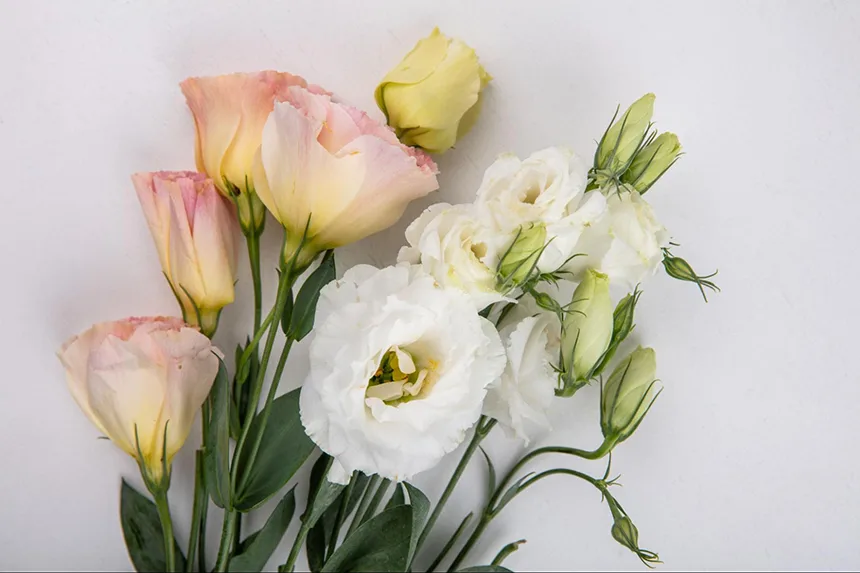
Lisianthus, also known as Prairie Gentian, is an ornamental perennial flower with large, funnel-shaped heads, native to the Gulf States, the United States, and Northern Mexico. These summer flowers come in shades of white, pink, blue, and purple. The flowers have wide petals that appear ruffled, with the stems growing 18-30 inches tall for the garden variety, while the dwarf varieties can grow about 6-8 inches tall. Known for their long vase life, they are sought after by florists for their strong stems, succulent leaves, and graceful buds; the optimal lisianthus zone lies between USDA hardiness zones 8 and 10.
Generally considered one of the cat-safe flowers, lisianthus blooms from early summer to early autumn, so they should be planted around the spring season. Symbolizing appreciation, charisma, gratefulness, and acceptance, lisianthus grow 9-12 inches wide, surrounded by blue-green foliage, and are drought-tolerant.
| Family | Gentianaceae |
| Botanical Name | Eustoma grandiflorum |
| Genus | Eustoma |
| Order | Gentianales |
How to Plant Lisianthus?
Lisianthus can be planted from seed or plugs, although the seeds take a very long time to germinate and grow. To grow them, buy and prepare plug trays, evenly distribute the seeds, move them towards light, water them every day until the roots are established, and harvest them after blooming.
Let me walk you through my process of planting lisianthus, with what has worked for me so far.
Step 1: Buy and Prepare the Plugs
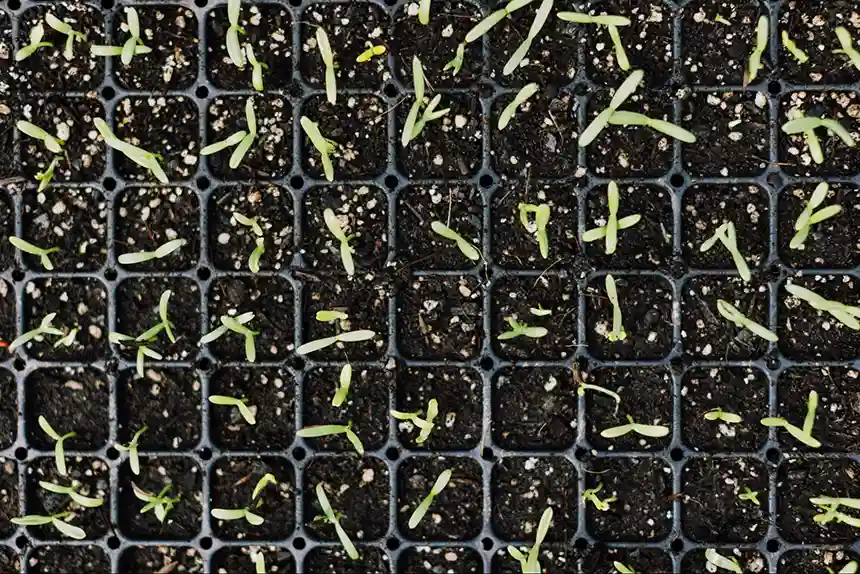
Plugs are seedlings ready to be transplanted after roots fill the container, so buy them when you are ready to plant them. It is recommended to start the process indoors 8-10 weeks before the last frost. Use a seed starter to kick-start the process.
Step 2: Evenly Distribute the Seeds in the Plug Tray
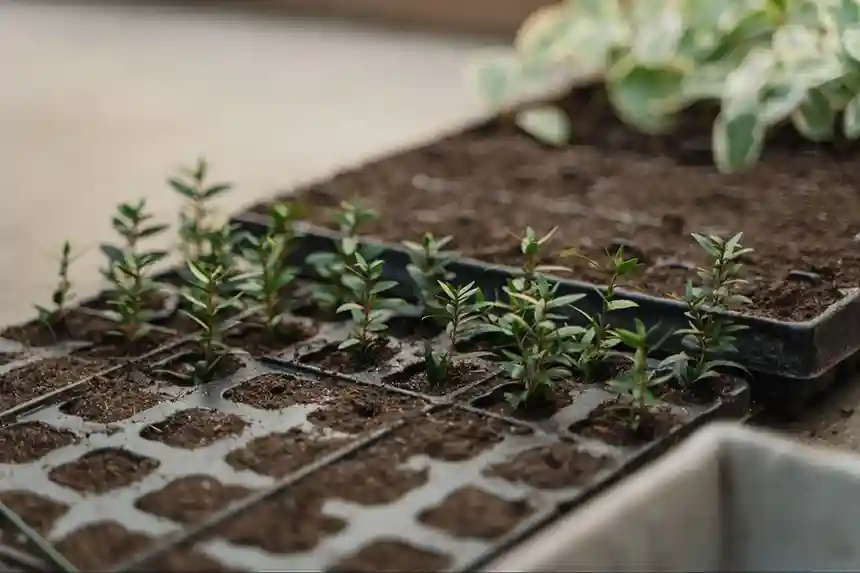
If it’s a 288-plug tray, plant one seed per cell. The container should be at least 1.5 inches deep to allow room for root growth.
Step 3: Move Them Towards Light
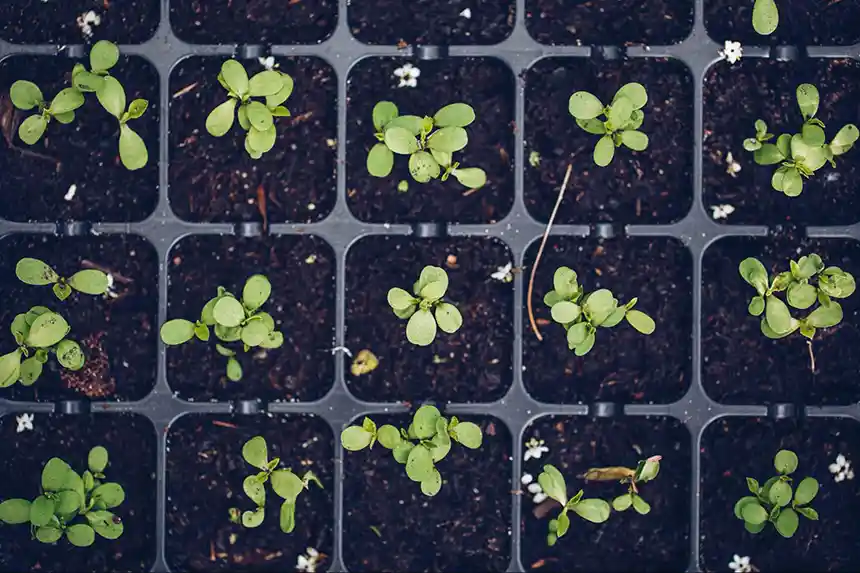
After sprouting, take off the plastic and keep them in direct sunlight to help them grow. Use a spray bottle to prevent them from drying out.
Step 4: Water Them Regularly
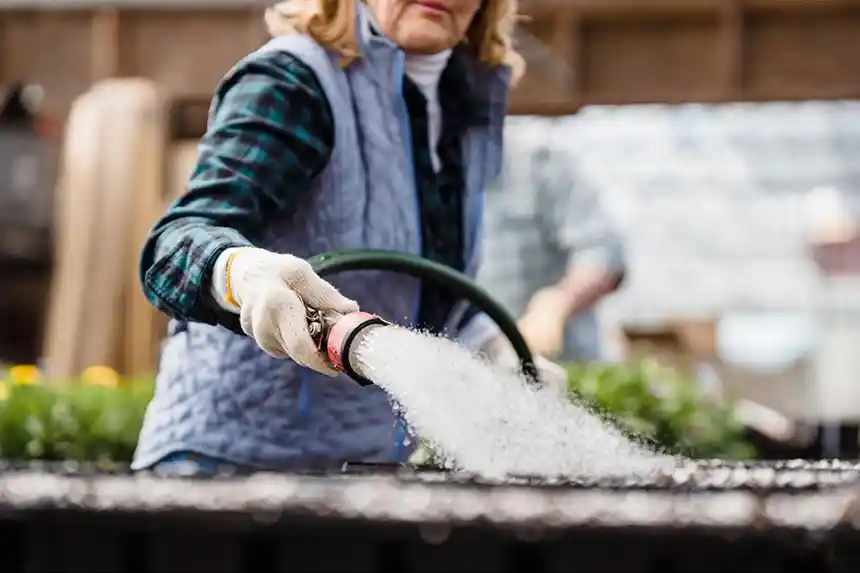
Keep the soil moist, but do not overwater it. Water deeply from beneath the plant once a week, or more frequently during hot, dry weather.
Step 5: Transplant the Seeds
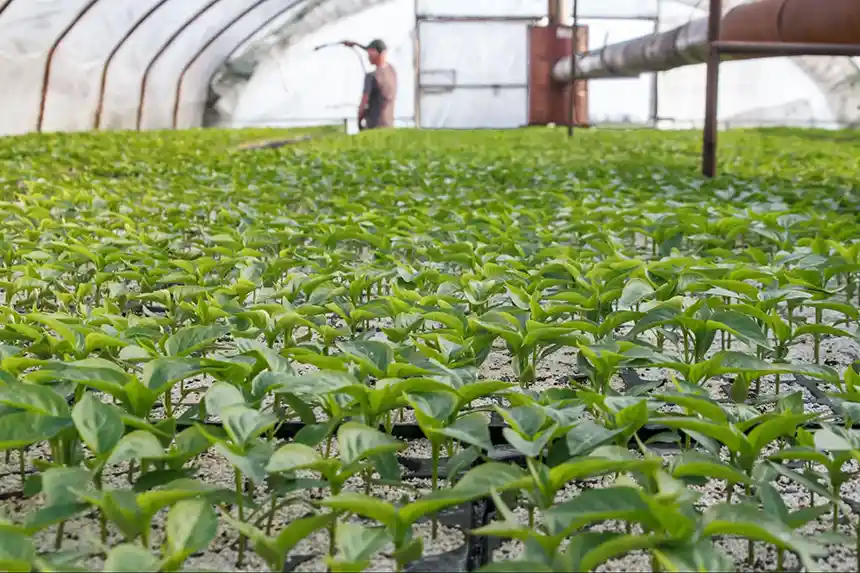
6-7 weeks after germination, move them into a regular potting mix after the danger of hard frost has passed. The temperature requirement should be between 68 and 72℉. Fertilize them every other week with a foliar feed to keep them strong and healthy.
Step 6: Harvesting the Blooms
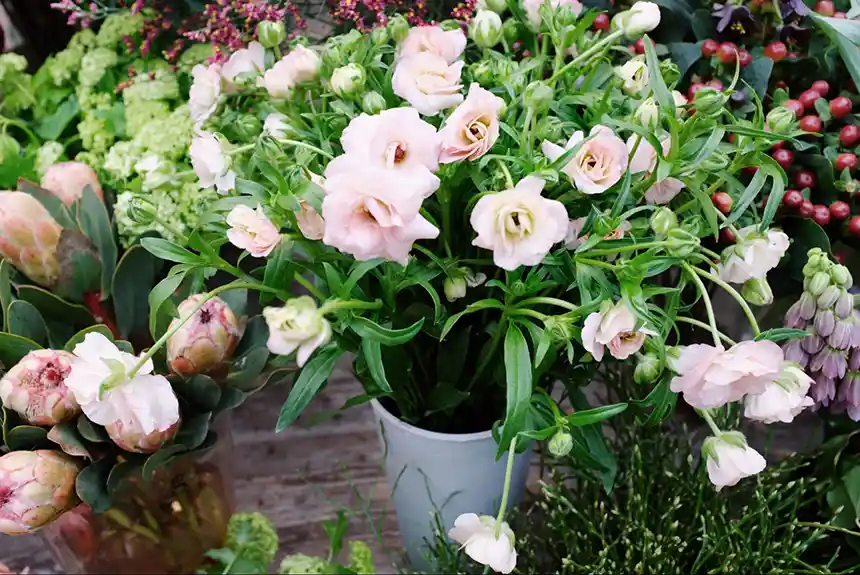
The first bloom typically opens one to two weeks before the resting period. For longer stems, harvest when 2-3 additional stems have opened. Cut the stems just above the basal foliage and remove all leaves that will fall below the vase’s water line.
What are the Ideal Growing Conditions for Lisianthus Flowers?
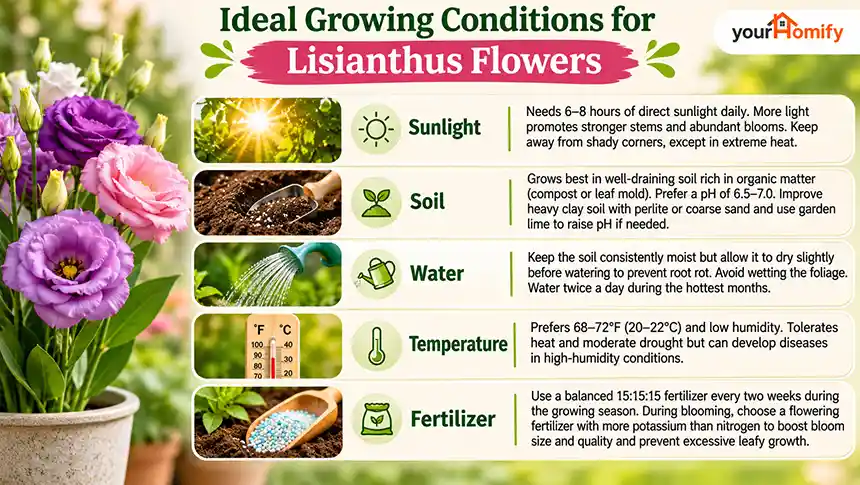
Lisianthus is a complicated plant to grow. Therefore, it generally requires a lot of effort and patience so that it can grow well. Some ideal growing conditions that seem to have worked in my favor so far include: taking care of the sunlight needs, soil, watering, temperature, and fertilizer requirements.
- Sunlight: Lisianthus requires about 6-8 hours of direct sunlight daily, since more light means stronger stems. They should be kept away from shady corners to promote growth and abundant blooms, unless the temperatures are scorching hot.
- Soil: Lisianthus prefer well-draining soil enriched with organic matter such as compost or leaf mold. The University of Arkansas’s takes on Lisianthus states that these flowers prefer neutral to slightly acidic soil with a pH between 6.5 and 7.0. Amend heavy clay soils with perlite or coarse sand to improve drainage and use garden lime to raise pH when necessary.
- Water: Lisianthus plants need consistent moisture, but they should be dry before they are watered to avoid root rot. It is preferred to avoid the foliage getting wet to prevent fungal diseases. They should be watered twice a day during the hottest months.
- Temperature: These plants can tolerate heat well and prefer low humidity. As per Washington State University, maintain temperatures between 68 and 72℉ since they can be prone to diseases in high-humidity environments. Lisianthus tolerates drought moderately well.
- Fertilizer: A balanced fertilizer with a 15:15:15 ratio every two weeks helps during the growing season. Commercial flowering plant fertilizer with more potassium than nitrogen is suggested during its blooming period to boost bloom quality and size and prevent leafy overgrowth.
YourHomify Insight Box:
One of the most common questions with regard to this plant is, ‘Is lisianthus a perennial?’ Well, technically, it is a short-lived perennial, but it is grown as an annual in most of the USA, depending on the climate and winter temperatures.
Care and Maintenance Tips for Lisianthus Flowers
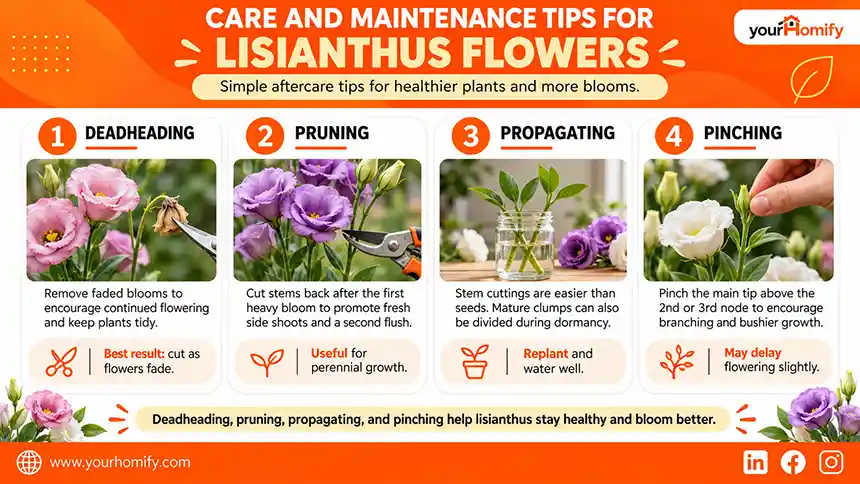
Maintenance tips to keep in mind involve pruning, deadheading, pinching, and propagating. These are some tips that I use with my plants, as they keep them in good health and provide abundant blooms despite lisianthus being a complicated plant to deal with.
Let us go through each of these tips in detail.
- Deadheading: Deadheading encourages the plant to continue blooming and makes for perfect cut flowers. It is suggested that regular deadheading directly increases flower count, and when this is done as the blooms are almost fully open, it gives off the same reblooming effect. This keeps the plants looking clean and prevents seed set. If the flower is allowed to stay on the plant after removing the spent flowers, it encourages new growth, and the stems can get very tall.
- Pruning: Pruning is recommended if you are growing your lisianthus as a perennial. Cut the stems back towards the basal rosette or close to the base after the first heavy bloom finishes. This can be done year-round while the plant is in growth. It promotes fresh side shoots for a second bloom season when spent flowers are removed before they fully die.
- Propagating: Lisianthus is best propagated from stem cuttings, as seed germination is slow. The mature plants can be divided during winter dormancy by digging up the root ball and separating sections that contain healthy buds or shoots. Plant the pieces back again at the original location and water properly; the new growth can start within a few weeks.
- Pinching: Pinch the plant to help encourage branching. Pinching plants 1-4 weeks after planting encourages lateral growth. Snap the main tip above the second or third node so the plant grows bushier and gives more blooms per stalk. This might delay flowering, but fertilizing timely is crucial to support new growth.
Types of Lisianthus
Lisianthus varieties come in a wide range of series and cultivars, categorized by their petal structure, stem length, and bloom timing. Some of the popular series are:
- Voyage Series
- Echo Series
- Arena Series
- Rosanne Series
- Corelli Series
Let us take a look at the types of lisianthus in detail.
1. Voyage Series
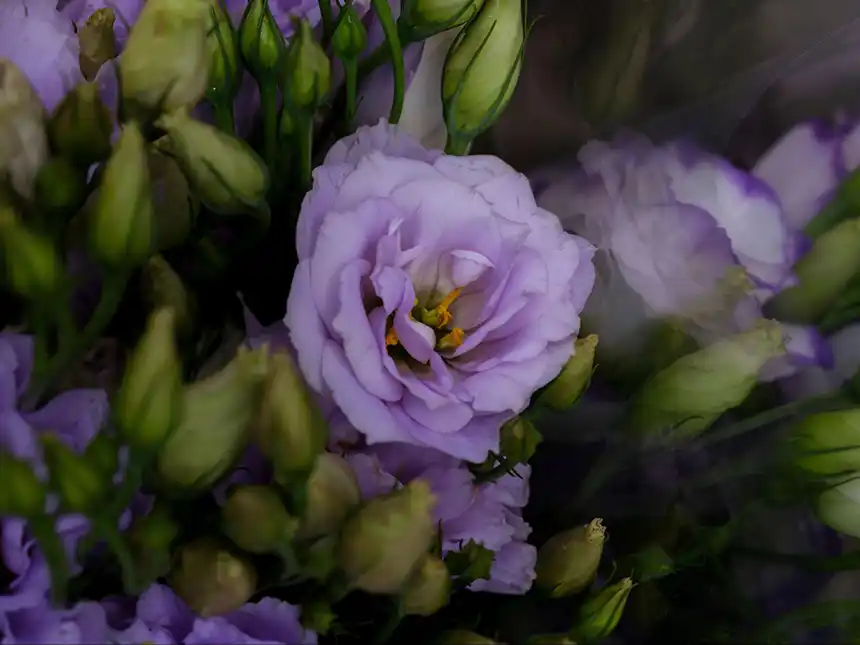
The Voyage Series has large, heavily petaled, double-flowered blooms, resembling roses and peonies, with lightly fringed edges. They have sturdy, upright stems regularly reaching 60-90 cm, with longevity averaging 14-21 days. Considered “cream of the crop,” they have enhanced disease resistance, uniform top-flowering habits, and robust round buds compared to older generations.
The series includes 12 distinct color varieties, such as pure white, light pink, first love, champagne, light apricot, deep rose, pink, lavender, blue, blue flash, yellow, and green.
2. Echo Series
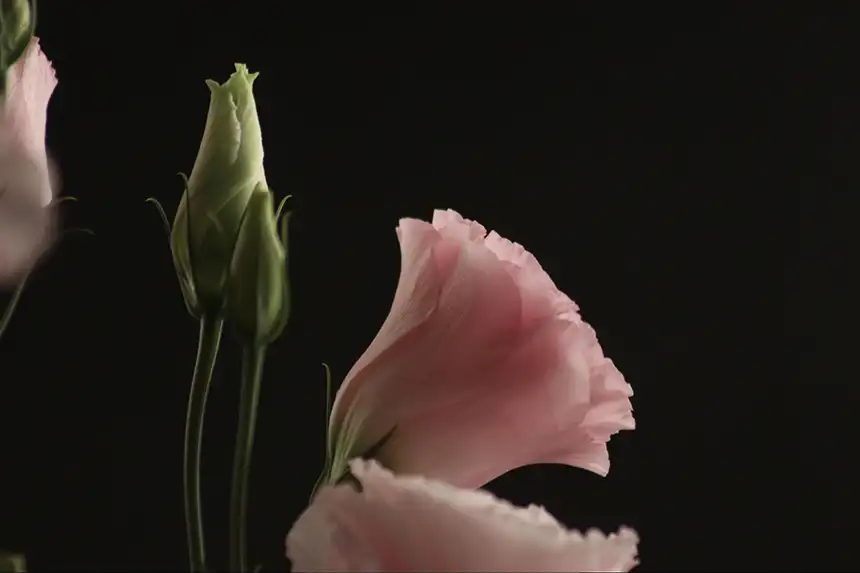
They have a spray-type structure with robust, thick stems capable of holding heavy double blooms upright. It is classified as an early-flowering variety, making it ideal for late-spring and summer harvesting. This variety reaches approximately 28-36 inches, depending on seasonal warmth.
This series offers pure white, blue, champagne, lavender, pink picotee, purple, yellow, and light pink flowers. They prefer mild or cooler growing periods, thriving in bright, direct sunlight in loose, fertile soil.
Recommended Product
View all products
Common Name English lavender Maintenance Low Native Region Mediterranean Average Height 1–2 feet Plant Type Evergreen perennial sub-shrub/herb Average Width 1–2.5 feet Munstead lavender, botanically known as Lavandula angustifolia 'Munstead’ lavender, is an evergreen perennial sub-shrub. It is highly famous among gardeners for its stunning visuals and culinary uses, such as desserts, syrups, and teas. On top of that, its leaves and blooms emit a really sweet and classic scent that uplifts the vibe of gardens and homes. Key Features and Benefits of Munstead Lavender Typically reaches the height and width of 12-18 inches, making it best for small spaces, border edging, mass planting, and containers. Though excess nutrients are not needed, if the soil is poor, use slow-release fertilisers in early springs for enhanced growth. Lavender plants Munstead have a fibrous root structure, consisting of many thin and spreading roots that help in improved nutrient absorption. Once established, it typically blooms from late spring to early summer, and it has the potential to thrive even in dry spells requiring minimal watering. Care Guide, Advantages, and Disadvantages of Jane Magnolia Growing Zone : USDA 5-9 Light Exposure : 6 to 8 hours of direct sunlight is crucial for vigorous bloom production and reducing the risks of diseases. Water Needs : Consistent moisture is needed in young plants. Once it gets established, it is very drought-tolerant. Soil Type : It demands excellent draining soil, preferably loamy, sandy, and clayey with neutral to slightly alkaline pH. Advantages The versatile herb is used for crafting due to its high essential oil content, including floral arrangements, potpourri, and sachets. Thanks to the intense scent, it discourages pests. Furthermore, the texture and flavour are unappealing to rabbits and deer. Shrub contains essential oils that are used in aromatherapy to support relaxation and improve sleep quality and soothe headaches. Due to the fragrant lavender-blue blooms, the shrub acts as a magnet for bees, butterflies, and other pollinators, enhancing the biodiversity of the garden. Disadvantages Susceptible to root rot, struggling in regions with poor drainage and high humidity. Also may not survive extreme harsh winters without protection. Without regular pruning (preferably twice a year), the shrub will lose its attractive shape and become woody and scruffy. While considered safe for humans, the shrub contains compounds that can be toxic to dogs, cats, and horses if ingested in large quantities. Some gardeners have found that the Munstead Lavender does not hold its colour and shape as well as the other varieties in dry conditions, sometimes turning brown.
3. Arena Series
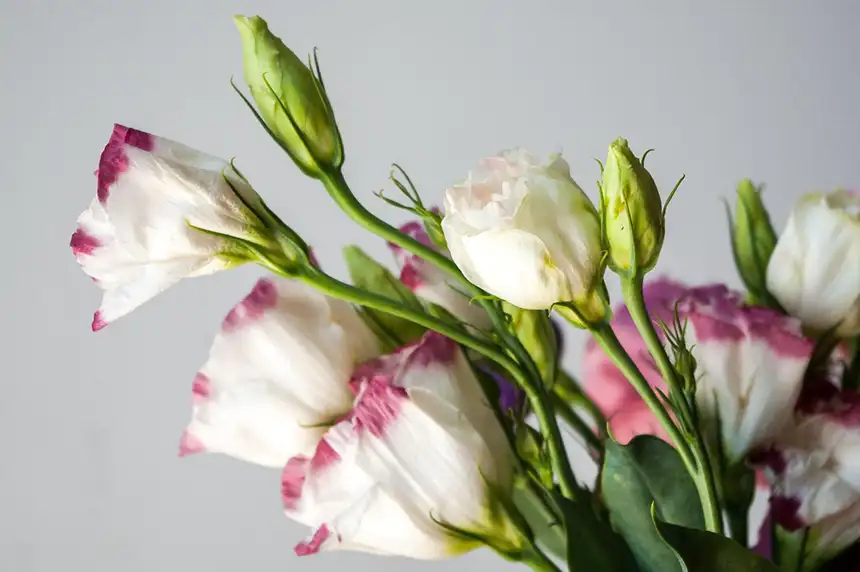
The Arena Series is a high-performance flower with exceptional heat tolerance. It reaches 24-36 inches, producing tall, sturdy upright stems. They have a vase life of 12-16 days, making them a favorite for commercial florists’ market bouquets.
This series is categorized into response groups that indicate relative speed to flower and optimal harvest seasons. They have early-flowering types, mid-early, main-season, and late-flowering types.
Popular Arena colors are gold, apricot, white, blue picotee, purple picotee, and champagne.
4. Rosanne Series
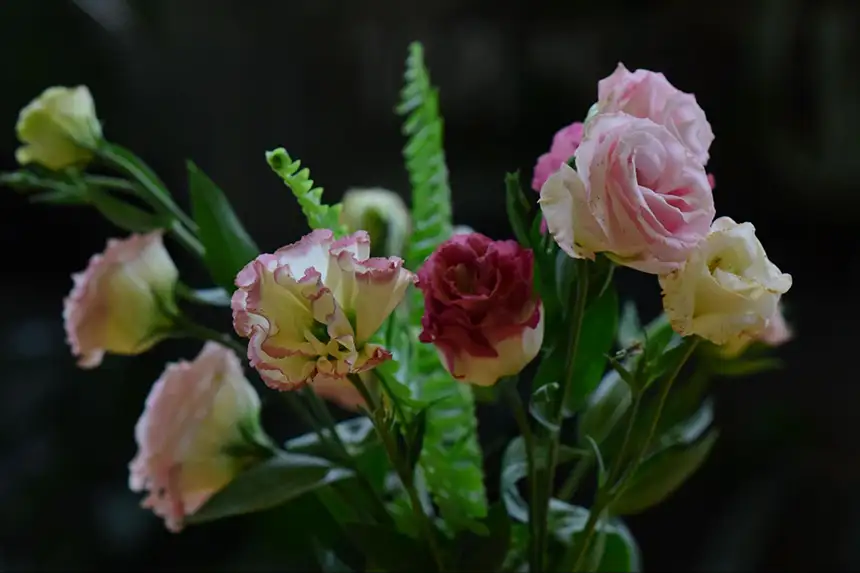
The Rosanne series stands apart because of its strong structural stems and unusual color spectrum. They are full, double flowers with thick, hard petals that resist transport damage and reduce botrytis issues. Their height typically ranges from 60 to 90 cm, with a vase life of 10-14 days.
They come in shades of black pearl, clear green, terracotta, pink, white, and lavender.
5. Corelli Series
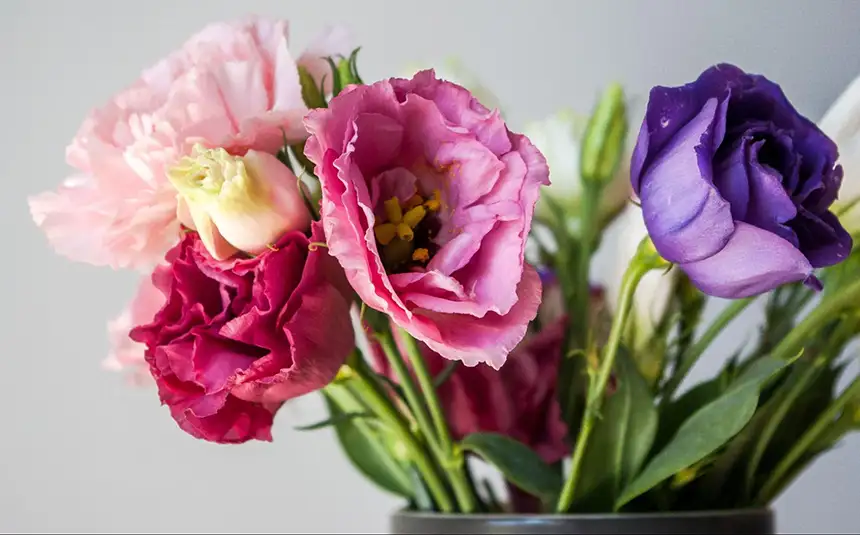
The Corelli series stands out for its high petal count and frilly texture resembling large ruffly double tulips. It reaches 31-39 inches, producing strong, upright, and sturdy stems. They are generally used as commercial cut flowers, highly favored for wedding work and luxury bouquets due to their voluminous texture.
They come in shades of deep pink, white, raspberry, yellow, lavender, peach, and rose.
Common Pest Problems and Their Solutions
Some common pests and diseases that I have noticed in my lisianthus plants are thrips and botrytis blight, fungus gnats, powdery mildew, and Fusarium wilt or crown rot.
In this section, I’ll help you recognise the signs and symptoms of the aforementioned issues and how to deal with them accordingly.
| Pests and Diseases | Symptoms | Solutions |
1. Thrips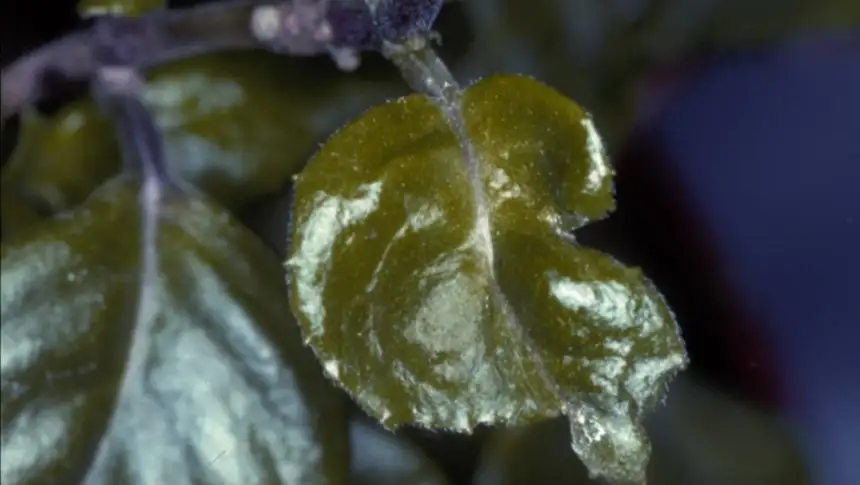 | Leaves develop a silvery, metallic, or bleached appearance with yellow-silver streaks. Distorted growth, dark fecal deposits on the leaf underside, and sunken patches. Browning of buds and deformed petals with premature dropping. | Organic sprays like spinosad and biopesticides containing Beauveria bassiana. Systemic insecticides containing imidacloprid or acetamiprid can be applied to the soil. Release predatory mites and pirate bugs. Apply nematodes to reap more benefits. |
2. Botrytis Blight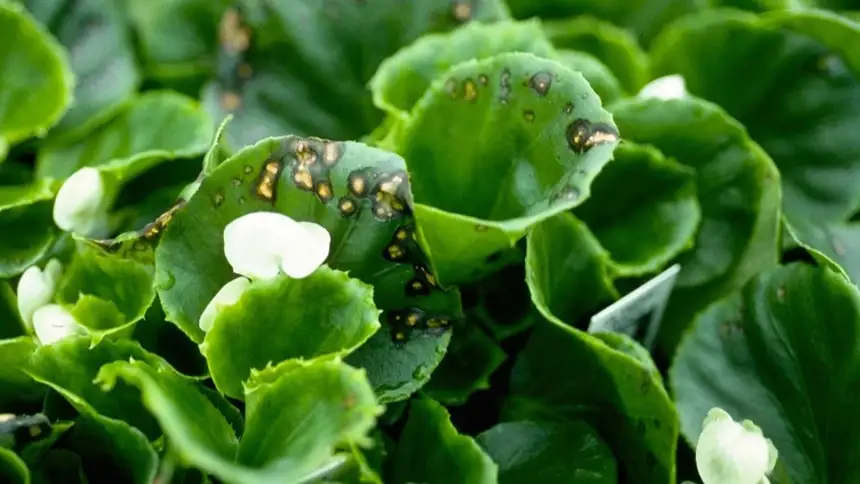 | Petal spotting or flecking that is white in color, looks water-soaked, and turns brown later. Abnormal bud development, blossom rot, lesions on leaves, stem cankers, girdling, and damping off of the stem and root. | Use sulfur and copper-based organic protectants in early growth stages. Calcium fertigation strengthens plant cell walls, providing resistance against blight. |
3. Fungus Gnats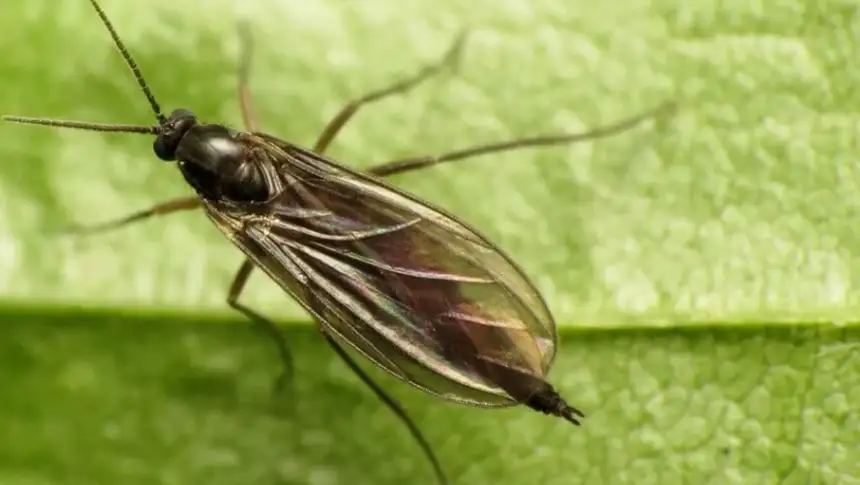 | Sudden wilting and drooping of leaves and stem. Severe stunting of the plant, with yellow foliage (chlorosis) and seedling collapse. Roots appear brown, mushy, and filled with translucent white maggots with shiny black heads. Slime trails across the soil and mosquito-like gnats around the base of the plant. | Apply Bacillus thuringiensis subsp. Insrealensis (Bti). Alternatively, use mosquito bits or dunks; water the plants 3-4 times consecutively. Introduce nematodes like Steinernema feltiae and drench your plant in hydrogen peroxide until it fizzes out. |
4. Powdery Mildew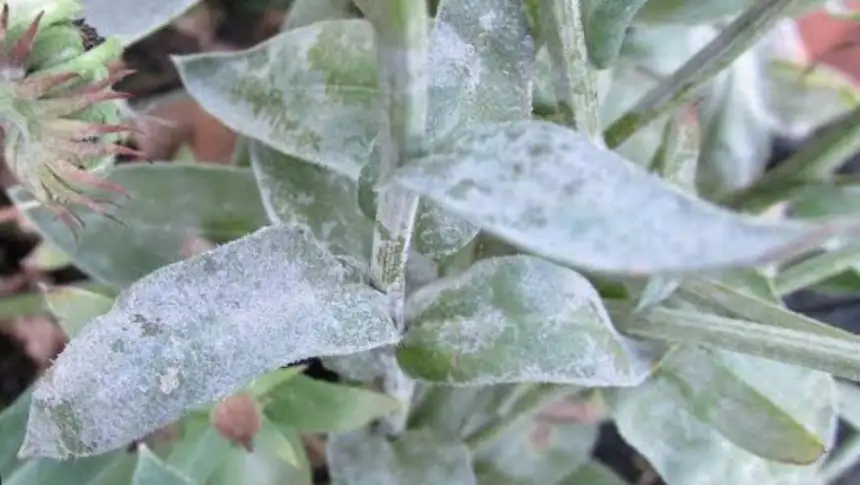 | White or gray small, circular, white spots appearing on leaves, followed by distorted growth, bud damage, and yellowing of foliage. | Clip off the heavily infected leaves, put them in a bag, and discard them to prevent windborne spores. Apply sulfur protectants or myclobutanil. Alternatively, neem oil or potassium bicarbonate are effective options. |
5. Fusarium Wilt/Crown Rot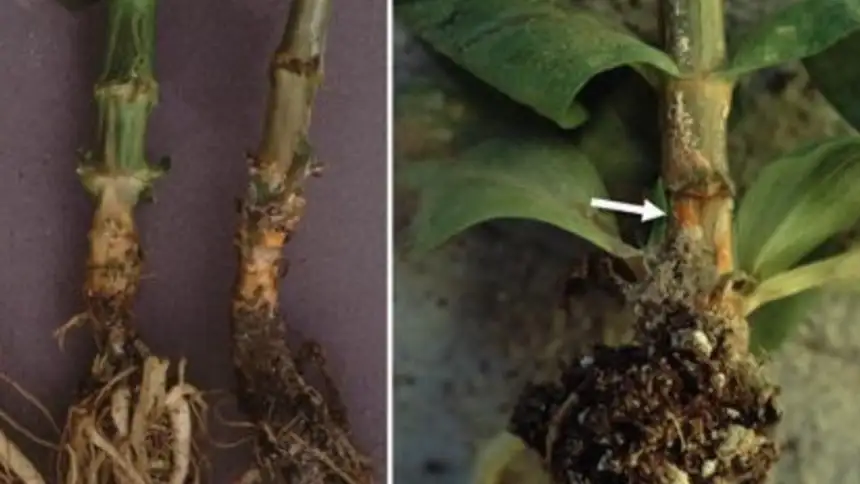 | Leaves lose their bright green color first. Small tan spots appear, followed by discoloration. Brown rot develops on the stem, revealing browning internally, and spore masses appear. Taproots and feeder roots decay, and the plants eventually die. | Destroy infected plants and seal infected debris in trash bags and discard them. Apply Trichoderma harzianum, Bacillus subtilis, or Streptomyces to provide root protection and improve systemic stress tolerance. |
Final Thoughts
Lisianthus is primarily grown as an ornamental plant for stunning, long-lasting cut flowers and elegant floral arrangements and is highly recommended by professional florists. Prized for their ruffled, rose-like petals and long vase life, they are frequently used in weddings and centerpieces.
These flowers take a long time to grow and are quite fragile, requiring intense care and meticulous harvesting to avoid damaging the delicate blooms, but they add a lot of vibrancy with different shades of pink, purple, white, and bicolor variations.
FAQs
Does lisianthus come back every year?
Regrowing lisianthus is possible only if you live in warm climates, where they act as perennials. They need full, direct 6-8 hours of sunlight with some afternoon shade in hot southern climates.
Why is lisianthus hard to grow?
Lisianthus is a complex plant to grow because it has tiny seeds that require intense and long care for 5-6 months to bloom, and they are extremely vulnerable during their early stages. Cold temperatures and heat stress cause rosetting early on, preventing them from growing and blooming.
Do lisianthus grow well in pots?
Lisianthus can be grown in pots and containers successfully because they provide suitable conditions for soil and drainage control. Ideal containers should be 8-10 inches wide for a single plant, and they should be deep enough to support the long taproot.
How long do lisianthus plants typically last?
Lisianthus plants typically last for 10-14 days as fresh-cut flowers and live 3-5 years as perennials. They need intense care and flower food like phosphorus-high liquid fertilizers in order to grow. These types of flowers complete their life cycle in one season and are treated as annuals in most regions.
Why is lisianthus so expensive?
Lisianthus flowers are expensive because they take 5-6 months to grow from seed to bloom, taking up space and using resources for a long time. They have high production costs because the growth is slow and the plugs are expensive to buy. Moreover, they are difficult to germinate, and even while harvesting, they need to be handled gently because they are easily damaged.