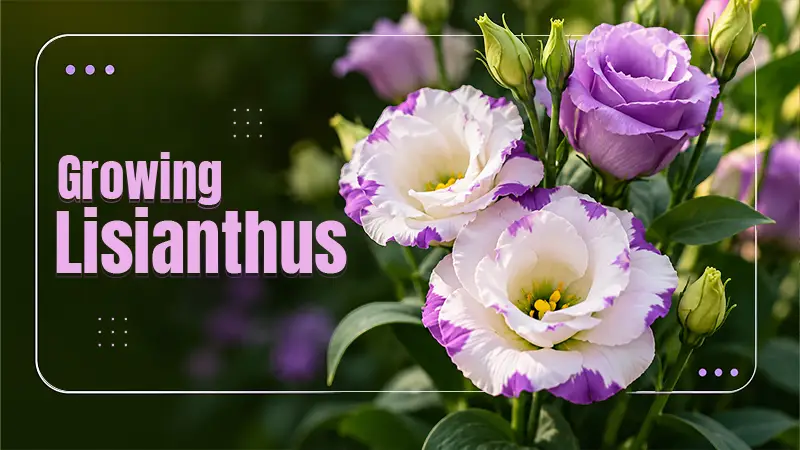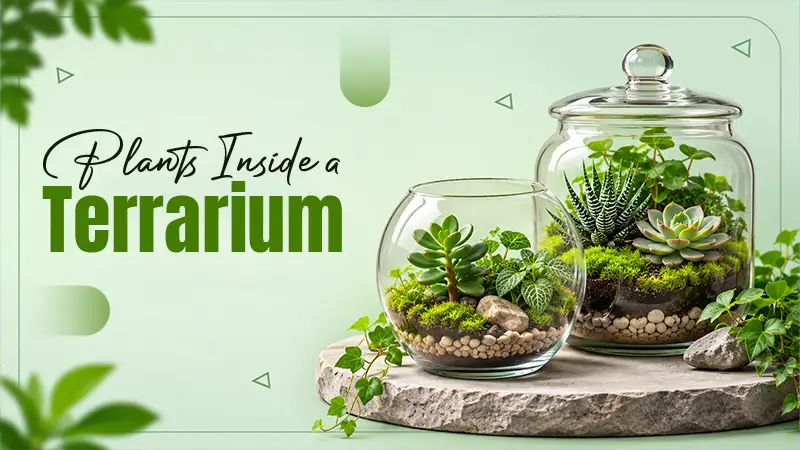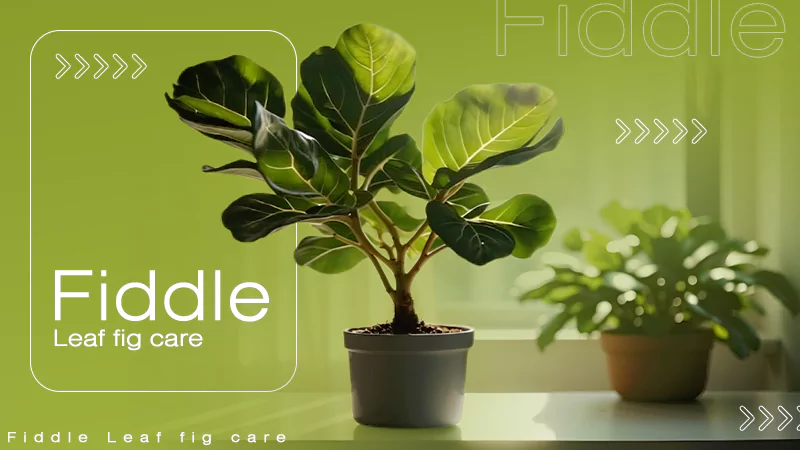


When temperatures drop across the nation and central heating kicks on, indoor air becomes noticeably drier. While human skin might just feel a little tight, houseplants experience this seasonal shift as a major environmental shock. Most popular indoor plants, such as Monstera, Fiddle Leaf Figs, Calatheas, and Pothos, are native to humid tropical or subtropical regions. Moving them from a balanced autumn climate into a comfortable winter living room is like transporting them from a rainforest straight into a desert.
Understanding how winter humidity affects indoor plants and making a few selective adjustments can prevent seasonal leaf drop and keep greenery vibrant until spring.
Why Indoor Air Gets So Dry in Winter
Cold outdoor air holds far less moisture than warm air. When a furnace, baseboard heater, or space heater warms cold winter air to a comfortable 68°F to 72°F (20°C to 22°C), relative humidity plummets.
In many homes during winter, indoor humidity falls between 15% and 25%. For reference, the Sahara Desert averages around 25% indoor humidity. Even if you water your plants regularly, the dry surrounding air pulls moisture out of their coverings faster than the roots can replace it.
Signs Your Houseplants Are Suffering from Low Humidity
Plants communicate moisture stress quite clearly if you know what to look for. Common warning signs of dry winter air include:
Brown, crispy leaf tips and edges: The outer edges of leaves are the most remote points from the root system, so they dry out first.
Curling or rolling leaves: Plants like Calatheas and Peace Lilies curl inward to reduce surface area and slow down moisture loss.
Drooping despite moist soil: If the potting mix is humid but the leaves still look limp, the air is likely too dry for the foliage to stay hydrated.
Premature leaf drop: Ficus trees and ferns often shed lower leaves to conserve energy when ambient moisture drops too low.
Spider mite infestations: These tiny pests thrive in warm, dry environments. Fine webbing on the undersides of leaves is a classic wintertime clue that humidity is too low.
What Are the Ideal Winter Humidity Ranges by Plant Type
Not every houseplant needs a steamy bathroom environment. Matching your room temperature to your plant collection makes winter care much easier:
Tropical Foliage (45%-60% RH): Calatheas, Ferns, Orchids, Monstera, Philodendrons, and Peace Lilies need steady water retention in the air to prevent leaf browning.
Standard Houseplants (40%-50% RH): Pothos, Snake Plants, ZZ Plants, Rubber Trees, and Spider Plants tolerate average winter household humidity remarkably well as long as levels stay above 40%.
Succulents and Cacti (30%-40% RH): Desert natives tend to prefer drier air and handle heated winter homes without extra humidity support.
Practical Ways to Raise Humidity for Houseplants in Winter
Raising indoor moisture does not necessarily involve turning your home into a greenhouse. A few simple habits create microclimates where plants can thrive:
Group plants together: Plants release moisture through their leaves via transpiration. Clustering several pots on a table or plant stand absorbs that moisture in a shared pocket of slightly more humid air.
Use a cool-mist humidifier: Placing a small humidifier near your main plant shelf is the most reliable way to hold steady 45%-55% humidity throughout winter.
Move plants away from heat vents: Forced-air floor registers, radiators, and fireplaces blast hot, dry air directly onto foliage. Keep pots at least 3 to 5 feet away from direct heat sources.
Adjust watering habits: Plants grow slower in winter due to shorter daylight hours. Check the top 2 inches of soil with your finger before watering so you do not mistakenly cause root rot while trying to fix dry leaves.
Skip ineffective misting: Spraying leaves with a water bottle only raises humidity for a few minutes and can encourage fungal spots on leaves if airflow is low. Focus on ambient air moisture instead.
How to Monitor Plant Microclimate
Guessing indoor air conditions often leads to excessive condensation. Many plant owners see brown tips, assume the plant is thirsty, and pour more water into the pot. When the real issue is dry air, extra water only suffocates the roots.
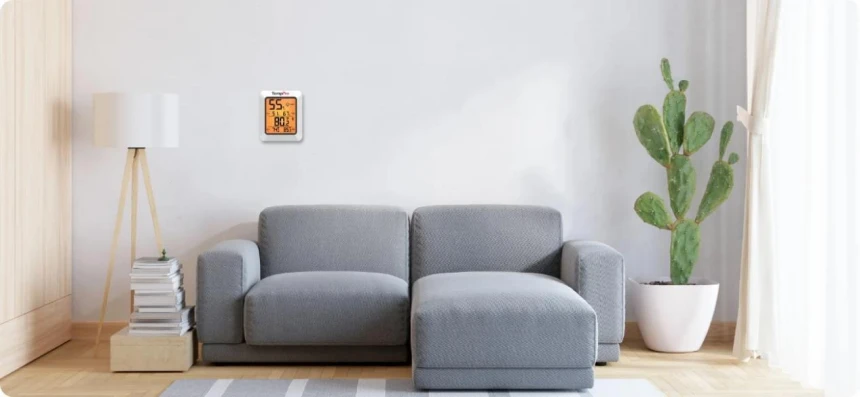
Monitoring the exact temperature and relative humidity level right next to your plants removes the guesswork. You can see immediately when the furnace dries out the room or when a cold draft near a window drops temperatures below 55°F (13°C), which can shock tropical foliage.
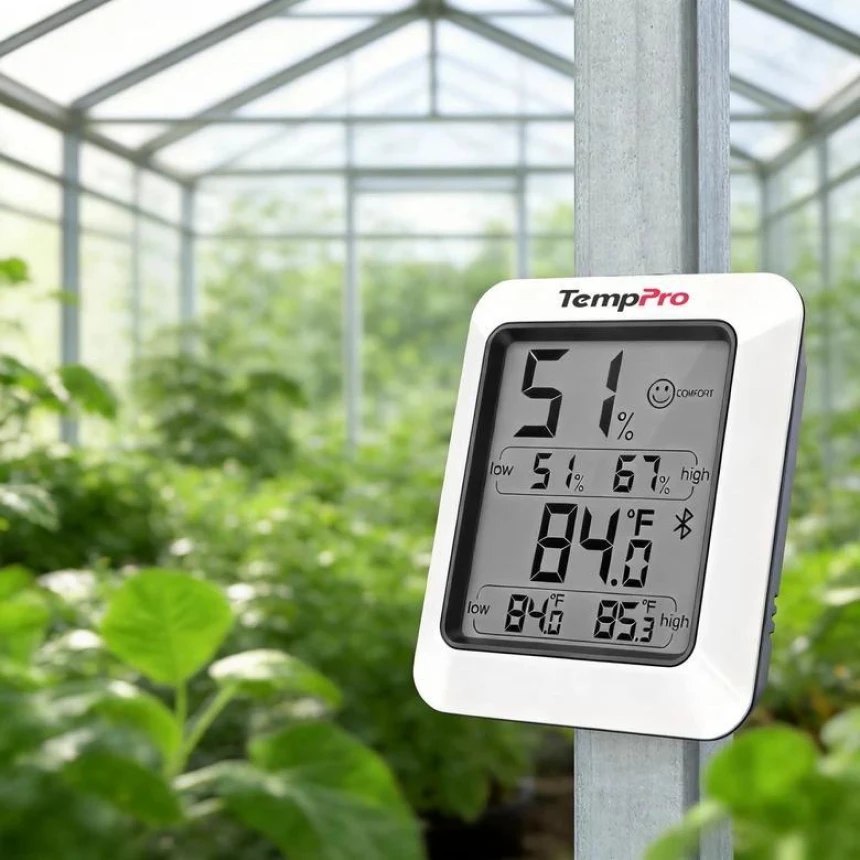
To keep winter plant care simple and accurate, placing a personalized digital sensor among your pots gives you real-time visibility into their microclimate. The TempPro TempAir ELITE TP350 Bluetooth Hygrometer Thermometer is well-suited for indoor gardeners who want reliable data without complicated smart-home hubs.
Its Key features:
- High-accuracy Swiss-made sensor: Measures temperature within ±0.9°F (±0.5°C) and humidity within ±2% RH, giving you trustworthy readings to protect sensitive ferns and tropicals.
- 260-foot Bluetooth range: Lets you check temperatures in a sunroom, greenhouse, or basement plant shelf right from your smartphone without walking over to the pot.
- App alerts and wireless tracking: Through the TempPro Sensor app, you can set custom high and low alerts for both temperature and humidity. If the heat kicks on and drops humidity below the target reading, your phone alerts you right away so you can turn on a humidifier.
- Historical data graphs: Tracks hourly, daily, and yearly swings so you can spot overnight temperature drops near windows and adjust plant placement accordingly.
- Compact, flexible placement: With a built-in tabletop stand, magnetic back, and hanging hole, it fits professionally on a crowded plant shelf or mounts on a metal plant rack without blocking light.
Final Thoughts
Winter does not have to mean losing leaves or struggling with dry, stressed houseplants. Once you understand how indoor heating alters your home’s air, protecting your greenery becomes a simple routine of grouping pots, running a humidifier when needed, and keeping plants clear of harsh vents and icy window drafts.
By pairing these simple care adjustments with accurate microclimate tracking from a reliable Bluetooth temperature and humidity sensor like the TempPro TempAir ELITE TP350, you can take the guesswork out of winter plant care and keep your indoor jungle healthy until spring growth returns.
Can indoor humidity be too high for houseplants in winter?
Yes. If indoor relative humidity climbs above 65% in a cool room with poor air circulation, houseplants become vulnerable to powdery mildew, mold on the soil surface, and root rot. Keeping levels between 45% and 55% hits the sweet spot for both plant health and home comfort.
Should I put my houseplants in the bathroom during winter?
A bathroom with a window can be a great winter retreat for humidity-loving plants like Boston Ferns, Calatheas, and Orchids because daily showers naturally boost moisture. However, if your bathroom has no natural light, low light will stress the plant more than dry air will.
How close should a hygrometer be to my plants?
Do pebble trays actually raise humidity for indoor plants?
Pebble trays provide only a minimal, localized boost right above the water surface, usually raising humidity by 2% to 5% within a few inches of the pot. They help slightly for small single plants, but a cool-mist humidifier is far more effective for a larger plant collection.
Should I use a warm-mist or cool-mist humidifier for houseplants?
A cool-mist humidifier is generally safer and better for houseplants. Warm-mist units boil water and release hot steam, which can scorch nearby leaves if placed too close, whereas cool-mist models distribute moisture evenly at room temperature without overheating foliage.
What is the lowest temperature houseplants can tolerate near a winter window?
Most tropical houseplants start experiencing cold stress when temperatures drop below 55°F (13°C), and temperatures near freezing will cause permanent leaf blackening. Keep sensitive plants a few inches away from cold window glass on freezing nights and monitor overnight lows with a thermometer.