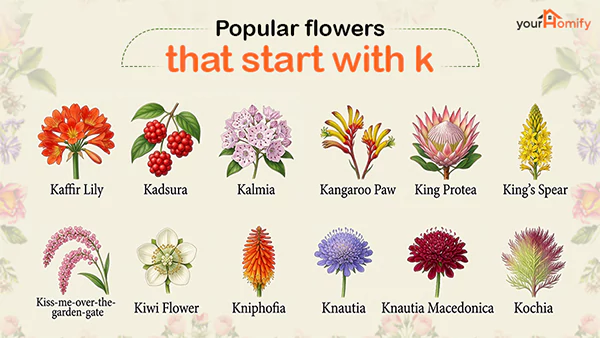
The key to a beautiful and well-structured garden is to plant flowers that start with K. Right from the elegant Kalanchoe to the dramatic and royal King Protea, these flowers are the perfect addition to your garden.
Just like flowers that start with A, D, and P, the landscape aesthetic can not remain devoid of the versatile flowers that start with K. So, if your name starts with this letter or you are curious to explore the unknown K-lettered flowers, dive in as I share a list of 25 flowers that start with letter K.
10 Shrub Flowers That Start With K: Structural Beauty and More
Shrubs are classified as plants with thin but woody stems that are perennial in nature and mainly used to provide a proper structure to the garden in the absence of herbaceous plants.
King Protea
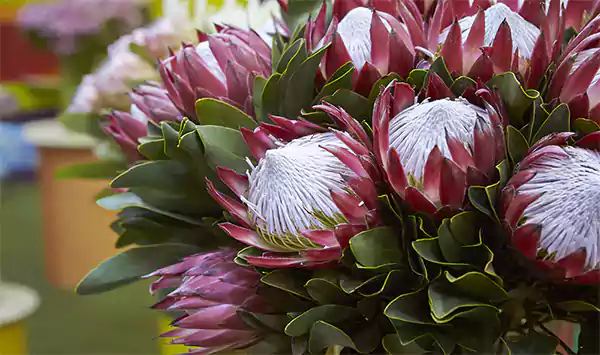
Due to the flower being shaped as a crown, the King Protea is named so. Unique in its appearance, the flower has a white center and a spike covered with large leaves forming the outer layer.
These flowers that start with K are associated with the meaning of courage and diversity and are widely used in flower arrangements.
| Botanical name | Protea cynaroides |
| Hardiness | USDA zones 9-12 |
| Native | South Africa |
| Growth Requirements | 6-8 hours of direct sunlight, well-draining soil, and drought-tolerant once established. |
Kalmia
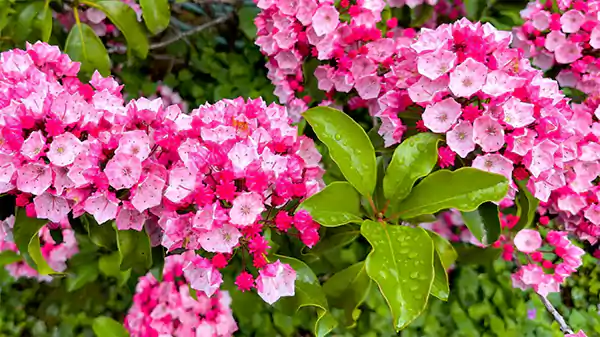
Also known as the mountain laurel, Kalmia is a flowering genus that belongs to the Ericaceae family, like the blueberry bush. The most striking feature of kalmia is the small, cup-shaped flowers that bloom in the colors white, pink, and red.
| Botanical name | Kalmia latifolia |
| Hardiness | USDA zones 2-9 |
| Native | Eastern North America |
| Growth Requirements | Partial shade (low-light plant), well-draining acidic soil, and consistent moisture, but drought-tolerant once established. |
Kolkwitzia
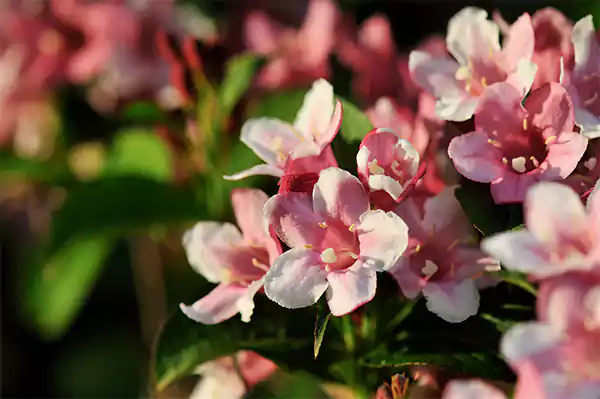
Part of the summer flower honeysuckle family, the Kolkwitzia is also known as the beautybush, and why not? Just look at the small light-pink flowers that can catch your eye throughout summers.
Not to be biased, but this has to be one of my favorite flowers that start with the letter k.
| Botanical name | Kolkwitzia amabilis |
| Hardiness | USDA zones 4-8 |
| Native | Central and Eastern China |
| Growth Requirements | Full sun, but can grow in partial shade, well-draining soil, and drought-tolerant once mature. |
Kalmiopsis
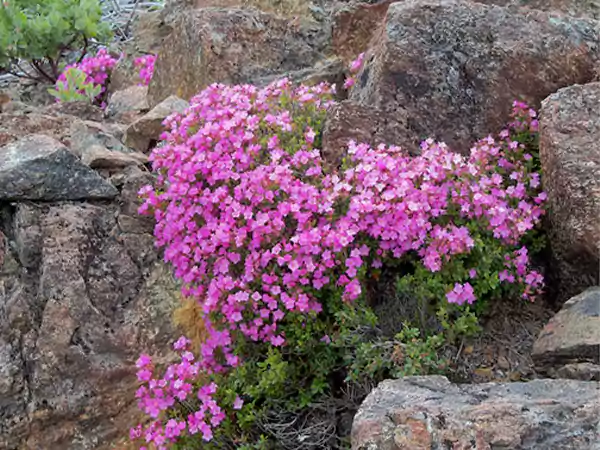
Kalmiopsis is a low-growing evergreen shrub that grows small pink flowers and mainly grows in rocks, hence are a famous option for rock gardens.
These perennial flowers die back in the winter and bloom again in spring, making them low-maintenance.
| Botanical name | Kalmiopsis leachiana |
| Hardiness | USDA zones 5-7 |
| Native | Southwestern Oregon |
| Growth Requirements | Full sun to partial shade, well-draining soil (preferably humus-rich), and consistent watering. |
Kalanchoe
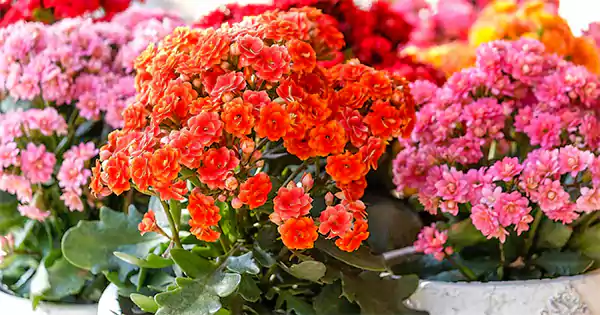
Similar to the Bacopa plant, Kalanchoe is also a flowering genus encompassing over 100 species of succulent plants that are best grown as indoor plants due to their low cold tolerance.
These succulent plants grow glossy leaves with small flowers in the shades of pink, red, and yellow.
| Botanical name | Kalanchoe blossfeldiana |
| Hardiness | USDA zones 9-12 |
| Native | Madagascar and Tropical Africa |
| Growth Requirements | 8 hours of direct sunlight, watering every 2 weeks, and a slightly acidic soil type are preferred. |
Kopsia
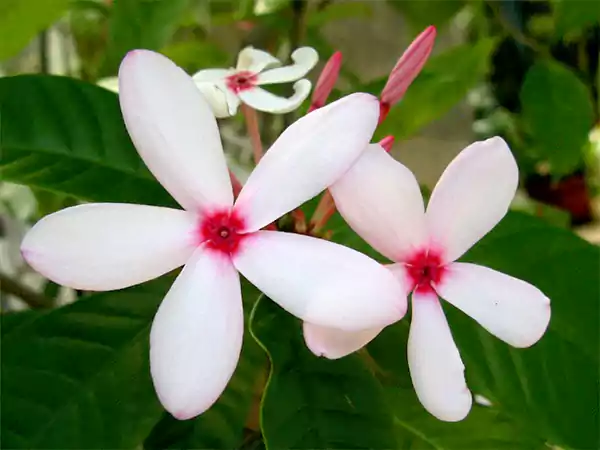
Also known as the shrub vinca, Kopsia is an evergreen shrub that grows star-shaped pink flowers with a dark pink center and big green leaves. Ideal for garden borders, I like how this minimalist flower design adds so much to the garden.
It also has a unique association with the zodiac sign Libra and is considered toxic if ingested.
| Botanical name | Kopsia fruticosa |
| Hardiness | USDA zones 10-11 |
| Native | Southeast Asia |
| Growth Requirements | Thrives in full sun to partial shade, well-draining, slightly acidic soil, and regular watering, but avoids waterlogging. |
Kalmia angustifolia
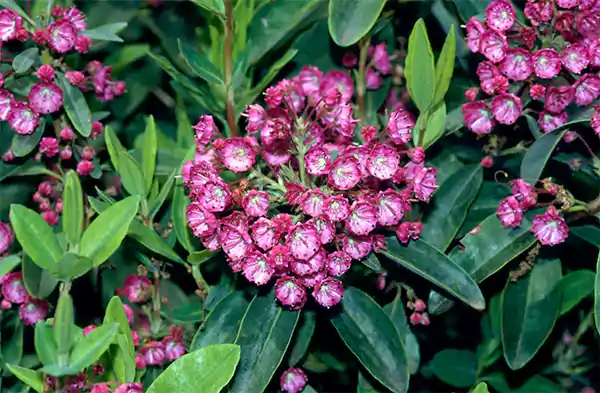
Popularly known as sheep laurel, this evergreen shrub belongs to the Ericaceae family. These cup-shaped flowers are best grown in early spring, as it gives the roots time to establish properly.
Although great if planted in patios and lawns, they are called “lamb-kill” because they are harmful for grazing animals.
| Botanical name | Kalmia angustifolia |
| Hardiness | USDA zones 5-8 |
| Native | Northeastern America |
| Growth Requirements | Sandy acidic soil with partial sun and consistent watering. Mulching while planting is advisable. |
Kerria Japonica
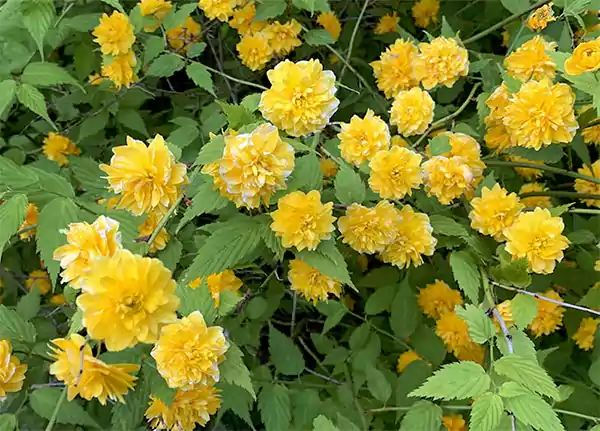
The Japanese kerria tree produces golden yellow flowers that resemble roses. This deciduous shrub flowers during late spring and sheds its leaves in autumn after they turn pale yellow.
I personally enjoy growing it, as it is disease-resistant and shows brilliant green stems even after the flowers fade.
| Botanical name | Kerria Japonica |
| Hardiness | USDA zones 4-9 |
| Native | East China, Japan, and Korea |
| Growth Requirements | Thrives in low light and humus-rich, well-draining soil. |
Kanawao
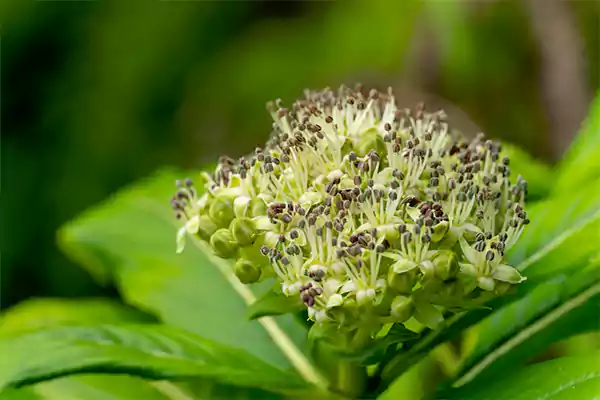
Just like the fellow perennial flower, Panicle Hydrangea, Kanawao also belongs to the Hydrangea family and is classified as a Hawaiian flower.
These pollinator-friendly plants have distinct flowers and grow small berry-like fruits, which are also considered beneficial for pregnant women.
| Botanical name | Broussaisia arguta |
| Hardiness | USDA zones 10-11 |
| Native | Hawaiian Islands |
| Growth Requirements | Full sun to partial shade, moist soil, and high humidity. |
Kunzea baxteri
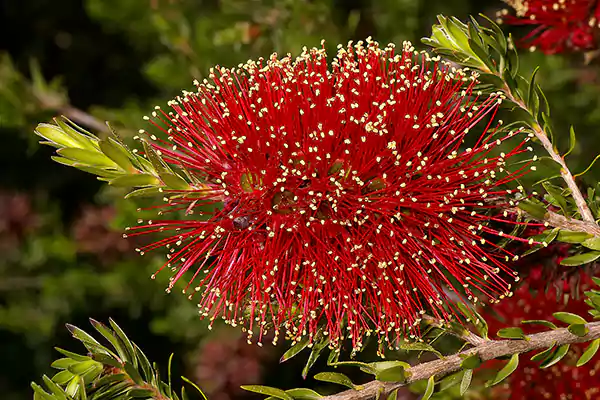
Kunzea baxteri belongs to the Myrtaceae family and grows conspicuous stamens that give it a unique brush-like look. These stamens help the plant in its pollination abilities, which is another advantage of growing it in rock gardens.
| Botanical name | Kunzea baxteri |
| Hardiness | USDA zones 9-10 |
| Native | Australia |
| Growth Requirements | Full sun (6+ hours), sandy, well-draining soil, and low water needs, but keep the soil moist. |
10 Herbaceous Flowers That Start With the Letter K
Herbaceous flowers are identified as delicate-stemmed plants that die back in winter after flowering for one season. They are required to be planted again and are grown mainly to add color to the garden.
Kangaroo Paw
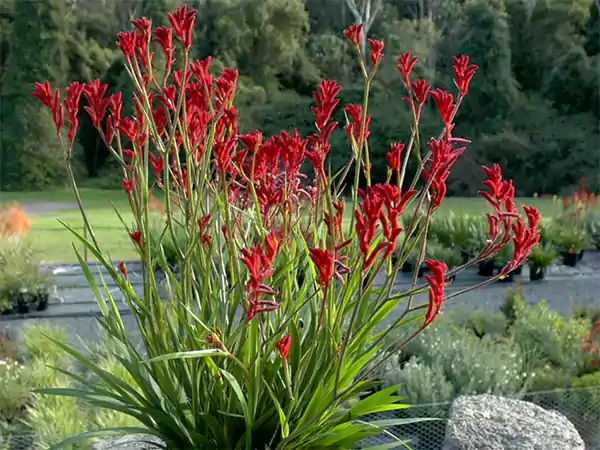
Named for its unique resemblance to the kangaroo’s paws, this herbaceous plant grows tubular flowers in a vertical manner, which can help give the garden an elevated look, along with the vibrance of the red flowers, which are a perfect addition to any landscape.
| Botanical name | Anigozanthos spp. |
| Hardiness | USDA zones 9-11 |
| Native | Southwestern Australia |
| Growth Requirements | 8+ hours of direct sunlight, sandy or loamy soil with regular watering. Low-phosphorus fertilizer during the growing season. |
Kaffir Lily
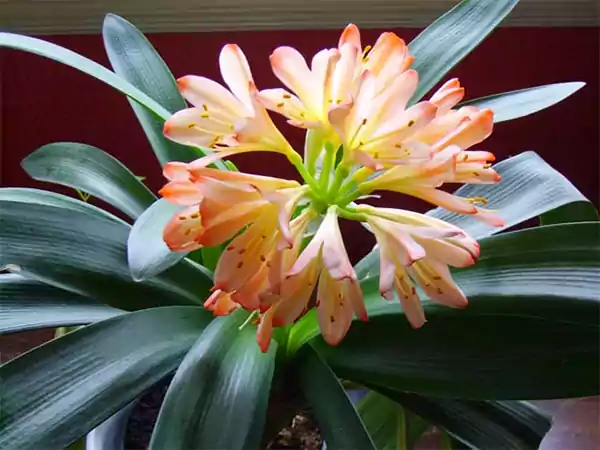
Kaffir lily belongs to the Amaryllidaceae family, just like the March birth flower, the daffodil. This herbaceous perennial is not a true lily like the Asiatic lily, but is named so due to its resemblance to one.
These trumpet-shaped flowers are fragrant and feature big green leaves, but they need an 8-week rest period to bloom to their full potential.
| Botanical name | Clivia miniata |
| Hardiness | USDA zones 9-11 |
| Native | South Africa |
| Growth Requirements | Partial to deep shade, well-draining soil, and moderate watering. |
Kniphofia
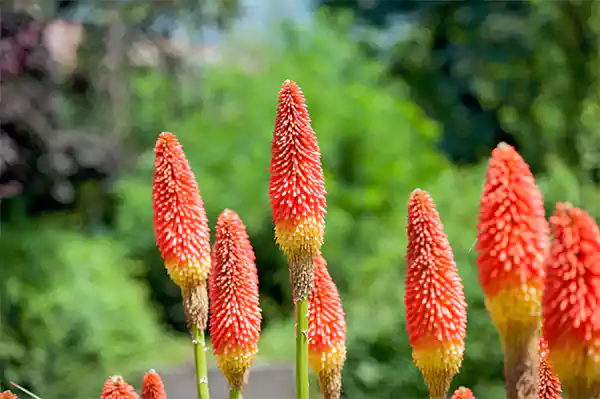
The elegant red hot poker is a sight to behold, with its spiky appearance that reminds you of a torch. These flowers are a perfect home for hummingbirds and bees, making them a beneficial garden choice.
More than anything, these 2 cm tall plants are a perfect choice for gardeners wanting to add height to the outdoor space.
| Botanical name | Kniphofia |
| Hardiness | USDA zones 5-9 |
| Native | South Africa |
| Growth Requirements | Full sun, regular watering, and humus-rich soil. |
Kirengeshoma
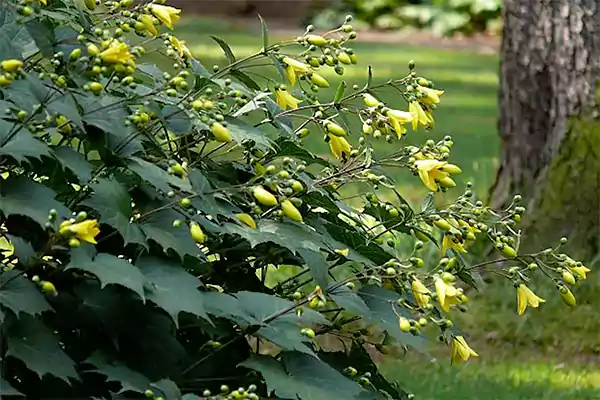
Another from the family of Hydrangea, the Kirengeshoma are also known as yellow wax bell flowers because of the bell-shaped blooms, which complement the big green leaves perfectly.
I have been using these elegant blooms to fill up the bleak corners of my garden, and they do not disappoint me ever.
| Botanical name | Kirengeshoma palmata |
| Hardiness | USDA zones 5-8 |
| Native | Japan, Korea, and China |
| Growth Requirements | Partial to full shade, humus-rich soil, and consistent moisture. |
Knapweed
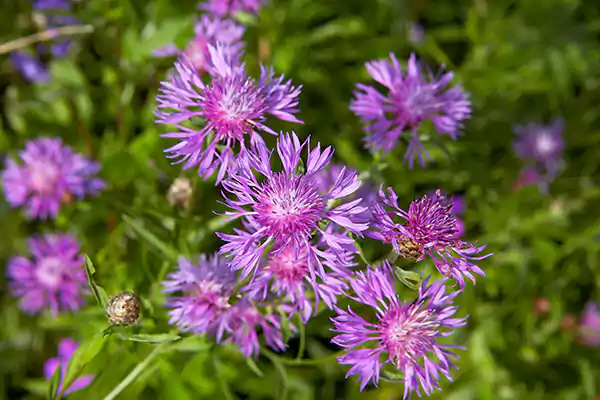
Same as the aster flower, knapweed, which is also known as hardheads, belongs to the daisy family. They have thistle-like flowers that grow in the colors pink, purple, and white.
The meaning of these flowers that start with the letter k is associated with resilience.
| Botanical name | Centaurea nigra |
| Hardiness | USDA zones 3-9 |
| Native | Western Asia and Europe |
| Growth Requirements | Full sun to partial shade, can grow in poor soil types, and is also drought-tolerant once mature. |
Kadupul
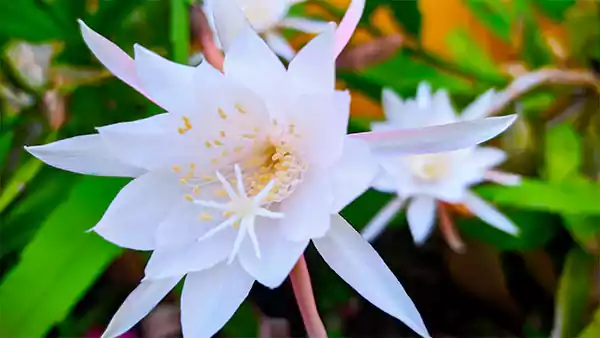
Kadupul is popularly known as the ‘Queen of the night’ flower, mainly because this rare flower only blooms for a few hours at night.
The fans of exotic and hard-to-find flowers grow this beauty as an indoor plant across the globe. Although kadupul is quite easy to care for, the only tip from my end would be to protect it from direct sunlight.
| Botanical name | Epiphyllum oxypetalum |
| Hardiness | USDA zones 10-11 |
| Native | Sri Lanka |
| Growth Requirements | Bright, indirect sunlight, a well-draining soil mix with orchids, and regular watering. |
Kiss-Me-Over-the-Garden-Gate
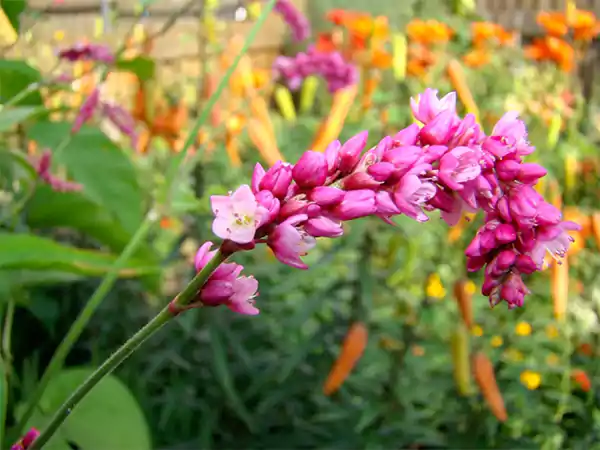
The cascading, fragile stems of the Persicaria flower give it the distinctive name by which it is known. I plant it near my garden gates, and it gives the perfect trailing-like effect that I want.
Also, the cluster of small pink flowers and heart-shaped flowers is used as ornamental flowers in bouquets.
| Botanical name | Persicaria orientalis |
| Hardiness | USDA zones 4-8 |
| Native | Southwest Asia |
| Growth Requirements | Full sun to partial shade, moist and well-draining soil.Growing from seeds is preferred. |
Kitaibelia
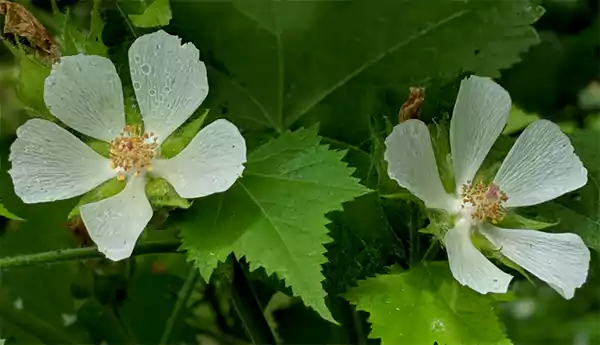
Say hello to another rare flower, which is closely related to the hollyhocks, as they share the same family, Malvaceae. The beautiful cup-shaped petals have small gaps in between that expose the foliage even more.
Please note, if you are bringing them home, they are best planted outdoors as a border rather than in balcony gardens as hanging plantsdue to their large size.
| Botanical name | Kitaibelia vitifolia Willd. |
| Hardiness | USDA 5-8 |
| Native | Balkan Peninsula |
| Growth Requirements | Partial shade and regular watering, as they are resilient but not drought-hardy. |
Knautia arvensis
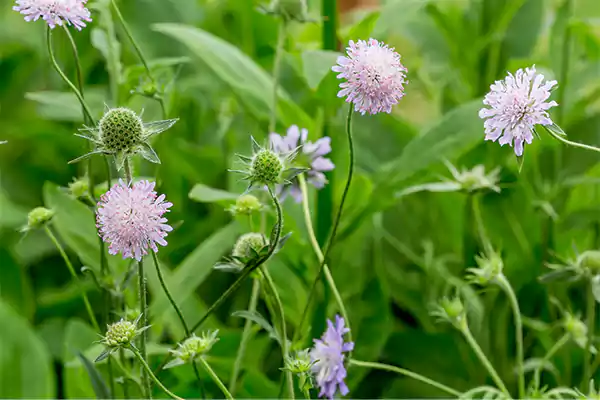
The Knautia arvensis comes from the same family as the Scabiosa plant, which is Caprifoliaceae. Also commonly referred to as scabious, these flowers are infamous for their pincushion appearance.
Grown in shades of purple, these herbaceous beauties are deer-resistant flowers.
| Botanical name | Knautia arvensis |
| Hardiness | USDA zones 5-9 |
| Native | Europe |
| Growth Requirements | Full sun to partial shade, chalky soil, and moderate watering needs (drought-tolerant). |
Kosteletzkya pentacarpos
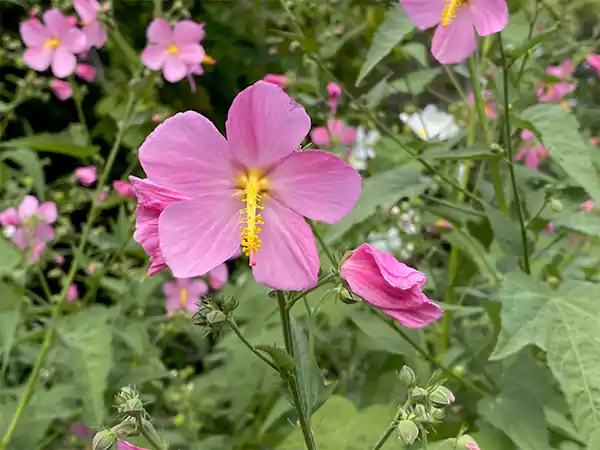
Also known as the Seashore Mallow, this herbaceous perennial stands apart in its uniqueness due to the 5-petal flowers and a pointed yellow stamen. Reaching up to a height of 6 feet, they usually grow in wetlands but are hardy to saline water and can grow easily without getting harmed.
In fact, NCBI concluded in one of its studies that Kosteletzkya can be a potential halophyte for the photoremediation of polluted saline soils.
| Botanical name | Kosteletzkya pentacarpos |
| Hardiness | USDA zones 6-10 |
| Native | Eastern America |
| Growth Requirements | Full sun, sandy, loamy soil, and regular watering, as it is not drought-tolerant. |
An Extended List of Flowers That Start With K
Flowers that start with E are a must-have in the garden, whether as an annual or perennial. Take a look at some more E-letter flowers that you will love.
Kanzan Cherry Blossoms
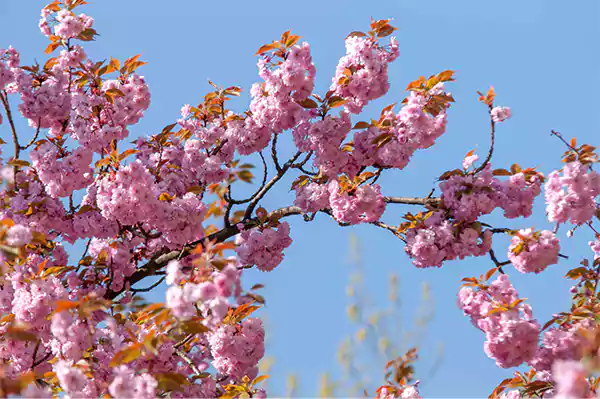
Kanzan cherry blossoms grow on a tree popularly known as the Japanese flowering cherry. These pink flowers bloom in April and ideally grow as tall as 30 feet. This perennial tree is planted extensively for ornamental purposes due to its elegant foliage.
| Botanical name | Prunus serrulata ‘Kanzan.’ |
| Hardiness | USDA zones 5-9 |
| Native | East Asia |
| Growth Requirements | Full sun (6+ hours), well-draining soil with acidic pH, and regular pruning for maintenance. |
Kanikkonna Flower
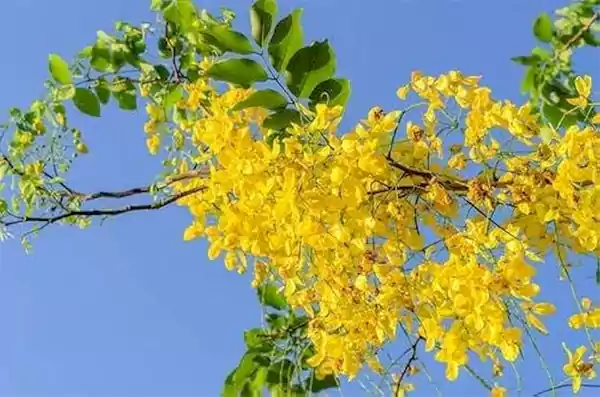
Also known as the Golden Shower tree, this perennial tree grows yellow flowers (Kanikkonna) that bloom in early spring and, as the name suggests, sheds its flowers in mid-April, which feels truly like a golden shower.
| Botanical name | Cassia fistula L. |
| Hardiness | USDA zones 10-11 |
| Native | Indian Subcontinent |
| Growth Requirements | 8 hours of direct sun, well-draining sandy loam soil, and regular watering initially (drought-tolerant once established). |
Kigelia Flower
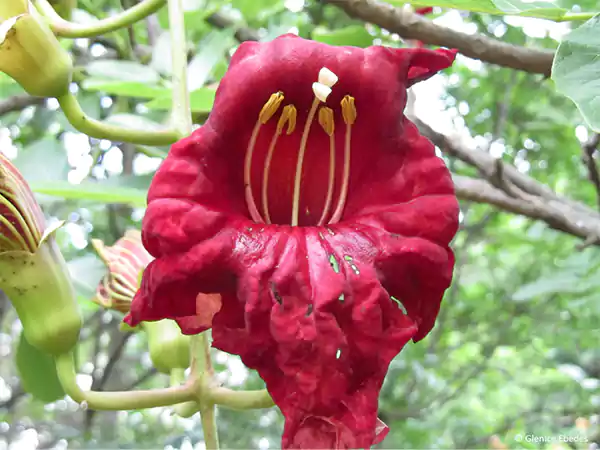
The Kigelia tree is also known as the Sausage tree, as it grows 1-meter-long sausage-type fruits and bright maroon-red flowers known as kigelia flowers. The highly fragrant flowers attract bats for pollination along with bees and butterflies.
| Botanical name | Kigelia africana |
| Hardiness | USDA zone 10 |
| Native | Tropical Africa |
| Growth Requirements | Full sun for 6+ hours, well-draining sandy soil, and regular watering in the growing stage (drought-tolerant once established). |
Kadsura Flower
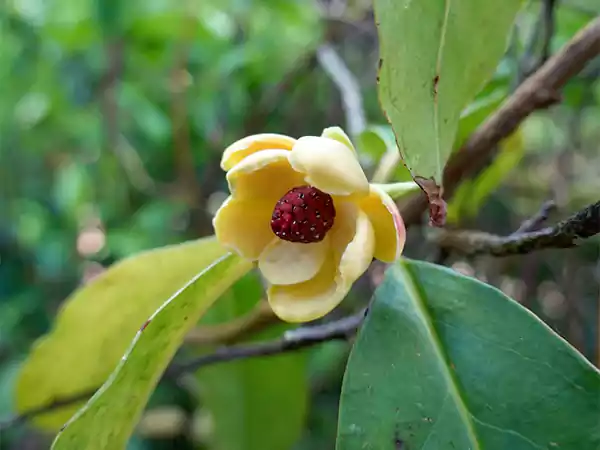
Always a treat to watch the blooming yellow cup-shaped flowers. The kadsura flower grows on Kadsura japonica, which is a climbing vine and a shade perennial. These flowers bloom from June to September, gracing the gardens with their elegant vines.
| Botanical name | Kadsura japonica |
| Hardiness | USDA zones 6a-9b |
| Native | East Asia |
| Growth Requirements | Prefers partial shade, well-draining, slightly acidic soil, and regular watering (not drought-tolerant) |
Kaffir Lime Flower
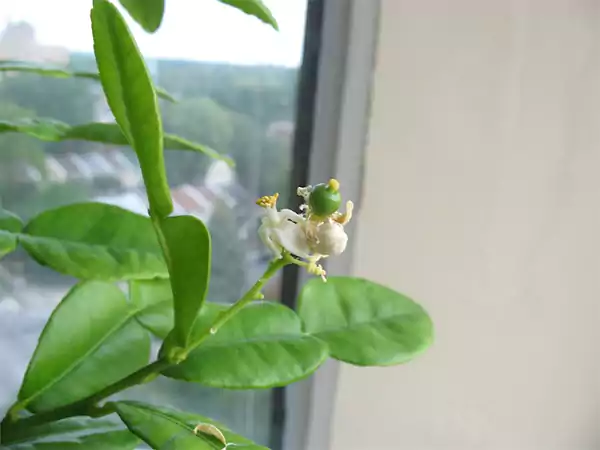
As the name suggests, the kaffir lime tree grows big green citrus fruits called the Thai lime, which turn yellow when ripe. Along with the fruits and the glossy green leaves, this tree also grows small white flowers that are shaped like stars and are highly aromatic and pollinator-friendly.
| Botanical name | Citrus hystrix |
| Hardiness | USDA zones 9-12 |
| Native | East Asia |
| Growth Requirements | 6+ hours of direct sunlight, well-draining soil (acidic to neutral), and not frost-hardy. |
Wrapping Up
The elegance of the flowers that start with K is unmatched, and they are not limited to a particular type. Whether it is adding structure and form with shrubs or color and life with the herbaceous plants, the letter K has all that one needs to upgrade the outdoor space.
Let this coming spring be the time when you plant some flowering beauties that start with K.
FAQs
What are the perennial names of flowers that start with K?
Kalanchoe, kangaroo paw, and knapweed are some perennial flowers that start with K.
Are there K-letter flowering trees?
Yes, there are flowering trees that start with K, for example, the Kanzan cherry and Kigelia tree.
What are the rarest flowers that start with K?
Kitaibelia andKadupul are some rare and unique flowers that start with K.
Is Kalanchoe a flower or a shrub?
Many varieties of Kalanchoe plants are considered shrubs, while many also fall under the category of herbaceous perennials.
Does Kaffir lime grow flowers?
Yes, the Kaffir lime tree grows small, white, and fragrant flowers that bloom in late spring.
Plants beginning with ‘K’—Burncoose Nursery, UK