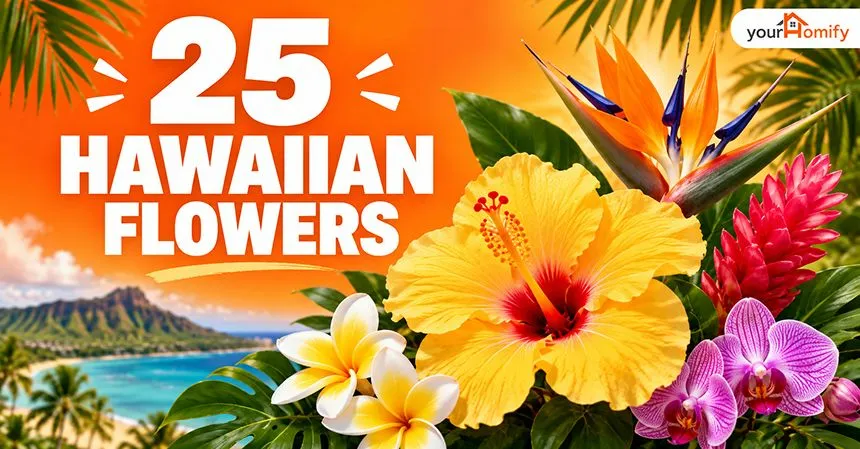
Hawaiian flowers are popular tropical plants that are popular for their rich symbolism, which is associated with compassion and peace and represents the spirit of the island. Some of the most popular flowers include yellow hibiscus, which is also the official state flower, along with the flamingo lily, orchids, plumeria, red ginger, and more. Flowers in Hawaii are mainly linked to aloha (love and compassion) and leis (garlands) used to welcome guests. This is the reason many flowers not native to the state are significant and are classified as Hawaiian flowers.
If you are curious about Hawaiian flowers, let me take you through a detailed list of 25 Hawaiian flowers along with the state flower, cultural significance, and additional insights.
Quick answer
Hawaiian flowers include yellow hibiscus, plumeria, bougainvillea, flamingo lily, mamane, haha flower, sea hibiscus, birds of paradise, orchids, pikake, red ginger, heliconia, white hibiscus, and many more. These flowers, apart from ornamental gardening, are traditionally used in lei-making, which is used to symbolize aloha, translating to love and warmth.
What is the Hawaiian State Flower?
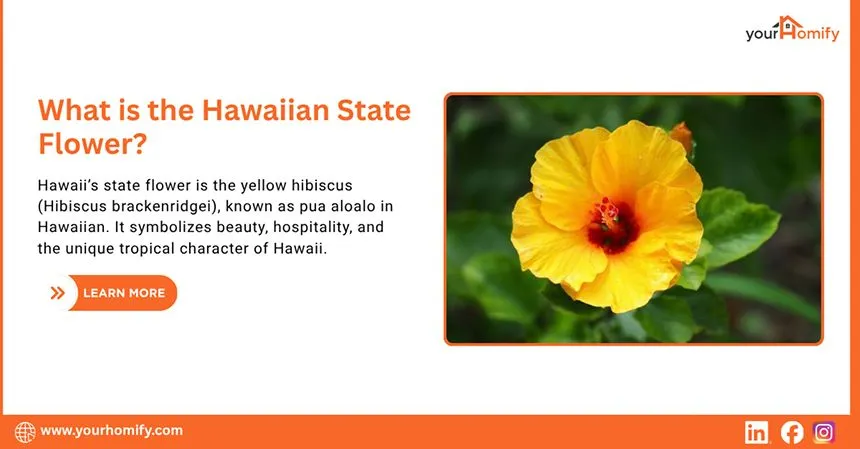
The yellow hibiscus is the official state flower of Hawaii. Hibiscus was declared the state flower in 1923, but there was confusion regarding the variety. Therefore, later in 1988, the Hawaiian legislature declared the “yellow hibiscus” the state flower. It is also called the Pua Moa Hua Hele and is endemic to the region of Hawaii and hence is also associated with the cultural and ecological heritage of the island.
Note that these flowers are an endangered species; therefore, they are not grown in home gardens. This yellow flower grows up to 3-10 feet tall and is a symbol of happiness, joy, good luck, and sunshine.
YourHomify Insight
The yellow hibiscus (Hibiscus brackenridgei) flower is a wild species and different from the common yellow hibiscus. The flowers found in home gardens, resorts, and city buildings are not the wild species but the common type.
25 Hawaiian Flowers With Features and Images
Popular Hawaiian flowers include bougainvillea, flamingo lily, frangipani, mamane, dwarf poinciana, yellow hibiscus, and many more. These blooms may or may not be native to Hawaii, but they share a deep cultural connection to the place, as the flowers are deeply embedded in popular culture and festivities.
Take a look at 25 Hawaiian flowers with their meaning and symbolism in Hawaii:
1. Bougainvillea
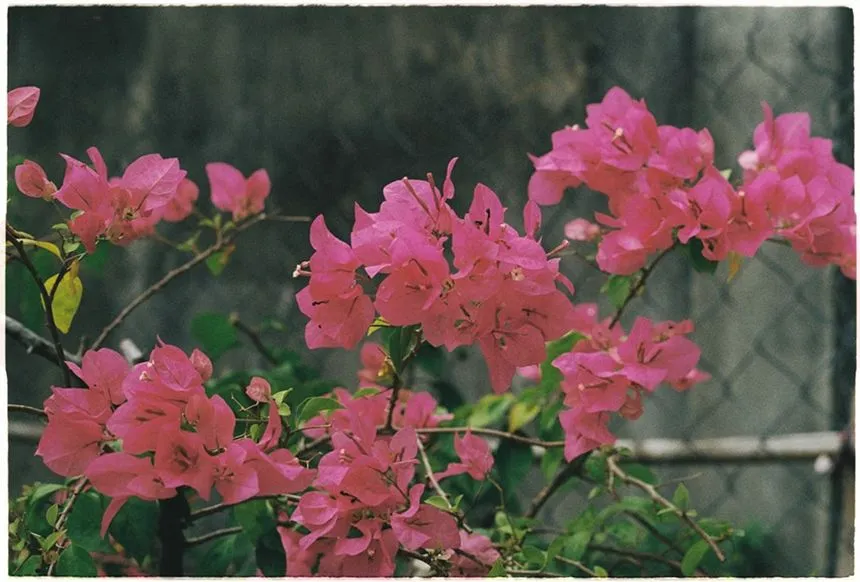
Bougainvillea is a perennial flower that is not native to Hawaii but is grown in its tropical climate. Native to the subtropical forests of South America but is associated with Hawaii because of its cultural significance. They grow up to 15-30 feet and are used to make leis, which are a type of garland in Hawaii, as they are symbolic of welcome, passion, and resilience.
2. Flamingo Lily
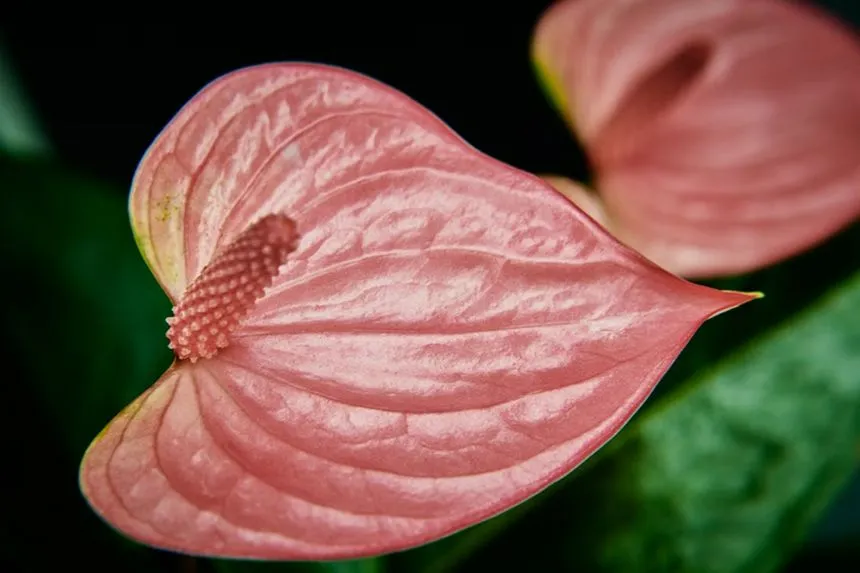
The flamingo lily is also known as the “Heart of Hawaii” because of the heart-shaped flowers, which mean warmth, hospitality, and good fortune on the island. These flowers are native to Central and South America but have been popularized as a Hawaiian flower due to their cultural significance.
The flamingo lily is not a Hawaiian flower but was brought by the English missionary to Hawaii.
Also known as anthuriums, these flowers grow up to 1-3 feet tall and feature waxy leaves that have no fragrance. Hilo, in Hawaii, is known as the anthurium capital of the world, which makes these flowers extremely significant on the tropical island.
3. Frangipani
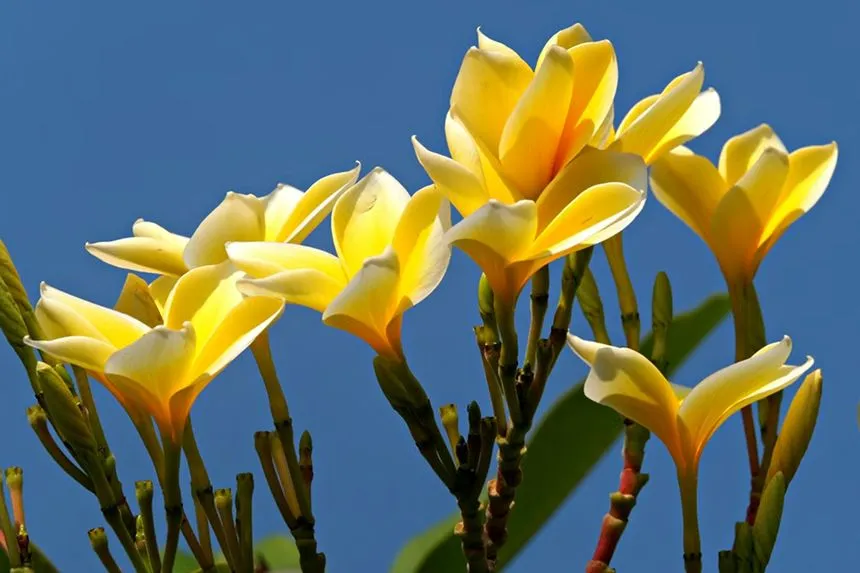
Frangipani is a perennial woody shrub from the Plumeria genus. They are commonly known as melia in Hawaii and was brought back in the 1800s. They are often confused with a Hawaiian native plant but are native to Mexico. Their association with Hawaii is mainly due to their use in making leis and tropical growing conditions, which these Hawaiian flowers prefer.
They grow up to 15-25 feet tall and have an exotic, sweet fragrance which attracts pollinators, making them extremely beneficial for the garden. They are a symbol of aloha in Hawaii, which translates to peace and compassion.
4. Mamane
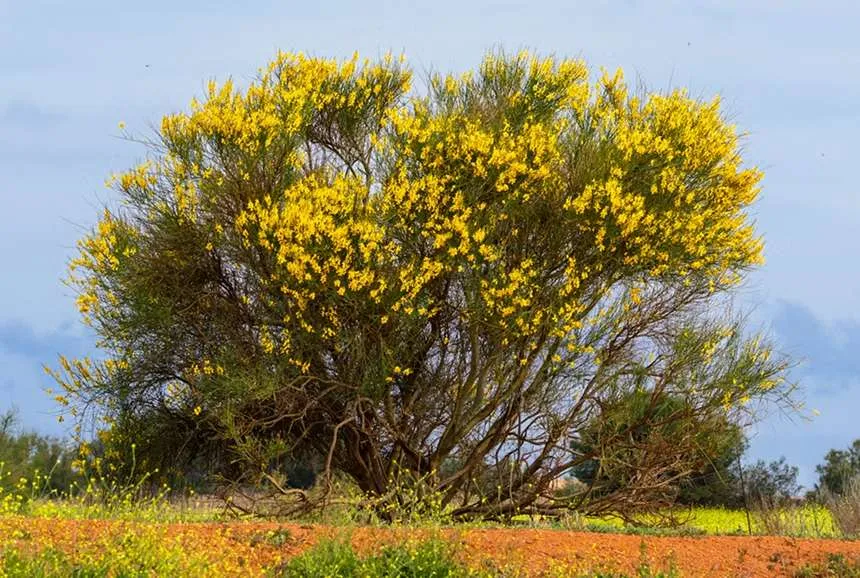
Mamane is an evergreen shrub/tree from the Fabaceae family that features bright yellow flowers shaped like a pea. These flowers do not have a distinct fragrance but are great for pollinators and can be ecologically friendly for your garden. In Hawaii, they are mainly found all across Hawaii except Kaho’olawe and Ni’ihau because they do not provide adequate growing conditions for the flowers. The mamane flowers are mainly found in dry shrublands and wetland forests with an elevation of 426 to 3,048 meters, as per the Department of Land and Natural Resources.
5. Dwarf Poinciana
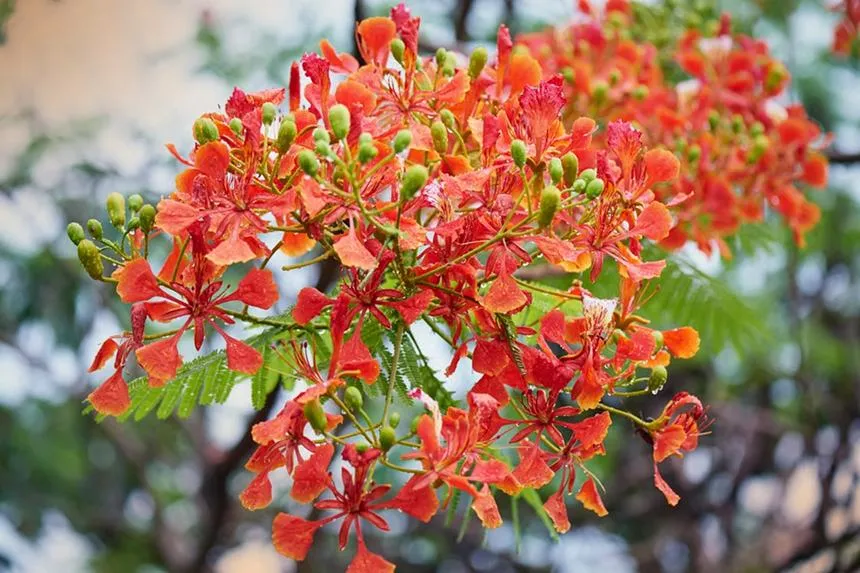
Also known as the Pride of Barbados, the dwarf poinciana is an evergreen shrub originally native to Central America. They feature bowl-shaped flowers in the colors red, orange, and yellow. Despite being a Mexican flower, the dwarf poinciana is popular in Hawaii due to its cultural significance and use in lei making.
They are a symbol of hospitality and peace; these flowers provide year-round foliage with excellent drought tolerance, along with pollination.
6. Yellow Hibiscus
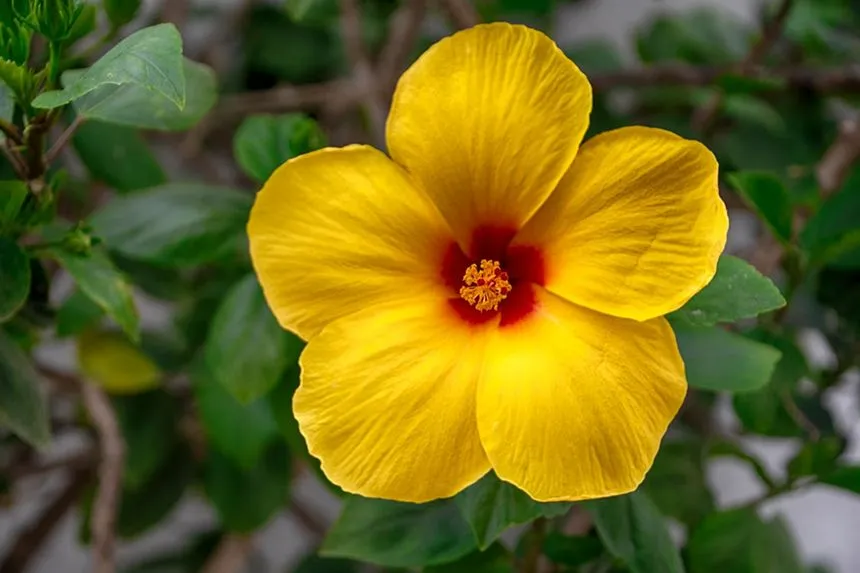
The yellow hibiscus, locally known as maʻo hau hele, is a hardy shrub from the mallow family that grows up to 3-10 feet tall. These flowers were declared the state flower of Hawaii in 1988 due to their endemic nature and were associated with the botanical heritage of the state.
These yellow flowers are generally grown in warm gardens around the world. They prefer a consistent soil temperature between 60°F and 75°F with bright, direct sunlight for 6-8 hours.
7. White Hibiscus
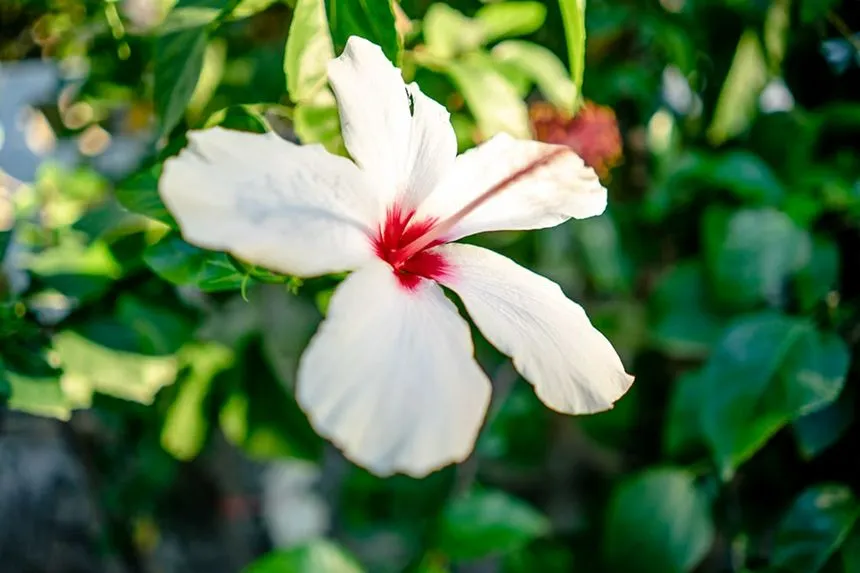
White hibiscus is an evergreen shrub from the mallow family. These flowers grow up to 3-10 feet tall and require a consistent soil temperature of 65°F-75°F to bloom, along with direct sun exposure for 6-8 hours. The flowers have a mild fragrance and are mainly found in the wet forests of the mountains of Moloka’i and O’ahu, as they require consistently moist soil.
The meaning of the white flowers is associated with the idea of peace, innocence, and purity. Apart from the cultural value, these flowers have been credited with several antimicrobial properties, as per NCBI.
8. Sea Hibiscus
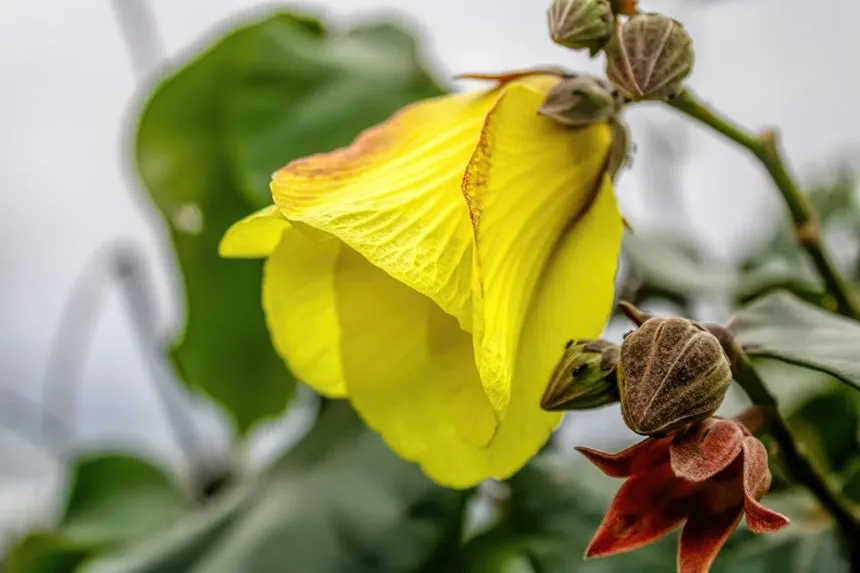
The sea hibiscus is a Hawaiian flower, locally known as hau, and comes from the mallow family. This evergreen shrub grows up to 10-30 feet tall and features color-changing flowers that turn red from yellow after maturity. These rare flowers are named so due to their beach landscape requirements. It needs consistently damp soil to grow, along with full sun to partial shade. The sea hibiscus flower meaning is associated with the idea of resilience and utility.
9. Haha Flower
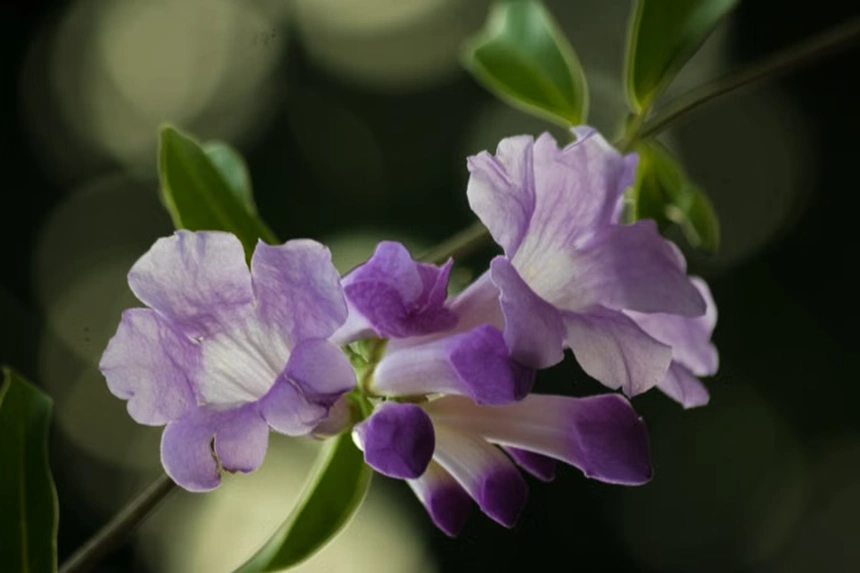
The haha flower is a rare flower, part of the Lobeliad family from the Cynareae genus. It features dark purple flower buds, which grow up to 5 feet tall. They are named so because all the bell-shaped flowers are referred to as haha in the genus. These flowers are endemic to Maui and are not found anywhere else in the world, but were once found in the wood ravines of Waihe‘e and the forest of Olinda.
10. Orchids
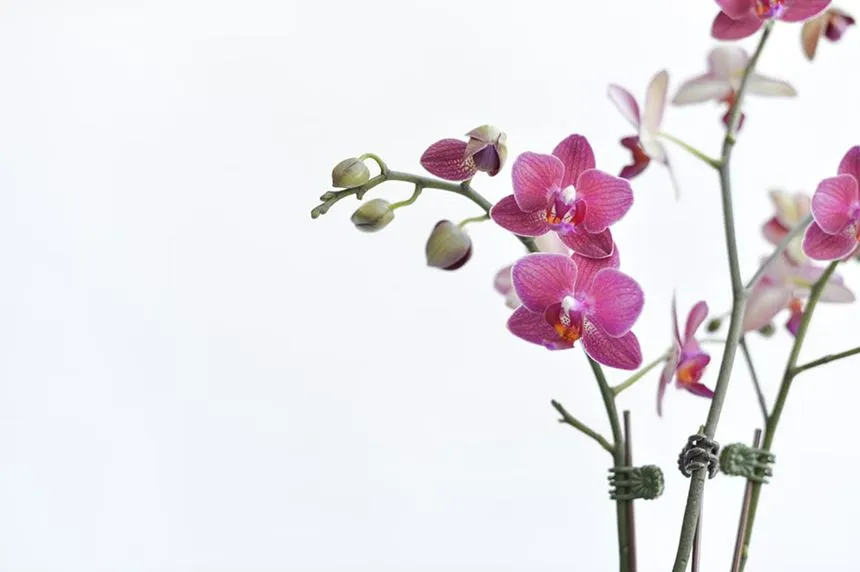
Orchids are one of the largest flower families, which features 28,000 plant species. These flowers have both terrestrial and epiphytic varieties, of which some have a sweet fragrance and some have no distinct fragrance. Orchids are not native Hawaiian flowers but are extremely popular in Hawaii, as they provide adequate humidity and tropical weather to grow the flowers.
They grow up to a height of 4 feet, which varies by variety. The most prominent use of orchids apart from landscaping is for making leis, which are a symbol of hospitality and friendship.
11. Red Ginger
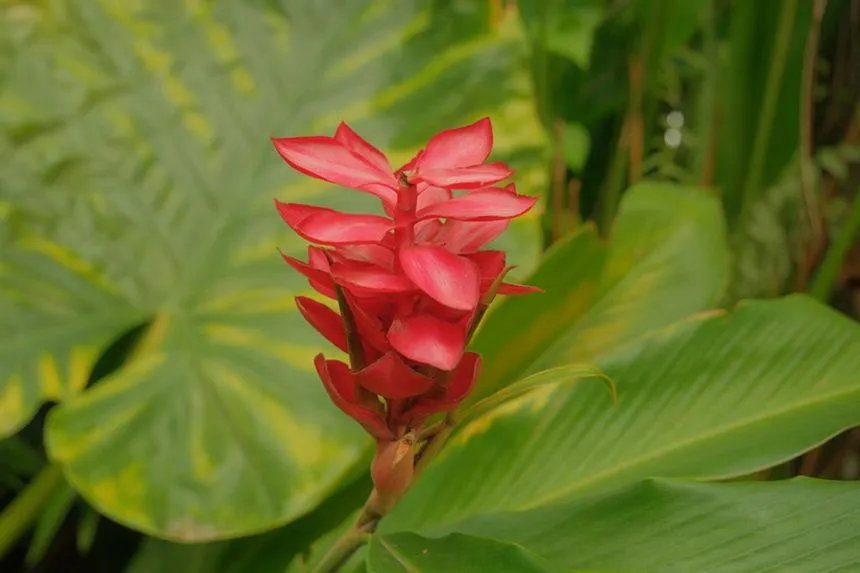
The red ginger flower is native to Malaysia but was popular in Hawaii during the 1930s due to its ornamental value. They are named so because of the red-colored bracts, which look like petals. This perennial tropical flower grows up to 3-8 feet tall and is an excellent pollinator. Ideally grown in warm, humid subtropical weather, Hawaii Island is perfect for growing this garden beauty.
They are a symbol of strength and passion because of their tough endurance in tropical climates.
12. Naupaka
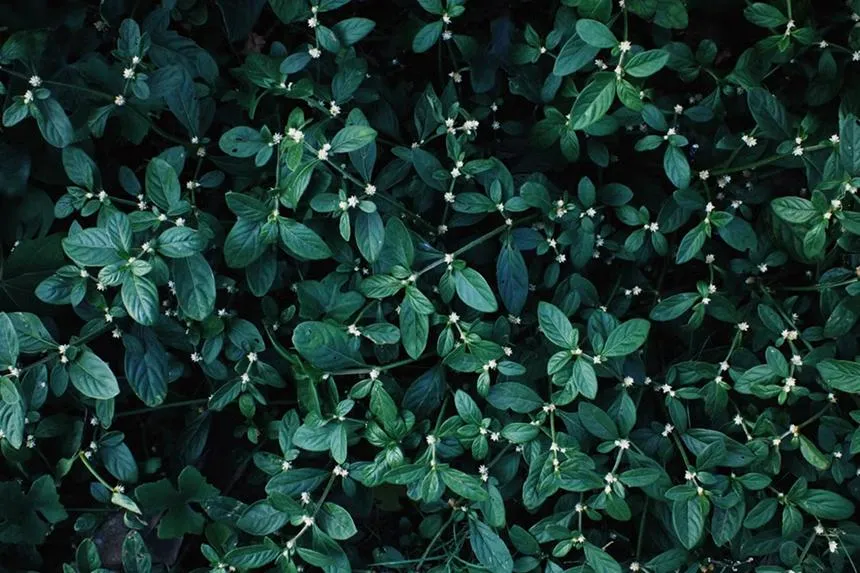
Naupaka is a popular Hawaiian flowering shrub that features half-torn flowers. This flower is associated with a famous legend of Princess Naupaka, who fell in love with a common man named Kauai, and after their love was forbidden, they had to part ways. Right before the separation, the princess took a flower from her hair, tore it in half, and gave it to her lover. Kauai stayed at the sea, and Naupaka returned to the mountain, both with their half of the bloom.
This legend explains why some varieties of these Hawaiian flowers grow in the forest while some near the sea. Naupaka are also found in Kona salt, as they benefit from the saline water and humidity there. These flowers grow up to 10 feet high and are associated with star-crossed love and separation.
13. Pikake
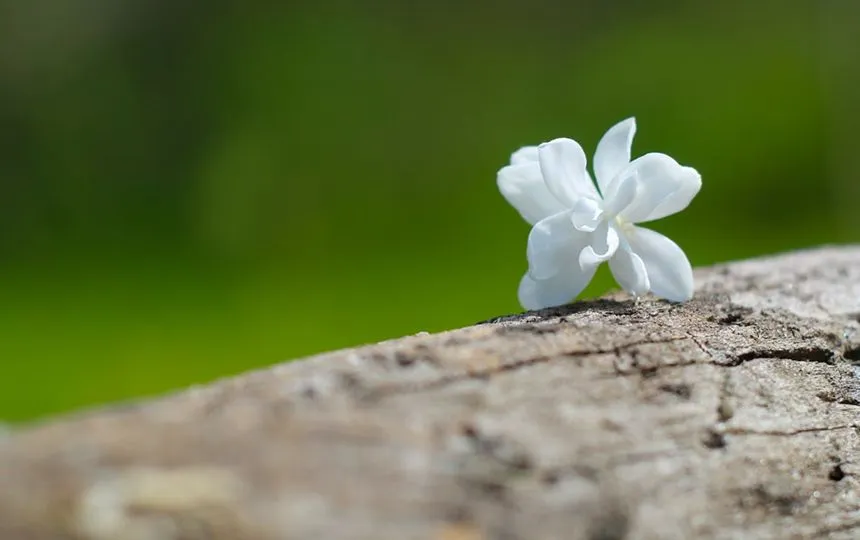
Pikake is another name for the Jasmine sambac flower from the Olive family. These flowers are native to Southeast Asia and the Pacific Islands but are one of the most celebrated flowers in Hawaii due to their association with Princess Ka’iulani. The word “pikake” means “peacock feathers,” and she named the flower due to its resemblance to peacock feathers.
In Hawaiian culture, the flower is associated with her presence because of this historical connection. These flowers have a sweet aromatic scent, which also makes them extremely useful in making soaps, oil, and more.
14. Heliconia
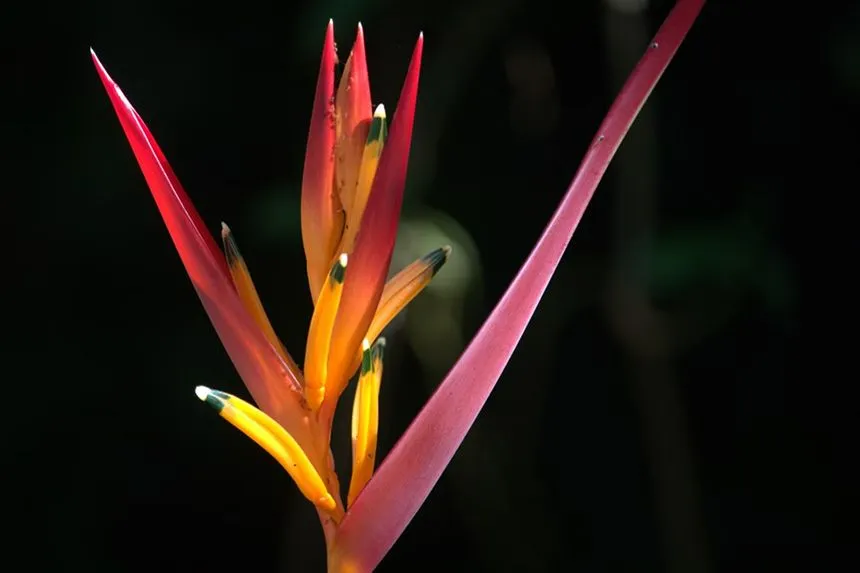
Heliconia is a herbaceous perennial flower that is not native to the Hawaiian Islands but to tropical America and Pacific islands. They feature colorful bracts in shades of yellow and red, which is why they are also called “False Bird of Paradise.”
While these flowers have no scent, they are valued for their ornamental value and pollinating properties due to their unique shape. They also make excellent cut flowers with vase life of over 14 days. The meaning of these flowers is associated with the idea of youth and pride.
15. Ōhiʻa Lehua
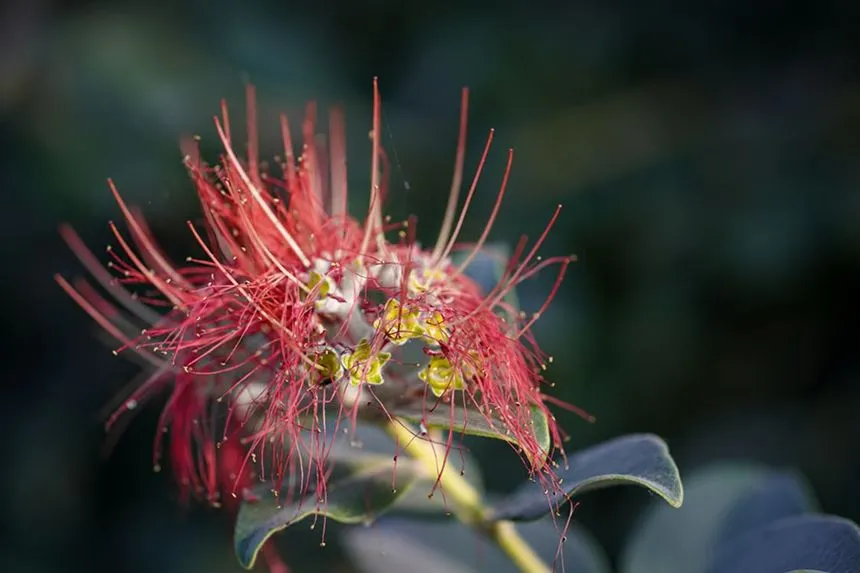
Ōhiʻa Lehua is an endemic Hawaiian tree from the Myrtaceae family. These star-shaped flowers are called lehua in the local language. They usually grow up to 100 feet tall and make up 80% of the forest in Hawaii, as per the Department of Land and Natural Resources. These rare flowers are used in cultural practices like leis and hula, which is a dance form done to honor the gods and goddesses.
The brush-like flowers are symbols of enduring love and resilience and are deeply intertwined in Hawaiian culture.
16. Nanu
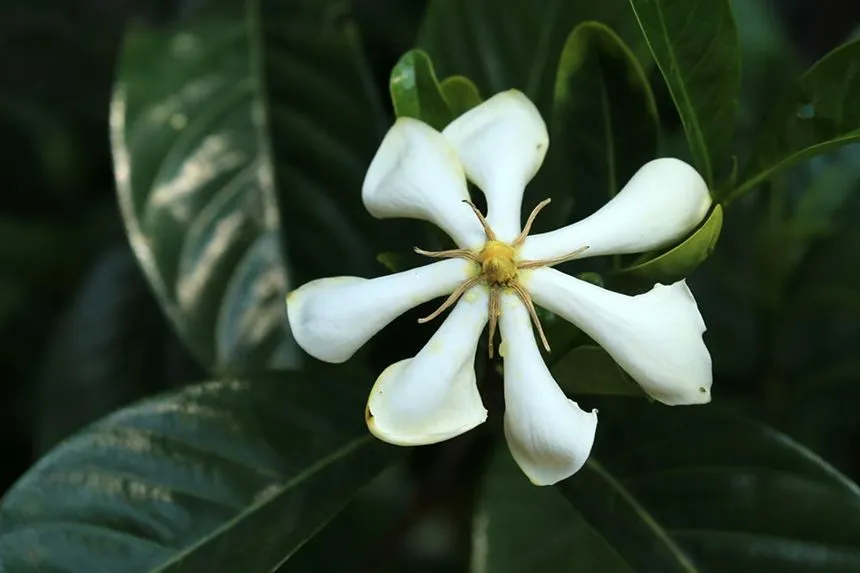
Nanu is a rare flowering tree native to Hawaii. It grows small pinwheel star-shaped flowers that have a subtle fragrance of gardenia, mixed with vanilla. The tree grows up to 6-20 feet tall and is endemic to the Hawaiian Islands, specifically the region of Oahu, Lana`i, and Moloka`i, as per the Centre for Plant Conservation.
As per the Mau Nui Botanical Gardens, historically the pulp of the fruit of these flowers was used to dye copper, which is a traditional bark cloth. Since these flowers are critically endangered, they have lost their day-to-day utility in modern times.
17. Hinahina
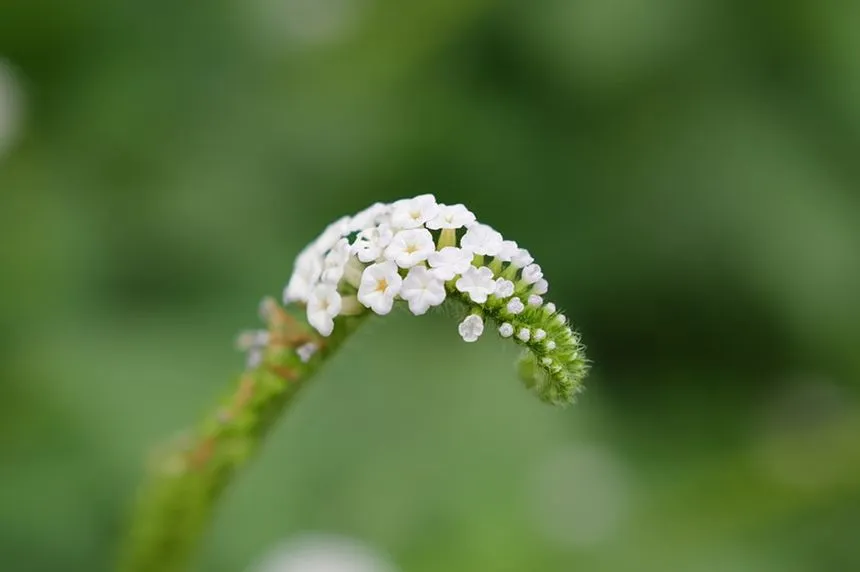
Hiniahina is a low-growing subshrub native to the Hawaiian Islands from the heliotrope family. It grows up to 2 feet tall and is grown as ground cover. They grow up to white and purple clusters of small flowers along with succulent leaves. These flowers have a strong sweet fragrance and are primarily used for lei making. A symbol of Kahoʻolawe, as it is the official flower of the island.
18. Uki Uki
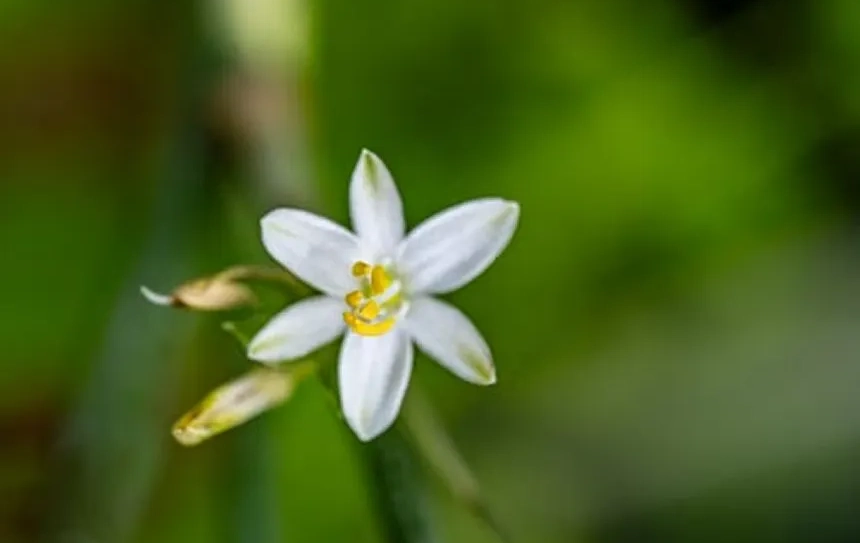
Uki Uki is a native Hawaiian flower from the Asphodelaceae family, which features small pale blue to white flowers. The flowers grow up to 2-5 feet tall and have a subtle fragrance, which also attracts pollinators to the garden. These flowers are traditionally used for thatching, the act of building a roof using weed flowers. The large, thick leaves of the flowers were durable enough to hold the white braided system together.
19. Pua Kala
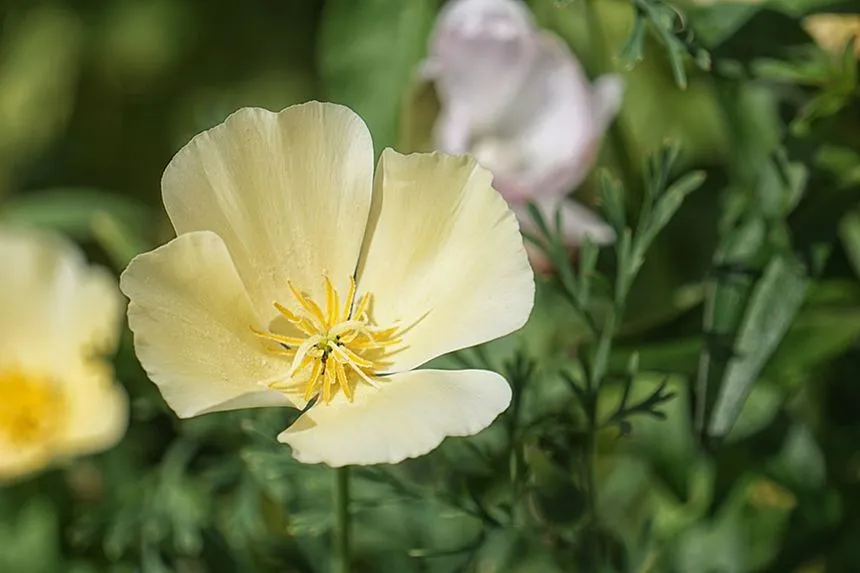
Pua kala is a herbaceous perennial flower that is also known as the Hawaiian princely poppy. These flowers belong to the poppy family, grow up to 2-6 feet tall, and have a very mild scent. These flowers are mostly found in coastal and open dry forests in the wild. While commonly found in forests, they are toxic to grazing cattle. As per the Waikoloa Dry Forest Initiative, these flowers have several medicinal properties due to the yellow sap it releases, which was historically used to treat toothaches.
20. Kanawao
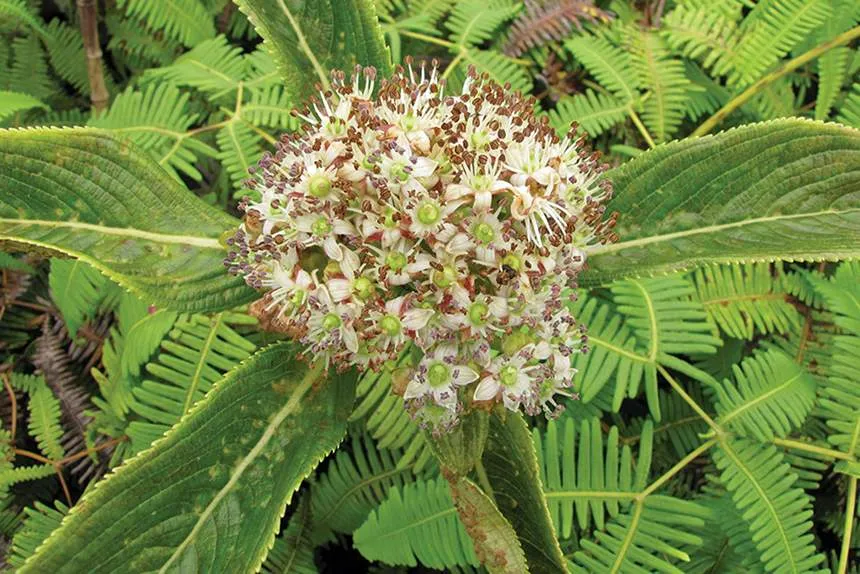
Kanawao is the only hydrangea species native to Hawaii. These dioecious plants grow up to 5-10 feet tall and have the male and female parts on different plants. The cluster of small star-shaped flowers has a subtle fragrance that is only noticeable after sunset.
Historically, the kanawao flowers were used to symbolize fertility in the oral traditions of Hawaii. Locals also used the leaves and the bark of the plant for medicinal purposes.
These Hawaiian flowers also develop small red berries, which are an essential source of nutrition to Apapane and many other endemic birds in Hawaii.
21. Alula
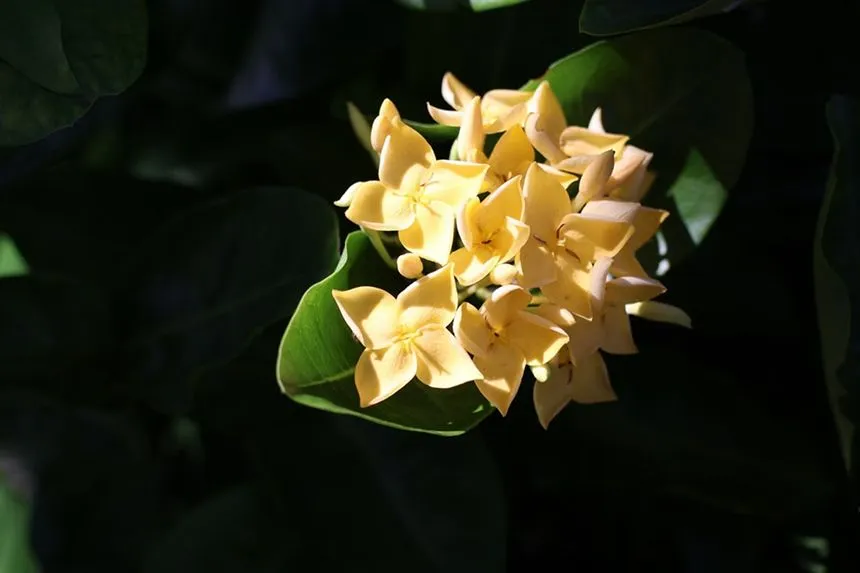
Alula, commonly known as the Olulu, is a rare endemic species from the bellflower family. This Hawaiian native flower is mainly found in lowland grasslands with annual rainfall less than 70 cm, as stated by the Save Plants Organization.
It grows up to 3-16 feet tall and grows clusters of small yellow flowers with a distinct sweet fragrance and attracts beneficial pollinators to the garden. In Hawaii, these flowers are a symbol of resilience and preservation.
22. Hawaiian Iliau
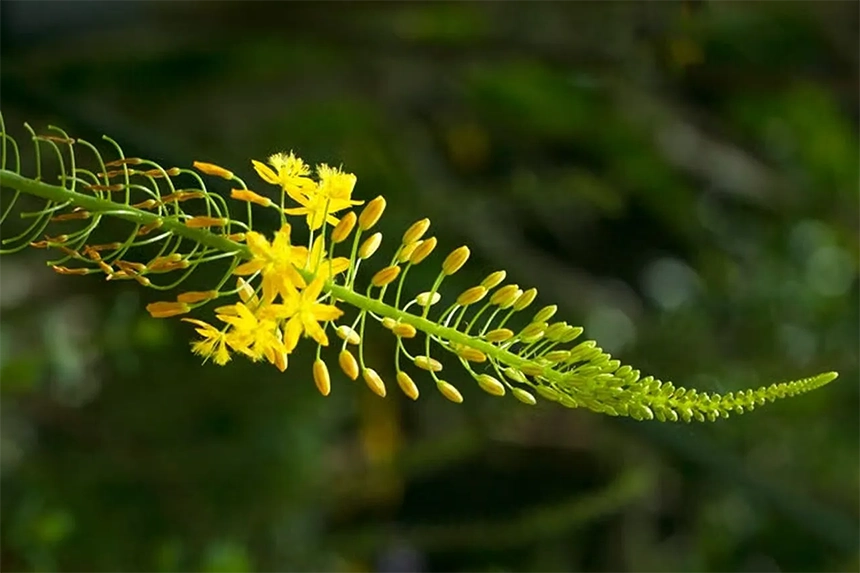
Hawaiian Iliau, also known as the Kaua’i greensword, is a rosette shrub that is endemic to the Kaua’i island of Hawaii. It grows up to 10-15 feet tall and is known for its endurance. They feature sword-shaped leaves and small yellow daisy flowers that bloom only once. The plant thrives in full sun and regular watering. Their drought tolerance makes them extremely resilient against dry soil conditions.
23. Koʻoloaʻula
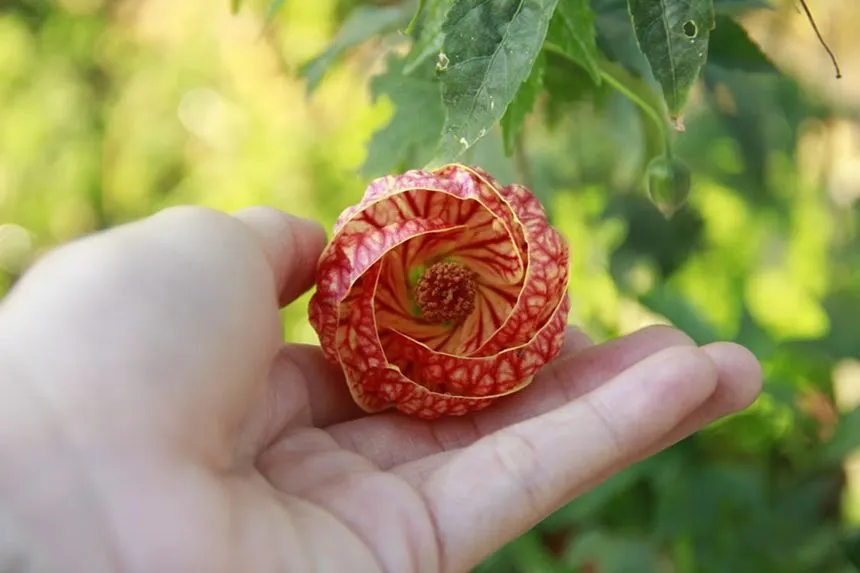
Koʻoloaʻula, also known as Abutilon menziesii, is an evergreen shrub native to the dry forest of Hawaiʻi. These blooms belong to the mallow family, feature green, heart-shaped leaves, and have bell-shaped red flowers. The plant grows up to 6-8 feet tall and is only found in Lānaʻi, East Maui, Hawaiʻi.
As per the US Fish and Wildlife Service, this plant is listed as endangered and is mainly found in the Pacific region, with the natural species found only in Hawaiʻi.
24. Linden Leaf Rosemallow
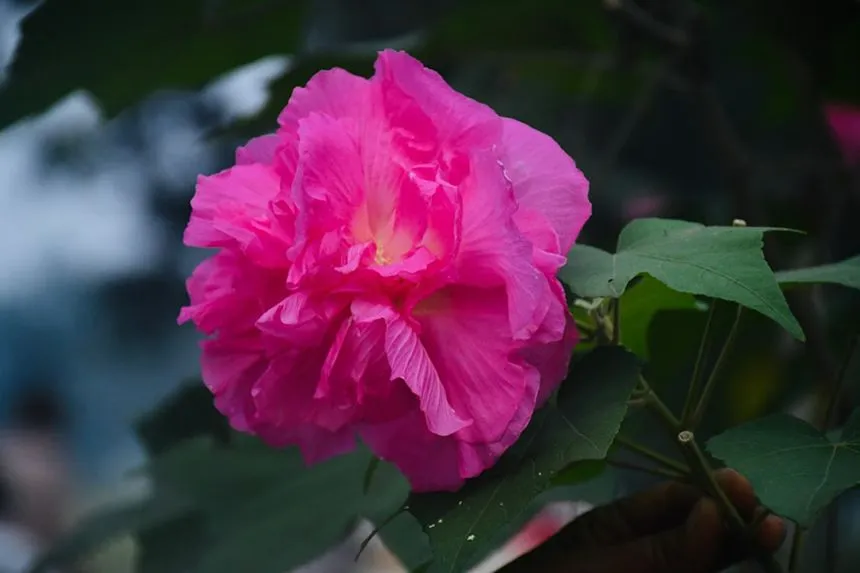
The linden leaf rosemallow is a large evergreen shrub native to Hawaiʻi. These flowers are locally known as akiohala, or the Hawaiian pink hibiscus and, like other hibiscus varieties, hold a deep historical connection with Hawaiʻi.
These heart-shaped leaves and funnel-shaped flowers grow up to 6 feet tall and prefer consistently wet soil; therefore, they benefit from the Hawaiian weather and geography. These Hawaiian flowers are symbolic of motherhood and healing, as locals used parts of the flower for medical purposes.
25. Birds of Paradise
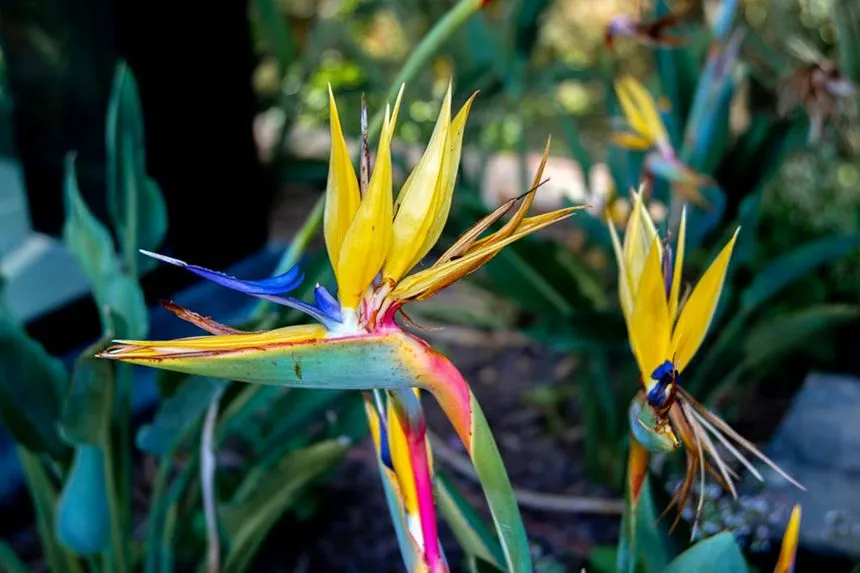
Birds of Paradise is a unique ornamental flower that is native to South Africa but is associated with the tropical islands. The flower is named so because the colorful bracts, which look like petals, are shaped in the form of a bird. In Hawaii, the birds of paradise are known as the “colorful globe” due to their multi-colored blooms.
It grows up to 3-5 feet tall and is used in lei making, which is used to welcome visitors and is a symbol of magnificence.
Historical and Cultural Significance of the Hawaiian Flowers
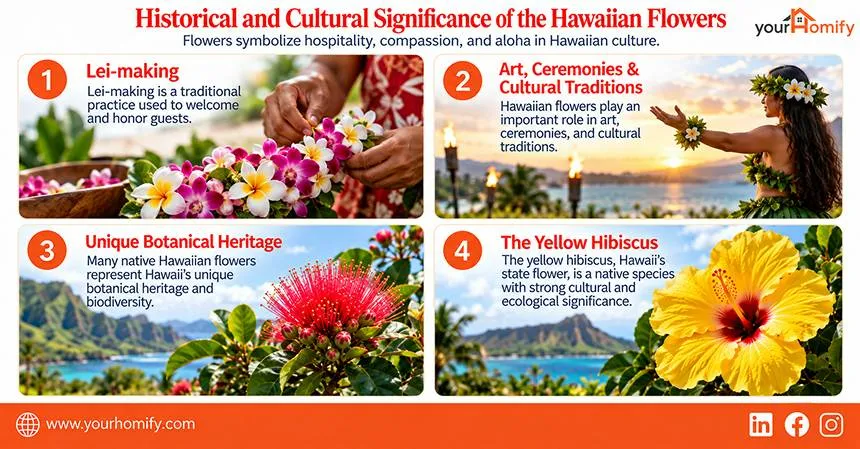
Flowers in Hawaii are tied to culture, compassion, and hospitality. Due to the traditional lei-making activity, which is used to welcome guests, tropical flowers grown in Hawaii hold significant importance in art and culture beyond just gardening. Aloha is the symbol of welcome, and through the cultural practice of making garlands used to treat guests, flowers become a part of Hawaiian cultural symbolism.
While flowers are associated with various symbolism, the Hawaiian blooms also represent the botanical heritage of the place. For instance, the state flower of Hawaii, the yellow hibiscus, is an endangered species native to Hawaii, which gave it that status, symbolizing its unique biodiversity.
Concluding Remarks
Hawaiian flowers are popular not only for their vibrant color and ornamental value but also because they are tied to deep historical value. The idea of peace and hospitality is a constant symbol in all these flowers, as they are used in the cultural practice of lei-making, which is prevalent during special occasions.
Many in the list are endemic flowers, native to Hawaii, which are symbols of the biodiversity heritage of the island. From yellow hibiscus to birds of paradise, every flower has a unique purpose and symbolism in relation to Hawaii.
FAQs
What is the traditional Hawaiian flower?
Flowers like yellow hibiscus, plumeria, pikake, and red ginger are listed as the traditional flowers of Hawaii. These blooms are used for both ornamental purposes and to make garlands to greet each other as a symbol of love and warmth.
What are Hawaii’s most iconic flowers?
Some iconic Hawaiian flowers are yellow hibiscus, pua kala, alula, birds of paradise, and more. Every flower in Hawaii is culturally valued both for its ornamental value and its cultural practices, as a symbol of aloha translates to love, peace, and compassion.
What is Hawaii’s signature flower?
The signature flower of Hawaii is the yellow hibiscus, which is also the official state flower. These yellow flowers are endemic to the region and are a symbol of the unique biodiversity of the tropical island.
What are the names of the Hawaiian flowers?
Some Hawaiian flowers include bougainvillea, flamingo lily, frangipani, mamane, sea hibiscus, and more. Hawaiian blooms are not necessarily native to Hawaii but are often just celebrated for their ornamental value or cut flower use.
What is the heavenly Hawaiian flower?
Lokelani, which translates to the heavenly rose, is the heavenly flower of Hawaii. This bloom is also known as the Damask rose and has a sweet, subtle fragrance. It is also the official flower of Maui.