


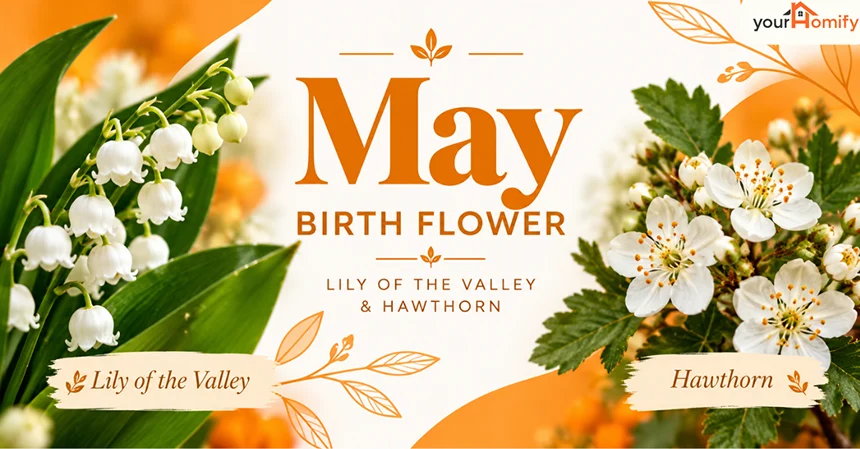
If May is your birth month, has anyone ever told you which flower is yours? No? Let’s fix that!
Now, here, I’ll be honest. I didn’t know birth flowers were a thing until last summer, when my friend gave me a customized bouquet of Lily of the Valley and Hawthorn flowers saying these are May birth flowers. So, I had to look more into it!
Refer to this article to learn everything about these stunning flowers. Whether you are celebrating a May birthday, planning a bouquet, or simply curious about floral symbolism, understanding the meanings of both flowers helps you choose and use them for the right occasion.
Quick Answer
Lily of the Valley and Hawthorn are the two May birth flowers. The Lily of the Valley is associated with purity, sweetness, and humility, while Hawthorn is linked to hope and happiness.
Both the blooms cover the personality traits of the individual born in this month. The May flowers are cherished for their beauty and meaning, which makes them a popular gift choice for birthdays, anniversaries, and wedding celebrations
May Birth Flower — Lily of the Valley and Hawthorn
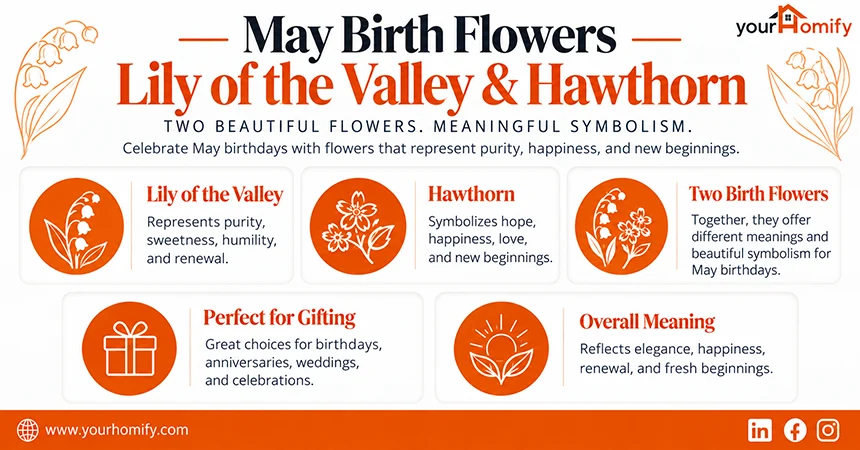
May is said to be the month of elegance and renewal, represented by two delicate flowers — Lily of the Valley and Hawthorn.
Lily of the Valley, with its bell-shaped flowers, symbolizes purity, sweetness, and humility, while the hawthorn represents hope and happiness. The May birth flower is cherished for its beauty and meaning, making it a perfect choice for gifting during birthdays, anniversaries, and wedding celebrations.
May has two birth flowers, which offer greater variety in representation. The reasoning behind this is to encompass all the personality traits of individuals born in May.
By having two flowers for the month, we can effectively capture both traditional symbolisms and the unique qualities of those born during this time.
Lily of the Valley: Meaning and Symbolism
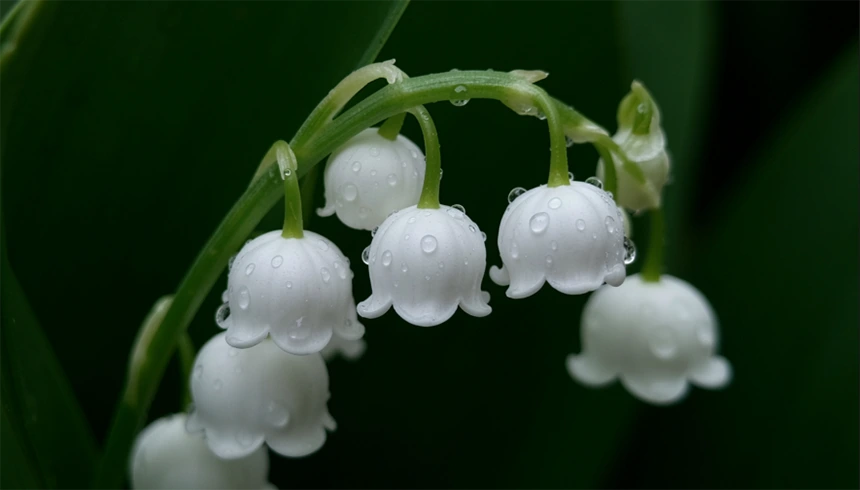
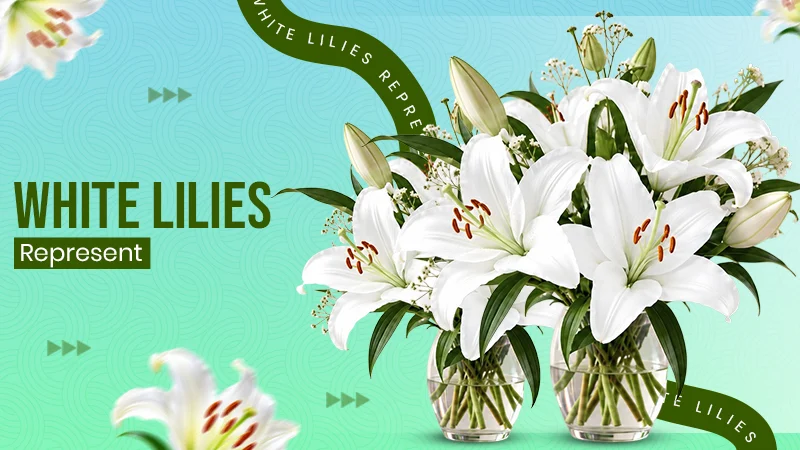
Lily of the valley means humility, innocence, purity, and the return of happiness. It is chosen by royal brides for their wedding bouquets or to make corsages.
If you ask a florist or a gardener what lily of the valley stands for, you’ll probably hear the same phrase – return of happiness. The flower blooms right when spring arrives, which also indicates that the flower is linked to joy.
Locals also believe that there are other layers to this beautiful bloom. Because of its drooping shape and how the blossom nods downward, it represents modesty.
Its white bell-like flowers are associated with purity and good luck. Did you know there is a French tradition where gifting a lily of the valley on May 1 means wishing a year full of good fortune?
Hawthorn: Meaning and Symbolism
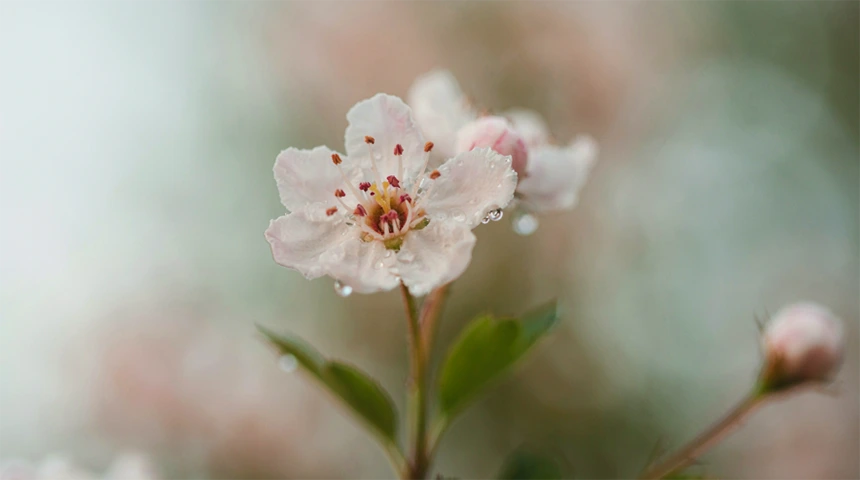
The deep meaning and symbolism of the Hawthorn is what made me select it for floral designs. Being a tree of spring, it means fertility, protection, passion, and sometimes a threshold. Many British folklores state that Hawthorn stands for love, luck, and challenging circumstances.
Some common names of the tree are may tree, whitethorn, haw-bush, may flower, and whicks. I like how it grows in the countryside and spreads its pungent scent during May.
To me, hawthorn feels like holding beauty and warning together. The stunning blossoms represent brightness while the thorns represent protection and healing.
Cultural and Historical Significance of May Birth Flowers
If I speak of them combined, the two birth flowers—the lily of the valley and the hawthorn symbolize the arrival of spring, renewal, purity, and hope. The core symbolism of these May birth flowers is the “return of happiness.”
Here I have listed the cultural and historical significance of both – Lily of the valley and hawthorn.
Lily of the Valley
- Courtship Ritual: In medieval England, young men used to hang these flowers on the doors of their beloved. If they wore them during the village dance, it meant that they accepted the proposal.
- Hanakotoba is a Japanese flower language, in which lily of the valley literally translates to return to joy.
- In France, La Fête du Muguet (lily of the valley day) is celebrated on May 1st. As a tradition, gifting a single stalk of the flower to someone means wishing good luck.
- It is no surprise that the flower has been appointed as the national flower of Finland since 1947.
- Lily of the valley is used in royal weddings. During the Renaissance, the blooms also meant femininity and purity and were also linked to the Virgin Mary.
Hawthorn
- In Celtic and Irish tradition, hawthorns in the fields are regarded as fairy trees. Local tribes considered them portals to the otherworld. Cutting these trees was taken as misfortune or a bad omen.
- During ancient times, white hawthorn flowers were often used in maypole celebrations and were linked to fertility and other spring celebrations.
- This was really surprising for me. While the outdoor varieties of this May flower were highly respected, there were many superstitions related to growing them indoors. Some people believed that this brought illness, death, or bad luck to their homes.
Fresh and Flowery in May: Photo Gallery and Some Fun Facts
Let’s uncover some intriguing facts about both May flowers.
- Known as the royal favorite, the Lily of the Valley was featured in Kate Middleton’s bridal bouquet during her wedding to Prince William. On the other hand, in Ancient Greece and Rome, Hawthorn flowers were used to decorate wedding altars as a symbol of fertility and happiness.
- In France, May 1st is known as May Day or “La Fête du Muguet,” which is a public holiday, an occasion to celebrate workers’ rights and to offer each other Lily of the Valley flowers for good luck. Even Hawthorn started being called the May Tree because it blooms right around May Day.
- Many European folklores, especially during medieval times, state that these May birth flowers (Lilly of the Valley and Hawthorn) were considered blooms that protected gardens from evil spirits. The branches of the Hawthorn were used in witchcraft to ward off evil witches.
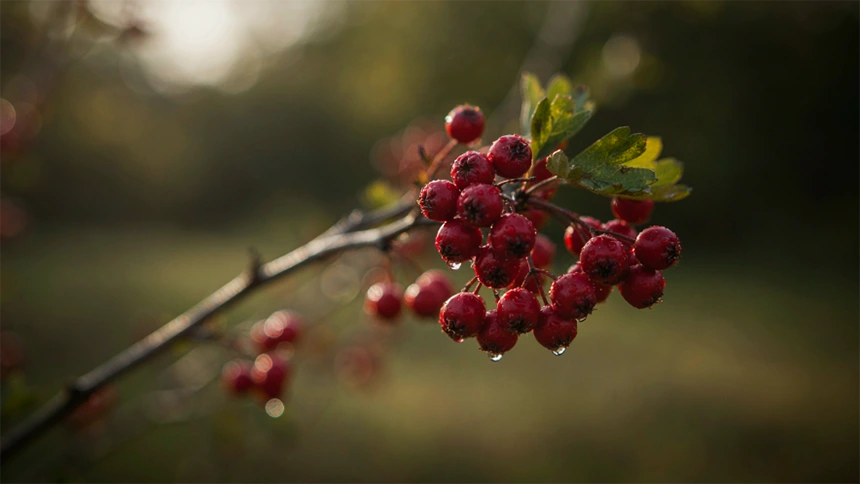
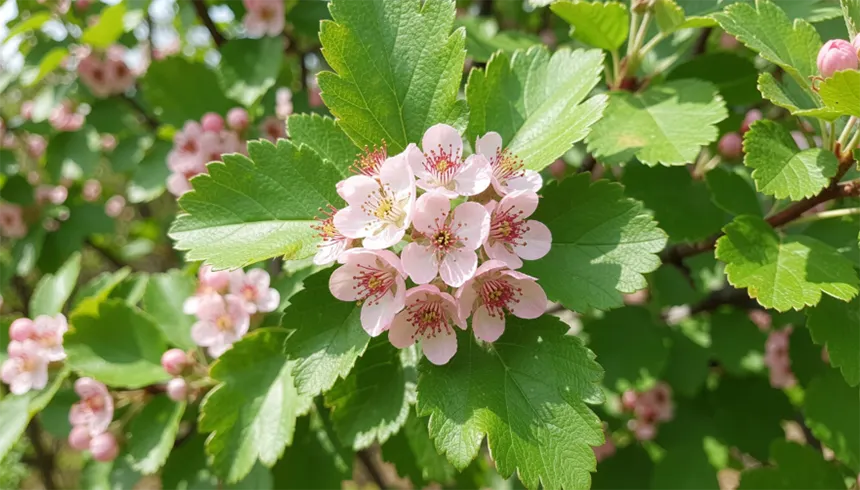
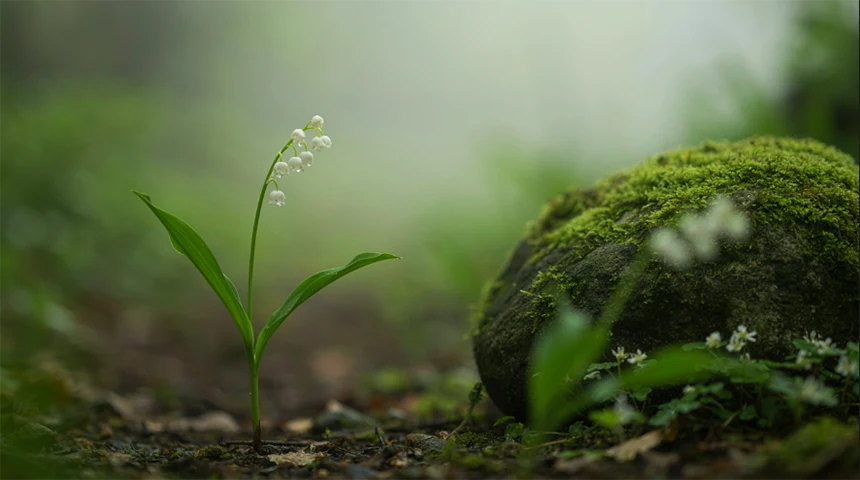
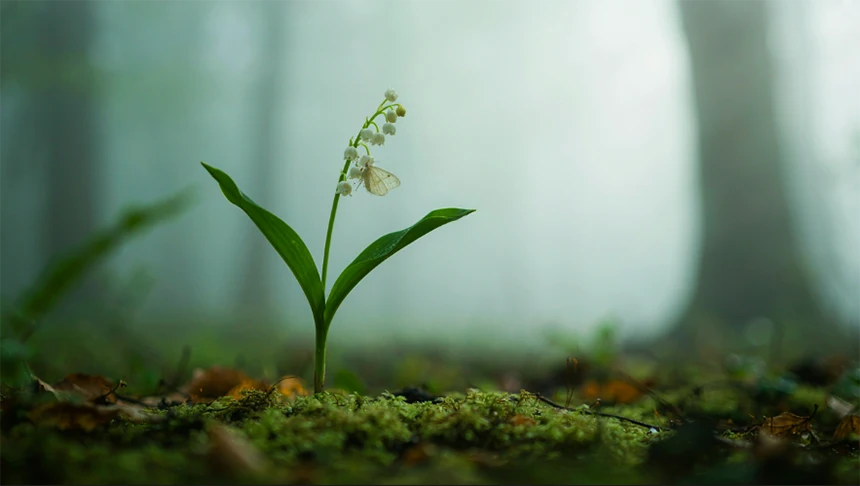
All these facts about the May flowers make them even more special. Each bloom carries its own history, mystery, and timeless stories worth discussing. Before we head towards the conclusion of the blog, let’s scroll through some striking images of the flowers.
Conclusion: Wrapping You a Bouquet of May Birth Flowers
Whether you are attracted to the delicate charm of the Lily of the Valley or inspired by the rich value of the Hawthorn, the May birth flower represents renewal, happiness, hope, and fertility. Both blooms have rich symbolism and timeless beauty, making them meaningful choices for birthdays, gifts, gardens, and celebrations. They are more than just a seasonal bloom.
FAQs
What is the actual birth flower for May?
The actual birth flower for May is the Lily of the Valley. Its delicate, bell-shaped white blooms and sweet fragrance have made it the flower most widely associated with the month, symbolizing happiness, humility, and the return of spring after winter.
What is the official flower for May?
The official flower for May is the Lily of the Valley. It’s the flower most calendars and florists recognize for the month, commonly gifted for May birthdays, spring celebrations, and the 2nd wedding anniversary, which it also represents.
What is May’s main birth flower?
May’s main birth flower is the Lily of the Valley, though Hawthorn is sometimes listed as a secondary option in older or regional birth flower charts. Lily of the Valley remains the flower most people associate with May birthdays.
What is May’s birth flower tattoo?
A May birth flower tattoo usually depicts the Lily of the Valley, showing its slender stem, drooping bell-shaped flowers, and broad green leaves. Some designs add Hawthorn blossoms or branches for a more rustic, botanical look instead.
Birth Month Flowers: Meanings & Symbolism Guide
[…] May Birth Flowers – Lily of the Valley and […]