

Moving into a new home can be equally thrilling and paralyzing, leaving you with no clear idea of where to start, with boxes stacked floor to ceiling, and every room feeling like a question mark.
This is why many first-time buyers look to design a smart plan to decorate their house, and no, it doesn’t involve performing everything, all at once. A strategy that prioritizes the rooms, starting with function and layering personality over time, works the best.
This guide walks through each room in the order that makes the most sense after a move, allowing you to turn a blank slate into a home without burning out.
Key Takeaways
- Measure every room. Note where the windows face, where the outlets are, and how much wall space you actually have for furniture
- After a long moving day, you require good sleep a lot more than a staged couch. Focus on the bedroom first
- Layer your lighting in three tiers: ambient for general light, task for specific activities, and accent for highlighting artwork or architectural features
- Hang art at eye level. The general rule is to put it at 57 to 60 inches from the floor to the center of the piece. A gallery wall can start with three frames and grow over time.
Start With a Plan Before You Unpack
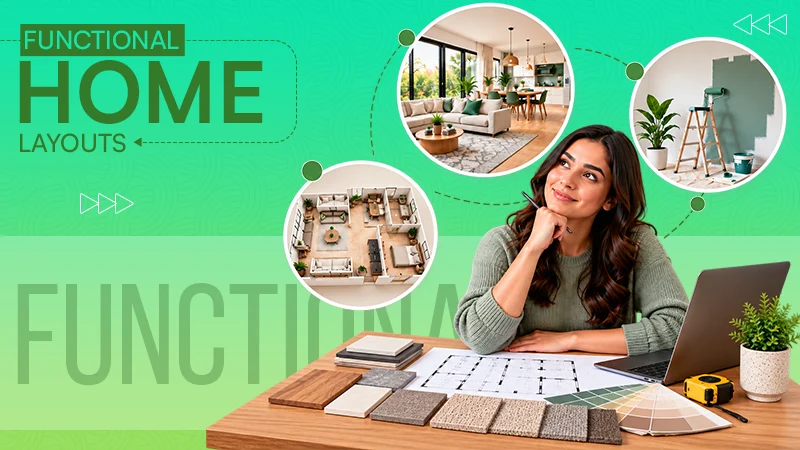
Before the first box arrives at the door, you need a plan. Measure every room. Note where the windows face, where the outlets are, and how much wall space you actually have for furniture.
This may sound obvious, but the most common mistake homeowners make is arranging furniture by instinct and realizing a week later that the sofa blocks a doorway or the bed doesn’t hit the bedroom wall you planned for. That remains true whether you’re moving across town or settling into a new home just across the street.
This is where working with residential movers Fairfax VA makes a real difference. While a professional crew handles the heavy lifting, you can focus on the layout decisions that matter. Which room gets the bigger sofa? Where does the dining table actually fit? Do you need to swap the bed frame before the mattress arrives? Handing the logistics to experienced movers frees up mental energy for the creative part of settling in.
The average new home in the U.S. dropped to 2,155 square feet in 2025, according to the National Association of Home Builders. That’s down from the post-recession highs above 2,400 square feet in the early 2010s. Smaller spaces mean intentional planning matters more than ever.
Better Homes & Gardens’ guide on decorating tasks to do first when moving recommends tackling paint, flooring, and window treatments before you move furniture in, and they’re right. Once the couch is against the wall, painting behind it becomes a full production. Use this pre-move window to make the structural decisions: wall colors, curtain rods, light fixture swaps, and hardware updates. It’s the one time the rooms are empty enough to do it without hassle.
Bedroom First: Create Your Sanctuary
Ignore the urge to set up the living room first. After a long moving day, you require good sleep a lot more than a staged couch. Focus on the bedroom first. Mattress, bed frame, sheets, and curtains that block enough light to let your body reset properly.
The textile home decor market was valued at $130.23 billion in 2025, according to The Business Research Company, with bed linens alone making up 33.78% of that share. People spend real money on what they sleep in, and for good reason. Cooling fabrics like TENCEL and linen are worth the investment if you tend to run warm at night.
Layer textures to keep the room from feeling sterile. A chunky knit throw, a few linen pillowcases, and a soft area rug under the bed. Add a low-light plant on the nightstand for life and color. Keep the lighting warm and dimmable. You’re not hosting anyone in here yet. Make it a space that actually restores you.
For more quick comfort ideas, take a look at our guide on simple ways to make a new house feel cozy. It covers easy warmth-building touches that work well once the essentials are in place.
Living Room: The Heart of the Home

This is where you’ll decompress after a long day of unpacking. The living room deserves the second slot because it’s the space you use to reset mentally.
Start with the sofa. Measure the doorways, the hallway turns, and the dimensions before you buy anything. The most common living room mistake is falling for a couch that looks amazing in the showroom but can’t fit through the front door. Once the sofa is in place, build the room around it.
Layer your lighting in three tiers: ambient for general light, task for specific activities, and accent for highlighting artwork or architectural features. A room with only overhead light feels like a waiting room.
One of the biggest interior design trends of 2026 is warm minimalism with natural textures. Gulf University’s analysis of defining interior styles and colors this year calls out linen sofas, raw wood coffee tables, jute rugs, and clay pottery as the key pieces driving the look. The style is clean but not cold. It gives rooms a grounded, collected feel that holds up long after the trend cycle moves on.
Open-plan layouts should use rugs to define zones without building walls. A large wool rug under the sofa anchors the seating area. A separate runner near the entry marks the transition.
Kitchen and Dining: Daily Fuel Zone
Set up the kitchen early so you can cook and eat without stress while you handle things in the rest of the house. The essentials are straightforward: good cookware, sharp knives, basic dinnerware, and plenty of food storage containers. Everything else can wait.
Pay attention to the work triangle. The sink, stove, and refrigerator should form a logical loop. If your kitchen doesn’t have a natural one, arrange your counter tools and utensils to minimize cross-room walking.
Adding a small herb garden on the windowsill costs less and makes every meal feel intentional. Basil, mint, and rosemary thrive on kitchen light and save you trips to the grocery store.
If your kitchen has older appliances or recessed lighting, this is a good time to think about energy efficiency. The U.S. Department of Energy’s Efficient Home Design guide covers how to evaluate appliance efficiency, seal air leaks, and choose lighting that reduces energy use without sacrificing brightness.
Bathroom and Utility: The Forgotten Foundations
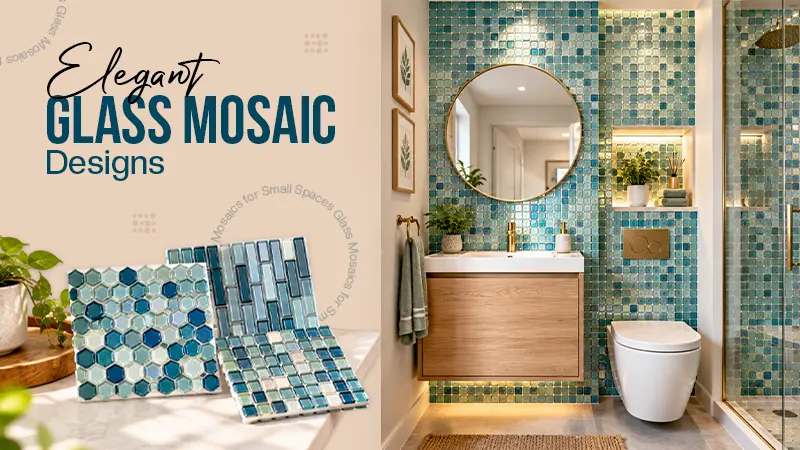
Bathrooms get overlooked during all the rush, but small upgrades alter how the space feels. Swap the shower curtain for a fabric liner. Replace an old plastic brush with a dedicated set. Hang thick, absorbent towels on open hooks instead of putting them in a cabinet. Install a water-efficient showerhead.
Add a low-light plant like a snake plant or pothos on the counter or atop the toilet tank. Plants thrive in bathroom humidity and soften the tile-and-fixture sterility that most bathrooms default to.
Under-sink storage in small bathrooms is usually wasted space. Add tension rods to hang cleaning bottles vertically, or use stackable bins to keep toiletries sorted. For more space-saving approaches, our article on small space organization tips for new homeowners offers practical solutions for tight layouts.
Making It Your Own: Personalize Without Overwhelm
Once the functional rooms are set up, it’s time for the fun part: making the house feel like yours. This is where personality comes in, and it doesn’t require a full renovation or a massive budget.
Hang art at eye level. The general rule is to put it at 57 to 60 inches from the floor to the center of the piece. A gallery wall can start with three frames and grow over time. Family photos with matching frames create a complete look without matching content. Vintage and secondhand finds add character that big-box stores can’t replicate.
One of the more interesting color trends for 2026 is the move away from all-neutral schemes toward richer palettes. Burgundy, olive green, and ochre are stepping in as accent colors that feel warm without being loud. Try one accent wall in a deep tone before committing to a full room.
If you lean toward natural, countryside-inspired decor, we have a full guide on countryside-inspired decorating ideas that covers how to bring rustic warmth and organic materials into any home style.
| Fun Fact |
| If your room feels low, painting your ceiling a lighter color than your walls will visually push the ceiling higher, making the room feel open and airy. |
Take Your Time Making This House a Home
The process of turning a new house into a home is a marathon, not a sprint. Start with the bedroom so you can rest. Move to the living room so you can decompress. Set up the kitchen so you can cook. Then layer in everything else at your own pace.
Rooms don’t have to be finished to be livable. A half-decorated house with adequate functions and growing character is a lot better than a perfectly staged one that took the joy out of the process.
Permit yourself to live in the space for a while before making a decision on what goes where. The best homes are the ones that got filled in slowly, with pieces that actually mean something.
FAQs
Q1) Where should I begin?
Ans: You should start with the bedroom first, as you require good sleep a lot more than a staged couch after a long moving day.
Q2) How can I set the lighting?
Ans: Layer your lighting in three tiers: ambient for general light, task for specific activities, and accent for highlighting artwork or architectural features.
Q3) Should there be a plant inside the bathroom?
Ans: Plants thrive in bathroom humidity and soften the tile-and-fixture sterility that most bathrooms default to. Add a low-light plant like a snake plant or pothos on the counter or atop the toilet tank.
Q4) What are the best colours to put on a wall?
Ans: Burgundy, olive green, and ochre are stepping in as accent colors that feel warm without being loud. Try one accent wall in a deep tone before committing to a full room.