


Undoubtedly, peonies can boost the atmosphere of a room almost instantly with their soft colors and amazing fragrance. But these flowers demand the right care to stay fresh and open naturally.
Whether you have bought a peony bouquet from the market or have simply gotten one as a gift, a few practical steps need to be taken to enjoy them better.
From choosing the right one to taking care with easy steps, this practical guide shares details from stem to vase while sharing how to enjoy peonies at home.
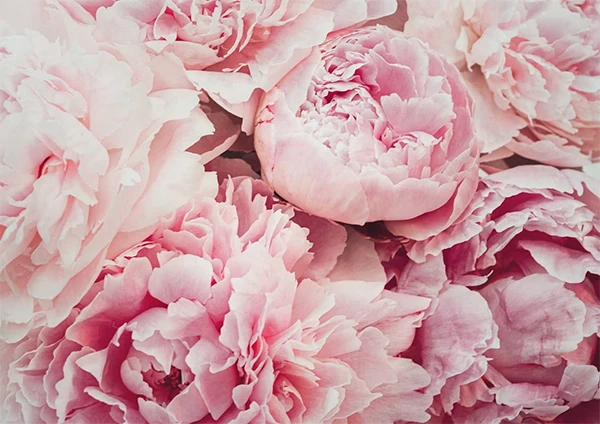
Why Peonies Behave Differently From Other Cut Flowers
Most care guides share basic tips. Few explain why peonies need special maintenance in the first place. Here’s the thing: peonies belong to the genus Paeonia, and growers raise roughly 33 recognized species worldwide. The American Peony Society archives over 6,500 named cultivars. Each cultivar opens at a different pace, which suggests a one-size-fits-all care plan simply fails.
Peony stems come with a sticky sap. This sap invades vascular tissue within hours after cutting. Roses don’t have this flaw to the same degree. Tulips don’t either. The sap issue clarifies why fresh peonies sometimes droop on day 2 even in clean water. Being familiar with the biology helps you act early.
Buds vs. Open Blooms – What to Bring Home
Tight buds – the ones that feel like a stiff marshmallow when you squeeze them gently – need 2 to 4 days to open fully indoors. Soft, squishy buds bloom within 24 hours. Already-open peonies last about 3 days in a bud vase. I always pick the marshmallow-firm stage. The outcome? Up to a week of watching petals unfurl, which honestly contrasts with catching them already past their peak.
Step-by-Step: Conditioning Peonies the Moment You Walk In
Skip the taxonomic group “trim and put in water” advice. Here’s a more thorough routine:
- Fill a clean vase with cool water at 65–70 °F and mix half a teaspoon of flower food per pint.
- Cut each stem at a 45-degree angle with sharp shears – dull scissors crush the vascular tissue and catch the sap.
- Strip every leaf that falls below the waterline, because water-soaked foliage breeds bacteria within 12 hours.
- Place the vase away from direct sunlight and fruit bowls – yellowing bananas release ethylene gas, and ethylene makes every petal drop by roughly 30%.
- Switch the water every 48 hours and re-trim stems by half an inch each time.
One detail most care guides miss: ants. Peonies attract ants because the buds release nectar along their outer sepals. The ants don’t destroy the flower. A gentle shake outdoors or a quick rinse under the faucet removes them before you put the stems inside.
Also, learn DIY wedding flower arrangements on a budget.
Choosing Colors and Varieties That Work in Your Space
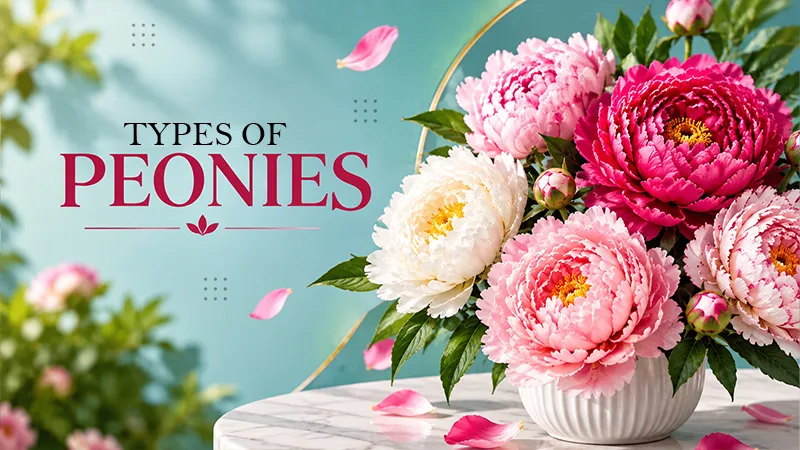
Color matters more than people think – not just aesthetics, but practically. Darker variants like ‘Karl Rosenfield’ (deep crimson, introduced in 1908) drop petals that ruin light-colored surfaces. Whites like ‘Festiva Maxima’ (bred in 1851, still popular) show brown edges more readily in warm rooms above 75 °F. Pale pinks such as ‘Sarah Bernhardt’—the ‘most profitably grown peony in the world – hold up unusually well indoors and tolerate temperatures between 65 and 72 °F without wilting before they flower.
A quick reference for matching designs to rooms:
| Variety | Color | Vase life (days) | Fragrance strength |
|---|---|---|---|
| Sarah Bernhardt | Soft pink | 7–10 | Moderate |
| Festiva Maxima | White with red flecks | 5–7 | Strong |
| Karl Rosenfield | Deep crimson | 5–8 | Mild |
| Coral Charm | Coral fading to peach | 6–8 | Light |
| Bowl of Beauty | Pink with cream center | 6–9 | Moderate |
Coral Charm needs a special mention. This selection shifts color as it opens – starting deep coral and mellowing to a soft peach over 4 days. Watching that transformation on a kitchen counter every morning genuinely brightens a week. You can research different peony color options and seasonal supplies to plan ahead before the May-through-June peak season ends.
What to Do When Peonies Refuse to Open
Stubborn buds annoy even experienced flower lovers. Two tricks work regularly:
- Warm water soak: Place stems in water heated to about 100 °F for 30 minutes – the warmth loosens the sepals and influences the bud to soften.
- Paper bag method: Loosely wrap the bud in a soaking paper towel, seal the towel inside a paper bag, and keep it at room temperature for 8–12 hours – trapped humidity mimics the greenhouse reaction and coaxes petals outward.
Do not use microwaving buds. Yes, people try. It cooks the cells. Such smart tricks can also be used for flower arrangements.
Drying Peonies to Extend the Experience Beyond the Vase
Most reviews about peonies at home stop at vase care. But dried peonies still retain their shape for 6 months or more when done right.
Hang stems upside down in a dark, dry room with good ventilation. A closet with a small fan is functioning well. The drying process takes 2 to 3 weeks. Dried peonies depart from about 70% of their original color intensity, so start with deeply moist varieties – ‘Red Charm’ or ‘Karl Rosenfield’ dry to a rich burgundy. Whites turn cream. Pale pinks change to near-ivory, which still looks classic in a ceramic pitcher.
Silica gel drying helps retain color better. Bury the bloom in silica crystals inside an airtight box. After 5 to 7 days, the petals preserve roughly 90% of their hue. A 5-pound bag of silica gel costs about $10–$15 at most artwork stores.
A Quick Note on Pressing
Pressing works for single-petal breeds like ‘Krinkled White.’ Double peonies carry too many layers—the center turns brown before the outer petals dry. Combine with hanging or silica for full blooms.
Seasonal Timing: When American Growers Harvest
Peony season in the United States runs broadly from late April through mid-June. Alaska stretches the season into July and even early August thanks to cooler temperatures. California’s fruiting regions around the San Joaquin Valley harvest as early as late March in warm years. Outside these windows, most peonies bought domestically come from Chile, New Zealand, or the Netherlands, and the process adds 2 to 4 days of transit – meaning those blooms already spent part of their vase life in a postage box.
Buying during the biggest domestic season matters. Freshness leads directly to longevity.
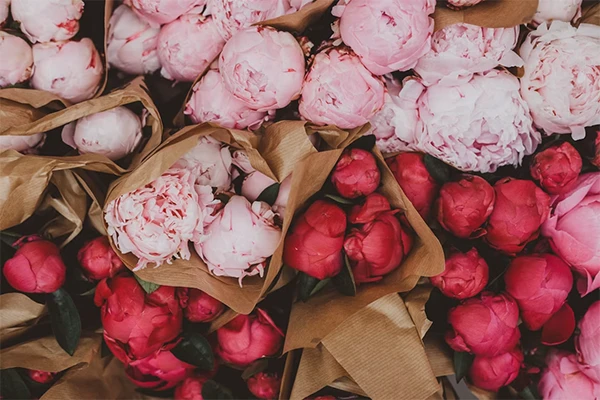
Making Your Home Smell Like Peonies Year-Round
Once the last petals drop, the fragrance goes away. A few other choices capture it honestly – not falsely. Le Labo released ‘Pivoine 31’ as a city-exclusive scent (Tokyo). Diptyque’s ‘Pivoines’ candle (priced around $72 for 190 g) gets decently close to fresh peony scent without veering into sugar-laden sweetness. Jo Malone’s ‘Peony & Blush Suede’ cologne continues to be one of the most readily identifiable peony-inspired fragrances sold in the U.S.
None mimics the real thing. But layering fresh peonies during May and June with a peony candle during winter sends a sensory thread through the year.
Also, explore the top 10 long-lasting cut flowers that remain fresh for weeks.
Your Peonies, Your Rules
In the end, making the most out of peonies at home does not require complex flower care routines. Simply, start fresh, provide the required water to the flowers, trim well, and keep them away from direct sunlight.
Also, the last stage is not the last stage. When petals finally fall, don’t say goodbye to them; dry the flowers and preserve them for longer.
This way, you can enjoy most of the peonies while adding colors, fragrances and unique dimensions to the rooms.
FAQs
Can peonies be dried?
Yes, just hang them outside in a dry place with good airflow. Another way silica gel can be used to preserve them.
How often to change its water?
Change it every couple of days to maintain a clean environment for the stem to stay healthy and fresh.
For how long do peonies last in a vase?
Freshly cut peonies can be seen working for around several days to around a week. The time period can be extended with proper care.



Cat Safe Flowers: 18 Non-Toxic Flowers for Cats
[…] Peonies are harmful to pets, but they are not dangerous. This plant contains a substance called paeonol that will cause distress in the GI tract. If the pet has ingested a small amount of peonies, they may have mild or no symptoms, and vomiting is not induced in these cases. It will mainly upset the gastrointestinal tract. […]
A Flower Wall: Meaning, Types, Uses & DIY Guide
[…] different types of flowers instead of using the same flower. For instance, roses with peonies and chrysanthemums perfectly complement each other in a flower wall […]