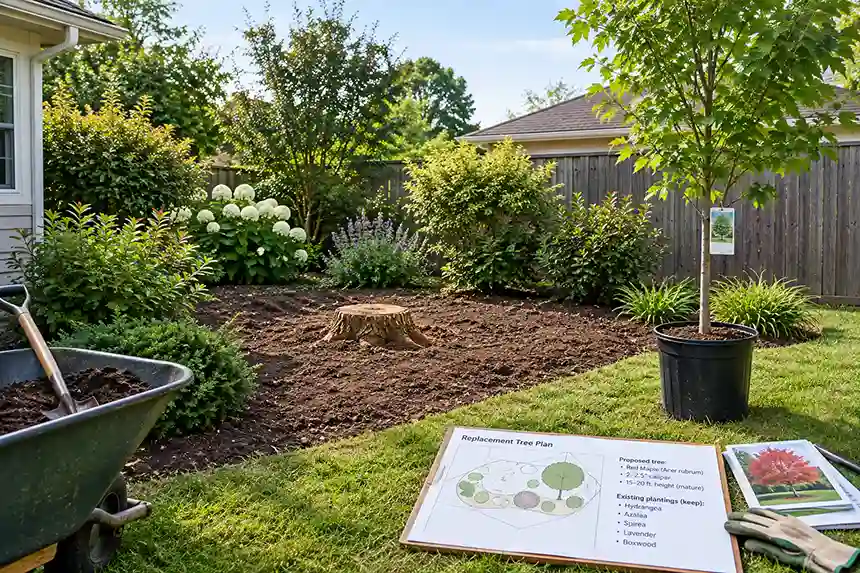
Plenty of space is left in the garden when homeowners remove a tree from their garden. But the way people utilize and use that space can be different.
Many homeowners notice the changes in the garden after the tree is gone: the small plants getting extra sunlight, the plants that were growing in the shade are not exposed to direct rain, wind, and heat, the hardened soil of the area where the tree used to stand tall, and many more.
With the advice to wait for a season before filling the gap in a hurry, we start this article, which will let you know how to choose the best replacement plants, how to turn that empty piece of land into something functional yet aesthetic, and what exactly you have to do.
What Changes Happen After A Tree Removal
The first noticeable change after the tree removal is in nature. You can see the light is changing fast; the little plants that were growing behind the tree are receiving excess sunlight that can be harmful to them, the water is collecting in slightly extra amount in rains, and the soil is becoming drier because there is no shade that can stop sunlight.
These changes impact the garden because the plants there were used to growing in older conditions and may not survive in this new atmosphere.
To notice the changes, walk in your garden at different times; you’ll see the first spot where the sunlight is reaching has changed, and nature has made a lot more changes too.
So you have to plant different varieties of plants for these different conditions.
How To Deal With The Stump And Soil First
The stump plays a major role in deciding the layout of your new garden. It covers useful planting space, slows down the efficiency of mowing and edging, and disrupts the whole visual harmony of the garden.
Homeowners have to remove or grind all the extra stumps. And when the ground is visible, choose the best replacement plants for the garden according to its weather conditions. A useful piece of advice for homeowners is that the new plants can not grow in an old hole every time, so check the species and suitability before planting one.
Also look at the soil around that land. Mature trees have hardened soil, so you have to loosen the soil before replanting.
Interesting Fact
Clemson-linked guidance on tree selection suggests that planting decisions should be taken according to the garden’s conditions such as soil type, moisture, drainage, available space, and the location’s weather.
Choose Plants According To The New Conditions
There are 4 major things to consider to choose plants according to the conditions, which are:
- Light Measurement: Watch the garden during the day and notice the sunlight; one visit is not enough to select the right plant.
- Soil Quality: Qualities that you should notice in soil are drainage, compaction, moisture, and the amount of usable depth.
- Think about the growth before purchasing: Plants can become tall, long, and huge according to their species; always buy a plant that your garden can accommodate in the future instead of just going on its small appearance today.
- Add maintenance to your routine: Prefer a simple yet beautiful and functional garden that requires less care instead of growing an aesthetic bed that requires hours of attention.
Clemson Cooperative Extension material referenced by other institutional guidance includes site conditions, soil and moisture, available space, plant characteristics, and maintenance in the selection conversation, as tree selection is mostly about restraint.
You can add a personality to your garden by adding some unique and useful plants.
YourHomify’s olive green guidance Points out various olive varieties such as Arbequina and fruitless varieties for small gardens and containers.
A unique plant can handle the visual appeal, while a tall tree can grow again and help provide climate and suitable growing conditions.
Protect The Remaining Trees
Removing one tree affects the others, as climate change will affect your garden more, and the other surviving plants may suffer. The other trees will have to bear more of weather conditions like wind, rain, storms, and sunlight with less support than previous encounters.
It is important to mark the root zones of the trees you are keeping before digging or placing new beds. Bringing and using the machinery can cause harm to other existing trees if their roots are not marked.
Interesting Fact
The International Society of Arboriculture’s trees have very good resources for caring for mature trees, tree selection, utility conflicts, and risk management.
This reminds us that grown trees also require a plan when there is some work happening around them.
How To Rebuild The Empty Space Around Your Garden
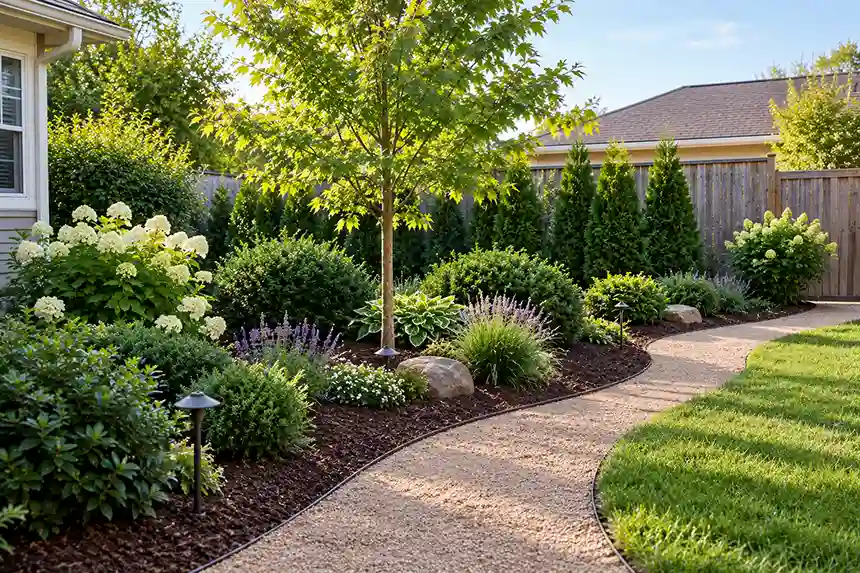
It is not important to place another tree in the place of the old one. The empty piece of land can be utilised in many other ways. Many possible examples include planting beds, shrubs, garden seating, or any other suitable option that can be useful and appealing at the same time.
If you want that empty land to change the pace of your garden completely, consider using taller plants at the back, short and lower plants near the path, aesthetic lights across the lower plants, and evergreen shrubs to enhance the view at its fullest.
YourHomify’s rural property guidance has a similar case for using landscaping to improve the visibility, access, appearance, and longevity of the outdoor gardens.
YouHomify’s wider garden coverage also prefers a garden with low maintenance so the homeowners can take proper care without feeling exhausted, so always keep the maintenance factor in mind while designing.
And the less interesting but key features like edging, irrigation lines, access for pruning, and a clear path for the mower should also not be ignored.
Know A Simple Replanting Plan
These are the things to consider before buying new plants for replacement in your garden:
- Notice the new sunlight spots
- Remove or treat the stump properly
- Prepare the soil
- Decide which existing plants are staying
- Choose replacement plants after looking at all the conditions
- Lay out mature sizes before digging
- Complete the paths, mulch, irrigation, and edging around the plants.
Tree Removal Ipswich is one of the most reliable professionals for work like tree removal near a house, shed, fence, garden, or wherever you want perfect work without hesitating about mistakes. They have experience, specialized equipment, and site management that make them the most trusted tree removers among homeowners.
TreeSafe lists Ipswich among its South-East Queensland service locations and describes residential tree removal and related arborist work.
Useful Advice
Always notice the piece of empty land for a season instead of rushing and replanting. Look at how much water is collecting there, how much extra sunlight is reaching the plants without that tree, and other changes.
Watching these for a season will let you clearly decide the exact type of replacement plant you want.
Give The New Garden Some Time
A new garden does not look complete on the first day, and it is normal!
Control the urge to fill every place with a plant on the first day and think logically. Leave some space intentionally to see what the ground needs instead of filling every plant you’ve seen in the market directly into your garden.
A new garden will take a new shape with time; it can be calmer and quieter, but it will still look refreshing and won’t let you regret your decision if everything is done the right way.
How long should I wait before replanting after tree removal?
There is no particular time, but the right time depends on the soil condition, stumps, grown roots, season, and the plant you are willing to grow.
Can I plant another tree in the same spot?
It is possible, but it is too inconvenient because of the stump from the previous tree and its root zone. Always check the soil quality, space availability, drainage, and mature size of the tree you are replanting before doing anything permanent.
What should I plant where a tree was removed?
A tree changes many conditions when removed, so choose the new replacement according to the new conditions. Notice every aspect, like sunlight, soil moisture, drainage, space, climate, and maintenance, and select a plant that will grow best in those conditions.
Should I remove the stump before redesigning the garden?
Removing stumps can be ideal before redesigning the garden because it gives you the freedom to use maximum usable space, and it avoids building paths and ways among obstacles.
- low maintenance — YourHomify
- Tree Removal Ipswich — TreeSafe Environmental Services
- shade perennials — YourHomify
- Clemson Cooperative Extension — Tree Selection guidance, also referenced by institutional tree-care guidance.
- Trees Are Good — International Society of Arboriculture
- olive tree — YourHomify
- improve your rural property — YourHomify
- evergreen shrubs — YourHomify