


Red tulips are spring-flowering bulbs known for their bright blooms and symbolism of love, passion, and devotion. Popular in home gardens, bouquets, or for floral decor, they are easy to grow and come in wide, distinct varieties.
Originating from Central Asia and later gaining popularity in Europe and other surrounding regions, these flowers are highly sought after for their visual appeal and cultural significance.
Dive in and learn about their features, meaning, varieties, and practical care tips that worked for me.
Quick Answer
Red tulips are vibrant spring-blooming bulb plants admired for their scarlet red blossoms and elegant structure. They are associated with affection, admiration, deep love, and heartfelt emotions.
What is a Red Tulip? Features and Historical Significance
| Red Tulips at a Glance | |
| Botanical Name | Tulipa spp. |
| Plant Height and Width | 10-24 inches tall and 4-6 inches wide |
| Native Range | Central Asia, Turkey, Europe, North Africa |
| Hardiness Zone | USDA Zones 3-8 |
| Bloom Time | Early to late spring (March-May) |
| Growth Habit | Upright bulbous perennial |
| Toxicity | Toxic to pets and humans if ingested |
| Symbolism | Represents deep love, passion, and romance |
| Primary Uses | Garden borders, flower beds, and bouquets |
A red tulip is a popular bulbous spring flower known for its cup-shaped blossom, bright red petals, strong fragrance, and deep symbolic meaning. It belongs to the Liliaceae family and is widely grown in gardens, large landscapes, and for floral arrangements.
During the famous Tulip Mania in the Netherlands, these flowers became highly valuable and culturally significant. They have been admired for centuries, especially in Turkey, where tulips became an important cultural symbol during the Ottoman Empire.
Red varieties gained popularity because of their bold color. In traditional symbolism, these red flowers represent deep love, passion, and devotion. Today, they are commonly gifted to express affection, admiration, and heartfelt emotions.
Meaning and Symbolism of Red Tulips
Red tulips are widely associated with love, passion, intensity, and strong emotions. Their bold color makes them a popular choice for expressing feelings that are deep and heartfelt.
- Deep Love: Red tulips are often linked with sincere affection and a strong emotional connection between people.
- Romance: They are commonly gifted as a romantic flower to show admiration and care.
- Passion and Desire: The rich red shade symbolizes intense feelings, attraction, and enthusiasm.
- Devotion: Traditionally, they were also used to express loyalty, commitment, and lasting bonds.
- Respect and Appreciation: They are also used to show veneration and gratitude toward someone special.
- Confidence and Strength: Their vibrant appearance reflects courage, energy, and a bold personality.
5 Red Tulip Varieties for Your Garden
Some of the most popular red tulips are Apeldoorn, Red Impression, Kingsblood, and Red Riding Hood. They are all known for producing large, scarlet-red blooms that can make any garden space visually appealing.
In this section, we will look closely at popular tulip varieties. We will explore their unique features and what makes them stand out.
1. Apeldoorn Tulip
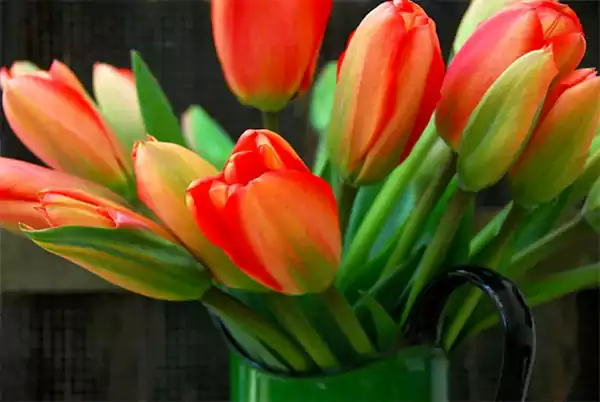
- Botanical Name: Tulipa ‘Apeldoorn’
- Height: 20-24 inches
- Native Region: Hybrid variety developed from Central Asian tulips
The Apeldoorn red tulip is a highly popular and reliable hybrid cultivar. It is widely appreciated for its egg-shaped and cherry-red flowers that stand firm on tall, slender green stems. The species thrives in favourable conditions and can add instant vibrancy to the gardens.
2. Red Impression Tulip
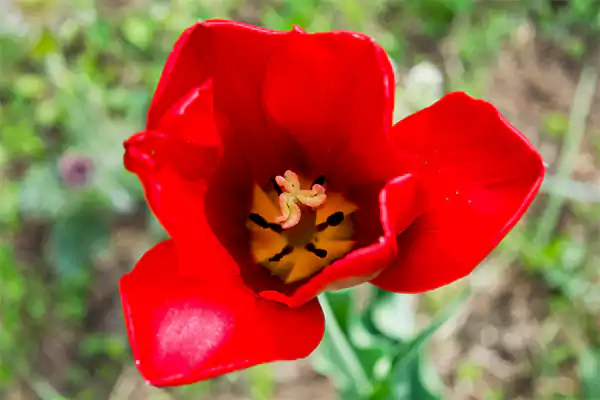
- Botanical Name: Tulipa ‘Red Impression’
- Height: 20-26 inches
- Native Area: Cultivated in the fields of Holland
Red Impression is prized for its exceptionally large blossom that can reach up to 6 inches wide when fully open. They are easy to care for and are widely grown as border covers, container plants, or as cut flowers. I usually pair them with friendship flowers like Daffodils and Carnations when gifting to someone special.
3. Kingsblood Tulip
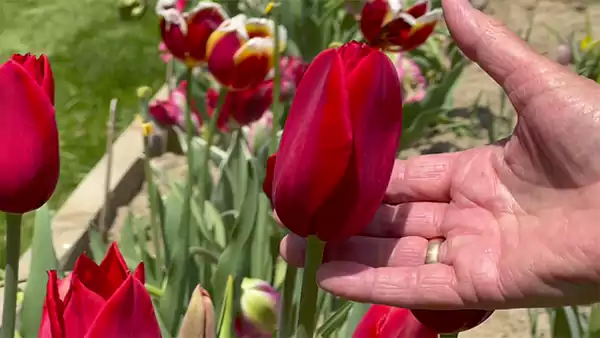
This variety is known for its rich crimson coloring and classic tulip shape. The blooms stay lively throughout the flowering season and are best paired with white or yellow flowers. Strong stems help the flowers remain upright even during the harsh weather conditions.
4. Red Riding Hood Tulip
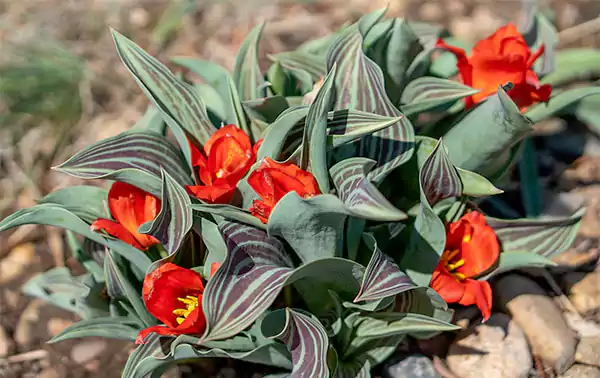
- Botanical Name: Tulipa ‘Red Riding Hood’
- Height: 6-12 inches
- Native Range: Hybrid cultivar of Tulipa Greigii
Unlike the taller tulip flowers, this compact variety bears bold red flowers with purple-striped leaves that remain ornamental before and after the flowering season. The low-growing habit makes it ideal for rock gardens, borders, and containers.
5. Horned Tulip
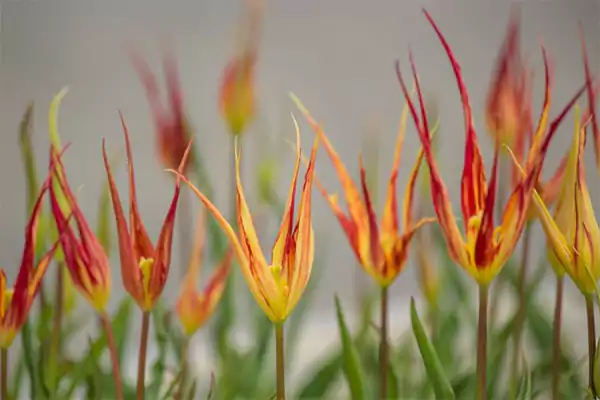
- Botanical Name: Tulipa acuminata
- Height: 12-18 inches tall
- Native Range: Turkey and surrounding regions
Horned tulips are recognized for their unusually long, narrow petals that add a dramatic touch to the fields. The blossoms feature striking red and yellow variegated petals that give the overall tulip flower an exotic appearance. Being a rare flower, it is a favorite among many plant lovers, botanists, and garden enthusiasts.
How to Grow Red Tulips at Home?
Tulips typically need cool soil for a healthy growth rate, which is why it is ideal to plant the bulbs in November or early December for optimal development.
Follow these steps to enjoy vibrant blooms in your garden or containers.
Step 1: Choose Healthy Bulbs: Select firm, plump bulbs that do not have any soft spots or mold. Using larger bulbs may produce bigger flowers.
Step 2: Pick the Right Location: Choose a spot that receives at least 6 hours of sunlight daily and ensure that the area has good air circulation.
Step 3: Prepare the Soil: Use well-drained, fertile soil. I prefer regions where the pH level of the soil is between 6.0 and 7.0.
Step 4: Plant the Bulbs: Dig holes that are around 6-8 inches deep, and place the bulb with the pointed end facing upward. Ensure to plant them at least 4-6 inches apart.
Step 5: Watering Needs: Water thoroughly immediately after planting the bulbs to help root development. Keep the soil soggy, but do not overwater.
Step 6: Fertilize and Enjoy the Blooms: I apply a balanced bulb fertilizer in early spring.
Gardener’s Tip
Make sure to follow the instructions given on the fertilizer package. Do not overfeed the plants, as this can cause root rot, and eventually the bloom can die. Use containers if the garden space is limited and protect the bulbs from squirrels and other rodents.
Care Guide for Red Tulips
Red tulips or any other shade of the blooms are easy to grow if the ideal conditions are provided. Here are some tips and tricks that you can follow to help your tulip bloom flourish.
1. When Planted in Garden
| Sunlight Requirement | 6 hours of direct sunlight. |
| Soil Type | Well-draining, loamy, and fertile. |
| Soil pH | 6.0-7.0 |
| Watering | Consistent during the active growth season. |
| Temperature | Ideal growing temperature is pl |
| Fertilizer | Balanced NPK in the ratio 10:10:10 |
| Spacing | 4-6 inches apart from each other |
| Common Pests | Aphids, slugs, snails, bulb mites, squirrels |
2. When Stored in Vase
Red tulips typically have a vase life of 5-7 days, though they can also last for around 10-14 days if proper care is given. Whether they are homegrown or store-bought, care tips for cut flowers remain the same.
- Trim the stems at a 45-degree angle and place them in a clean, cool water jar.
- Change the water every two days and remove the submerged leaves to avoid fungal infections.
- Place the vase near a north-facing window to avoid direct sunlight, as this may scorch the leaves and young petals.
Conclusion
To sum up, we can say that red tulips offer a perfect combination of ornamental appeal and meaningful symbolism. With their wide range of hybrid species, simple care requirements, and eye-catching flowers, red tulips are an excellent choice for both beginner and experienced gardeners.
From their fascinating history to the bold emotions that the bloom represents, there is no doubt that this particular type is a popular choice across the world.
FAQs
Can you use Miracle-Gro on tulips?
Yes, Miracle-Gro can be used on tulips. Make sure you are using it during the active growing season and spread it a distance from the leaves.
Should I put ice cubes in tulip water?
Yes, some experienced gardeners recommend adding ice cubes to the tulip water so that they can look fresh for a longer period.
What flower was once used as money?
During the 1630s in the Netherlands, tulip bulbs were used as a tradeable currency in exchange for other goods.
What plant says “I love you”?
In the language of flowers, roses, Hoya hearts, and anthuriums are known to express love and deep admiration.
How to Grow Tulips – BBC Gardeners’ Guide

Flowers for All Occasions: Complete Guide to Choosing Blooms
[…] have long been associated with love, admiration, renewal, and happiness. Red tulips especially symbolize romance and passion and are often gifted on occasions like Valentine’s […]
Flower Colors and Their Meanings: A Complete Guide
[…] only roses, but red tulips are also equally stunning. Both can give a cleaner, modern look to the bouquet. Whereas red […]