Most of the homeowners do not plan well for their siding until something serious happens to it. A major reason for this is that many of them are unaware that it effectively works as a shielding layer to protect the home from weather and temperature changes.
And those who even plan to change it often fail to find signs to make up their mind. But from now on, there will be no more confusion related to siding upgradation.
This post shares the common signs that indicate your home demands new siding.
Key Takeaways
- An increase in the cooling and heating costs can put a direct emphasis on sealing the home effectively.
- Preferring to repair every time can cost more in the long term than investing in a complete replacement.
- Unnecessary water stains and peeling paint might serve as an early warning sign of an exterior siding issue.
Your Siding Is Cracked, Loose, or Broken
Visible decay is one of the biggest signs that your siding may no longer be securing your home properly. Cracks, holes, and broken panels can invite moisture and pests to get past the siding. Even small tears can become a major problem after heavy rain, snow, or strong winds.
Loose siding is another danger sign. If panels move, rattle, or pull away from the home, they may not be attached the right way. This can set parts of the exterior loose and make the siding less reliable during storms.
A small defective area may be easy to fix. However, if you see cracked or loose siding in multiple places, switching may be the better long-term strategy.
The Color Has Faded, or the Exterior Looks Worn Out
Fading is not a clear sign of a siding issue; it might be a result of material ageing. Over time, external damage from the sun and rain can result in issues with siding. Also, once the color fades away, the appeal of the home starts to seem dull.
Majorly, when a large area is affected. Another sign is that aged siding is that it easily breaks down because of low strength.
In a moment when the appeal fades away and the exterior looks vague, new siding can bring a major change. Once installed with the new one, the home gets a perfect look and makes the property look maintained with care.
You Notice Warping, Bubbling, or Buckling
Siding should sit flat next to your home. If you notice panels that are warped, bubbling, or buckling, it may be a sign of moisture, heat damage, or poor construction.
Warped siding can lead to spaces where water can enter. Bubbling may mean moisture is trapped below the surface. Buckling can arise when the siding is installed too firmly or when it widens and contracts over time.
These issues should not be neglected because they can point to a wider problem behind the siding. If the damage is serious, replacing the siding may be necessary to protect the exterior fully.
You See Signs of Moisture or Mold
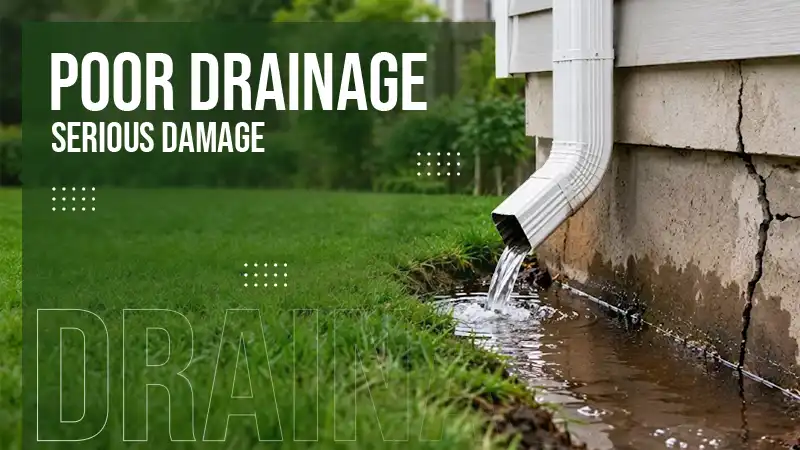
Moisture is the key player for siding issues. The moment water reaches behind the siding – chances for mold, and rot increase suddenly.
When checking these, mainly focus on the dark spots, soft areas and stains around the siding. Above this, doors, windows, and corners should be choked on priority, as moisture stays here first.
Some exterior mildew can be cleaned, especially if it is only on the surface. But for frequent issues related to moisture, give a chance to exterior inspection.
Your Energy Bills Are Increasing
Siding serves a role in your home’s overall comfort. Although not the only factor that affects energy efficiency, damaged or aging siding can give rise to drafts, air leaks, and poor insulation usage.
In case the rising bills for cooling and heating systems seem confusing, give a chance to your home’s exterior. It might be a key player. Gaps, cracks, and damaged areas can enable outside air to enter and breathable air to escape.
New siding, especially when coupled with proper weather limits and insulation support, can help boost the home’s exterior defence and make indoor spaces feel more relaxing.
The Interior Walls Show Damage
Sometimes siding problems show up inside the home before they become noticeable outside. Peeling paint, bubbling wallpaper, water stains, or moisture near exterior walls may be indicators that water is getting through from the outside.
These issues are easy to ignore as they may seem like interior problems at first. But when seen near the exterior walls, windows, or corners, it is better to check the siding with the surrounding areas.
If moisture has made its way inside, the siding may no longer be offering the protection your home needs.
You Are Constantly Making Repairs
An occasional siding repair is normal. Storm damage, impact damage, or a loose panel can exist from time to time. But if you are repairing your siding every year, switching may be more cost-effective.
Repeated repairs can become costly and frustrating, especially if the siding is older. Matching new panels to faded siding can also be difficult, which may leave the exterior looking sloppy.
At some point, replacing the siding can be a smarter investment than trying to patch problem areas.
Your Home Has Poor Curb Appeal
Siding has a major effect on how your home looks from the street. If the exterior looks faded, stained, damaged, or old-fashioned, it can make the full home feel unfinished.
New siding can completely change the look of a house. It gives homeowners the chance to update the color, style, trim, and overall exterior design. Whether you want a classic look or something more modern, siding changes can improve curb appeal in a way that is both practical and visually striking.
This can be more valuable if you plan to sell your home in the future. A clean, updated exterior helps create a better first impression.
These aspects are often delicate, as with window cleaning confusion. Explore how often one needs a professional window cleaning service for the home.
Your Siding Is Near the End of Its Lifespan
Every siding material has a duration. Vinyl siding can last for many years, but it does not last forever. Weather, installation quality, maintenance, sun contact, and local climate all impact how long it works well.
If your siding is older and showing subtle signs of wear, it may be time to start planning for replacement. Even if the damage is not serious yet, replacing old siding before major problems begin can help protect the home and prevent more pricey repairs later.
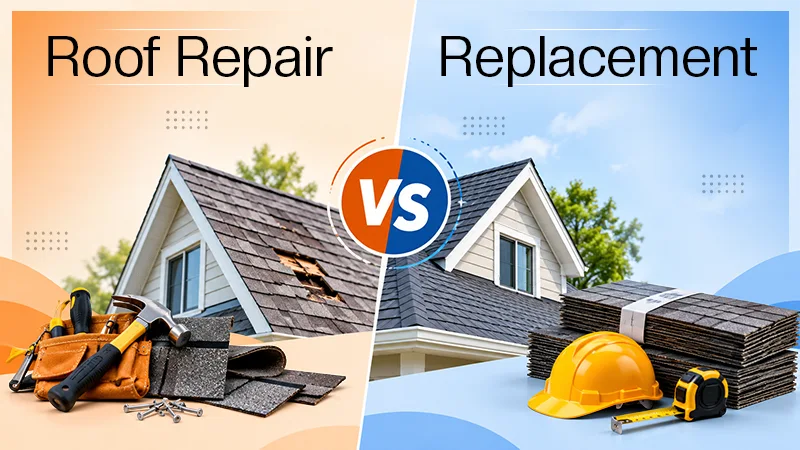
When Should You Repair Instead of Replace?
Not every siding issue calls for a full replacement. If the damage is small and confined to one area, a repair may be enough. For example, one cracked panel, one loose section, or minor shock damage can often be fixed without replacing the full exterior.
Replacement makes more sense when the damage is severe, the siding is old, moisture is getting behind the panels, or repairs are becoming a habit. Also, it is better to consider replacement when the siding no longer matches the style of your home.
The best pick depends on the age of the siding, the type of damage, and the overall look of the exterior. And in case you make up your mind to sell the house for a new start, here are the best solutions to selling it fast.
Why Professional Installation Matters
Siding replacement is not just about finding the right material or color. The installation itself is very important. Poor installation can give rise to gaps, moisture issues, buckling, and decreased siding life.
A professional contractor can audit the prior siding, identify hidden damage, prepare the exterior correctly, and make sure the new siding is installed with proper sealing and weather protection.
If your siding is cracked, warped, loose, or no longer supporting your home properly, working with a contractor that offers professional siding replacement can help preserve both curb looks and long-term exterior protection.
Also, explore how to choose the top-tier roofing care – revive your shelter.
Final Thoughts
At the end of the day, knowing the importance of the siding plays a crucial role keep you home safe in the long term. Simple cracks, moisture damage, rising energy bills and frequent repairs serve as the direct signal that your existing siding is not working as expected.
When several signs are seen at once, it is better to make up one’s mind and change it to prevent larger future expenses and issues.
FAQs
How often should siding be replaced?
It is not fixed; the right idea depends on the material, installation quality, local weather, and maintenance.
Can damaged siding increase energy bills?
Yes, cracks, gaps and ageing siding create gaps that allow air to transfer, overloading the heating and cooling systems.
What to choose – repair or change the siding?
Minor damages can be managed with simple repairs. But for old, damaged and one that often asks for maintenance – changing is best.