Stormy weather can make you look at your house a little differently. Those old windows not only become part of the view but also an important defense against strong winds. If your rooms feel drafty, noisy, or too hot in extreme weather, your windows may already be indicating a problem.
This issue can impact the temperature of the house itself, thereby leading to an increased energy bill and exposure to outside noise. This situation calls for smarter upgrades that do not feel confusing. Knowing what to look for can help you make informed choices instead of panicked selections.
This guide highlights the importance of windows, their benefits, and how to plan your budget when looking for upgrades.
Key Takeaways
- A stronger setup can make your space feel calmer, quieter, and less vulnerable when the wind starts putting on a dramatic performance outside
- No window can effectively silence all sounds, but reducing everyday noises can make a huge difference. The best part may be peace of mind
- Older windows can lead to higher cooling costs, more frequent repairs, and a greater risk of damage during severe weather
- During installation, proper fit matters just as much as the window itself. Even a strong window can end up underperforming if installed poorly
Why Windows Matter
Your windows do a lot more work than most people give them credit for. They let in light, allow the flow of air, and shape how safe and comfortable your house feels when the weather gets moody.
If you live in a place that regularly experiences strong winds, heavy rain, or hurricane season, stronger windows can become a really useful and practical upgrade.
Many homeowners start comparing impact windows when they realize basic glass may not be enough for rough weather. That kind of upgrade is not just about storm season either. It can also help with outside noise, indoor temperature control, and a better sense of security.
Think of windows like a jacket for your home. A thin one may look fine, but it will not help much in a downpour. A stronger setup can make your space feel calmer, quieter, and less vulnerable when the wind starts putting on a dramatic performance outside.
Spot Weak Window Signs
You do not need to be a contractor to notice when windows are struggling. Your house usually drops hints.
Sometimes they are subtle, such as a room that always feels warmer than the rest. Other times, they are louder, mostly when your windows shake or rattle during a storm or let in all the outside noise from the street.
A draft near closed windows is one common warning sign. If you feel moving air when everything is shut, the seals may be worn, or the frame may not be doing its job anymore. Sticky windows are another clue. When a window is hard to open or close, that can point to age, warping, or poor fit.
You might also notice:
- Rising energy bills
- Faded curtains or floors
- Moisture between panes
- More outside noise than you would like
None of these signs automatically means disaster, but they do suggest it may be time to take a closer look before a small issue turns into a wallet-sized one.
Understand Key Benefits
Stronger window systems can improve daily life in ways you notice right away. The biggest draw for many people is storm protection. In extreme weather, better-built windows are specially designed to hold up against flying debris and pressure alterations.
That matters a lot because broken glass is not just messy. It can create bigger risks inside the home.
There are comfort perks, too. Better windows help keep indoor temperatures stable, which means your air conditioner won’t have to utilize all its power to cool a single room.
A few options also help block UV rays, thereby reducing fading on furniture, rugs, and floors.
Then there is the noise factor. If traffic, storms, or neighborhood chaos keep interfering with your peace, upgraded windows can help dial down the noise.
No window can effectively silence all sounds, but reducing everyday noises can make a huge difference.
The best part may be peace of mind. You cannot control the weather, but you can make your home better prepared for it.
Fun Fact
Long before glass was accessible, windows were essentially just holes in the wall. To keep out harsh weather, early humans covered these openings with animal hides, cloth, paper, or even slices of marble.
Think About Your Budget
Window upgrades are not usually an impulse buy, and that is fair. They are a bigger home project, so it helps to think beyond the upfront number. The real question is not just what you spend now. It is also what you may save or avoid later.
If the upfront cost is what’s holding you back, it’s worth looking into window replacement financing options that let you spread the expense out instead of paying it all at once. Kind of like takeout fees. Small at first, then suddenly rude.
It is also worth looking into insurance details. In some areas, stronger storm-ready features may affect premiums or qualify for discounts, though that depends on your location and policy. Timing matters too. If your windows are already failing, waiting may lead to water damage or frame issues that make the project more expensive.
A smart budget plan often includes:
- Comparing materials and styles
- Asking about warranty coverage
- Planning for installation costs
- Thinking about long-term energy use
Cheap now is not always cheap later.
Pick a Style Wisely
Function matters most, but you probably want your windows to look good too. The nice thing is you usually do not have to choose between practical and pretty. A lot of common window styles can work well as long as they fit your home’s needs and layout.
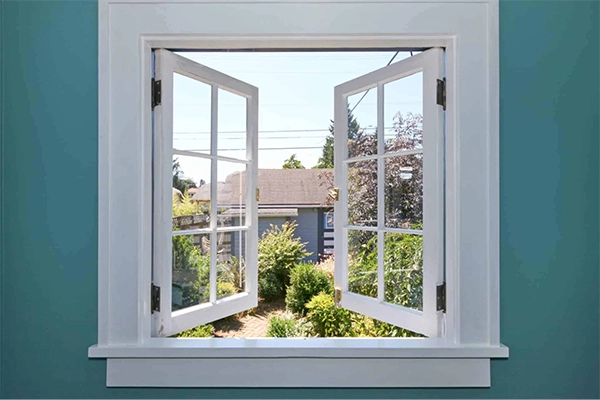
For instance, picture windows bring in lots of light and can help make a room feel a lot bigger, but don’t really allow for airflow. Casement windows often seal tightly and are easy to open and close. Sliding windows are simple yet popular, even if they require adequate track space to operate smoothly.
When choosing a style, think about how you actually live in the space. Do you want more breeze in the kitchen? Easier cleaning in upstairs rooms? Better light in a darker hallway? Those questions matter more than chasing a trend you saw online at midnight.
Try to balance aesthetics with day-to-day use. A window that looks amazing may be difficult to clean, thereby making it lose its charm pretty quickly. Beauty and function should be roommates, not rivals.
Plan Installation Day
Installation day is a lot easier when you know what to expect. First, clear the area around each window. Move furniture, wall decor, and anything breakable.
Dust may show up uninvited; therefore, covering nearby items is a smart move. Your home doesn’t need to transform into a construction zone, but a little prep goes a long way, making everything go smoother.
The timeline depends on how many windows are being replaced and the condition of the existing frames. Some projects move quickly. Others take longer if there is hidden damage that needs fixing first. That is normal. Old houses love surprises, and not the fun birthday kind.
During installation, proper fit matters just as much as the window itself. Even a strong window can end up underperforming if installed poorly. Gaps and bad sealing can affect energy performance and weather resistance.
After the work is done, expect a walkthrough and cleanup. This is the time to ask questions about operation, locks, and basic care. A little attention now can save confusion later when the next storm rolls in.
FAQs
What does a smart budget plan include?
A smart budget includes:
- Comparing materials and styles
- Asking about warranty coverage
- Planning for installation costs
- Thinking about long-term energy use
What happens when the windows are weak?
Weak windows often lead to increased energy bills, faded curtains and floors due to UV, moisture between panes, and more outside noise than usual.
What are the benefits of stronger windows?
The biggest draw for many people is storm protection. In extreme weather, better-built windows are specially designed to hold up against flying debris and pressure alterations.
What are the different types of windows?
Following are the types of windows:
- Casement windows
- Picture windows
- Sliding windows