The best succulent soil mix is loose, gravelly, and well-draining, allowing excess water to flow away quickly while giving roots enough air and space to grow. It contains a combination of potting soil and minerals like perlite, pumice, or coarse sand.
Using the right succulent soil mixture helps prevent root rot and promotes overall development of the plant. In this guide, you will learn the ideal soil ingredients, DIY recipes, the difference between store-bought soil and homemade mixes, and common mistakes to avoid for healthier cacti and succulents.
Quick Answer
The best soil mix contains 30–40% organic matter (such as potting soil or coco coir) and 50–70% mineral materials (such as perlite, pumice, coarse sand, or gravel). This combination provides fast drainage and good aeration. The mixture reduces the risk of root rot and provides ideal growing conditions for healthy growth.
What is the Best Soil Mix for Succulents and Cacti?
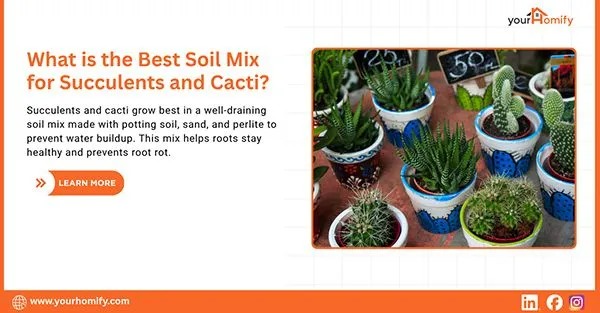
The best cacti and succulent soil mix contains 50-70% minerals such as coarse sand, perlite, pumice, or gravel, and 30-50% organic matter such as potting soil, coco coir, or orchid bark.
Succulents and cacti naturally grow in deserts, rocky gardens, and sandy regions where water drains away quickly. The right combination of materials creates a fast-draining and well-aerated mixture that prevents excess moisture from damaging the roots.
Although the right soil recipe depends on the plant species, a balanced mix generally includes equal parts organic and inorganic material for optimal plant health.
What are the Features of a Good Succulent Soil Mix?
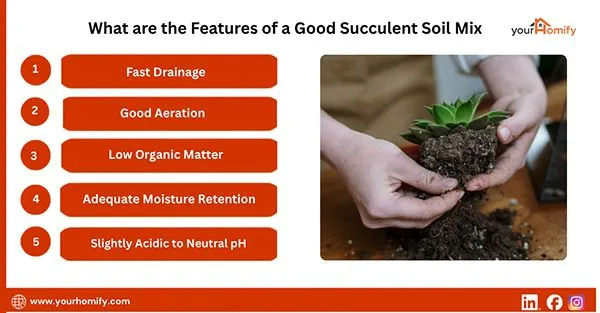
Fast drainage, good aeration, low organic matter, adequate moisture retention, and slightly acidic to neutral pH are some key features of a good succulent soil mix. It should be designed to keep roots healthy by draining excess water quickly, allowing air to reach the root system, and supporting steady growth.
A good succulent soil mix and compost affect plant growth. Let us study the key characteristics in more detail in this section.
Fast Drainage: This is one of the most important features of a healthy succulent soil mix. Make sure the water flows through the soil rather than accumulating around the roots. This prevents root rot, reduces fungal diseases, and keeps the plant healthy.
Good Aeration: Healthy roots need oxygen as much as they need water. A well-aerated soil mix contains particles that create air pockets around the roots. This encourages strong root development, improves nutrient absorption, and supports beneficial soil microbes.
Low Organic Matter: Unlike many houseplants, succulents and cacti do not need soil that is rich in organic material. Too much compost or peat moss holds excess moisture, which increases the risk of root problems.
Adequate Moisture Retention: A well-balanced succulent soil mix should not dry out immediately. Holding a small amount of moisture is necessary to keep the roots hydrated.
Slightly Acidic to Neutral pH: Most succulents and cacti grow best in a soil mix with a pH between 6.0 and 7.0. This allows the roots to absorb all the nutrients properly and also promotes a healthy growth rate.
Best Ingredients for a Succulent and Cactus Soil Mix
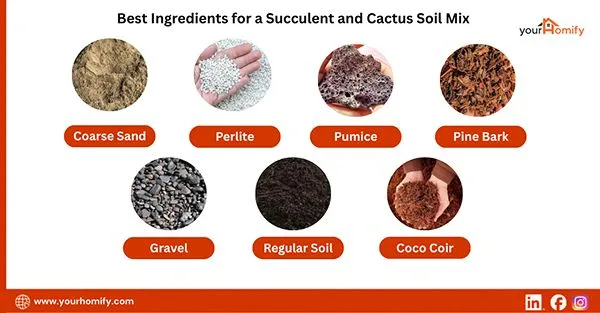
The best soil mix for succulents and cacti includes ingredients like coarse sand, perlite, pumice, gravel, potting soil, coco coir, and pine bark. Each ingredient plays a specific role in supporting strong root growth and preventing waterlogging.
- Coarse Sand: This improves drainage and gives the soil a loose texture. It allows the water to move quickly through the soil without compacting. For example, before buying, look for labels like builder’s sand or horticultural sand at hardware stores since these are coarse enough to work.
- Improves drainage
- Prevents soil compaction
- Mimics natural desert conditions
- Adds weight to keep plants stable
- Perlite: This is a lightweight soil mineral commonly added to the succulent potting mixture. It creates air pockets that improve drainage and root aeration. Because of its lightweight, it may float to the top of your pot when watered. It is ideal to use gravel or decorative stones to keep it intact.
- Increases airflow
- Prevents waterlogging
- Keeps the soil loose
- Lightweight and easy to mix
- Pumice: This is a porous rock that absorbs very little water and enhances drainage. It is more durable than perlite and doesn’t float to the soil surface. Pumice has microscopic pores that absorb and store vital nutrients and moisture, slowly releasing them to the plants when they need hydration.
- Excellent drainage
- Long-lasting soil structure
- Stores a small amount of moisture for roots.
- Improves root development
- Gravel: These are small coarse inorganic stones added to improve drainage and aeration so that excess water does not sit in the pot. It mimics a rocky environment for the desert plants to grow and prevents waterlogging. Gravel is specifically added to the pots to increase their weight and prevent the pots from tipping over.
- Speeds up water drainage
- Prevents the soil from becoming heavy
- Adds stability for baby plants
- Reduces the risk of root rot
- Standard Potting Soil: This provides organic matter and nutrients while limiting moisture retention. It is generally the base of most of the succulent soil mixtures. Using a standard potting soil as 30% – 40% base in your mix is more affordable than buying pre-made cactus soil blends.
- Supplies essential nutrients
- Supports beneficial microbes
- Holds enough moisture for short-term hydration
- Adds firmness and supports the root system
- Coco Coir: This is typically made from coconut husk and is an eco-friendly option for peat moss. It retains moisture and enhances airflow. The fibrous structure of coco coir allows the roots to prevent waterlogged conditions. It is mainly used during propagation because it helps in resisting fungal diseases.
- A renewable and sustainable option
- Improves soil texture
- Prevents the mixture from becoming overly soggy
- Maintains hydration for the root system
- Pine Bark: These are small pieces of pine tree bark, which are generally added to the succulent soil mix to improve the overall structure and drainage. According to the United States Department of Agriculture, using pine bark can reduce the stress of your succulents and promote vigorous growth.
- Increases aeration
- Reduces soil compaction
- Slowly releases organic matter
- Encourages healthy root growth
Tried and Tested DIY Soil Mix Recipes
Making your own cactus and succulent soil mix lets you adjust the ingredients to suit the plant type, growing location, and local climate. The following DIY recipes are easy to prepare and are tried and tested by many expert gardeners as well.
| Types of Soil Mixes | Recipe | Best For |
Indoor succulent mix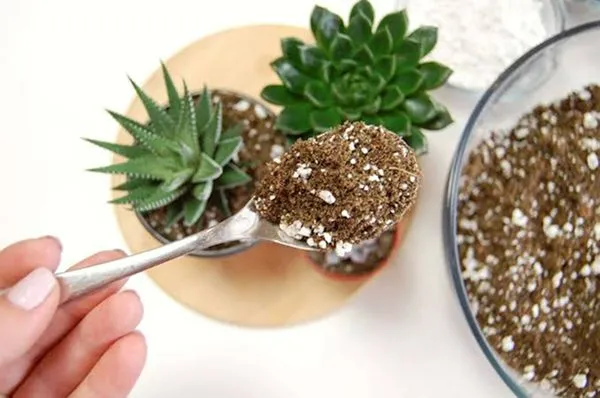 | 2 parts potting soil, 1 part perlite, and 1 part coarse sand. |
|
Cactus soil mix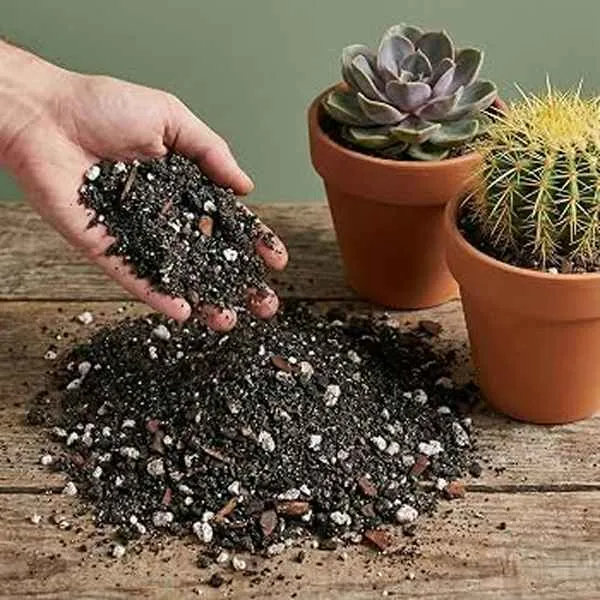 | 1 part potting soil, 1 part coarse sand, and 1 part pumice or perlite. |
|
Outdoor succulent mix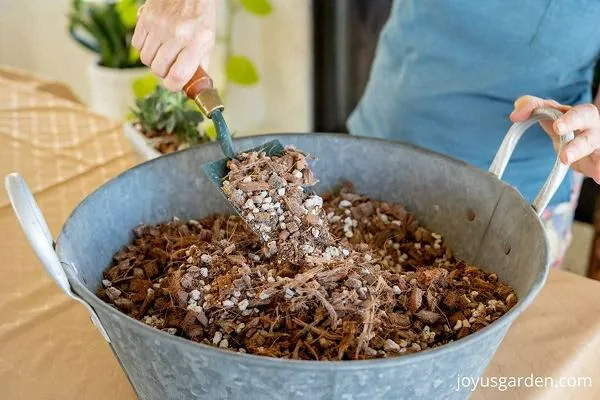 | 1 part garden soil, 1 part coarse sand, and 1 part gravel. |
|
Seed starting soil mix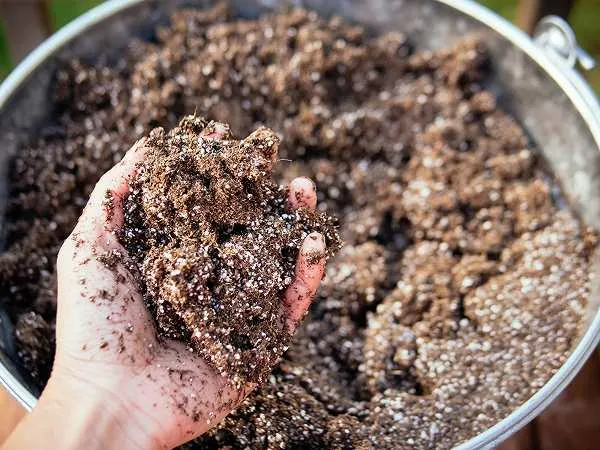 | 2 parts coco coir, 1 part perlite, and 1 part fine pumice or coarse sand. |
|
Soil mix for succulent propagation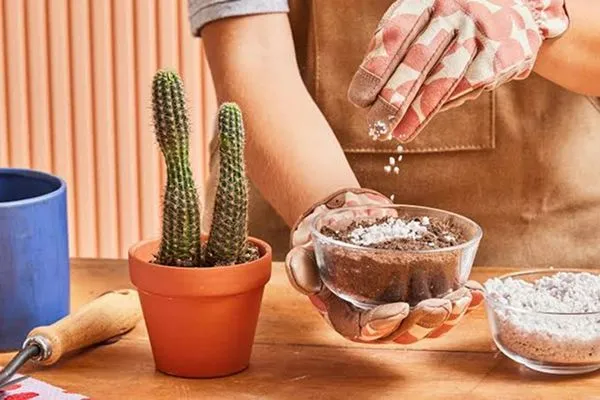 | 1 part coco coir, 1 part perlite, and 1 part pumice or coarse sand. |
|
Mix for humid climates | 1 part potting soil, 2 parts pumice or perlite, and 1 part coarse sand. |
|
Mix for Dry Climate | 2 parts potting soil, 1 part pumice, 1 part coarse sand, and a small amount of coco coir. |
|
Once you have decided the recipe you wish to go for from the table above, follow these steps to prepare and use the mixture correctly.
- Measure your ingredients accurately. Make sure to use the same container or scoop for all the ingredients so that the ratio is the same.
- Sift the potting soil to remove large clumps, twigs, or compacted parts and combine all the dry ingredients in a large container.
- Take a handful of the mixture and do a squeeze test. It should hold its shape briefly and then crumble once you open your hand.
- Fill a spare pot with the mix and pour a cup of water to do a drainage test. Water should exit the drainage holes in 5-10 seconds.
- Add a bottom layer of gravel, pot the plant, and wait for 3-5 days before watering, especially if the plant is being propagated.
Store-Bought vs. DIY Succulent Soil Mix
Store-bought soil mix is better for beginners and small plant collections, while a DIY mix is better if you are growing several succulents or cacti that need a slightly different balance of drainage and moisture.
A store-bought succulent soil mix is ready to use, saves time, and is ideal for beginners. It is usually made up of organic materials and elements that support drainage. DIY succulent soil, on the other hand, is made by mixing your own ingredients. This allows you to adjust the mixture based on your plant type, climate, and growing conditions. It is also cost-effective.
Which option is better depends on your needs. Store-bought soil mix is best if you want a quick solution with minimal effort. DIY soil mix is better if you are growing many succulents and want to adjust the drainage of each plant differently.
Common Mistakes to Avoid While Preparing Soil Mix
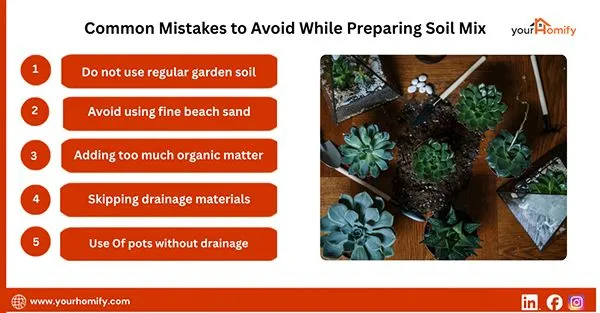
Using regular garden soil, fine beach sand, too much organic matter, skipping drainage materials, and using pots without drainage holes are common mistakes to avoid when preparing a soil mix. Let us explore this section in more detail.
- Do not use regular garden soil, as it is too heavy and compact for succulents. It drains slowly, restricts airflow, and keeps the roots wet for too long.
For example, a succulent placed in a potting mix that is too heavy will have mushy lower leaves within 2-3 weeks. This is a classic and early sign of root rot caused by excess moisture.
- Avoid using fine beach sand, as it compacts easily and reduces drainage. Always choose coarse sand or builders’ sand instead to prepare the mixture.
- Do not add too much organic matter. Excess compost, peat moss, or regular soil holds too much moisture, which increases the risk of root rot. Add mineral-based elements to improve drainage.
- Skipping drainage materials is one of the most common mistakes that beginners make. A soil mix without perlite, pumice, gravel, or coarse sand will increase waterlogging and root rot.
- Do not use pots without drainage holes. Even a fast-draining soil mix will not be able to remove excess moisture if there are no drainage holes.
Conclusion
To sum up, I can say that choosing the right cactus and succulent soil mix is important to set a healthy foundation for a plant. The ideal mixture should be fast-draining, well-aerated, with the right balance of organic and mineral-based elements.
By avoiding the aforementioned common mistakes and adjusting the soil mix as per the requirements of your plant, you can create an ideal growing environment for your succulents.
FAQs
What is the best soil mix for succulents and cacti?
The best soil mix contains 30-50% organic matter such as potting soil or coco coir and 50-70% mineral materials such as perlite, pumice, coarse sand, or gravel.
Can I use regular potting soil for succulents?
Regular potting soil is not ideal for succulents as it retains too much moisture. You can mix it with perlite or pumice to improve its quality.
Is cactus soil the same as succulent soil?
Cactus soil and succulent soil are very similar. They both are designed to drain water quickly. Cactus soil is slightly grittier and faster-draining than a general succulent soil mix.
How often should I change succulent soil?
Replace or refresh succulent soil every 2-3 years, or whenever it becomes compacted or shows signs of pests and diseases.
Which ingredient improves drainage in succulent soil mix?
Some of the best materials that improve drainage in succulent soil mix are perlite, pumice, coarse sand, or gravel.
- Soil Recipes – National Gardening Association
- Complete Guide To Cactus Soil – BBC Gardeners Magazine