


I have always enjoyed gardening, whether it is a vegetable garden or a balcony garden; it is a fulfilling experience. From choosing the plant to taking good care of it makes you learn a whole lot of new things. I was 12 when this journey started for me. Helping my father maintain the kitchen garden in the lawn taught me the basics of gardening.
The gardener’s journey does not end after planting a seed; witnessing the growth, maintaining good health, and a lot more work go into it.
However, before embarking on this journey, it is essential to be aware of some key garden care tips for maintaining a healthy and beautiful home garden.
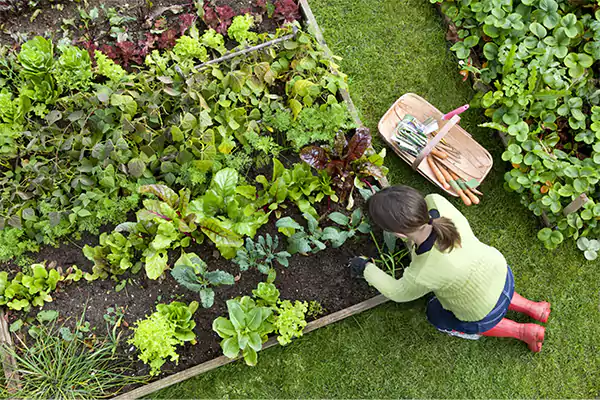
This blog is a comprehensive guide for people starting their gardening journey. Following these simple yet effective steps will transform your gardening experience.
What Are the Most Effective Garden Care Tips?
Maintaining a beautiful home garden is a rewarding process, but for that, you need to be aware of some basic gardening care tips that will help you in the long run.
Take a look at the 7 effective garden care tips:
Tip 1. Plant- Soil Compatibility
Get to know your soil type and the plants that can be grown on it.
This first crucial step helps in picking the plants for the garden. For e.g., Tomatoes should be grown on Sandy soil.
Tip 2. Stock up on Gardening Tools
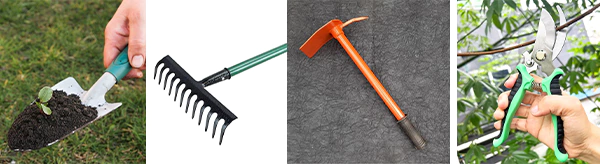
Gardening tools such as a hand trowel, a spade, and a wheelbarrow should always be handy because they make the whole process of gardening more efficient, less time-consuming, and safe.
Tip 3. Watering Requirements
Water the plants regularly with keeping the following do’s and don’ts in mind.
| Do’s | Don’ts |
| Water in the morning. | Watering at night could lead to fungal growth. |
| Use room temperature water | Using Cold water can shock the plant roots, damaging them. |
| Assess the soil and water only if dry | Don’t water frequently because it can lead to a shallow root system. |
| Keep in mind the plant’s water requirement | Over-watering can cause damage to some plants just like under-watering. |
| Water roots for better absorption | Do not sprinkle water on leaves, and avoid watering leaves on hot days. |
Every plant has different water requirements. It is essential to know what suits each plant and act accordingly.
Tip 4. The Right Fertilizer
Choosing the right fertilizer means providing adequate nutrition to the plants. Make sure to keep in mind the following things before choosing a fertilizer:
- Every plant has different requirements – understand the soil and the plant’s needs first.
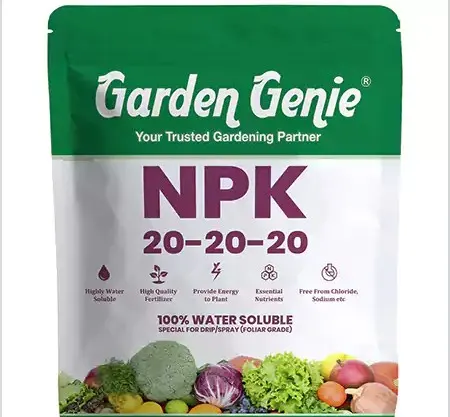
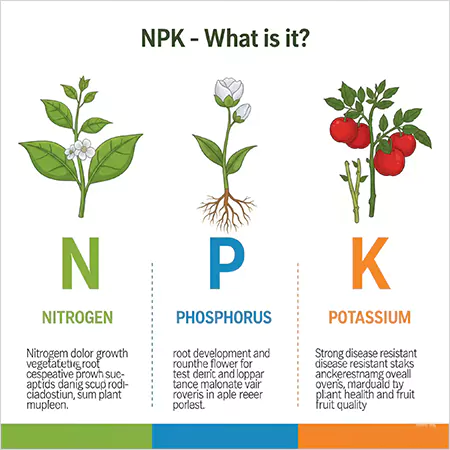
- N-P-K Ratio: Look for the N (nitrogen), P (phosphorus), and K (potassium) content on the packet before purchasing.

The 20-20-20 N-P-Khere means that the fertilizer contains 20% of all three macro-nutrients. Always check the label for the quantity that suits your specific needs. 
General UseBalanced FertilizerLeafy Plants High nitrogen content Flowering Plants High phosphorus content
Tip 5. Weed Removal
Removing the unwanted plants from the garden is known as weeding. It is done to prevent any sort of damage to the other plants and gives a cleaner look to the garden.
Take a look at the different ways to remove weeds:
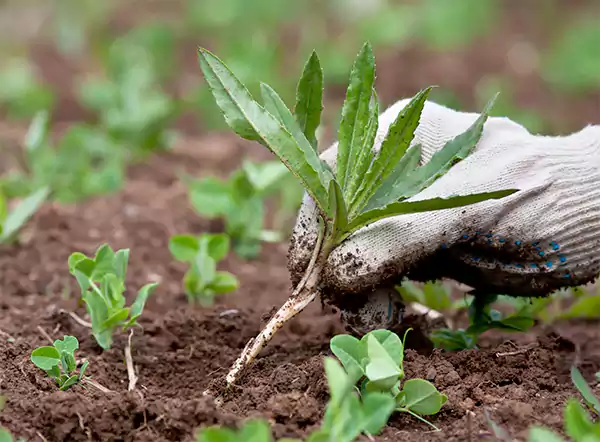
- Using Hands

The first one is the hand-pulling method, which is ideal for small gardens and should be done when the soil is moist. Wear gloves to protect against any sort of infection or injury.
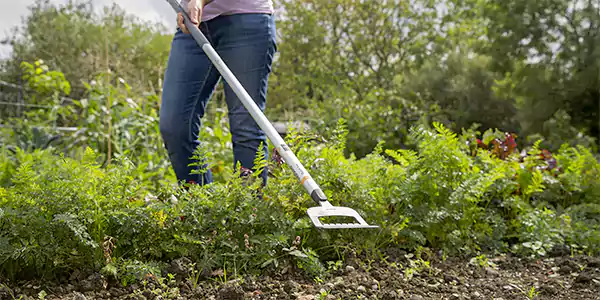
- Using a Hoe or any weeding tool

Using a garden Hoe is an effective and eco-friendly technique to remove weeds. It is ideally done on dry soil. Use a gentle pulling motion to remove the weeds below the soil line. The roots should be removed to prevent re-rooting. Maintain a good posture to avoid back strain.
- Using Herbicides

Herbicide is the chemical used to control unwanted plants in the field, so that they do not take up nutrients from other plants. It can either be applied before the emergence of weeds for safety or after they have emerged.
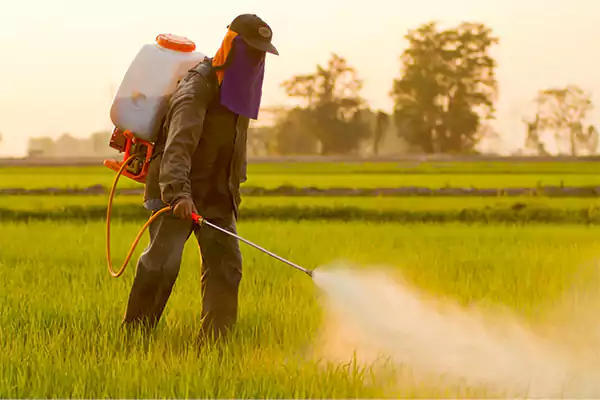
They are a cost-effective alternative compared to other ways. Manual labour and time can both be saved.
Tip 6. Regular Pruning
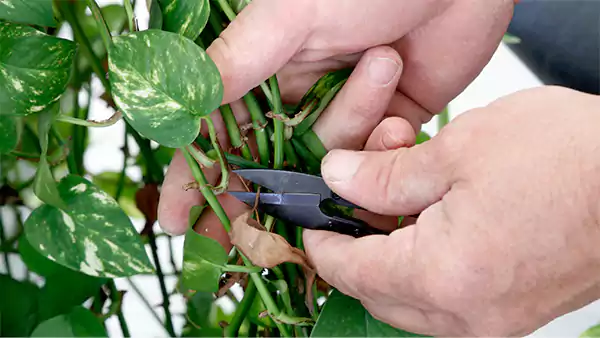
Pruning is the process of removing the dead, damaged parts of the plants in order to encourage new growth and better sun exposure.
These parts, if not removed, can hinder new growth. Pruning is beneficial both for the health and the aesthetic look of the plant.
Tip 7. Do not Overcrowd
Overcrowding will harm the life of your plants faster than you think. The excitement to have a lush green garden often leads to growing too many plants.
However, overcrowding will increase the competition for basic resources. This makes them prone to diseases. Mindful planting is necessary to avoid damage.
Concluding Remarks
Gardening started as a hobby for me. In this process, I have learnt how important it is to be mindful of small details about plants, which makes a huge difference in their growth.
Having a well-maintained garden is an easy task if the 7 essential tips are kept in mind. Be consistent and trust the process. Regularly monitor the plants and act accordingly.
Happy gardening!
How much should I water my garden?
The amount of water required by each plant is different and depends on various factors-soil, weather and plant requirements- but 1–2 inches per week is considered ideal.
When should I fertilise my garden?
Fertiliser should be applied before planting in spring and also during the growing stage. Keep in mind the soil type and plant requirements for the best results.
What is the best soil for gardening?
Loamy soil is the best soil for gardening because it holds nutrients and is moisture-retaining.

Planting Celosia: How to Plant, Grow & Care for Celosia
[…] the celosia planting steps and its different varieties, it is time to explore its maintenance and garden care tips. Let us quickly explore some of these in this […]
Learn How to Professionally Care for Your Lawn Plants
[…] you love to nourish plants and trees, you should know garden care tips. You can follow the tips given in the article; you’ll find this very […]