Cottage gardens are rural England-inspired garden designs that utilize different types of plants, flowers, and herbs to create an unorganised garden space. This design does not follow any rules of gardening, which gives the gardener a free hand to experiment with textures and colors.
Some popular flowers to use in cottage gardens are coneflowers, phlox, lavender, salvia, shasta daisy, sedum, yarrow, sweet alyssum, fountain grass, and coral bells.
If you are planning to create a cottage garden, come along as I share 7 popular cottage garden designs for beginners and experts alike with the best flowers and some designing tips.
Quick Answer
Cottage garden design is a popular garden design inspired by rural English life. This garden style uses a mix of different flowers to create layered and dense landscapes, which do not follow any particular structure. Some cottage garden flowers are coneflowers, phlox, lavender, salvia, shasta daisy, sedum, yarrow, alyssum, fountain grass, and coral bells.
What is a Cottage Garden Design?
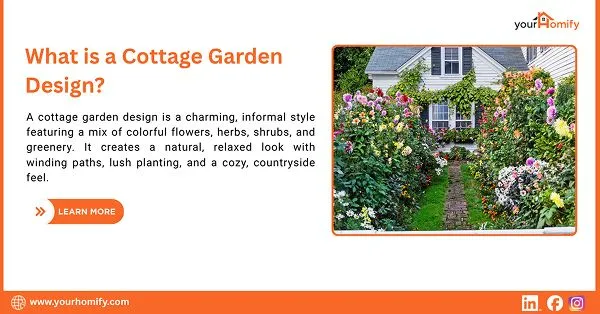
A cottage garden is an English garden style that incorporates different flower types to create an unorganized space that looks voluminous and colorful. This informal style of garden utilizes focal flowers, shrubs, and herbs, which come together and create an unorganized, unstructured garden.
Historically, cottage gardens were used to grow vegetables only. Later, in the 19th century, this garden style was popularized for decorative purposes. The purpose of these gardens was to create lush green spaces that did not follow a particular layout. In modern times, cottage gardens are popularly used around pathways with varying textures and colors, perfect for year-round interest.
7 Popular Cottage Garden Designs
Some popular cottage garden designs are pathways, fun garden elements, picket fences for boundaries, layered planting for depth, edible cottage garden, formal cottage garden, and pergola for vertical charm.
Take a look at these garden styles in detail with some design tips:
1. Add Pathways For Clear Structure
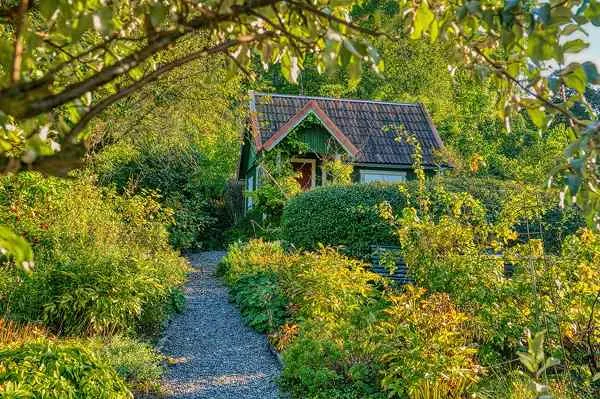
Pathways are one of the most important elements of cottage gardens. Use stones or gravel to create a curved pathway, which works best for a cottage garden style. Adding a pathway creates a proper structure in the landscape and segregates different parts of the garden.
It also makes sure that the plants are not damaged by walking and visitors have a clearly demarcated part to walk on without damaging their shoes. A pathway can be created using both stones and wood as per your style and preference.
2. Fun Garden Accessories for a Balanced Look
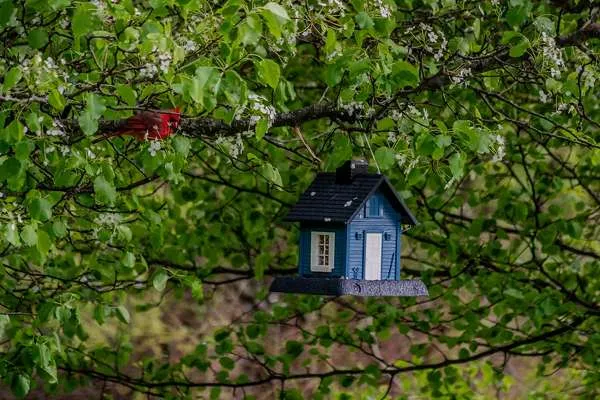
Incorporate some fun garden elements like a wheelbarrow, statues, vintage watering cans, or a birdhouse. These non-plant elements help create a balance in a cluttered plant area. Some of these elements can also work as a focal point decor, instantly catching the eye.
While the placement should be planned, do not aim for a perfect look, as the essence of a cottage garden still remains in its naturalness. I would personally suggest adding a birdhouse and pairing it with some climbing plants for a better look.
3. Picket Fences for Defined Boundaries
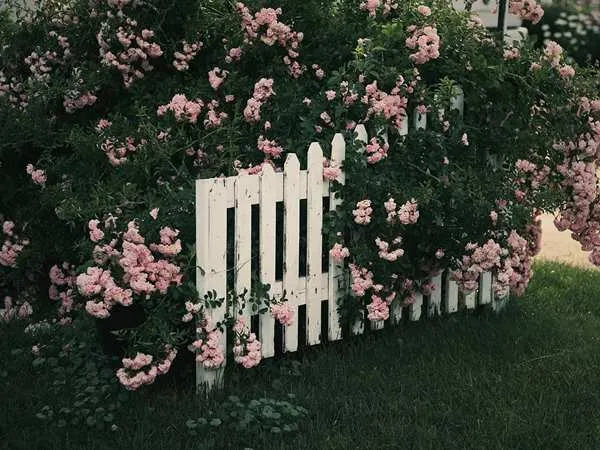
A white picket fence is traditionally used in cottage gardens and has both aesthetic and functional benefits. Picket fences give an English country style look to the garden, which is perfect for owners looking for a blend of 2 styles. Add low-level fences to the garden near the borders, especially near some climbing vines for support.
Adding fences defines a clear boundary and creates a proper structure. This also acts as a protective barrier, both for the pets and children.
4. Layered Planting for Visual Depth
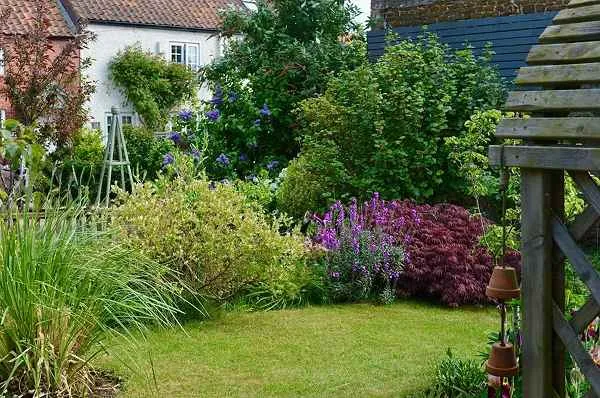
Layering is what gives the cottage garden the look it is created for. According to the BBC, there are various ways to design cottage gardens, like rows, drifts, grouped planting, and random planting. The best way to layer in a cottage garden is to divide the plants into 3 parts: taller varieties for visual height, mid-border plants for filling gaps, and ground cover for visual depth. Layering ensures the garden does not look flat and has various colors and textures, as if randomly planted.
5. An Edible Cottage Garden With Herbs and Vegetables
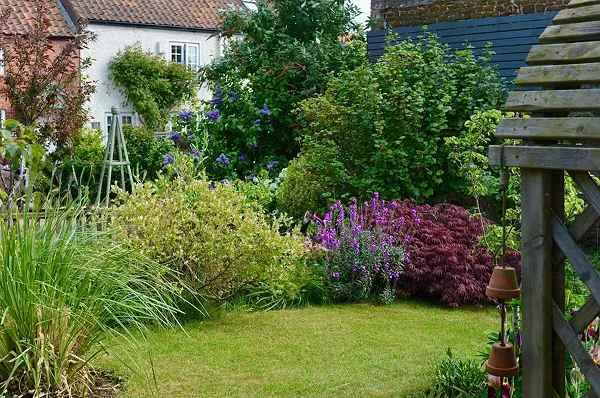
Traditionally, the cottage garden features edibles including herbs and vegetables. An edible cottage garden incorporates some flowers along with vegetables for continuous agricultural supply, along with maintained aesthetics. Some of the most commonly used vegetables in a cottage garden are Swiss chard, carrot, lettuce, French beans, and more.
The main purpose of adding these vegetables is functionality, but also ensuring they seamlessly merge with planted flowers. An edible cottage garden ensures beneficial pollinators visit the garden often due to the large amount of cultivated species. Secondly, it leads to more density of plants with various textures, giving it a more natural look.
6. Formal Cottage Garden for Proper Structure
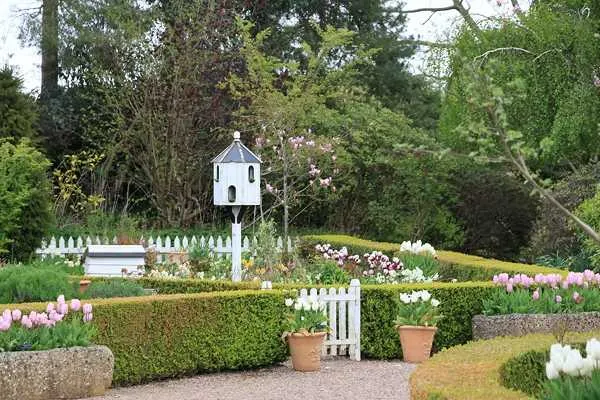
Formal cottage gardens are a combination of 3 elements: symmetry, balance, and boundary. This type of garden style incorporates geometrical shapes and lines to create a structured look. Like square garden beds, clear pathways, and properly demarcated fences. Unlike informal cottage garden styles, this design repeats patterns of colours and plants for a balanced look.
It requires proper planning, starting with selecting the right kind of plants and placing the garden accessories and focal points so they do not look out of place.
Design Tip
Use the 70:30 rule of gardening, which involves using 70% of foundational flowers for year-round use and 30% of seasonal blooms for added color and texture. It helps create a visual balance and ensures the arden does not collapse when fall arrives.
7. Add Pergola With Climbing Plants for Vertical Charm
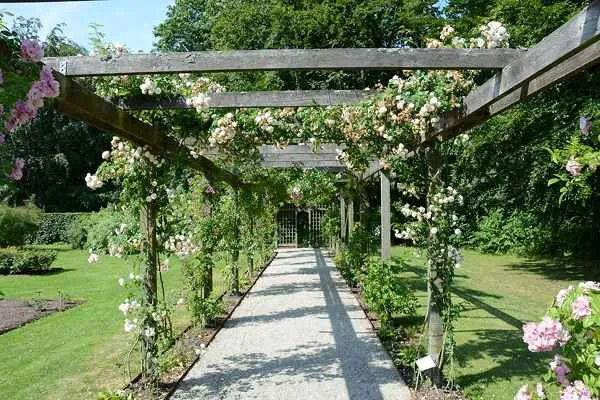
Pergola features 2 vertical posts supporting an open roof structure. Adding a pergola helps add a vertical accent to the garden while also supporting climbing plants. The rooftop of this structure traditionally lets partial sunlight through, which helps shade-loving plants.
A pergola also creates a sheltered space for visitors and a focal sitting area paired with some chairs. They are usually used as entry gates due to their defined structure, which gives the entire cottage garden a put-together look.
YourHomify
Start small while creating a cottage garden, as it can feel overwhelming at the start. A cottage garden requires regular maintenance, and given the different types of plants, creating a large garden can be hard to maintain.
10 Best Flowers for Cottage Garden Design
Coneflowers, phlox, lavender, salvia, shasta daisy, sedum, yarrow, sweet alyssum, fountain grass, and coral bells are some great options for cottage gardens due to their low-maintenance and versatile nature.
1. Coneflower
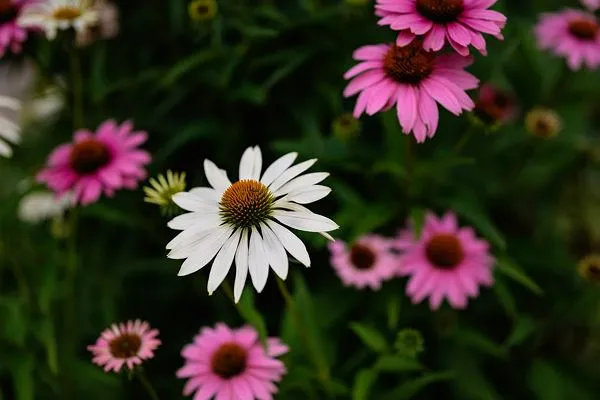
Coneflowers are a uniquely shaped herbaceous perennial flower. They grow up to 1-5 feet tall. The bloom size of these flowers ranges from 2 to 2.5 inches. These small flowers are named so due to their cone-like appearance. They grow small purple, daisy-like flowers, which are perfect to add a splash of color to your cottage garden design.
It has a distinct honey-like scent that helps it be a pollinator magnet and create a healthy ecosystem. The coneflowers can last up to 2 weeks in a vase with proper care.
2. Lavender
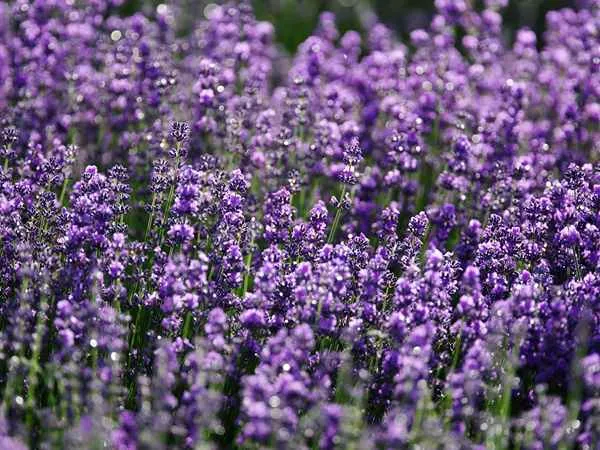
Botanically known as Lavandula, the lavender flowers are purple flowers from the mint family. These spike-like flowers grow as tall as 20-40 inches, with their flowers being 1-4 inches long. Lavender has a floral and woody fragrance, which makes it extremely popular as a wedding flower in cut flower arrangements. Due to their sweet fragrance, these summer flowers are also used in aromatherapy.
3. Phlox
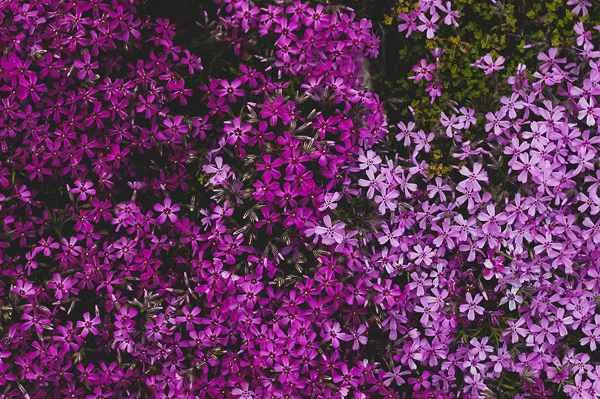
Also known as the garden phlox, this summer flower grows in both upright and creeping/mat-forming varieties with 1-inch-large flowers. Their height varies from 3 to 60 inches, depending on which variety you are growing.
With a strong, pungent fragrance, these flowers are a magnet for pollinators and hence perfect for garden styles like cottage gardens. They grow in various colors, ranging from magenta, blue, red, and white flowers, which are often visited by deer and rabbits.
The phlox flower’s meaning is associated with the idea of harmony and unity.
4. Salvia
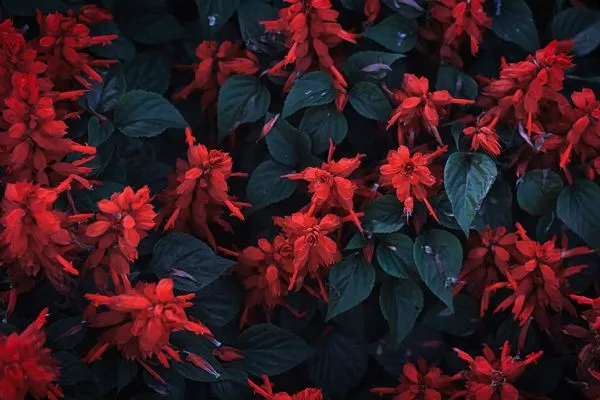
Salvia is a culinary herb from the mint family. These flowers look like lavender but are a different plant species from the same plant family. Salvia is a medical plant with anti-inflammatory and antioxidant properties. These flowers grow to 12 inches long, which varies as per species. These pollinator-friendly flowers are also deer-resistant and can be planted outdoors without any hassle.
They are associated with the idea of wisdom, healing, and longevity and can last up to 2 weeks in a flower vase. Salvia are generally used as filler flowers in flower arrangements. Their main use extends to aromatherapy due to the strong fragrance.
5. Shasta Daisy
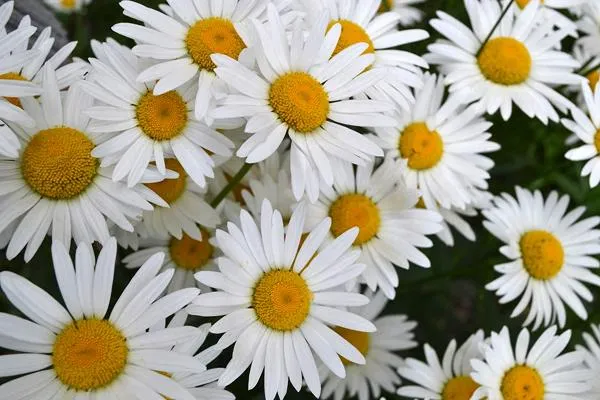
Shasta daisies are a part of the daisy family and feature a central yellow disk in the center of small, 2-5 inches large white flowers. They grow up to 2-4 feet tall and are grown as mid-border plants in cottage gardens. These pollinator-friendly flowers are associated with the idea of purity and innocence. They are used as long-lasting cut flowers, lasting for more than 2 weeks in a flower vase.
6. Sedum
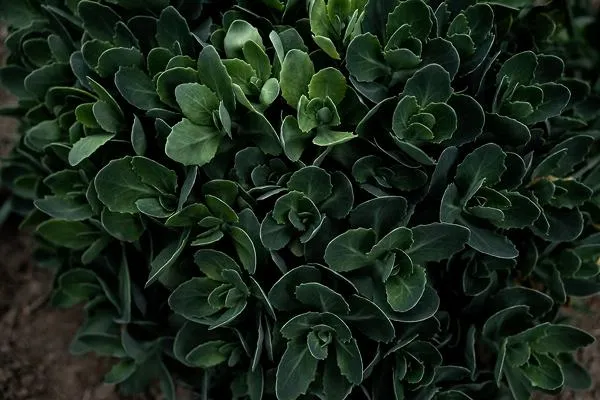
Sedum is a type of succulent, which is also known as stonecrop. It grows as tall as 24 inches with a less than 1 inch diameter and is used as a mat-forming, creeping plant for ground cover. It produces clusters of small pink flowers that are drought-tolerant and pollinator-friendly.
They are often associated with the idea of resilience as they withstand harsh growing conditions.
7. Yarrow
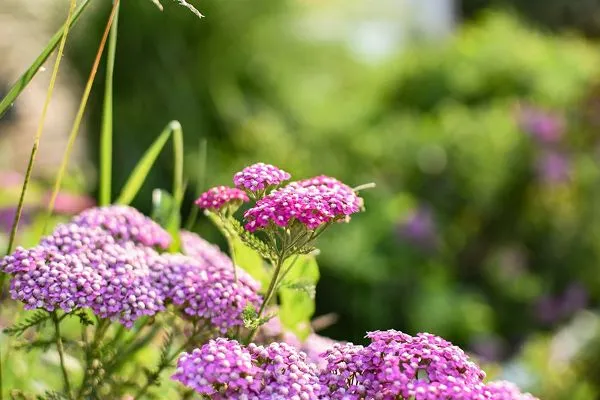
Yarrow is a member of the daisy flower family, which grows a cluster of small yellow flowers. These cottage flowers grow up to a height of 1-3 feet, with their flowers being less than 1 inch. With a calming, herbal scent, the yarrow is also used in herbal medicine and has anti-inflammatory properties.
The yarrow flowers are associated with the idea of healing and protection due to their medicinal uses. In the Victorian era, these flowers were symbolic of everlasting love and loyalty. These herbaceous perennial flowers come back every year and last up to 15 days in a flower vase.
8. Sweet Alyssum
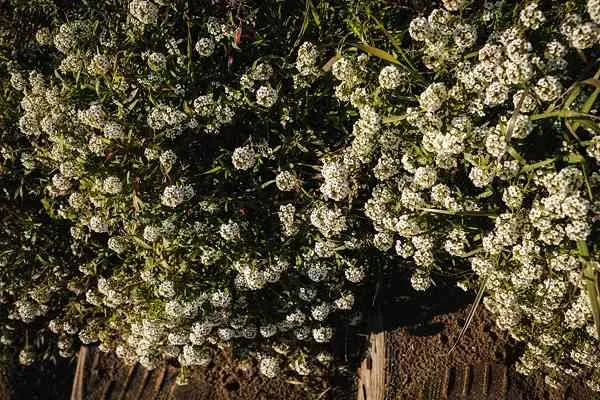
Sweet alyssum is a herbaceous perennial from the Brassicaceae family. These cottage flowers grow up to 3-12 inches, with their flowers being 1 inch. large. These clusters of white flowers have a honey-like scent, which is great for mixed garden borders and flower arrangements for weddings.
The sweet alyssum flower meaning is associated with the idea of emotional balance. These flowers are mainly used in gardens and landscaping but can last up to 7-14 days in a vase.
9. Fountain Grass
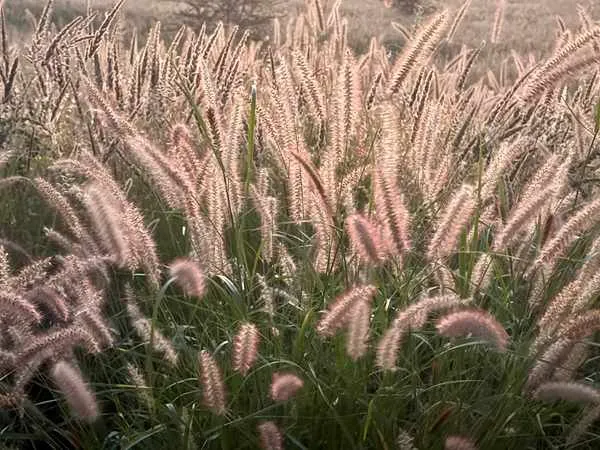
Fountain grass bottle brush life, feathery flowers from August to October, which are used in mixed garden borders as a focal flower and fall accent.
These flowers grow up to 3-4 feet and are perfect to add layer and texture to your cottage garden.
Fountain grass is associated with grace and abundance. They are not commonly used as cut flowers and are not planted for landscaping purposes.
10. Coral Bells
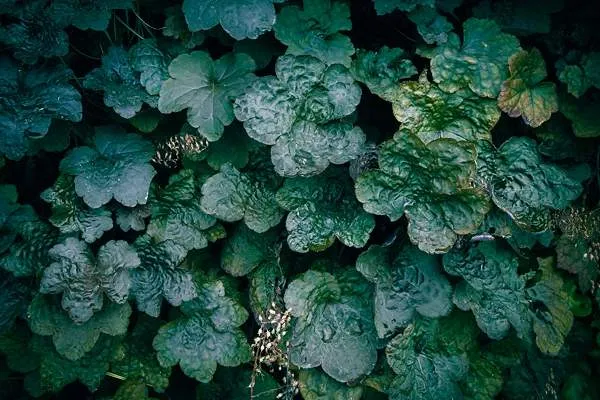
Coral bells are used as ground cover plants in cottage gardens. The coral bells are famous for their large ruffled leaves and bell-shaped flowers, which are a magnet for pollinators. They grow up to 1-3 feet tall with flowers less than 1 inch in diameter. They have a sweet fragrance and are associated with the meaning of beauty, protection, and grace.
Concluding Remarks
To summarize, the cottage garden is one of the most effortless garden designs. It gives the outdoor space an unstructured look, which seems natural but requires proper planning and execution. Selecting a site, proper plants, creating layers, and proper maintenance work together to create the final look you are aiming at.
Use flowers like lavender, fountain grass, yarrow, coral bells, and coneflowers, as they are popular in cottage gardens. Make sure the flowers are well-maintained and pruned regularly for a better shape.
FAQs
What is a cottage garden design?
A cottage garden is a garden design used with different flowers, plants, and herbs to create a messy, unstructured landscape resembling rural England.
What are the best flowers for a cottage garden?
Coneflowers, phlox, lavender, salvia, Shasta daisies, sedum, and yarrow are some flowers for cottage gardens.
What is the first step to designing a cottage garden?
The first step to designing cottage gardens is choosing a location and theme according to your taste and then selecting plants based on that.
How long does it take to create a cottage garden?
With the different types of plants used, it usually takes 2 years for the garden to complete its look.
What is the 70:30 rule in gardening?
The 70:30 rule in gardening is to use 70% of foundational plants, which are hardy enough to support the garden throughout the year, and 30% of flowers, which provide the seasonal charm with their colours and textures.
- 12 key plants for a cottage garden– BBC Gardeners World