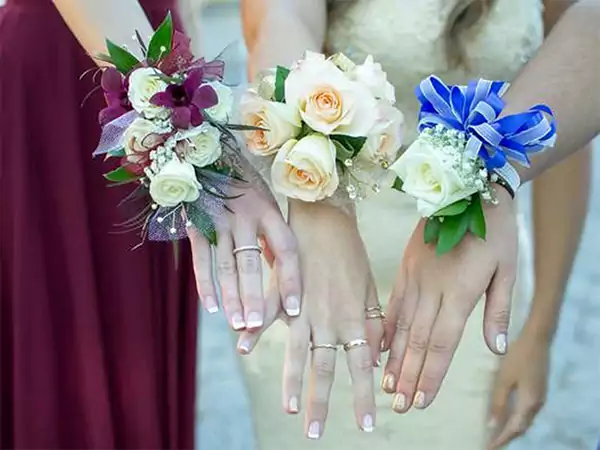
Whenever I think of a classic floral accessory, corsages or buttonholes always come to my mind. Choosing the right flowers in a corsage can instantly add beauty, vibrancy, fragrance, and personality to your whole look or celebration.
Additionally, whether you prefer romantic roses or delicate orchids, there are many options to choose from. In this article, I will walk you through 15 stunning flowers that are perfect for making alluring corsages.
Quick Answer
Roses, orchids, peonies, asters, chrysanthemums, wax flowers, lilies, and carnations can be used to make corsages. To ensure that the corsages and buttonholes last longer, mist the flowers and store them in the refrigerator.
Flowers in a Corsage – 15 Best Blooms That Can Be Used
Choosing the right flowers for a corsage involves more than just matching colors with the attire. It is about achieving a perfect balance between aesthetics and blooms that last a long time.
Here is a list of the 15 best flowers that can be used to make beautiful corsages.
Roses
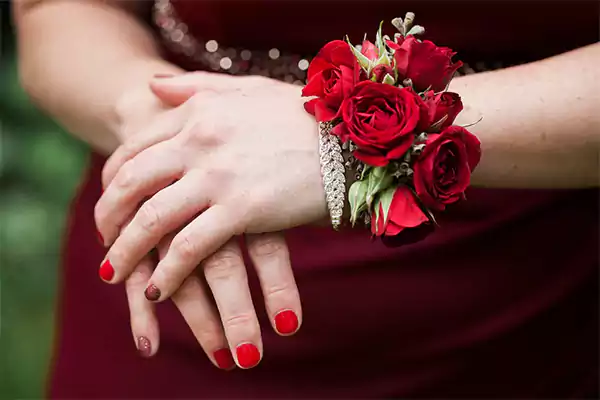
Roses are one of the most popular choices for corsages because of their stunning appearance and romantic appeal. The hardy stems of the bloom can handle the wear and tear. Generally, spray roses are used because of their small size and mild scent.
Orchids
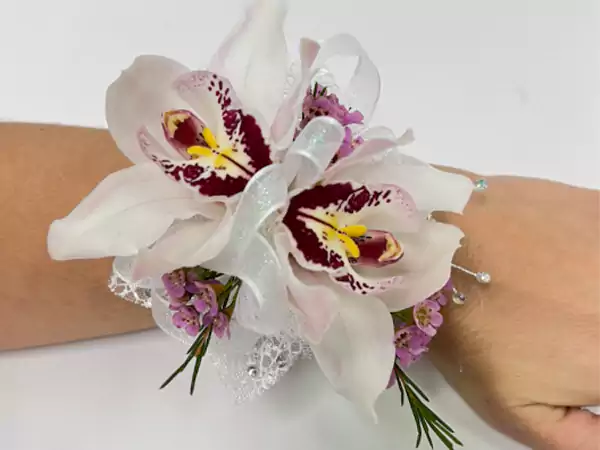
One of the main reasons for using orchids in corsages or floral decor is their extensive range of colors. This tropical flower creates an elegant look and also lasts a long time, keeping your corsages or wrist bracelets looking fresh. Due to the velvety texture of the blooms, they are often pinned directly onto the garment.
Lilies
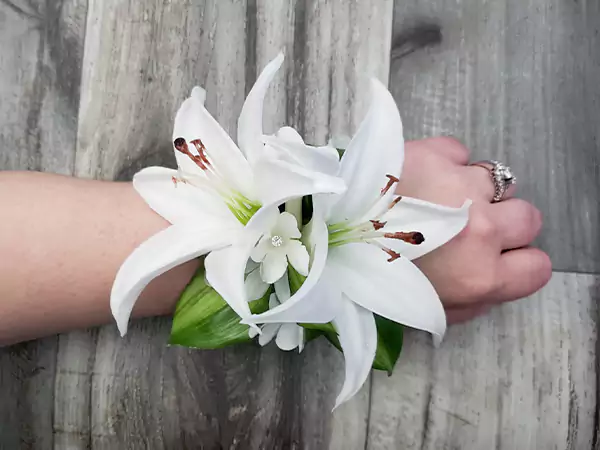
Just like orchids, lilies also come in a wide range of shades. Asiatic Lily is one of the most common types used to make corsages because of its exotic look. The trumpet-shaped blooms never fail to make a statement and are known for their sleek, minimalist elegance. I suggest using lilies with longer stems for easier draping.
Carnations
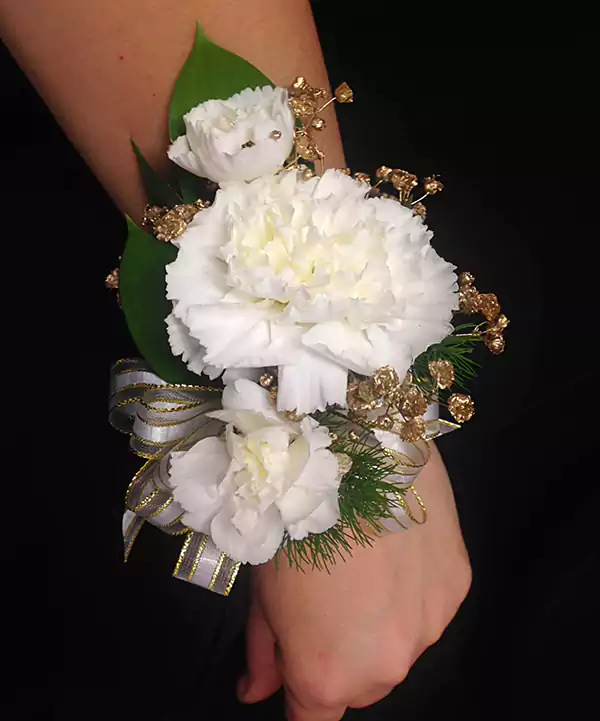
Carnation flowers are highly durable and affordable, so they are widely used to make bouquets, corsages, or boutonnières for various occasions. These are often found in nearly every color, but the ruffled varieties are mostly used to add modern texture to any arrangement. The mild fragrance of the blooms also adds a refreshing flair.
Asters
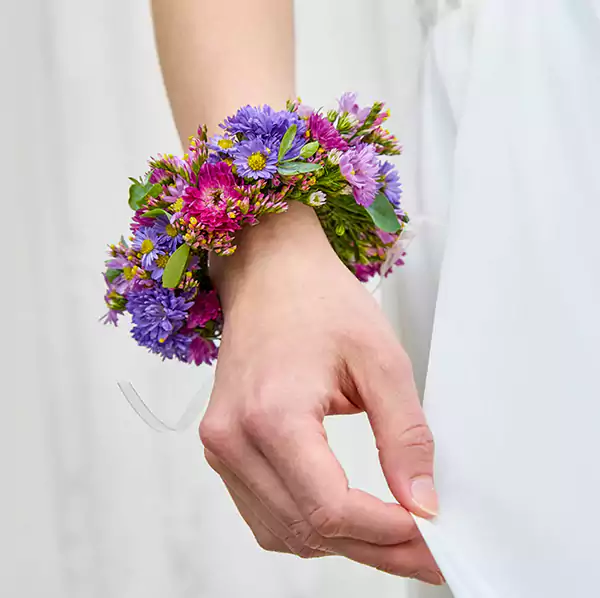
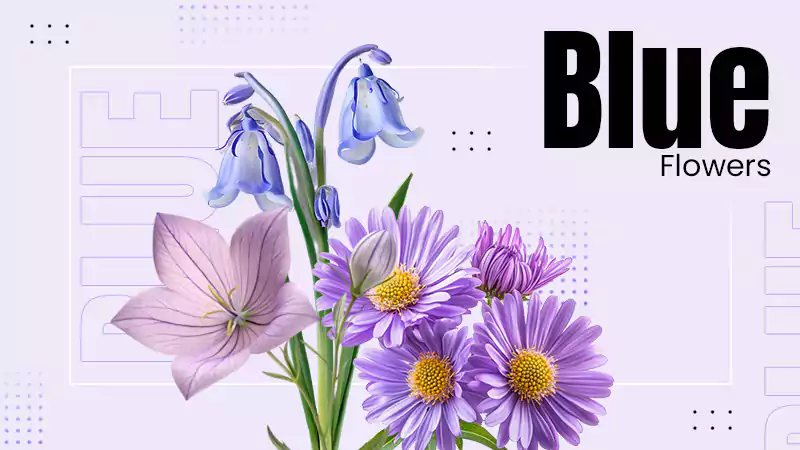
Aster flowers are perfect for making corsages, as they are best made with smaller, manageable blooms. The tiny blooms cascade down the wrist and look absolutely stunning. Since Asters are said to have a longer vase life, they can remain fresh for longer hours during an event. These are best paired with the baby’s breath to give a fuller effect.
Daisies
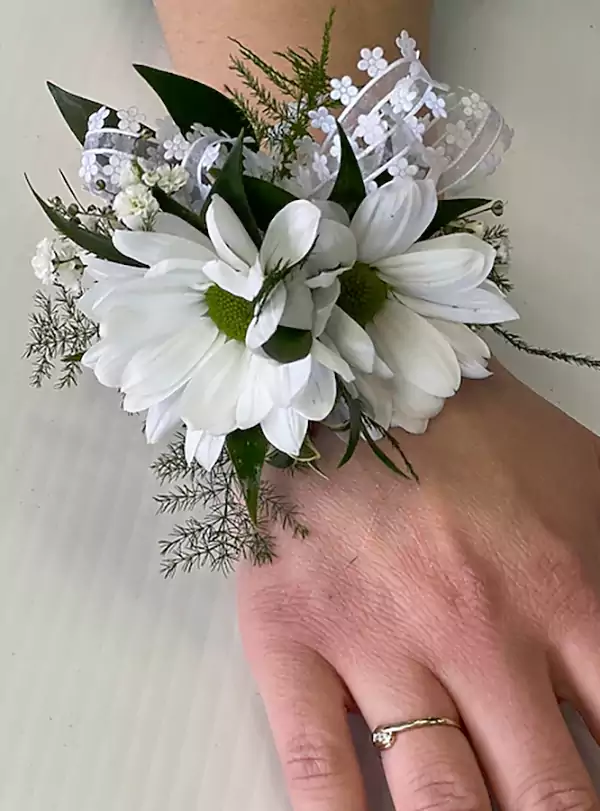
If you want to add a cheerful elegance to your look, wearing a beautiful Daisy corsage may be the perfect choice. Known for their stunning white petals and vibrant yellow centers, daisies add a youthful, fun, and optimistic element to any occasion. Gerbera Daisy, also known as the Easter Flower, is most commonly used in bouquets and corsages.
Snapdragons
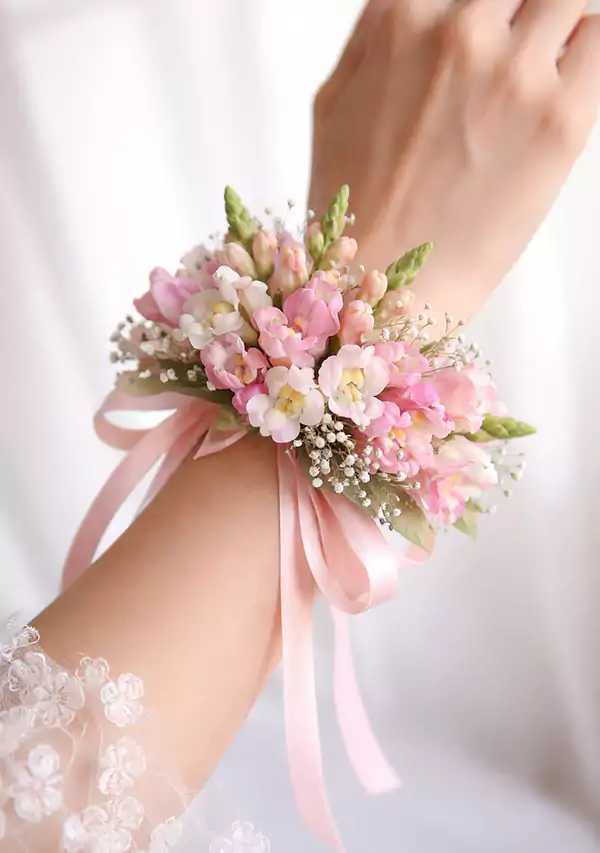
Snapdragon corsages are popularly worn at wedding functions, prom nights, or at any other special events, as these flowers symbolize grace and strength, making them a meaningful addition to the whole look. For a minimalist yet chic look, single floret stems of this bloom are used and are often paired with roses.
Peonies
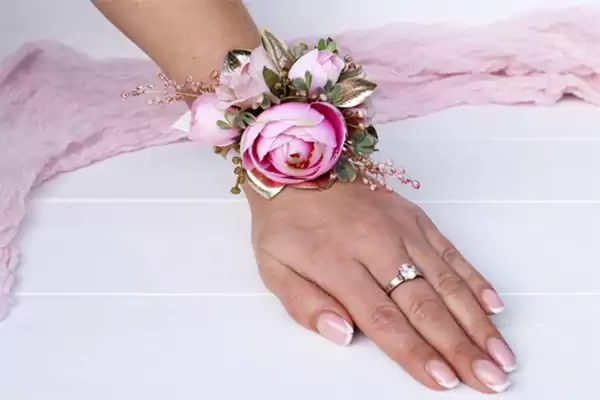
In general, Peony flowers are too big and delicate for boutonnieres and corsages; therefore, these are not widely used for this purpose. If you wish to add a bold pop of color and a romantic vibe to your look, consider using tiny, tight buds of the bloom. I prefer combining peonies with eucalyptus for a more ethereal look.
Hydrangeas
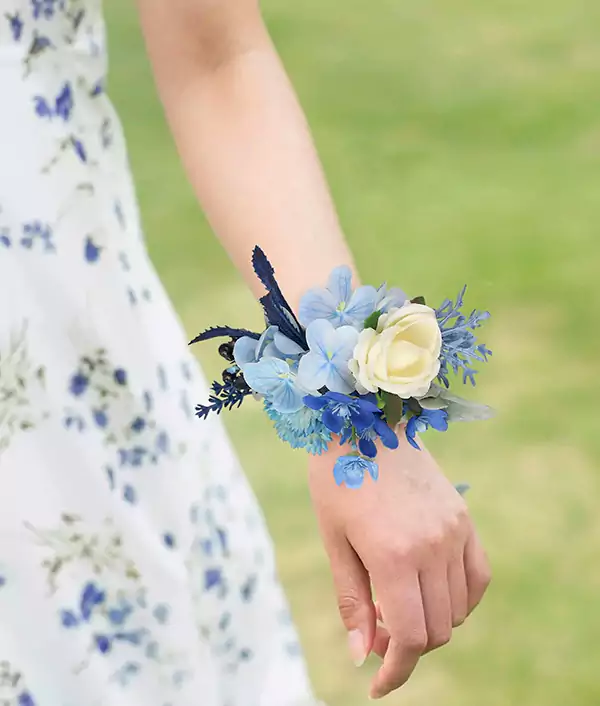
Hydrangeas are popularly used to make bouquets. The Limelight Hydrangea blooms are typically used to make buttonholes and are often pinned on the left side of the tuxedo or any formal men’s attire. I like how the flower is found in so many alluring hues and tends to add drama to your whole vibe. Often paired with baby’s breath to give a classic filler look.
Cala Lilies
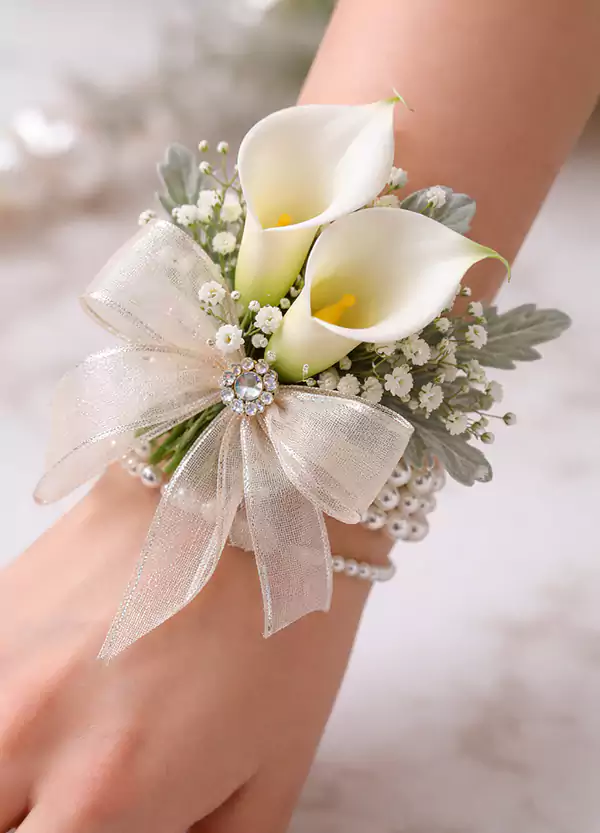
The trumpet shaped blooms of the genus are often directly pinned to the garment for a striking, bold look. A corsage made up of Cala Lilies is the epitome of minimalism and sleep sophistication. Since the blooms of the genus are highly durable, they are one of the most common flowers in a corsage.
Chrysanthemums
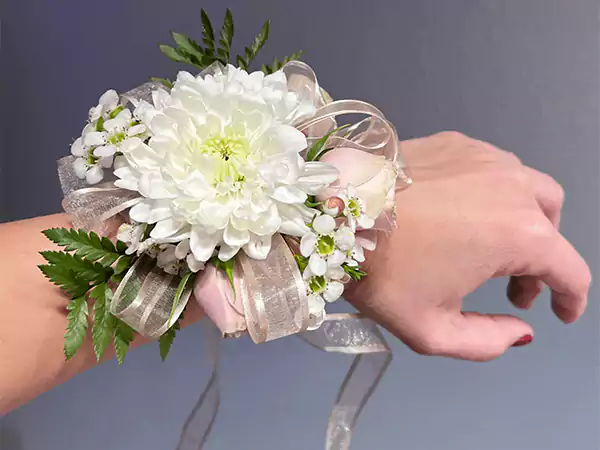
Chrysanthemums are one of the most classic choices for making corsages. The lush and vibrant blooms have a long history of being used in floral arrangements. It is found in so many stunning shades and shapes and catches attention for all the right reasons. These are my personal favorites for making corsages or buttonholes.
Wax Flower
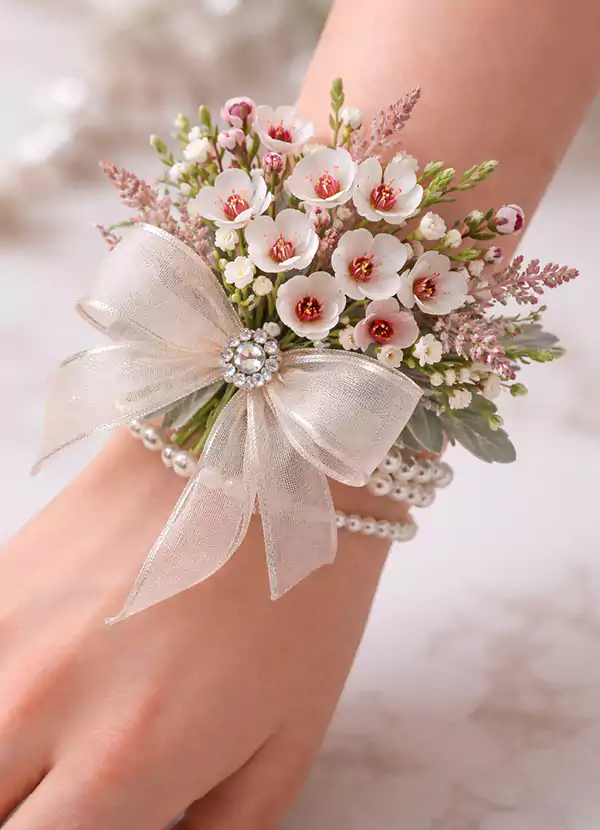
Wax flowers are charming species with tiny blooms and a waxy appearance, often used as accent flowers. Some of the commonly found shades are light pink, white, butter yellow, and lilac, which make your overall look even more defined and chic. Since the blooms are long-lasting, they are most commonly used to make buttonholes and corsages.
Cherry Blossoms
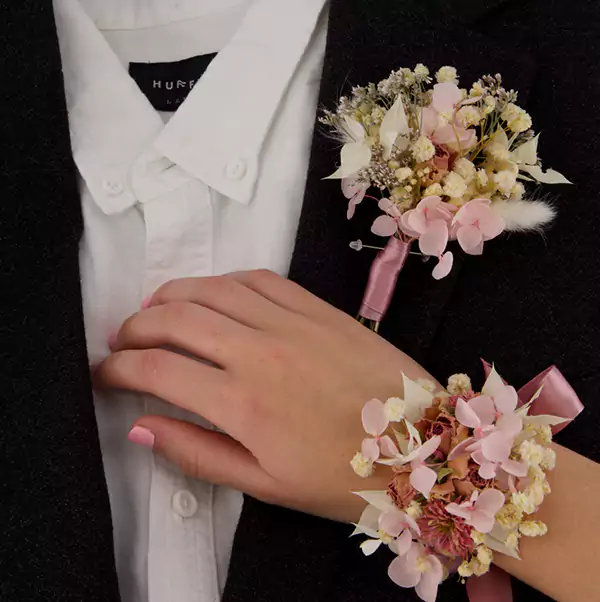
Cherry Blossoms are the most famous flowers used to make corsages specifically for prom nights. The flower perfectly captures the fleeting beauty of spring and is primarily selected for spring weddings and other cultural celebrations. As Cherry Blossoms symbolize renewal, hope, and a fresh start, they are also adorned to give a personal touch to any attire.
Gardenias
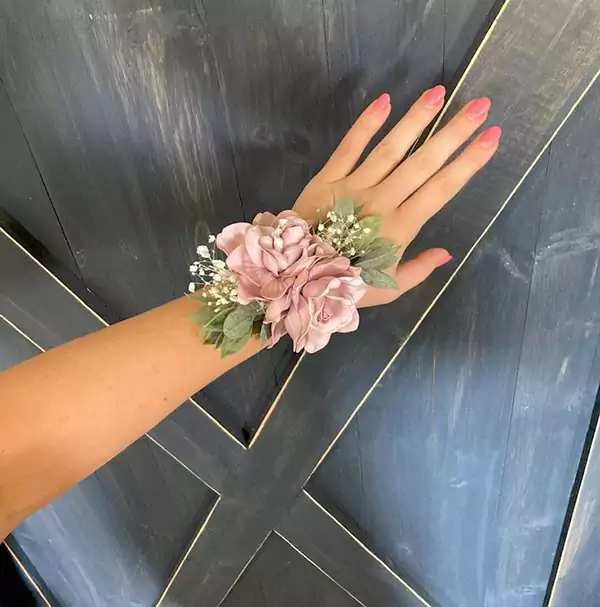
Gardenia is a popular Hawaiian flower that mostly bears creamy white blooms and smells heavenly, symbolizing purity and innocence. For many formal events, this bloom was often a prestigious choice, and in many different cultures, gardenia corsages were reserved solely for the mothers of the bride and groom, signifying honor and grace.
Freesias
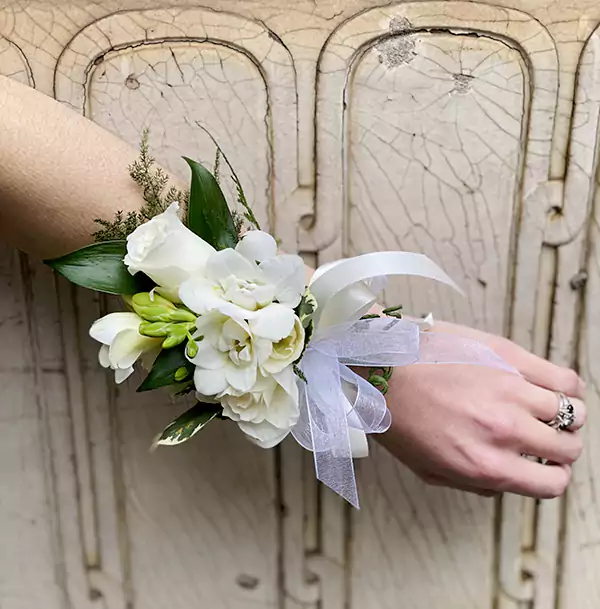
The delicate appearance, yet the surprising sturdiness of Freesia flowers make it a perfect choice for corsages. Its light, peppery-sweet scent that is refreshing without being overpowering is one of the top reasons it is widely used for boho bridal parties. Because the blooms are lightweight, they are comfortable to wear on wrists for long hours also.
How to Keep Flowers Fresh in a Corsage?
When I make or wear a corsage, I want the flowers to stay fresh, vibrant, and beautiful for as long as possible. With the right care and a few simple steps, I can extend the life of the blooms and prevent them from wilting too quickly.
Let us see how to keep flowers in a corsage fresh and alive for a longer period.
- Keep the Corsage Refrigerated: One of the easiest ways I keep flowers fresh is by placing the corsage in the refrigerator. The cool temperature slows down the aging process and helps the flower retain moisture.
- Lightly Mist the Corsage: Flowers in a corsage often lose moisture over time, so I gently mist the corsage with a little water using a spray bottle. Avoid soaking the blooms because too much water can damage the petals.
- Store the Corsage in a Container: Keeping the corsage protected prevents the flowers from getting crushed or damaged. Place it in a plastic container with a loose lid. Line the container with a slightly damp paper towel for humidity.
- Use Fresh and High Quality Flowers: The freshness of the flowers in a corsage matters a lot. Blossoms that are already starting to wilt will not last long. If you are wondering what flowers last the longest in a corsage, Orchids, Spray Roses, Carnations, and Mums are the answer.
Keeping flowers fresh in a corsage does not have to be difficult. By following these simple tips and tricks, I make sure that the flowers used in my corsage remain fresh and fragrant for a longer period.
How to Make a Wrist Corsage?
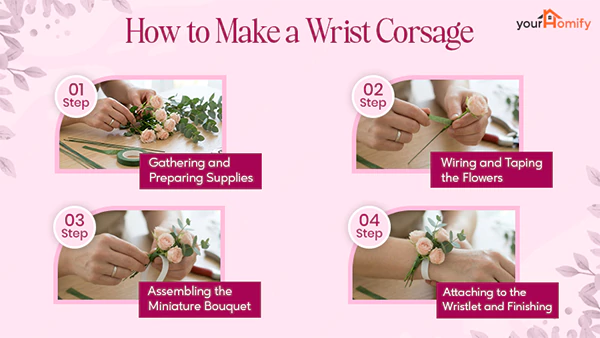
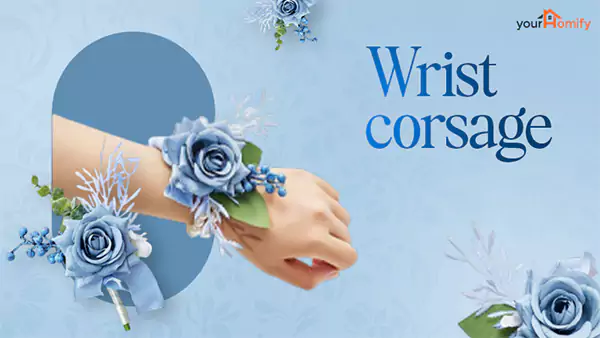
If you are planning to add a floral accessory to your look, there is nothing better than a wrist corsage. But, if you are also confused and want to know how many flowers in a corsage or how to make one, you have reached the right space.
- Before you start, make sure you have all the necessary supplies. Fresh flowers, small filler flowers, floral wire, tape, ribbon, cutters, and hot glue are all you need.
- The first thing is to prepare the flowers so they are easy to arrange. Trim the stems to about 1-2 inches. Remove extra leaves or any damaged petals and keep only the freshest blooms.
- Wiring the flowers gives them support and keeps them secure in the corsage. Insert the floral wire through the base of the flower stem. Bend the wire downward along the stem. This creates a sturdy base for arranging the flowers.
- Arrange the main flower that you wish to use in the corsage along with the tiny filler blooms, in a bouquet form. Layer everything on a flat green leaf and position it roughly how you want it to sit on your wrist.
- Secure the arrangement. Once you are happy with how the corsage looks, wrap the stems together. Use the floral tape to bind the stems tightly and trim any extra parts for a clean look. This makes the corsage look polished and elegant.
- Finally, attach the corsage to a wristband. Glue the flowers onto the ribbon or band using a hot glue gun, or wire the arrangement directly to the bracelet.
Making a corsage is a fun and creative process. Rather than buying from outside, I prefer making one for myself as I can arrange the flowers as I wish and choose the bloom as per my mood or aesthetics.
Once you learn how to make a wrist corsage, you can customize it, choose your favourite flowers or ribbon as per the celebration.
Conclusion
Now that I have explored the 15 best flowers that can be used to make a corsage, it is clear that there are many stunning options to choose from. From classic roses to elegant orchids, each bloom has its own charm and personality. By choosing the right flower, you can create a corsage that matches perfectly with the outfit, the theme of the party, and the overall vibe of the space.
FAQs
What flowers are commonly used to make a corsage?
The most popular flowers in a corsage include roses, carnations, orchids, lilies, chrysanthemums, and peonies. Baby’s Breath is a commonly used filler plant in floral arrangements. These are mainly used because they are durable, elegant, and hold their shape well.
What is the best flower for a corsage?
Roses and orchids are often considered the best flowers to make a corsage because they look elegant, last long, and suit many occasions, such as weddings, prom nights, birthday parties, or baby showers.
How long do flowers in a corsage last?
Fresh flowers in a corsage last for up to 6-12 hours during an event. If stored in a refrigerator or the blooms are misted frequently, it may last a day or two.
What size flowers are used to make a corsage?
Small to medium-sized blooms are ideal for making a corsage since they are lightweight, comfortable to wear, and visually balanced.
Can you use artificial flowers in a corsage?
Yes, artificial flowers or silk flowers can be used to make a corsage as an alternative to fresh flowers. They last longer, require no refrigeration, and can be reused for other events also.
Guide to Corsage flowers – Hello Flowers! Singapore