


Flowers that start with Z have always been under-represented in the gardening world. Most of us are unaware of any flowers other than zinnia. For the longest time, I thought the list was not as interesting as any other alphabet. Still, to my surprise, it introduced me to flowers that are elegant and fragrant and perfect for adding colour and texture to the landscape.
If you are also a curious gardener like me, come along and explore the 15 flowers that start with Z with their features and growing guide — and once you’ve reached the end of the alphabet, why not start over with the flowers that start with A?
Quick answer
The flowers that start with Z are zinnia, zabelia, zebra iris, zebra mallow, zenobia, zingiber, zingadenus, zantedeschia, zephyranthes, Zephrine Drouhin, Zinfindoll, Zivia paperwhite, zizia, zygocactus and zygopetalum, which can be used as popular garden flowers or as ornamental cut flowers.
List of 15 Flowers That Start With Z
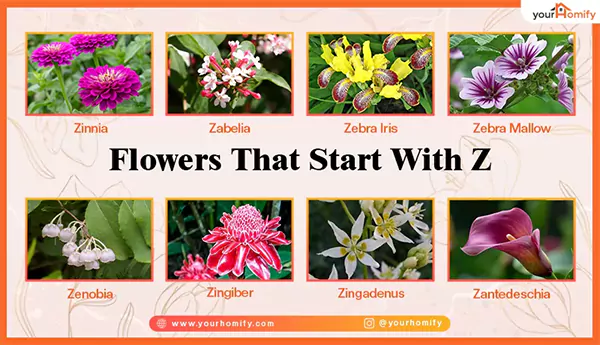
This list of flowers provides all about flowers that start with a Z, from their unique features to care guides.
Take a look at 15 flowers that start with Z:
- Zinnia
- Zabelia
- Zebra Iris
- Zebra Mallow
- Zenobia
- Zingiber
- Zingadenus
- Zantedeschia
- Zephyranthes grandiflora
- Zéphirine Drouhin
- Zinfin Doll
- Ziva Paperwhite Narcissus
- Zizia
- Zygocactus
- Zygopetalum
1. Zinnia
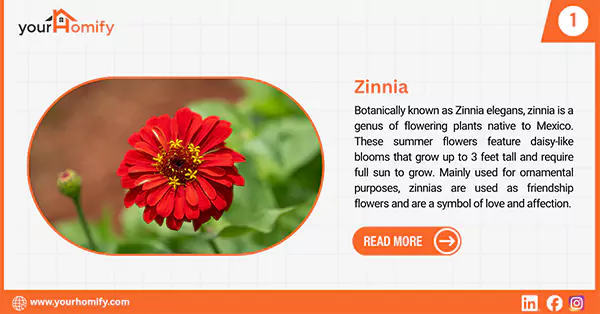
- Botanical name: Zinnia elegans
- Native Area: Mexico and Southwestern America
- Height: 1-3 feet
- Hardiness Zone: USDA zones 9-10
- Flower Colour: Orange, yellow, pink and red
- Bloom Time: Summers
- Plant Type: Herbaceous annual
- Soil Type: Well-draining, sandy and loamy soil
- Maintenance: Low
Zinnia is a genus of flowering plants that is rewarded for its showy, daisy-like flowers, which bloom and are widely planted in garden beds and borders. These summer flowers can be planted both indoors and outdoors, in full sunlight and consistent moisture.
Also used as a friendship flower, zinnias are drought-tolerant and deer-resistant and attract a variety of pollinating insects to the garden, making it ecologically beneficial.
According to the ASPCA, the zinnia flower is considered non-toxic for pets.
2. Zabelia
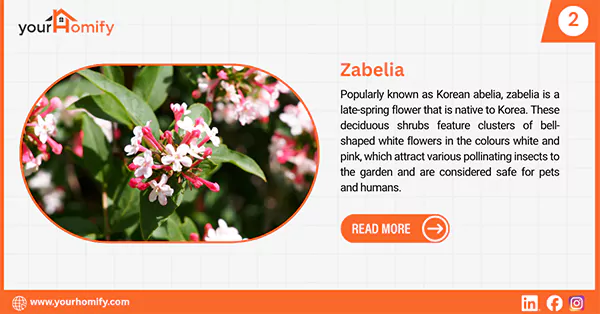
- Botanical name: Zabelia tyaihyoni
- Native Area: Korea
- Height: 4-6 feet
- Hardiness Zone: USDA zones 5-9
- Flower Colour: White and pink
- Bloom Time: Late spring
- Plant Type: Shrub
- Soil Type: Sandy and loamy soil
- Maintenance: Low
Also known as the Korean abelia, this plant is a deciduous shrub that belongs to the Caprifoliaceae family and features clusters of bell-shaped white flowers that are a magnet for pollinating insects and birds.
Best grown in full sun around garden hedges, these spring flowers are considered non-toxic for pets and humans and are also considered rabbit- and deer-resistant, which makes planting hassle-free.
3. Zebra Iris
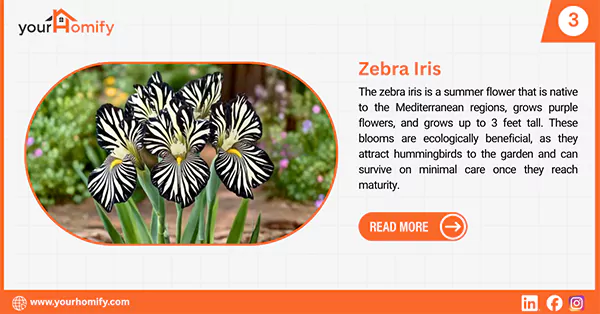
- Botanical name: Iris pallida ‘Variegata’
- Native Area: Eastern Mediterranean
- Height: 2-3 feet tall
- Hardiness Zone: USDA zones 3-9
- Flower Colour: Blue, Purple, Lavender
- Bloom Time: Summer
- Plant Type: Rhizomatous
- Soil Type: Well-draining sandy loam soil with slightly acidic pH
- Maintenance: Low
The zebra iris is a rhizomatous perennial from the iris family, which grows fragrant purple flowers that have a distinct grape jelly- and vanilla-like scent.
Perfectly complementing the purple flowers are its sword-shaped leaves, which add a unique look to the space.
These deer-resistant flowers need full sun and moderate watering to thrive, as they are drought-tolerant once established. It is never a waste to plant these elegant flowers in the garden, as they are a magnet for hummingbirds, which helps in maintaining garden health.
4. Zebra Mallow
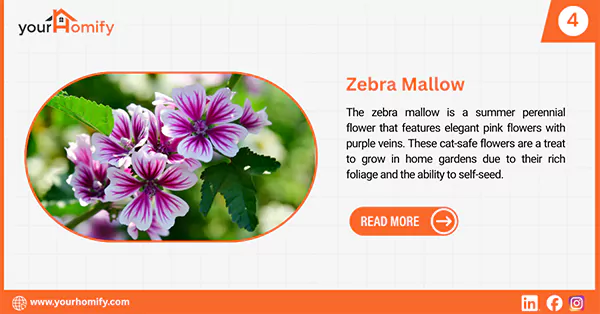
- Botanical name: Malva sylvestris ‘Zebrina’
- Native Area: Europe, North Africa and Asia
- Height: 2-4 feet
- Hardiness Zone: USDA zones 4-8
- Flower Colour: Pink
- Bloom Time: Summer
- Plant Type: Herbaceous perennial
- Soil Type: Chalky, sandy and clayey
- Maintenance: Low
Popularly known as common mallow, zebra mallow is a member of the Malvaceae family that grows small bowl-shaped pink flowers with purple veins on them.
The ideal growing conditions of these summer flowers are under full sun with regular watering, either in cottage gardens or as indoor plants. These cat-safe flowers have the ability to self-seed and should be propagated every 3-4 years.
5. Zenobia
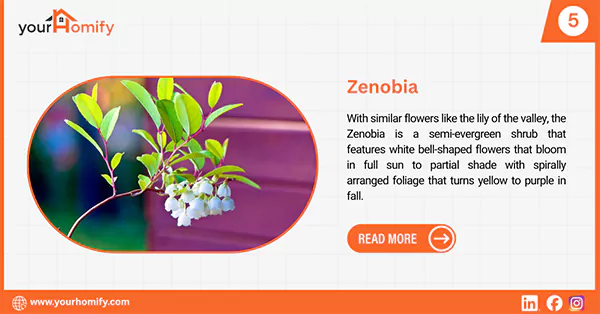
- Botanical name: Zenobia pulverulenta
- Native Area: South America
- Height: 2-6 feet
- Hardiness Zone: USDA zones 6-9
- Flower Colour: White
- Bloom Time: Spring to summer
- Plant Type: Evergreen shrub
- Soil Type: Slightly acidic, humus-rich soil
- Maintenance: Low
Zenobia is the only species in the Zenobia genus in the Ericaceae family and has a similar appearance to the lily of the valley flower, with its bell-shaped white flower facing downwards. The foliage of these spring flowers is spirally arranged and turns from yellow to purple in the fall, which enhances the look of the plant even more.
These deciduous evergreen shrubs are best grown in full sun to partial shade with consistent moisture and regular pruning.
6. Zingiber
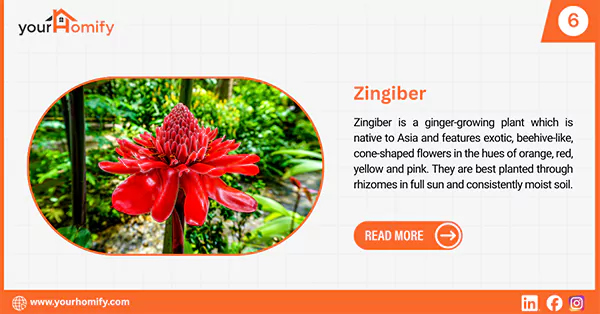
- Botanical name: Zingiber spp.
- Native Area: Asia
- Height: 2-6 feet
- Hardiness Zone: USDA 7-10
- Flower Colour: Pink, orange and red
- Bloom Time: Summer
- Plant Type: Herbaceous perennial
- Soil Type: Well-draining soil rich in organic matter
- Maintenance: Low
Part of the Zingiberaceae family, zingiber is an exotic, cone-shaped flower similar to beehives. Grown in the colours pink, red and orange, these flowers are grown through rhizomes and feature maroon flowers.
These flowers are best grown in partly shaded gardens using rhizomes, and grow the ginger which is used in cooking. To grow this elegant and extremely elegant flower, plant it in full sun and water regularly without letting the soil dry out completely.
7. Zigadenus
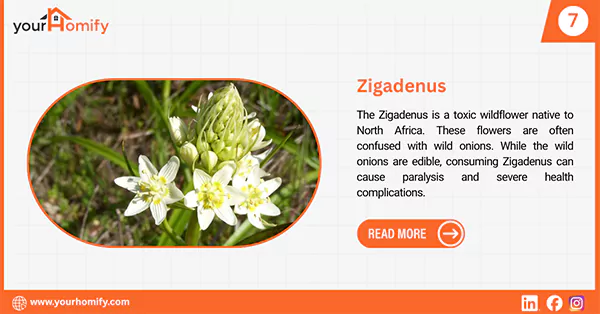
- Botanical name: Zingadenus spp.
- Native Area: North America
- Height: 1-3 feet
- Hardiness Zone: USDA zones 3a-9b
- Flower Colour: Yellow, green and white
- Bloom Time: Early spring to summer
- Plant Type: Herbaceous perennial
- Soil Type: Well-draining sandy or loamy
- Maintenance: Low
Zingadenus is a toxic wildflower that is part of the Melanthiaceae family, which typically grows in grasslands and meadows. These flowers feature strap-like leaves and small, yellow flowers. They are often confused with the wild onion due to their similar appearance.
While the wild onions are edible, these flowers can cause severe health complications if ingested. One way to differentiate them is the yellow flowers, which do not appear on the wild onions.
The toxicity of the death camas is confirmed by research made by NCBI in 2011.
8. Zantedeschia
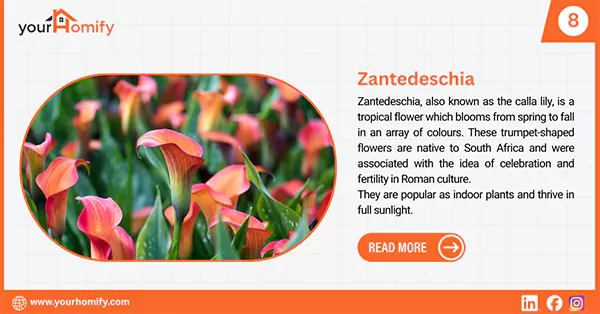
- Botanical name: Zantedeschia
- Native Area: South Africa
- Height: 1-3 feet
- Hardiness Zone: USDA zones
- Flower Colour: White, pink, yellow, orange and red
- Bloom Time: Spring to fall
- Plant Type: Bulbs
- Soil Type: Clay and loam soil
- Maintenance: Average
Popularly known as calla lilies, these tropical flowers are my favourite indoor plants, as their trumpet-shaped, colourful blooms are perfect to elevate any space. These perennial flowers are flexible to fit into any garden style, whether an indoor setting or outdoor garden beds; just ensure they are planted in full sunlight.
According to the ASPCA, calla lilies are toxic for pets; hence, place them accordingly.
Did you know?
As per NCBI, New Zealand was ranked among the top four exporters of calla lilies.
9. Zephyranthes grandiflora
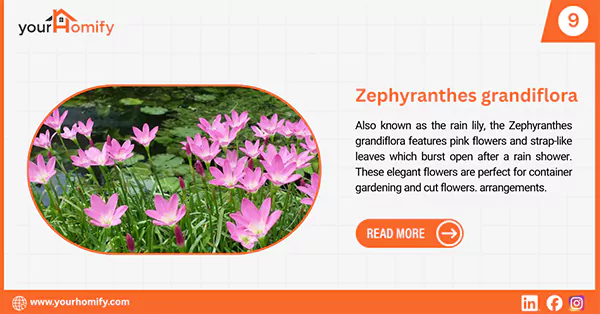
- Botanical name: Zephyranthes minuta (Kunth) D. Dietr
- Native Area: Mexico
- Height: Up to 1 foot
- Hardiness Zone: USDA zones 7-10
- Flower Colour: Pink
- Bloom Time: Summer
- Plant Type: Bulbs
- Soil Type: Chalky and loamy with good drainage
- Maintenance: Moderate
Part of the Amaryllidaceae family, the Zephyranthes grandiflora is most commonly known as the rain lily because it bursts open after a rain shower. These pink flowers are ideal as container plants in balcony gardens and can be used as cut flowers too.
Although rain lilies are toxic for pets, plant them accordingly.
10. Zephirine Drouhin
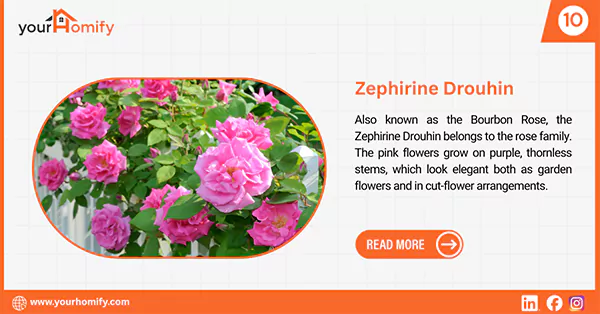
- Botanical name: Rosa ‘Zephirine Drouhin’
- Native Area: France
- Height: Up to 15 feet
- Hardiness Zone: USDA zones 5-9
- Flower Colour: Pink and red
- Bloom Time: Late spring to fall
- Plant Type: Shrub
- Soil Type: Well-draining loam soil
- Maintenance: Low
Also known as the Bourbon rose, the Zephirine Drouhin is a climbing plant from the rose family that has pink flowers on purple, thornless stems. These ornamental flowers are excellent repeat bloomers and grace the gardens for a long time.
Ideal for garden beds and borders, they can also be used as cut flowers, as they symbolise the idea of love and affection. The best way to care for these flowers is to prune them regularly to maintain their shape and promote new flowers.
The bourbon rose flower, like all the rose varieties, is a cat-safe flower, but ingestion can cause mild digestive discomfort. Consult a vet for an accurate diagnosis.
11. Zinfin Doll
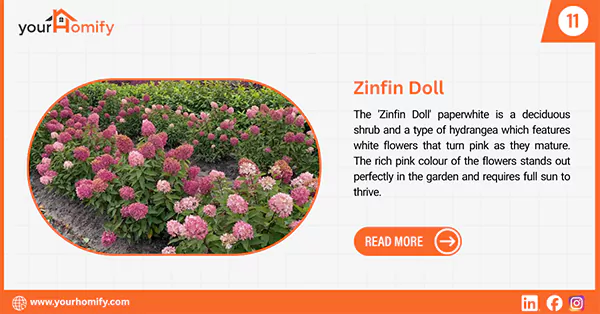
- Botanical name: Hydrangea paniculata ‘Zinfin Doll’
- Native Area: China, Korea and Japan
- Height: 6-8 feet
- Hardiness Zone: USDA zones 3-8
- Flower Colour: White and pink
- Bloom Time: Midsummer to fall
- Plant Type: Deciduous shrub
- Soil Type: Well-draining loamy and clay soil
- Maintenance: Low
The Zinfin doll is a type of hydrangea that grows cone-shaped flowers in the colour white, which turn shades of pink as they mature. These long-lasting blooms are ideal as cut flowers and can be grown both indoors and outdoors for ornamental purposes.
Their distinct showy blooms stand out perfectly, even from a distance, if planted as garden borders. To grow these flowers, make sure they are planted in full sun and are consistently watered throughout the growing season.
12. Ziva Paperwhite Narcissus
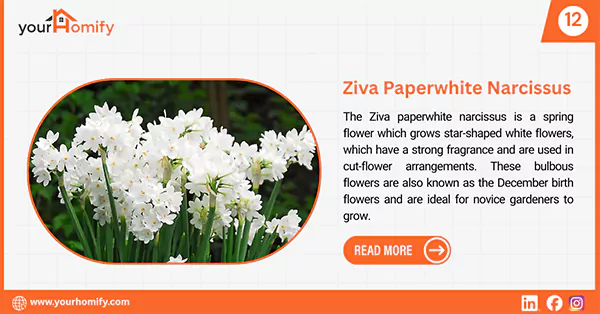
- Botanical name: Narcissus papyraceus ‘Ziva’
- Native Area: Southern Europe
- Height: 18 inches
- Hardiness Zone: USDA zones 8-11
- Flower Colour: White
- Bloom Time: Early spring
- Plant Type: Bulb
- Soil Type: Peat-moss-based soil mix
- Maintenance: Extremely
Ziva Paperwhite narcissus is a part of the Narcissus genus, which is known as the December birth flower. Featuring star-shaped white flowers with a sweet fragrance, the paperwhite narcissus is a very popular bloom used in bouquets and for DIY purposes.
Growing best in dappled sunlight, these spring flowers are extremely easy to maintain and are ideal for novice gardeners; however, be aware that they can be a little toxic for pets. The symbolic meaning of these flowers is associated with the meaning of hope and renewal.
13. Zizia
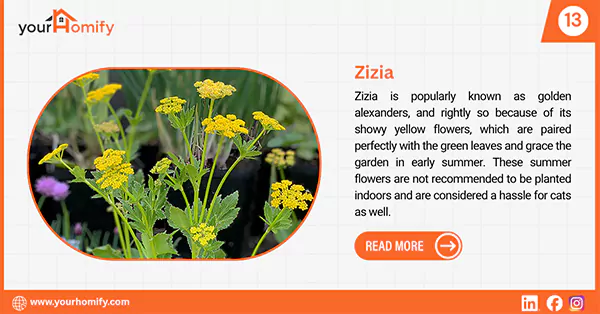
- Botanical name: Zizia aurea
- Native Area: North America
- Height: 1-3 feet
- Hardiness Zone: USDA zones 3-8
- Flower Colour: Yellow
- Bloom Time: Summer
- Plant Type: Herbaceous perennial
- Soil Type: Well-draining loamy soil
- Maintenance: Low
Popularly recognised as the golden alexanders, the Zizia flowers are part of the carrot family and are rightly named due to their yellow flowers. These summer flowers bloom from May to June, in full sun to partial shade.
Although the flowers have a simplistic charm to them, the right kind of habitat for them is woodland, and it is not recommended to grow them indoors due to their specific requirements.
14. Zygocactus
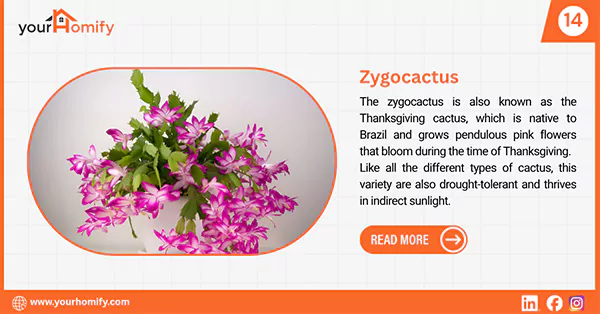
- Botanical name: Schlumbergera truncata
- Native Area: Brazil
- Height: 3 feet
- Hardiness Zone:
- Flower Colour: Red, pink, orange, and yellow
- Bloom Time: Late autumn
- Plant Type: Cactus
- Soil Type: Well-draining cactus soil mix
- Maintenance: Low
Also known as the Thanksgiving cactus, the zygocactus is a flowering type of cactus which blooms in winter, around the time of Thanksgiving, doing justice to its name.
These ornamental pink pendulous flowers have a drooping structure and are symbolic of the idea of resilience and hope. Growing them indoors is extremely easy, as they are low-care flowers which can survive dry conditions and require bright, indirect sunlight.
15. Zygopetalum
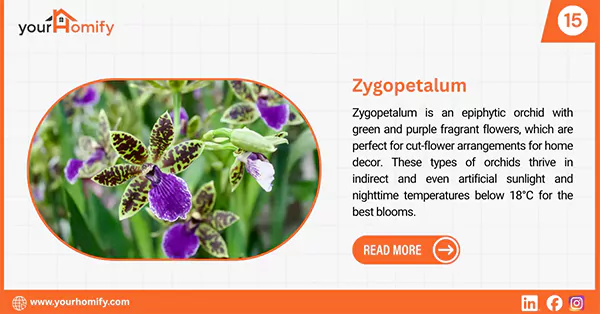
- Botanical name: Zygopetalum
- Native Area: South America
- Height: 1-3 feet
- Hardiness Zone: USDA zones 10-11
- Flower Colour: Green and purple
- Bloom Time: Early spring
- Plant Type: Epiphytic
- Soil Type: Well-draining soil with a good amount of perlite and coconut coir
- Maintenance: Moderate
Zygopetalum is a genus of epiphytic orchids which features uniquely shaped 3-petal fragrant flowers in the colours green and purple. These orchids are easy to grow at home and can do well as indoor plants in balcony gardens with appropriate care.
Like all types of orchids, zygopetalum also likes indirect sunlight and night temperatures below 18°C. Make sure you do not put the plant in direct sunlight, as it can burn the leaves.
These flowers are uniquely shaped and can be used in flower arrangements for home decor purposes.
Concluding Remarks
The flowers that start with Z offer versatility and colour to the garden, which is often missing otherwise. As someone who has been planting flowers for a long time, exploring these flowers was also new to me; some of them were unique, and some offered enough simplicity to contrast with the other loud blooms.
Go ahead and plant these flowers that start with the letter ‘Z’ and give your garden a much-needed makeover.
FAQs
What are the flowers that start with Z?
Zinnia, Zigadenus, Zizia, and Zygocactus are some flowers that start with a Z.
What are some showy flowers that start with the letter Z?
Some showy Z-letter flowers are zizia, ziva paperwhite narcissus and zantedeschia.
Are there any daisy-like flowers that start with a Z?
Zinnia is a daisy-like flower that starts with the letter Z.
Are there any pollinator-friendly flowers that start with Z?
Zabelia and zinnias are Z-letter flowers that start with a Z.
What are the cat-safe flowers that start with Z?
Zephirine Drouhin is a Z-letter flower that is considered safe for cats.
- How to grow zinnias– BBC Gardening
- Plants beginning with ‘Z’– Burncoose Nurseries, UK
- How to Grow Paperwhites to Fill Your Home with Fragrant Flowers This Winter– Yahoo
Flowers That Start With Y: Complete List and Care Tips
[…] you’ve explored these Y-letter blooms, the flowers that start with Z bring the alphabet to a fittingly rare and beautiful […]