


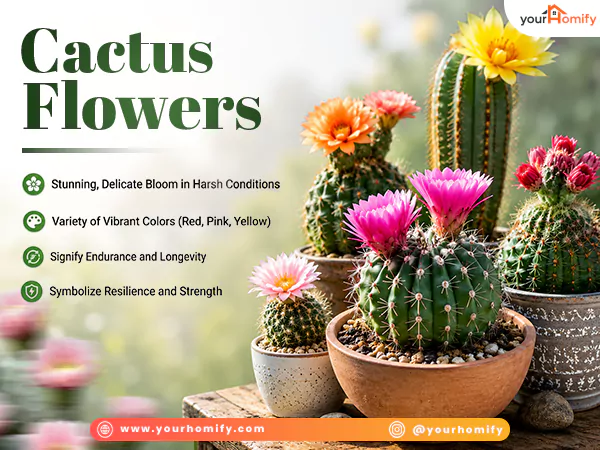
I feel that cactus flowers are one of nature’s most stunning creations, blooming profusely even during the harshest climatic conditions. The species is known for vibrant colors and delicate flowers that can make any garden space or indoor corner visually appealing.
The fact that so many flowering cacti represent resilience, strength, and endurance never fails to fascinate me. Moving further, in this guide, I will walk you through some of the astonishing cactus flowers along with their meaning and care guide.
Quick Answer:
Cactus flowers are bright, short-lived blooms produced on cactus plants, usually in warm and extreme weather conditions. They are easy to grow and symbolize resilience, strength, and determination.
Meaning and Symbolism of Flowering Cactus
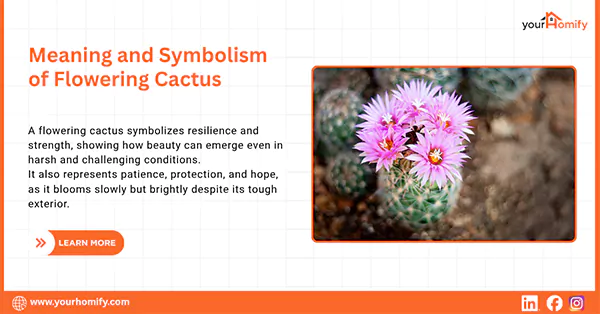
Since ancient times, the flowering cactus has always been associated with strength and resilience. Its beautiful blossoms carry powerful messages of endurance and unconditional love. Let us understand what the species truly symbolizes in detail.
- Endurance and Robustness: Cactus flowers survive in weather conditions where most plants cannot. They symbolise winning against all the odds and are appreciated for their ability to persist.
- Hidden Beauty: Despite the spiky exterior, it bears a soft and beautiful flower. This represents gentleness, kindness, and hidden beauty beneath a tough outer layer, even in challenging conditions.
- Patience and Timing: Many cacti bloom rarely for a very short period after surviving through a long and harsh weather condition. It is often seen as a metaphor for slow and steady growth resulting in success and victory.
- Unconditional Maternal Love: In many native American traditions, the Saguaro cactus flowering was associated with the unconditional and protective nature of a mother’s love.
- Personal Development: On a deeper level, cactus flowers are often linked with self-transformation. It represents how someone chooses to grow and bloom even after hardships and daily struggles.
- Emotional and Spiritual: Many homeowners still prefer to plant feng shui cacti near their entrances. It is believed that these plants ward off negative energy and bring in a positive vibe.
If you wish to gift a plant to your loved one, a Star Cactus, a Pincushion Cactus, or a Feng Shui plant is a perfect option, as they represent endurance and strength while also signifying beauty and positivity.
10 Cactus Flowers You Cannot Miss
At first glance, many cactus flowers may seem tough or uninviting, but their gentle and fragrant blossoms tell a completely different story. Here is a list of 10 alluring and aesthetically pleasing cacti species for your reference.
1. Star Cactus (Astrophytum asterias)
- Botanical Name: Astrophytum asterias
- Plant Family: Cactaceae
- Type: Succulent Perennial
- USDA Hardiness Zone: 9a to 11b
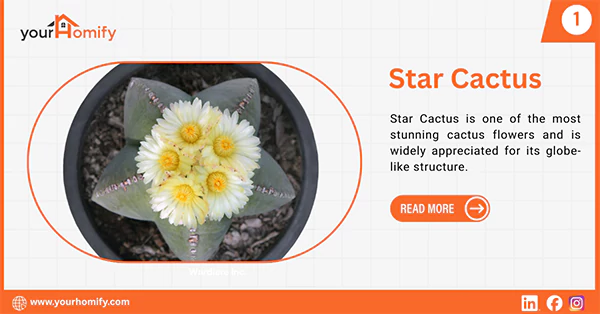
Astrophytum asterias, also known as Star Cactus, is a slow-growing succulent native to Northern Mexico and Southern Texas. It is a popular ornamental indoor plant that requires bright indirect sunlight and well-draining soil to flourish. This cactus bears alluring yellow flowers and generally grows 2-6 inches tall.
2. HedgeHog Cactus ‘First Light’ (Echinopsis)
- Botanical Name: Echinopsis hybrid ‘First Light’
- Plant Family: Cactaceae
- Type: Annual, clumping cactus
- USDA Hardiness Zone: 9-11
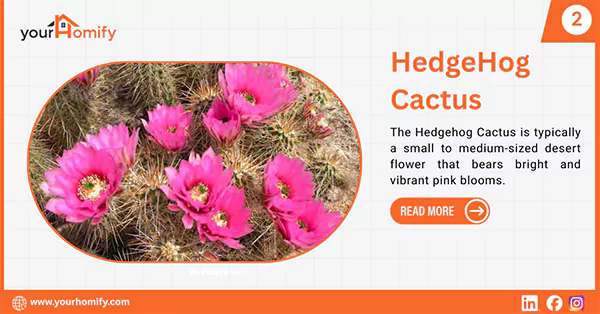
The Hedgehog Cactus “First Light” is native to the desert and arid regions of the Southwestern United States and Mexico. Furthermore, these can endure extreme temperature conditions and can also be found on rocky hillsides and sandy plains. It grows up to 3-6 inches tall and bears distinctive pink flowers, making it a favorite among gardeners.
3. Turk’s Cap Cactus (Melocactus Matanzanus)
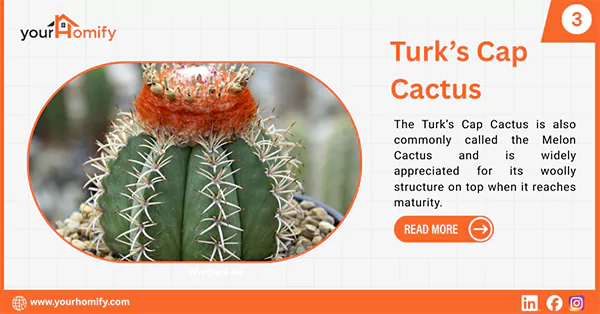
- Botanical Name: Melocactus matanzanus
- Plant Family: Cactaceae
- Type: Globular succulent
- USDA Hardiness Zone: 10-11
Primarily, the Turk’s Cap Cactus is grown as an ornamental plant. It is commonly grown in containers or in rock gardens to add an aesthetic flair. This small, slow-growing desert plant is native to Cuba and generally grows only 2-4 inches tall. Additionally, the funnel-shaped cactus flowers are small but notable and appear only for a brief period.
4. Twisted Barrel Cactus (Ferocactus herrerae)
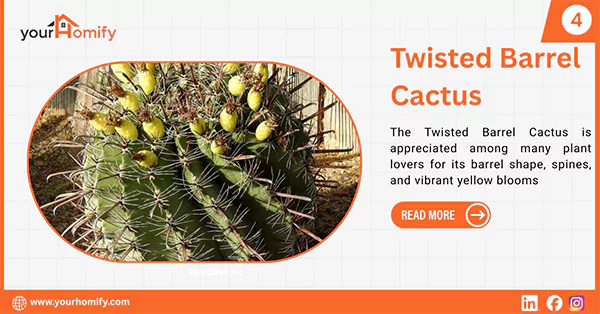
- Botanical Name: Ferocactus herrerae
- Plant Family: Cactaceae
- Type: Perennial succulent
- USDA Hardiness Zone: 9-11
Ferocactus herrerae, which is native to the coastal region of Southwestern Sonora in Mexico, can survive extreme desert conditions with minimal care. This type of cactus is commonly used in desert landscaping and xeriscaping and is ideal for desert gardens, rock gardens, or even container planting. It is not toxic to humans or animals and is highly resistant to deer and rabbits.
5. Claret Cup Cactus (Echinocereus triglochidiatus)
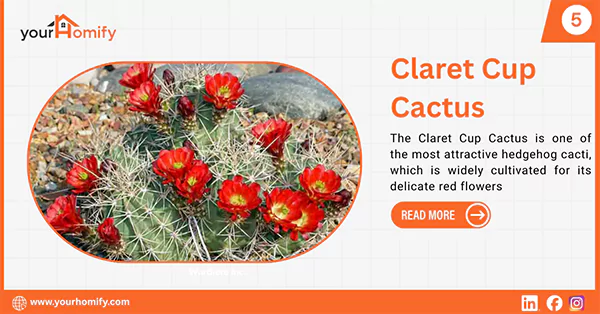
- Botanical Name: Echinocereus triglochidiatus
- Plant Family: Cactaceae
- Type: Small mounding bulbous
- USDA Hardiness Zone: 5-10
The Claret Cup Cactus is one of the easiest species to grow and care for. Its scarlet-red bloom, which turns slightly orange as it matures, is truly its distinctive feature. Additionally, this red-flowered cactus grows 15-24 inches tall and is ideal for a rock or Mediterranean garden. I love how the blooms of this cactus are pollinator-friendly and support the ecosystem.
6. Spiny Pincushion Cactus (Mammillaria spinosissima)
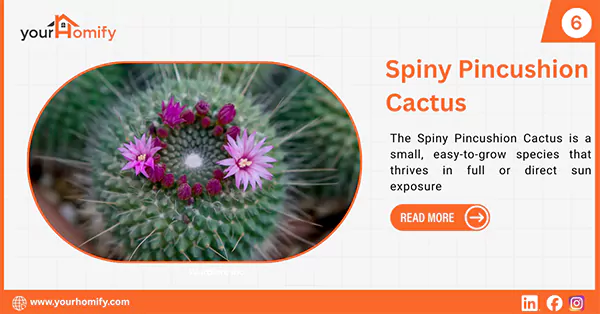
- Botanical Name: Mammillaria spinosissima
- Plant Family: Cactaceae
- Type: Cylindrical and compact
- USDA Hardiness Zone: 9-11
The Spiny Pincushion Cactus usually has a slow to moderate growth rate, and it directly depends on the quality of the soil and watering frequency. Wide dwarf varieties of the genus can be grown in containers and used as indoor ornamental cactus flowers. Native to Mexico, this cactus with pink flowers usually blooms in Spring and brightens the landscape with its funnel-shaped blossoms.
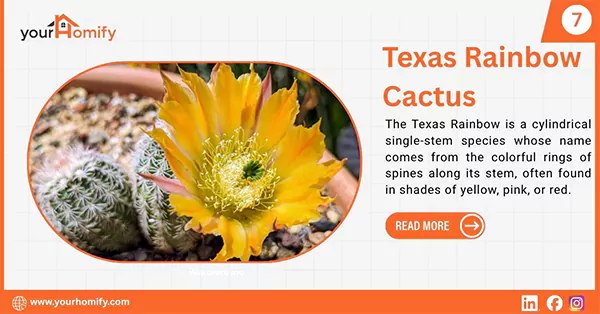
7. Texas Rainbow Cactus (Echinocereus dasyacanthus)
- Botanical Name: Echinocereus dasyacanthus
- Plant Family: Cactaceae
- Type: Cylindrical single-stem cactus
- USDA Hardiness Zone: 6-10
The Texas Rainbow Cactus, which typically blooms in early spring (often in March), produces large and vibrant yellow or sometimes pinkish flowers. It is native to West Texas, Southern New Mexico, and Southeastern Arizona. This flowering cactus is highly drought-tolerant and pest-resistant and creates a striking contrast in any garden or landscape.
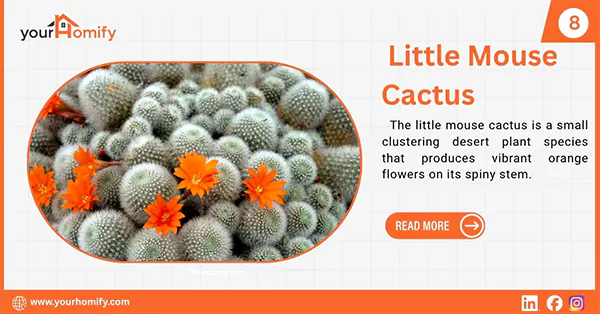
8. Little Mouse Cactus (Rebutia muscula)
- Botanical Name: Rebutia muscula
- Plant Family: Cactaceae
- Type: Clustering elongated cactus
- USDA Hardiness Zone: 10-11
The Little Mouse cactus is widely cultivated as an ornamental houseplant. Moreover, this flower that starts with L is non-toxic and naturally resists deer and rabbits. With proper sunlight, moderate watering, especially during the active growing season, this desert plant flourishes and enhances the aesthetic of any corner of the house.
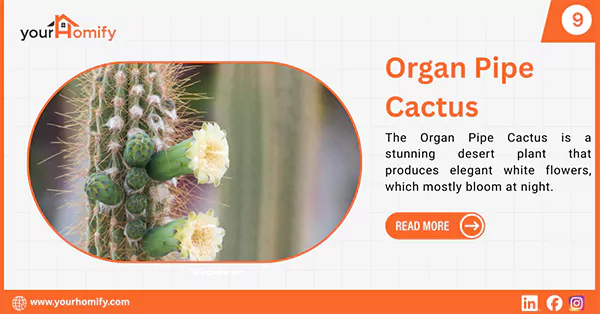
9. Organ Pipe Cactus (Stenocereus thurberi)
- Botanical Name: Stenocereus thurberi
- Plant Family: Cactaceae
- Type: Columnar cactus
- USDA Hardiness Zone: 9-11
Organ Pipe Cactus, botanically called Stenocereus thurberi, is native to the Sonoran Desert, Southern Arizona, and Baja California, and is appreciated for its unique traits and multi-stemmed columnar shape. It also has many subspecies, and its large, showy white flower is often admired for its beauty. The bloom also has a mildly sweet fragrance that helps the pollinator to locate it at night.
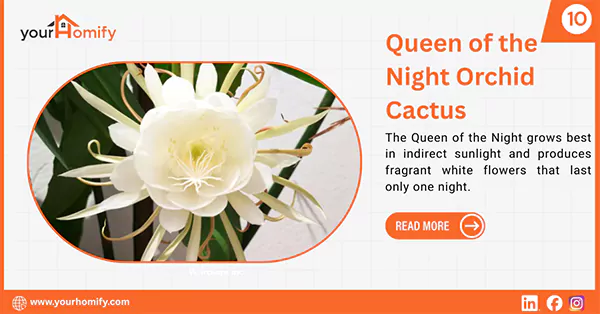
10. Queen of the Night Orchid Cactus (Epiphyllum Oxypetalum)
- Botanical Name: Epiphyllum Oxypetalum
- Plant Family: Cactaceae
- Type: Climbing cactus, vine-like structure
- USDA Hardiness Zone: 10-12
The Queen of the Night is a flowering cactus of nocturnal nature and is ideal for moon gardens. Belonging to the cactaceae family, its beauty never fails to astonish novice plant lovers and garden owners. Often grown as a hanging plant, it is a fast-growing species and reaches up to 20 feet tall. Originally cultivated in Central America and the Caribbean, its bloom has an intoxicating fragrance.
Common Growing Guide for Cactus With Flowers
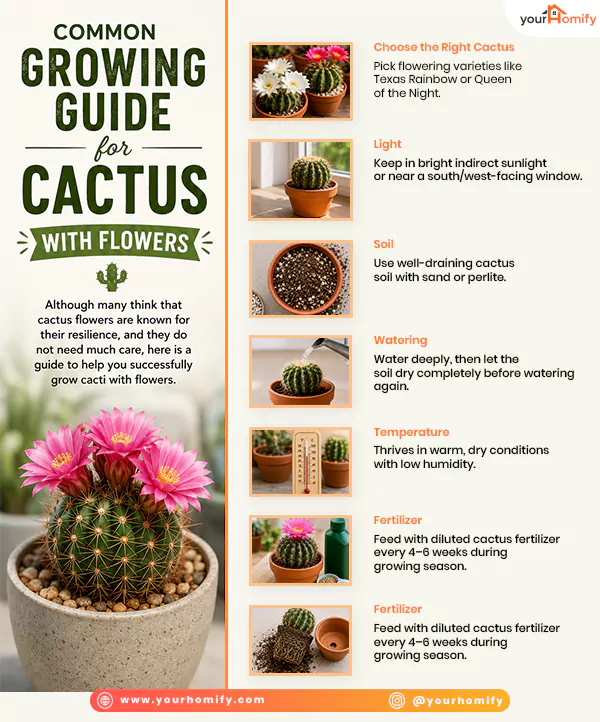
Although many think that cactus flowers are known for their resilience, and they do not need much care, here is a guide to help you successfully grow cacti with flowers.
- Choosing the Right Cactus: Select a species that produces flowers. Some popular varieties are Texas Rainbow, Queen of the Night, and Little Mouse Cactus.
- Soil Requirements: Cacti prefer well-draining soil. You can use a commercial/ready-made cactus mix or create your own by mixing regular potting soil with sand or perlite.
- Light Conditions: It is always ideal to place your cactus in bright, indirect sunlight. While many thrive in full sun, too much direct exposure can scorch the delicate blooms. If you are planting indoors, it is best to place the pot near a south or west-facing window.
- Watering Tips: Water your cactus thoroughly, allowing the soil to dry out completely between watering sessions. During the active growing season (spring and summer), water more frequently and adjust the timings during fall and winter.
- Temperature and Humidity: Cacti thrive in warm and dry conditions. Most prefer temperatures between 70F and 100F during the day and slightly cooler at night. Humidity should be low, so ensure good air circulation around the plants.
- Fertilizing: Feed your cactus with a diluted cactus fertilizer during the growing season, approximately every 4-6 weeks, to encourage blooming. Avoid fertilizing during the dormant winter months.
- Repotting: Consider repotting your cactus every couple of years, but only if you feel that the plant has outgrown its pot. Choose a container with proper drainage holes and avoid larger pots as cacti prefer to be slightly root-bound.
- Pests and Diseases: Keep an eye out for common pests like mealy bugs and aphids. If you notice any, treat them immediately with insecticidal soap or rubbing alcohol. Ensure good air circulation to prevent further infection and isolate to avoid spreading.
Conclusion
Aren’t cactus flowers a perfect blend of strength and beauty, showing that even the harshest conditions can give rise to something so beautiful and alluring? Their vibrant bloom, unique characteristics, and deep symbolism make them truly special. I always get fascinated by the fact that a plant can survive in such challenging conditions and still bear delicate flowers.
If you wish to add one to your indoor space or garden area, you simply need to provide the species with some basic growing needs to begin your gardening journey!
FAQs
What are cactus flowers?
Cactus flowers are spiky plants that typically have thorns on their outer body. With proper care and the right environment, they can bloom captivating but short-lived flowers.
How to care for flowering cacti?
It usually seems that flowering cacti do not need much care. They need full sun exposure, proper watering, well-draining soil, moderate fertilizing, and pest control methods to thrive and grow beautiful flowers.
What is the meaning and symbolism of gifting a cactus flower?
Gifting someone a flowering cactus basically means that you are honouring their endurance and resilience qualities. The stunning flowers on the top represent kindness and gentleness even during tough times.
How to protect cactus flowers from pests and fungal diseases?
Always keep an eye out for pests and fungal diseases. If you notice your plant getting affected by something, it is ideal to add insecticidal soaps or horticultural oils. Use rubbing alcohol to treat fungal infections and isolate the plant to prevent further spreading.
- Cactus Flowers – University of Texas, Austin
- Succulent Plants – National Park, Arizona
7 Flowering Houseplants for Low-Light Rooms in 2026
[…] Christmas Cactus […]