


Many species are primarily grown for gifting purposes or floral arrangements, as they symbolize love, friendship, hope, optimism, and many other sentiments. Flowers are more than just colorful additions to gardens or bouquets.
I have curated this A-Z flower meanings guide, which will walk you through each alphabet, highlighting some of its most popular blooms and the deep symbolic message they carry. Whether you are selecting flowers for a gift or simply curious about their symbolism, this guide has something for everyone.
Quick Answer
A flower meanings guide helps explain the symbolism and messages associated with different blooms. For example, roses symbolize love, sunflowers represent happiness, and lilies are linked with purity. Understanding this can help you choose the perfect flowers for gifts, celebrations, or even personal gardens.
Flower Meanings Guide: What Does Floriography Mean?
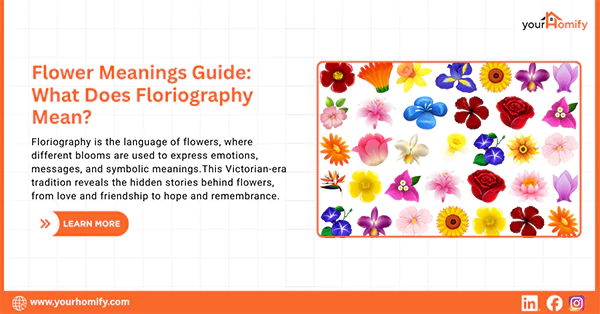
Floriography is the medium through which flowers communicate their messages or emotions. It is also called the language of flowers, where different species, colors, and arrangements signify specific feelings, ideas, or sentiments.
The practice became especially popular during the 19th century, when people started using blooms to express emotions that were difficult to speak openly. Bouquets were often gifted to convey feelings like love, friendship, admiration, gratitude, sympathy, and sometimes even rejection.
Even today, different flowers help people choose thoughtful gifts for occasions such as birthdays, anniversaries, weddings, sympathy events, and other special celebrations.
A-Z Flowers Meaning and Symbolism
Here is a complete A-Z flower meanings guide for your reference. Understand what each unique bloom conveys and how you can use them to express your unsaid emotions.
| Flower Name | Image | Meaning/Symbolism |
| Aster | 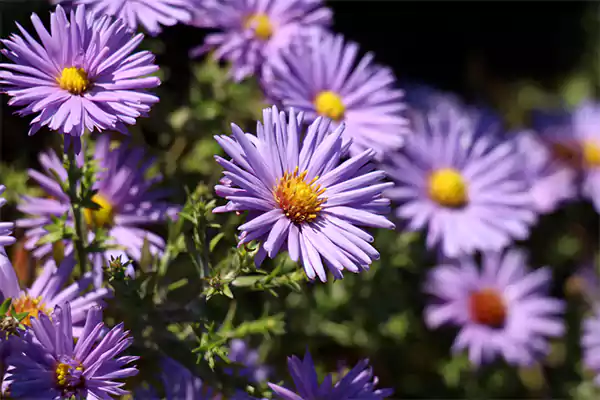 | The Aster flower primarily symbolizes faith, wisdom, admiration, and peace. |
| Amaryllis | 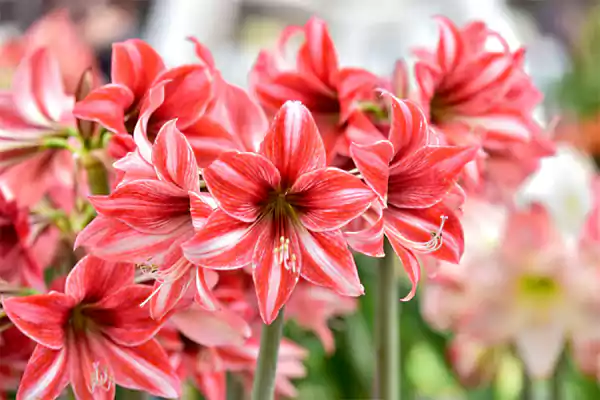 | Amaryllis flowers are often associated with strength, determination, and radiant beauty. |
| Alstroemeria | 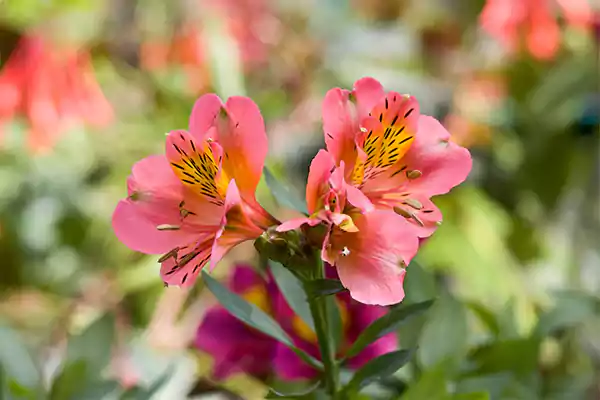 | Better known as Peruvian Lily, this flower represents deep friendship, devotion, and support. |
| Baby’s Breath | 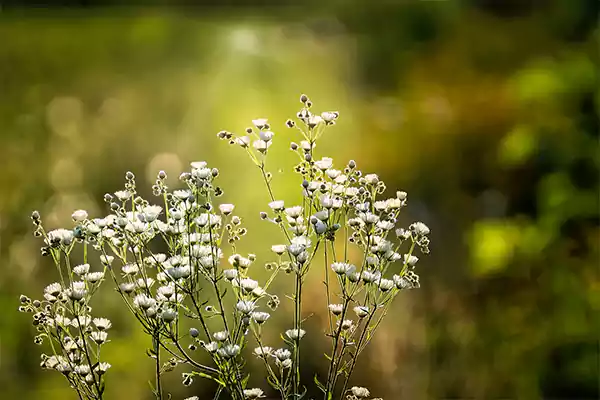 | Baby’s Breath is mainly used as filler flowers. They symbolize innocence, purity, and everlasting love |
| Bluebells | 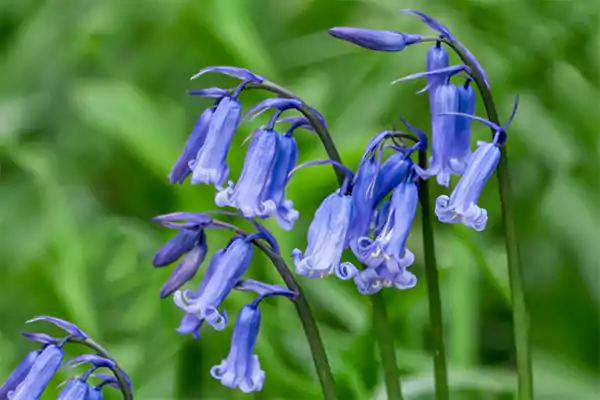 | The downward-facing bell-shaped flowers are known to symbolize humility, gratitude, and enduring love. |
| Begonia | 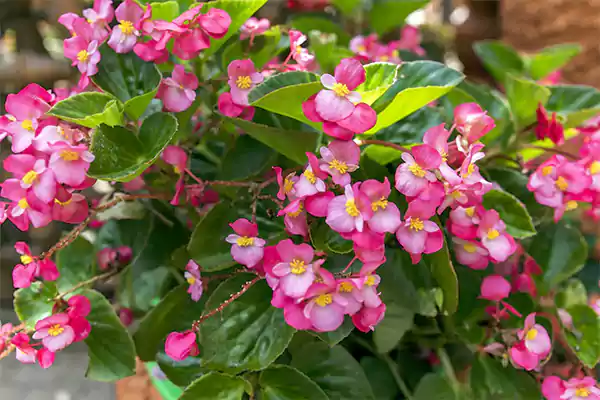 | Begonia plants come with elegant leaves and charming flowers that convey deep thoughts, gratitude, and individuality. |
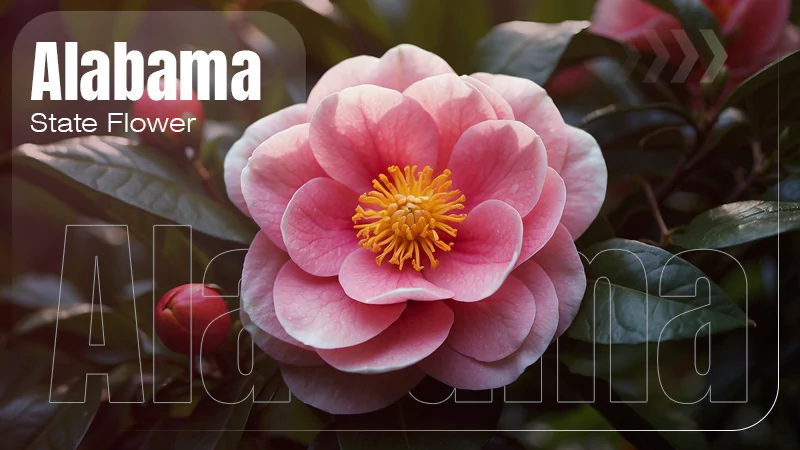
| Camellia | 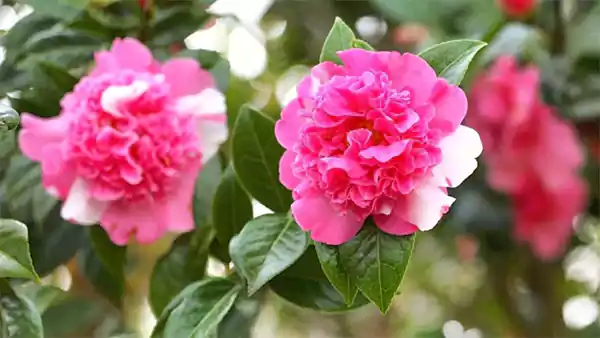 | Camellia flowers are known to represent romantic gestures, affection, honor, and divine connection. |
| Calla Lily | 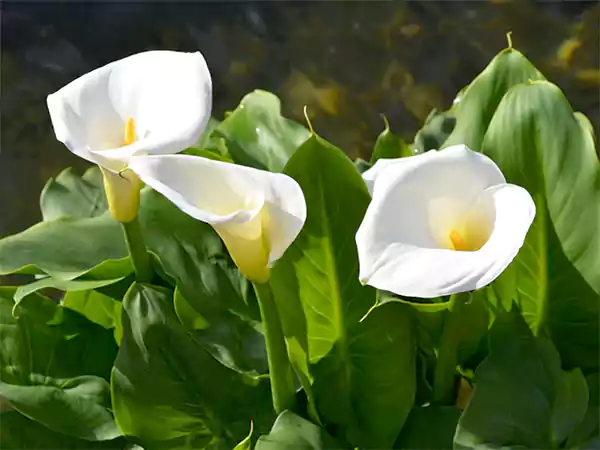 | Calla Lily meaning is associated with beauty, rebirth, and innocence. In Christianity, it signifies the idea of resurrection. |
| Chrysanthemum | 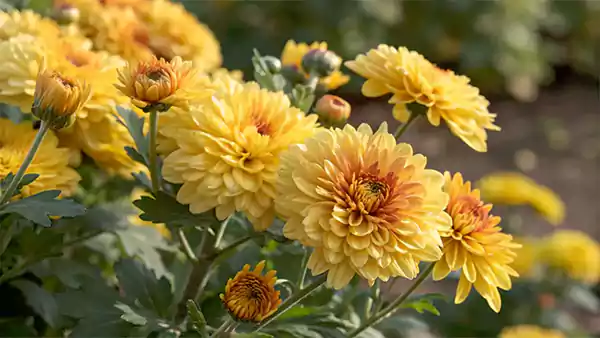 | Available in a wide range of shades, Chrysanthemums are known to symbolize luxury, joy, longevity, and friendship. |
| Daffodil | 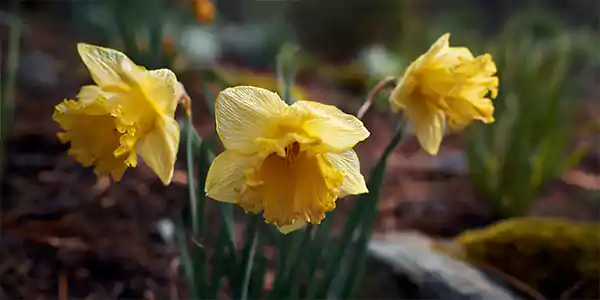 | Daffodils are often used for gifting as they symbolize positivity, rebirth, hope, and resilience. |
| Dahlia | 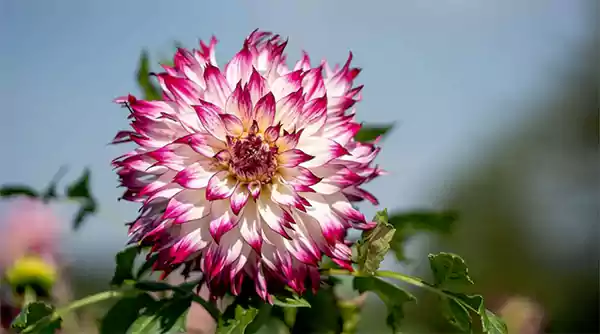 | Dahlias are striking blooms that represent inner strength, creativity, and elegance. |
| Daisy | 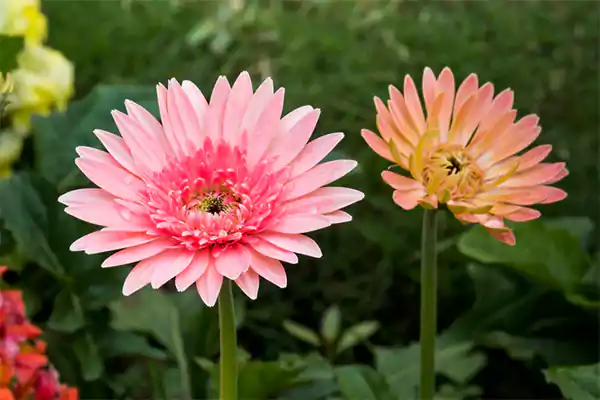 | As per many mythological lore, Daisies symbolize motherhood, beauty, care, and eternal love. |
| Easter Lily | 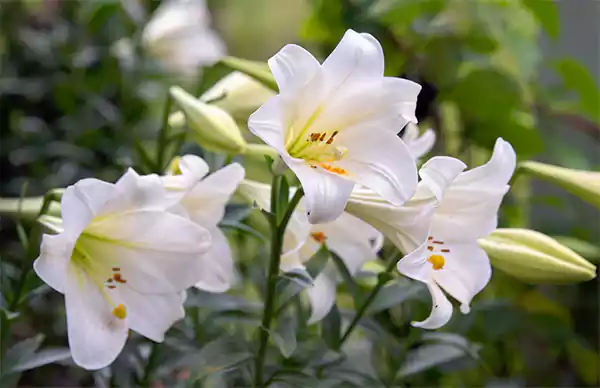 | Easter lily is associated with Jesus’s resurrection, new beginnings, purity, and hope. |
| English Bluebell | 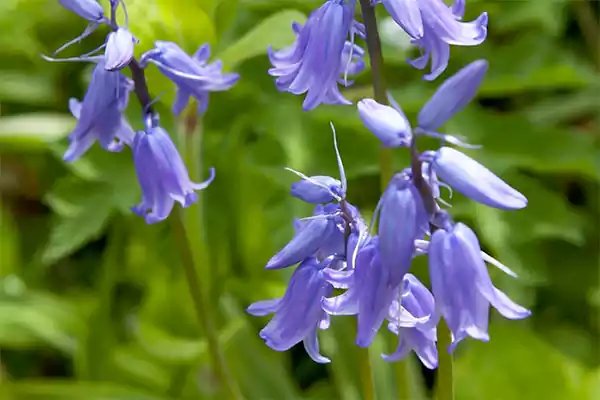 | Many British folklore traditions link English Bluebells with humility, gratitude, and long-lasting love. |
| Egyptian Star Flower | 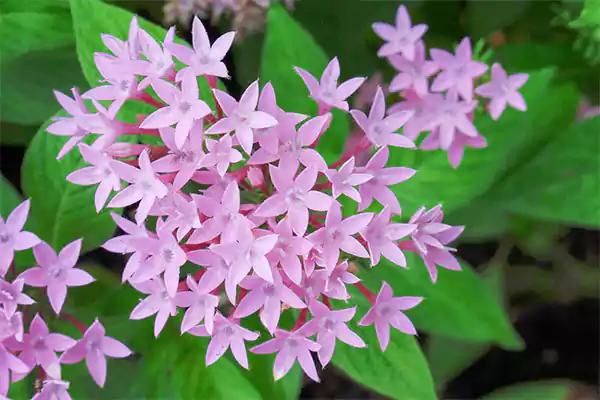 | The bloom is available in a wide range of shades and is known to symbolize passion, royalty, beauty, and joy. |
| Forget-me-not | 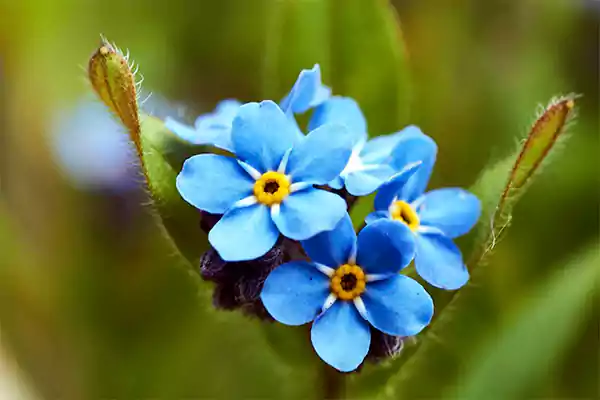 | These are the blooms that represent love, devoted loyalty, and enduring remembrance. |
| Forsythia | 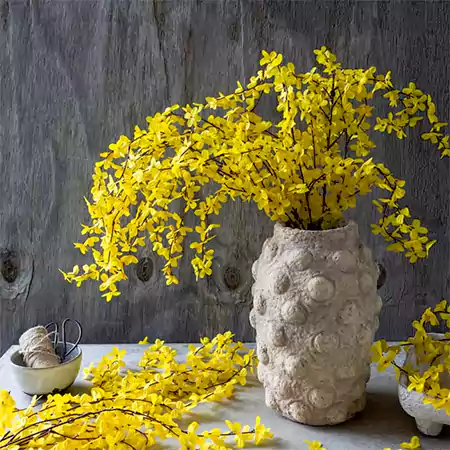 | Forsythia is a low-maintenance bushy flower that symbolizes hope, joy, resilience, and good fortune. |
| Freesia | 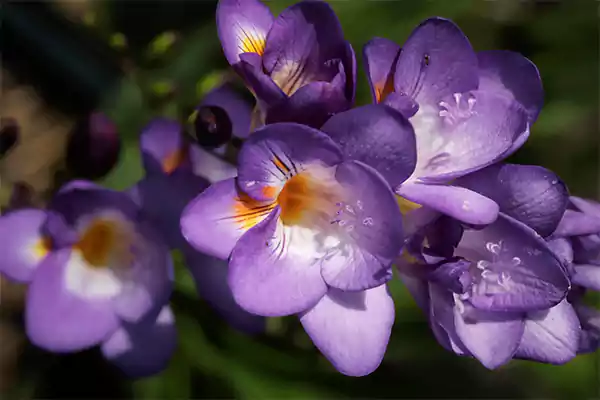 | Freesias have been around the world for centuries and are usually associated with love, friendship, trust, and thoughtfulness. |
| Geranium | 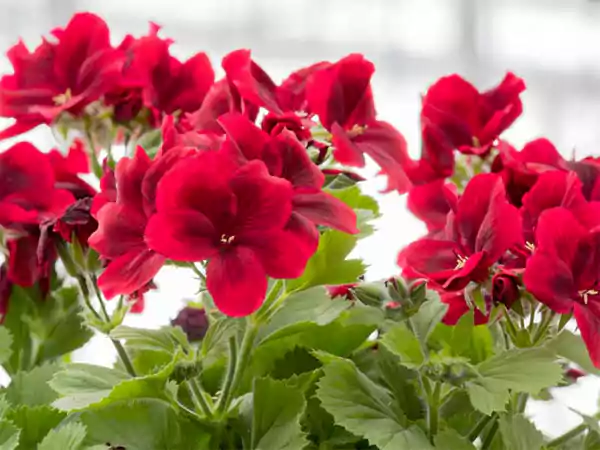 | The pink and white geraniums are often associated with friendship and good health, while the red ones are linked to resilience. |
| Gerbera Daisy | 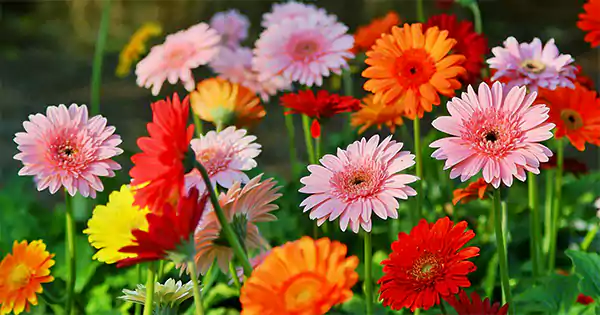 | Gerbera Daisies are typically used as offerings to the sun. They symbolize warmth, joy, and radiance. |
| Gladiolus | 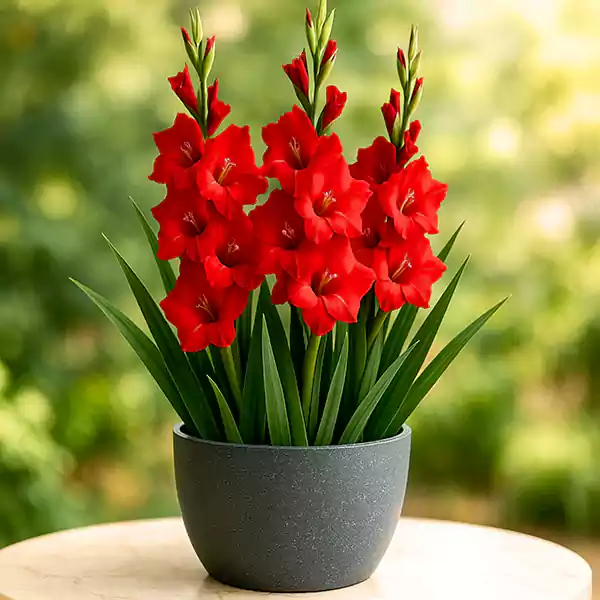 | The Gladiolus flower is linked to the god Apollo. These are often used to express integrity, remembrance, femininity, and success. |
| Hellebore | 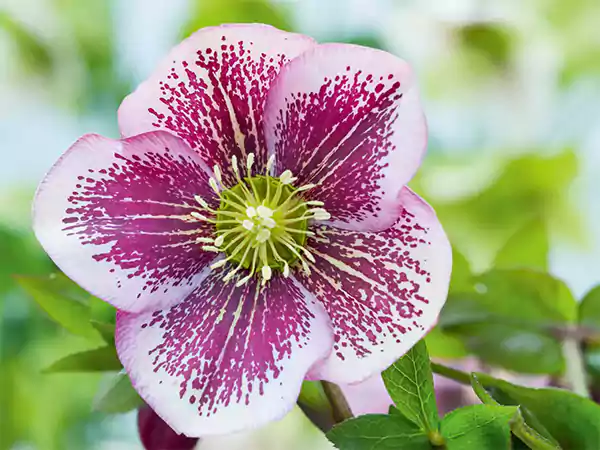 | Hellebore is a shade perennial flower that conveys resilience, hope, protection, and compassion. |
| Hibiscus | 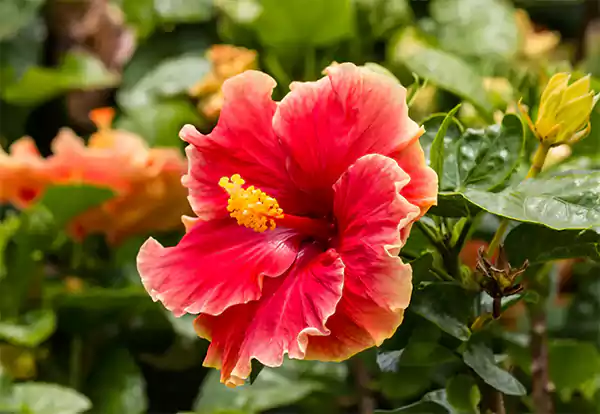 | Found in a variety of color shades, hibiscus flowers are known to represent gentleness, transient beauty, and passionate love. |
| Hyacinth | 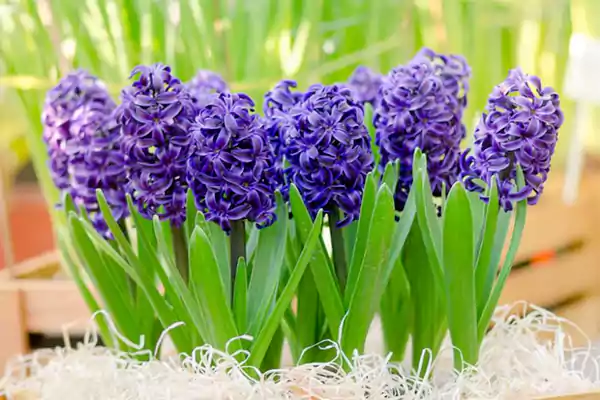 | The hyacinth flower particularly symbolizes fresh beginnings, hope, rebirth, and sincerity. |
| Impatiens | 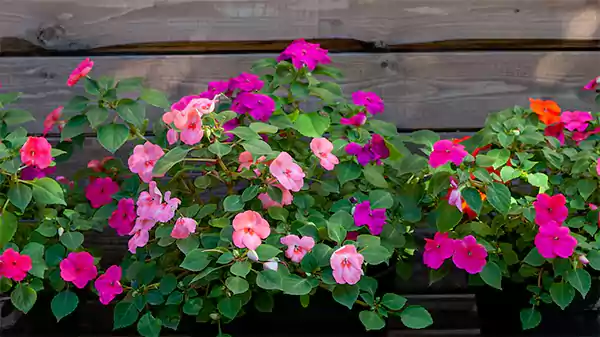 | Impatiens symbolize motherly love, deep connection, elegance, and toughness. |
| Iris | 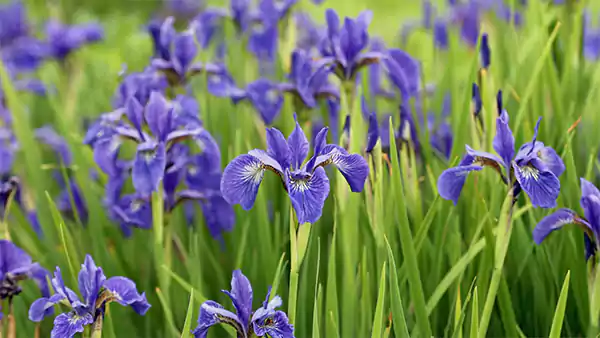 | Iris flowers are often used for gifting purposes to convey feelings like wisdom, trust, hope, purity, and honesty. |
| Ice Plant | 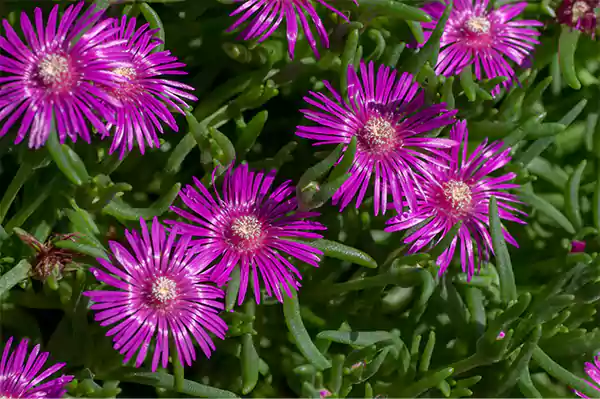 | Ice plants come in a variety of color options and are known to represent good fortune, charm, beauty, and elegance. |
| Jasmine | 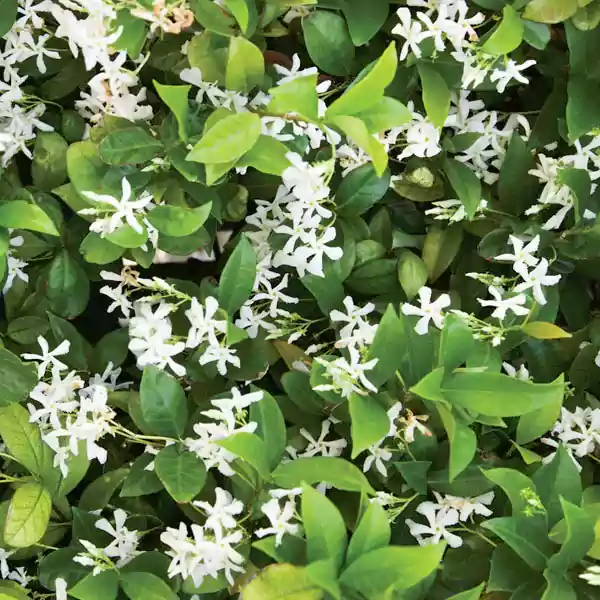 | There are many types of Jasmine flowers, and almost all of them signify purity, innocence, spirituality, and hospitality. |
| Japanese Rose | 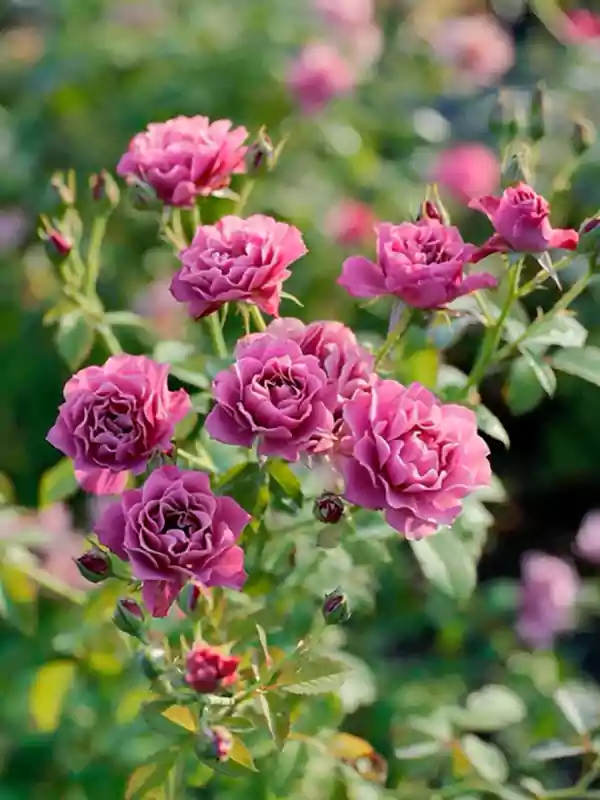 | In Japanese culture, the symbolism of rose flowers is closely tied to their color. Red Japanese roses are known to represent affection, while pink symbolizes friendship and gentleness. |
| Kaffir Lily | 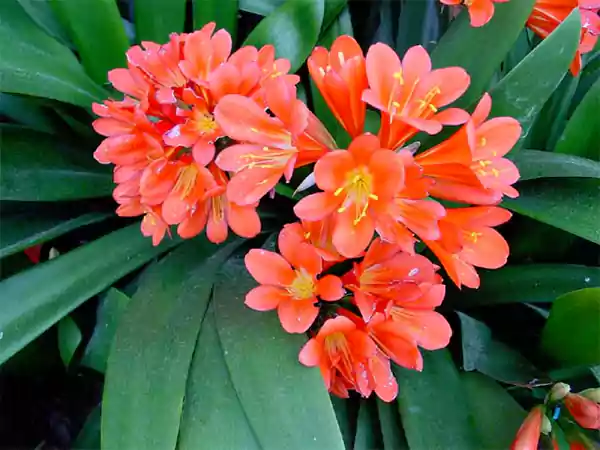 | The vibrant cluster Kaffir Lily flowers are known to symbolize nobility, refined beauty, enthusiasm, and warmth. |
| Kadsura | 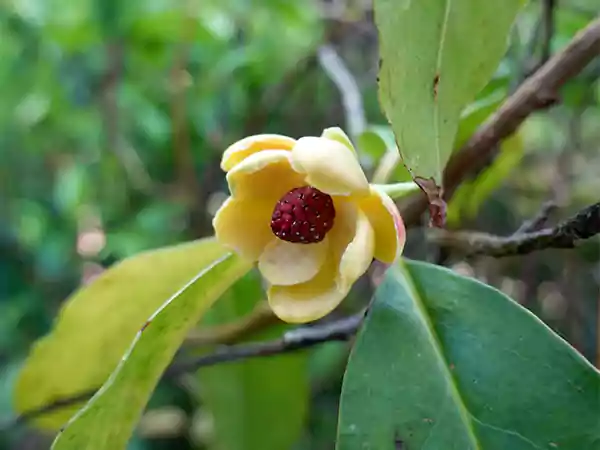 | Deeply rooted in Japanese culture, the Kadsura flowers are associated with unbreakable bonds, enduring love, and care. |
| King Protea | 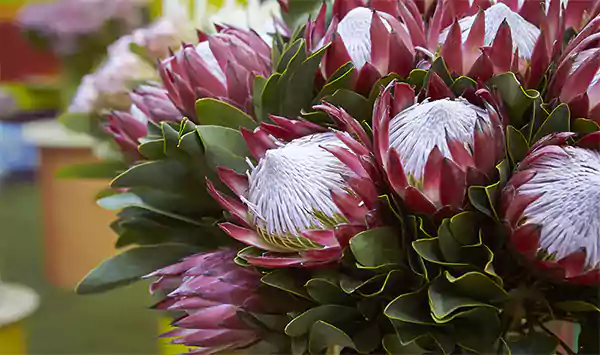 | King Protea flowers symbolize adaptability, transformation, toughness, and royalty. |
| Lily of the Valley | 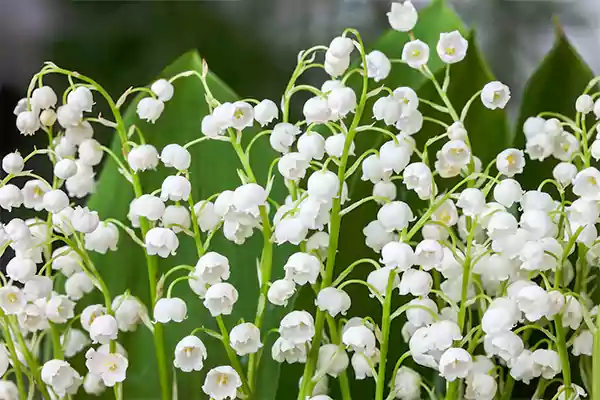 | Lily of the Valley is deeply connected with purity, innocence, deep love, and is believed to bring good luck. |
| Lavender | 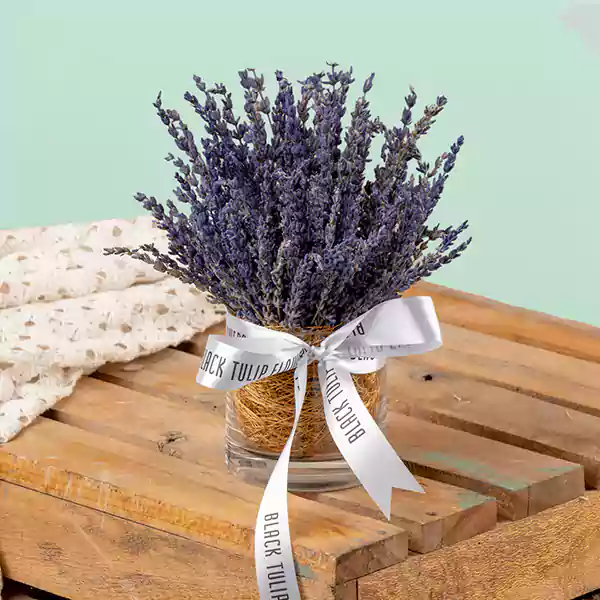 | “Lavender flower meaning” is linked to serenity, calmness, devotion, and innocence. The bloom is also known for its medicinal significance. |
| Lotus | 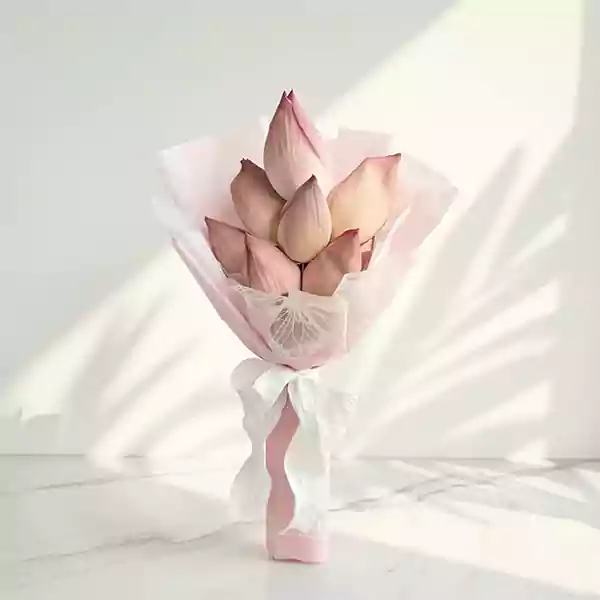 | The symbolic meaning of the lotus flower is rebirth and rejuvenation. It is also closely linked to the idea of healing, protection, and royalty. |
| Magnolia | 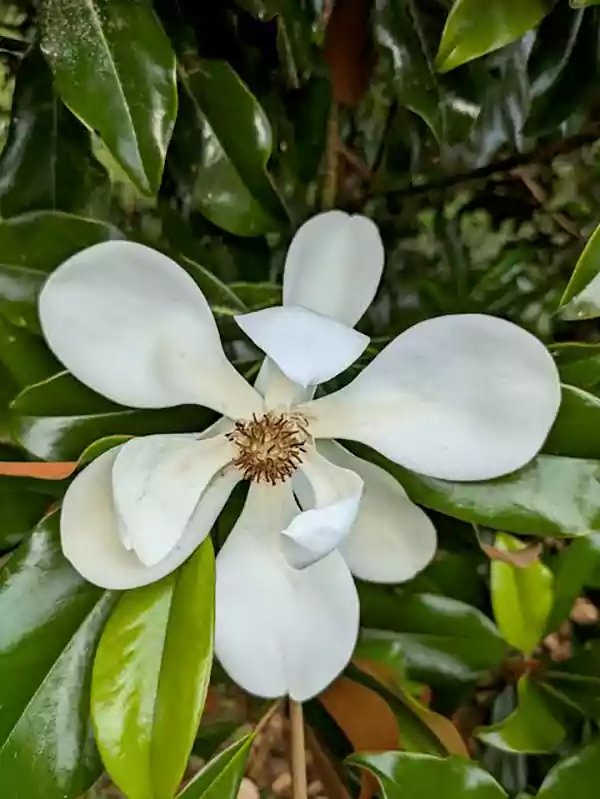 | Magnolia flowers are often used for gifting purposes as they are known to express emotions like purity, strength, nobility, persistence, and abundant good luck. |
| Morning Glory | 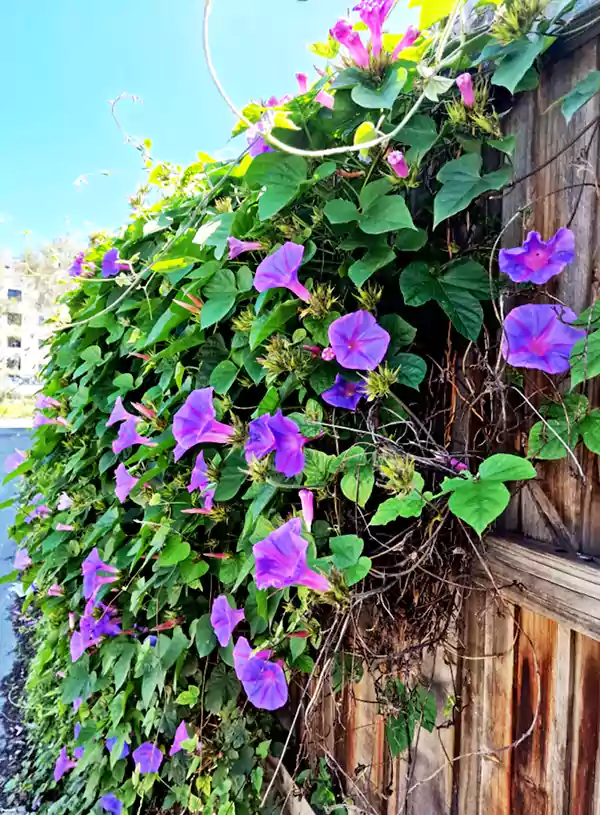 | Morning Glory is primarily known to represent the transient nature of life. It also symbolizes unrequited love, resilience, and inner strength. |
| Marigold | 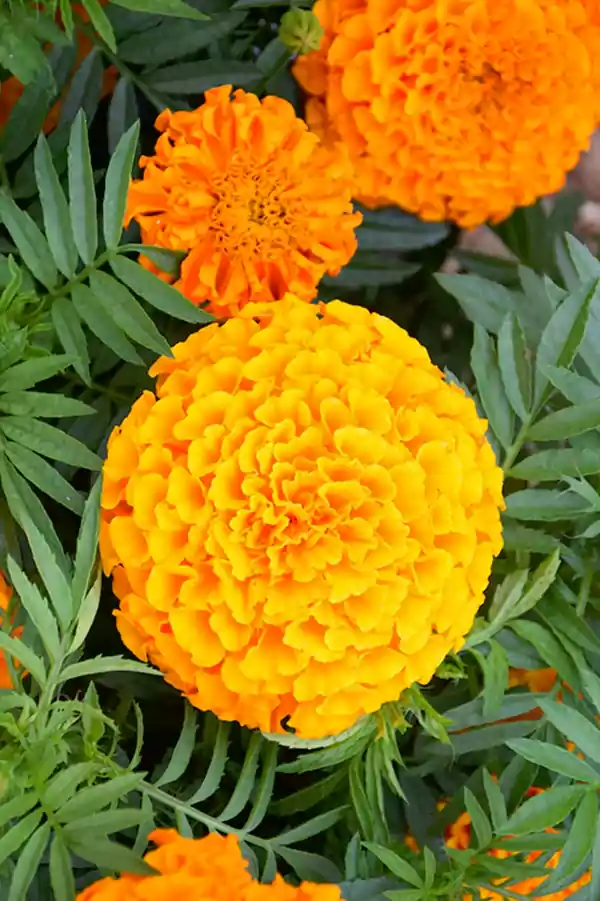 | Marigolds are also known as October birth flowers and are often used for floral arrangements as they represent warmth, optimism, wealth, and prosperity. |
| Nasturtium | 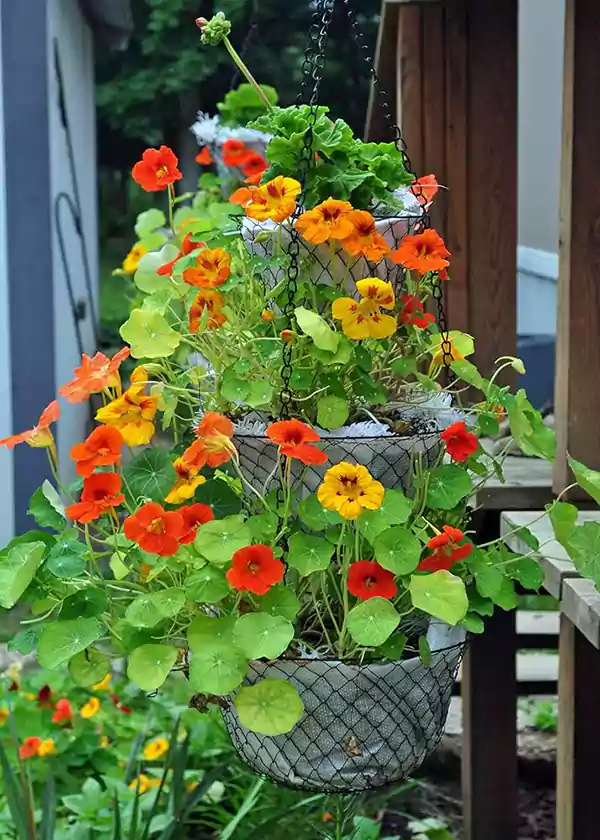 | In the Victorian language of flowers, Nasturtium is often linked with patriotism and valor. Historically, the bloom symbolizes freedom, strength, and headstrong romance. |
| Narcissus | 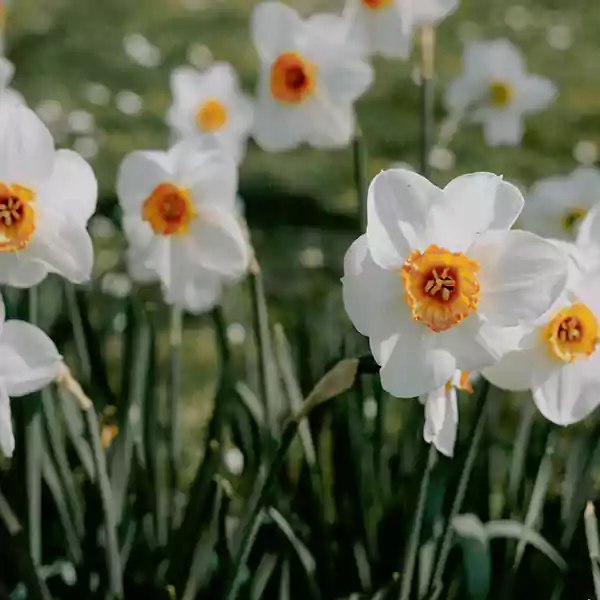 | Narcissus are popular spring flowers and are known to symbolize renewal, fresh beginnings, and self-love. In Christianity, these flowers are linked to eternal life |
| Nemesia | 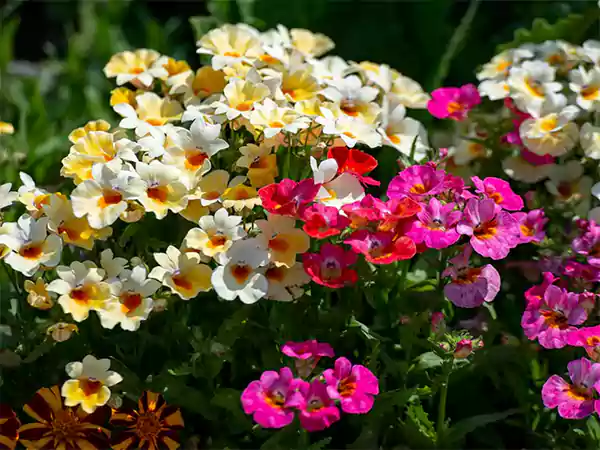 | Different shades of the Nemesia flower come with distinct meanings. Yellow Nemesia are known to symbolize friendship and loyalty, while purple stands for inner growth. |
| Oleander | 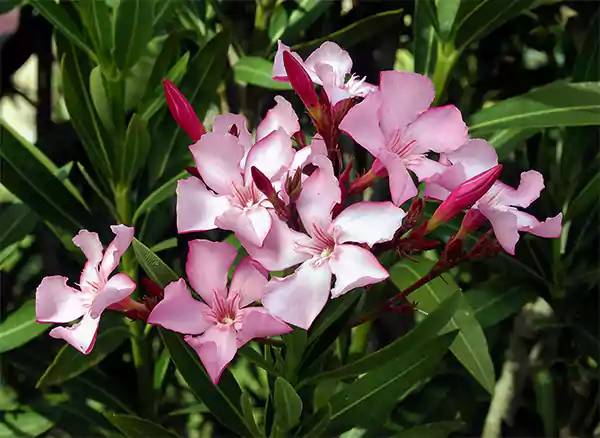 | Many believe that Oleander flowers are closely tied to grace and beauty. Its drought-resistant nature symbolizes toughness. |
| Orchid | 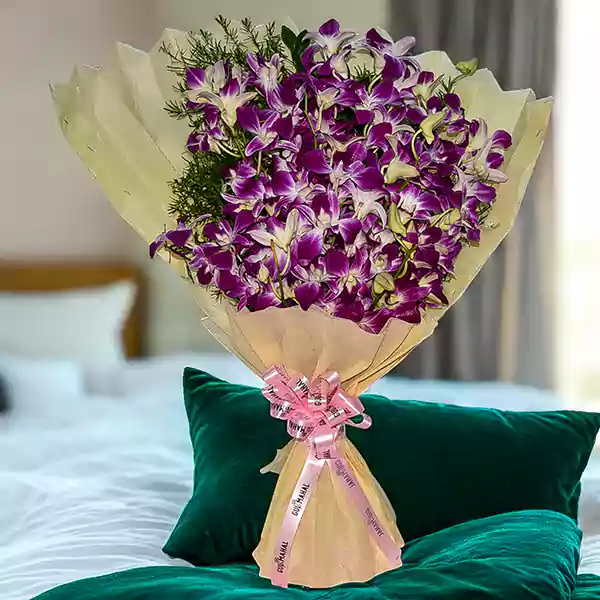 | The “orchid meaning” is often associated with luxury, beauty, love, and strength. In some cultures, it signifies purity and innocence as well. |
| Osteospermum | 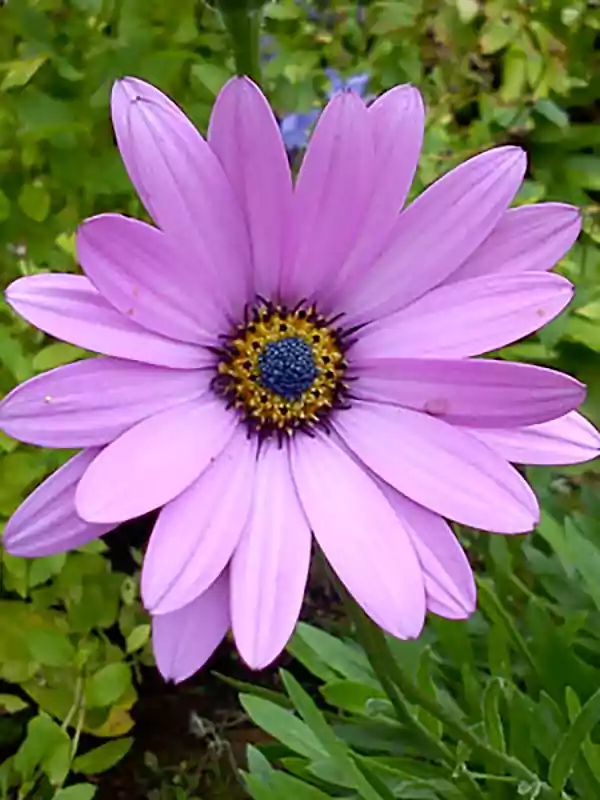 | Better known as African Daisy, Osteospermum flowers commonly stand out for cheerfulness, new beginnings, and optimism. Its ability to withstand harsh weather conditions signifies resilience. |
| Peach Rose | 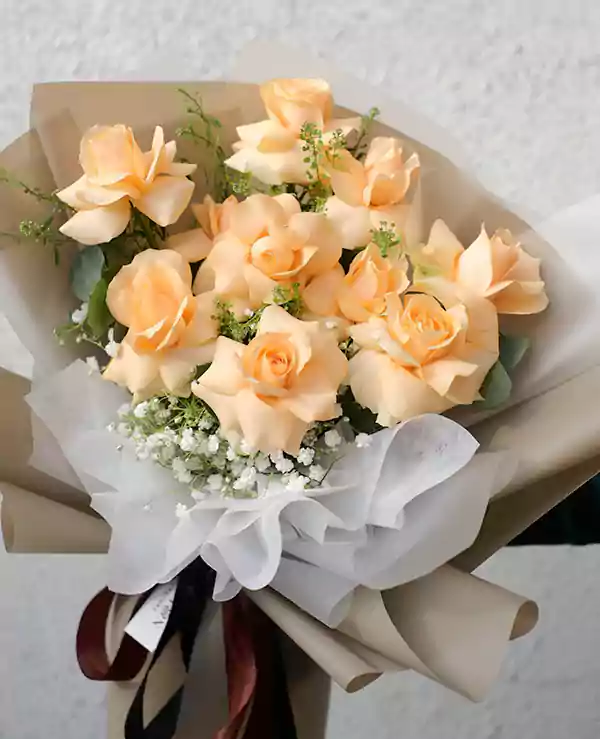 | “Peach rose meaning” is primarily linked with sincerity, gratitude, and appreciation. They are often used for gifting at motivational or congratulatory events. |
| Peony | 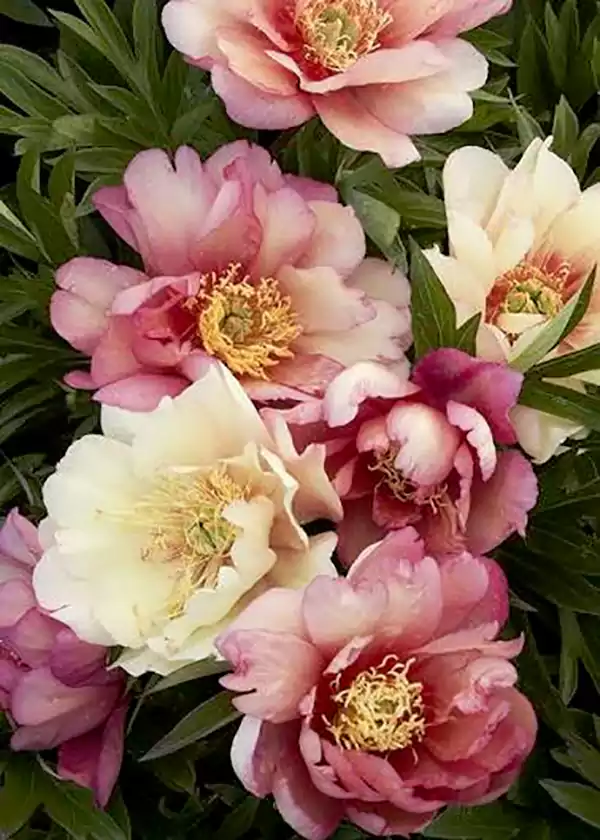 | Peonies are commonly found in many traditional gardens and are mainly planted to convey luck, affection, and intense romance. The white varieties are known to symbolize purity and renewal. |
| Primrose | 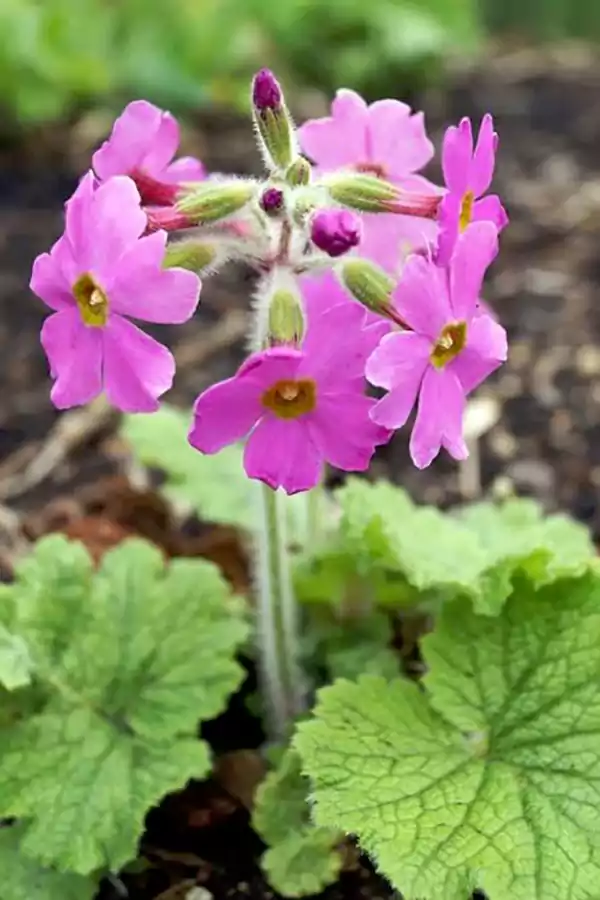 | Primroses are February birth flowers and are known to represent charm, deep longing, everlasting love, and simplicity. These are excellent blooms for gifting purposes. |
| Queen of the Night | 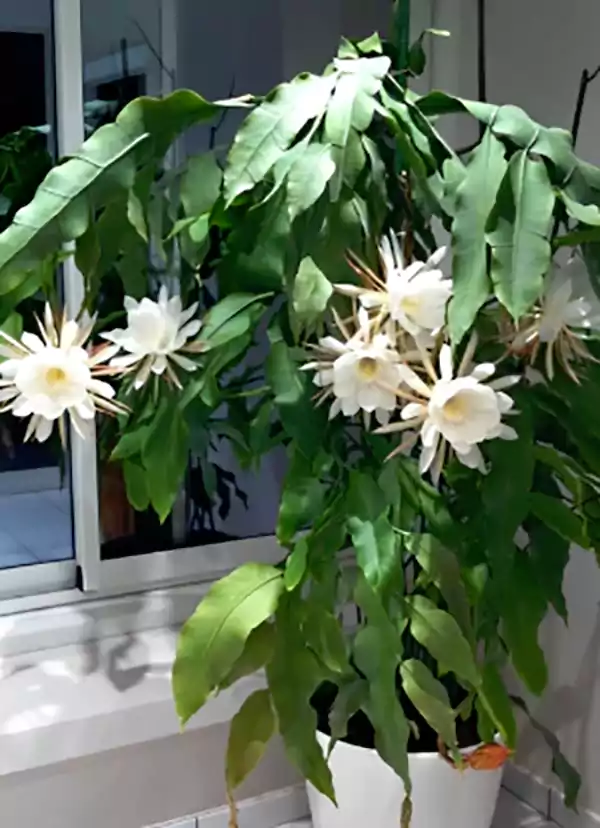 | In many Asian cultures, the Queen of the Night symbolizes good luck and prosperity. It also stands for mysterious romance and thrill. |
| Queen’s Cup | 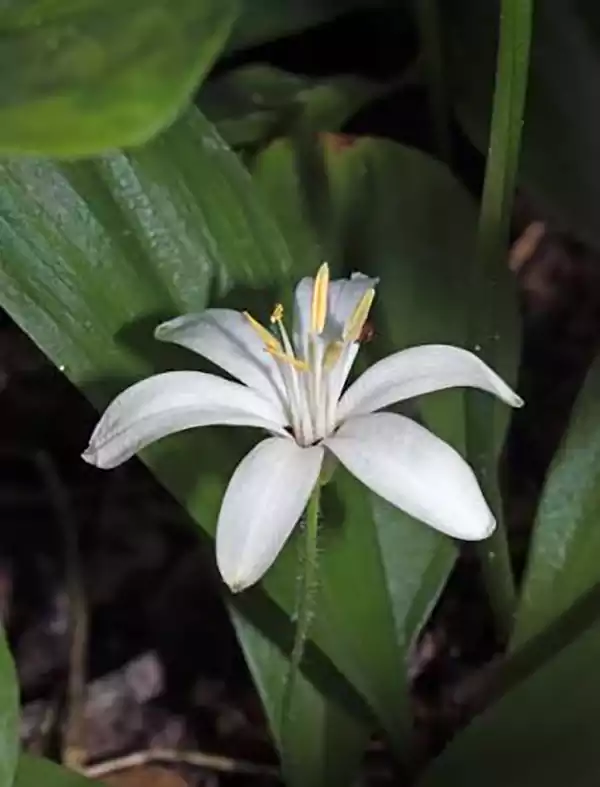 | The Queen’s Cup is also known as bead lily and is popular for its association with innocence, elegance, purity, and ethereal appearance. |
| Queen’s Tears | 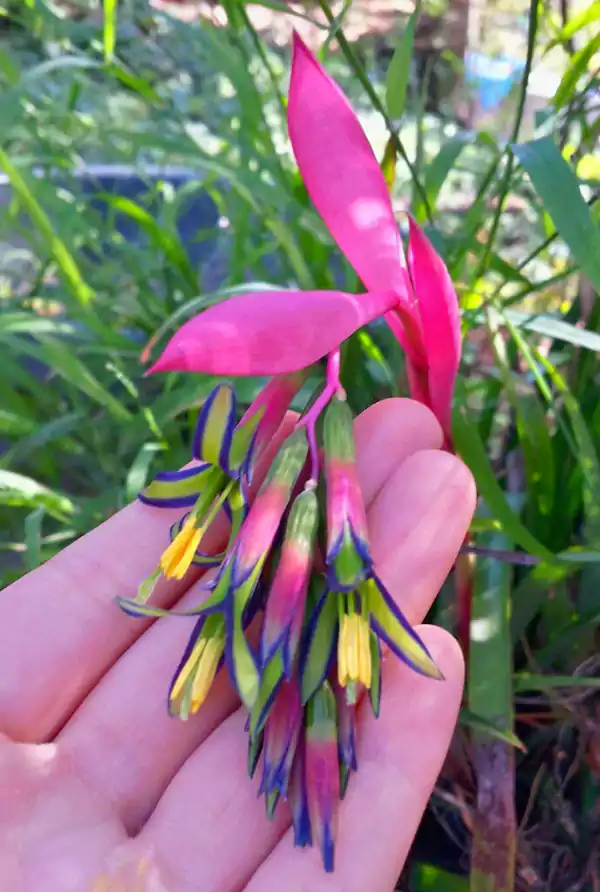 | Although there is no specific meaning or symbolism of this bloom, its drooping habit is known to symbolize dramatic emotions. It is often given at farewells. |
| Rose | 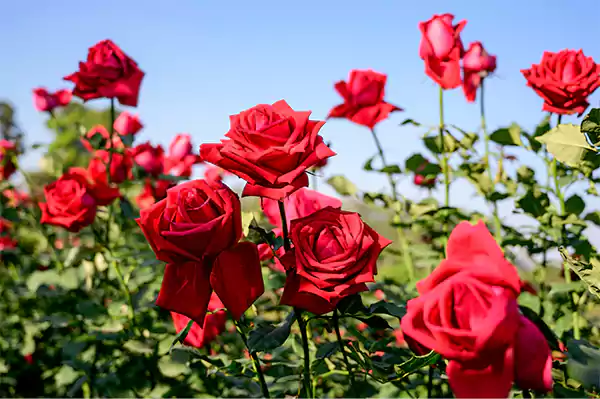 | Roses are one of the most popular flowers and are known to represent varied emotions like love, friendship, joy, warmth, forgiveness, innocence, and sympathy. |
| Russian Sage | 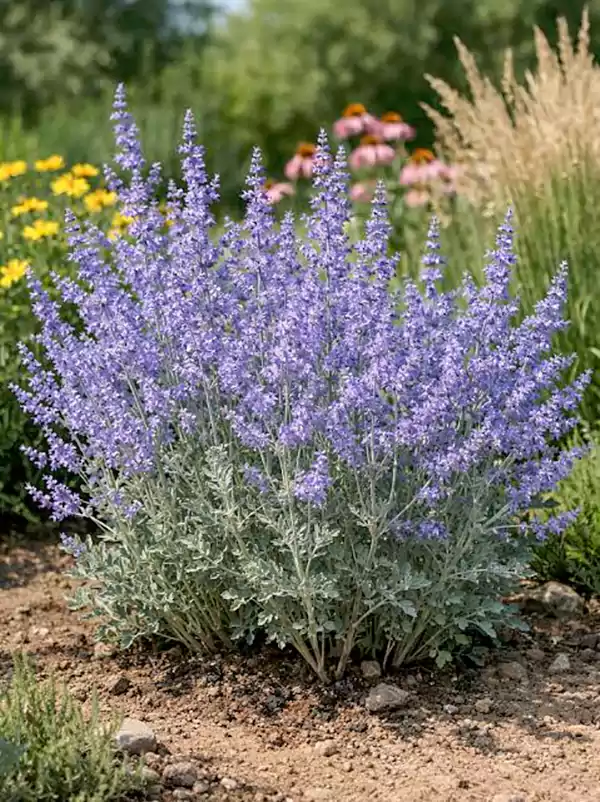 | Russian Sage represents wisdom and power. Its ability to withstand harsh climatic conditions associates the flower with adaptability, toughness, and endurance. |
| Ranunculus | 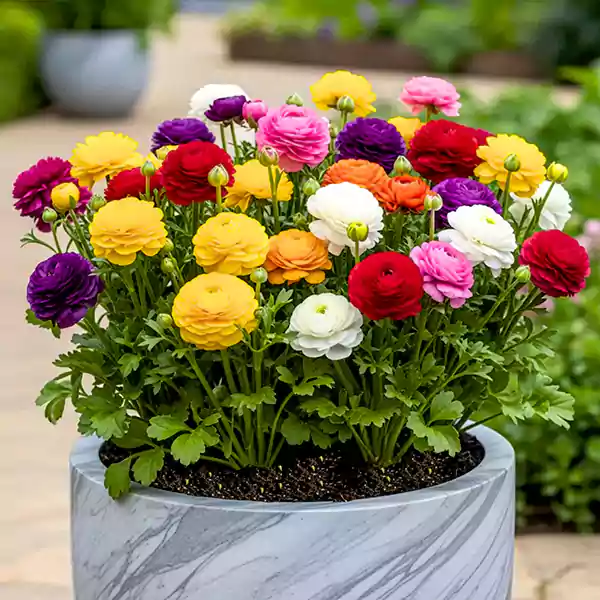 | These are often mistaken as mini roses and are linked with emotions like radiant beauty, charm, positive energy, and grace. |
| Sunflower | 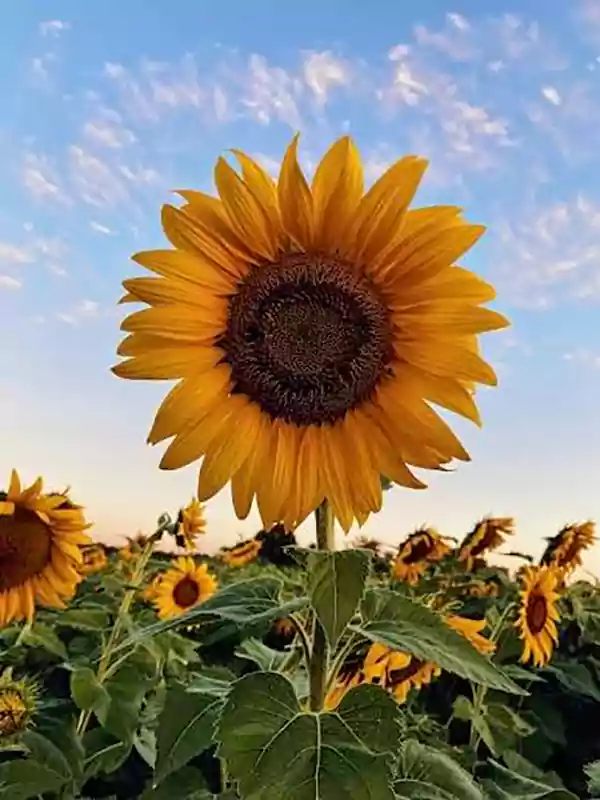 | Sunflower meaning is mainly intertwined with loyalty, devotion, positivity, good luck, prosperity, and warmth. Some species are also known to symbolize love and friendship. |
| Snowdrop | 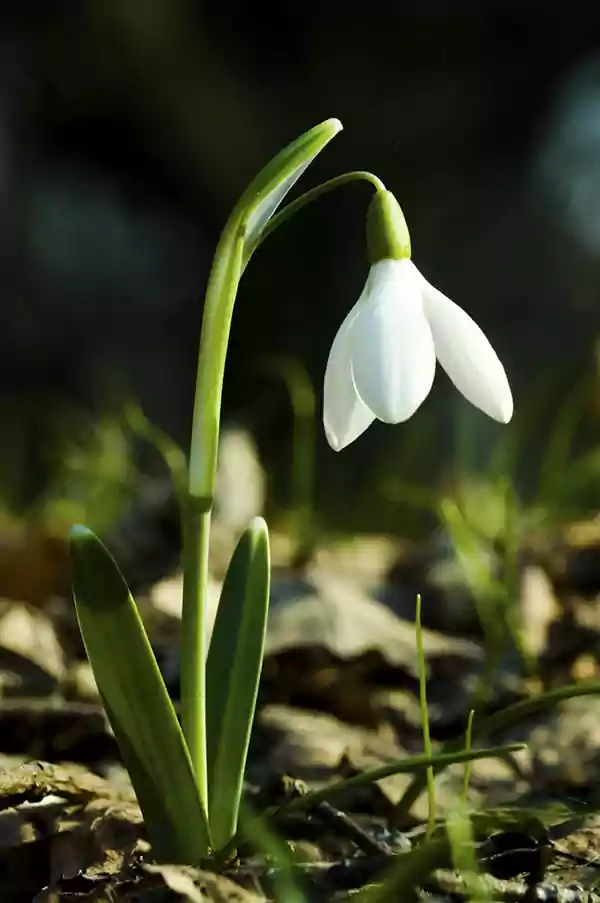 | Snowdrop is a January birth flower and is known to represent individuals with traits like innocence, hope, and firmness. The bloom is also gifted to congratulate on fresh beginnings. |
| Snapdragon | 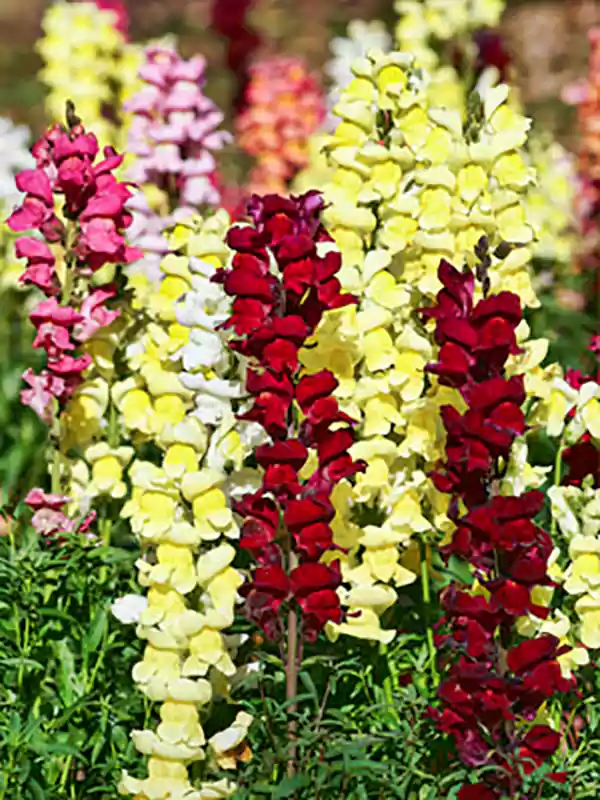 | Snapdragon is a famous winter garden plant and symbolizes strength, grace, elegance, mystery, and protection. |
| Tulip | 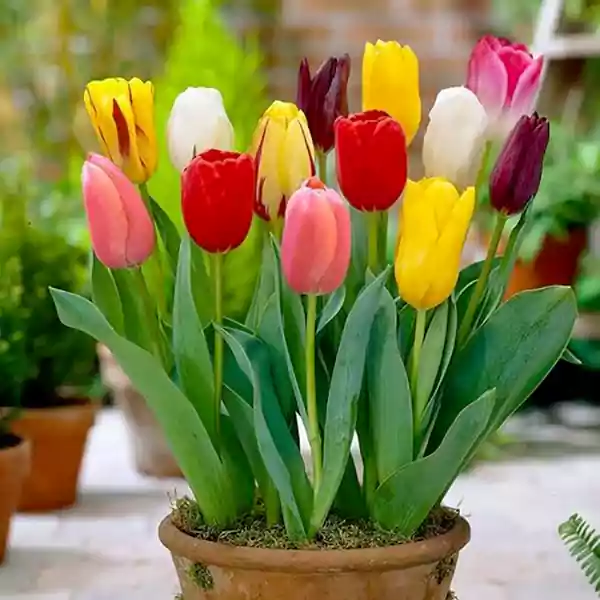 | Tulip flower meaning in the language of blooms is linked to pure love, peace, innocence, friendship, warmth, and positive energy. |
| Touch Me Not | 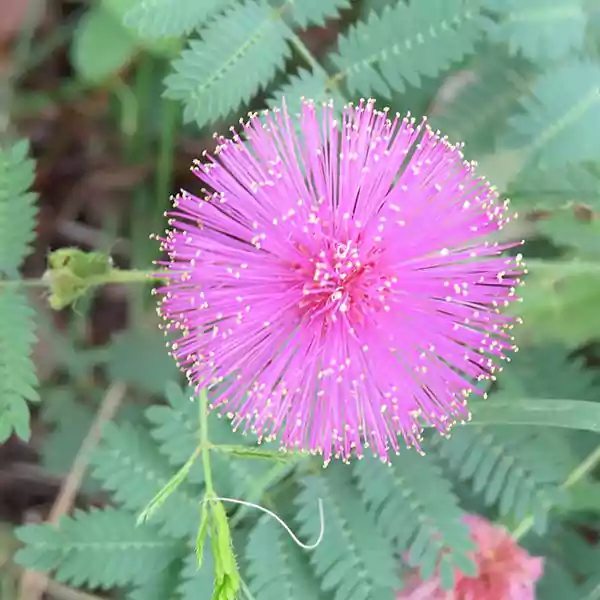 | Although there is no specific meaning about this flowering species, it is known to convey modesty, sensitivity, and protection. |
| Torch Lily | 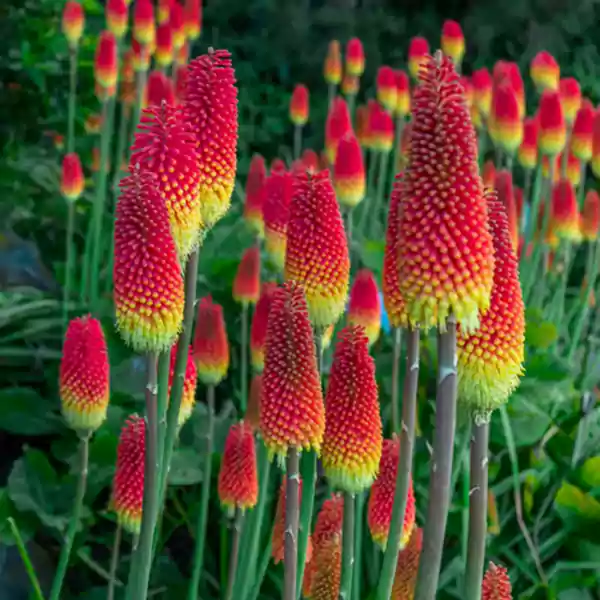 | Torch Lily is a stunning flower that looks like flame. It symbolizes passion, intense romance, boldness, and firm confidence. |
| Viola | 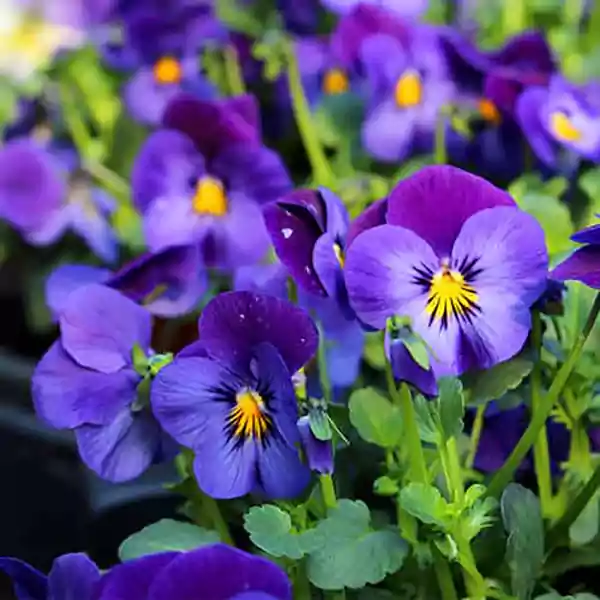 | Viola is a low-maintenance flower and is often used in floral arrangements as it symbolizes emerging love, long-lasting friendship, rebirth, and motherhood. |
| Vernonia | 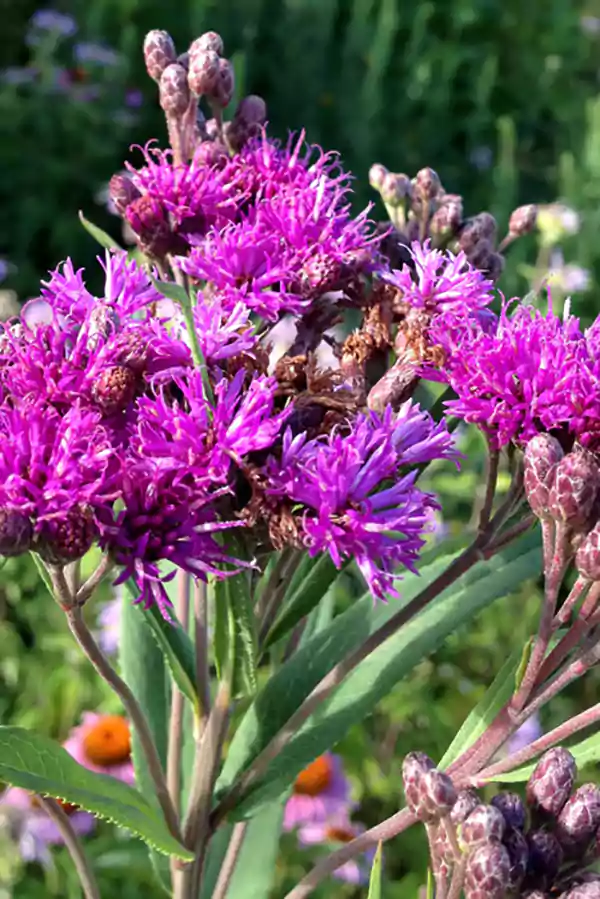 | The common name of this species is iron weed, and it is often linked to inner courage, adaptability, optimism, and boldness. It is typically gifted to express trust and reliability. |
| Venus Flytrap | 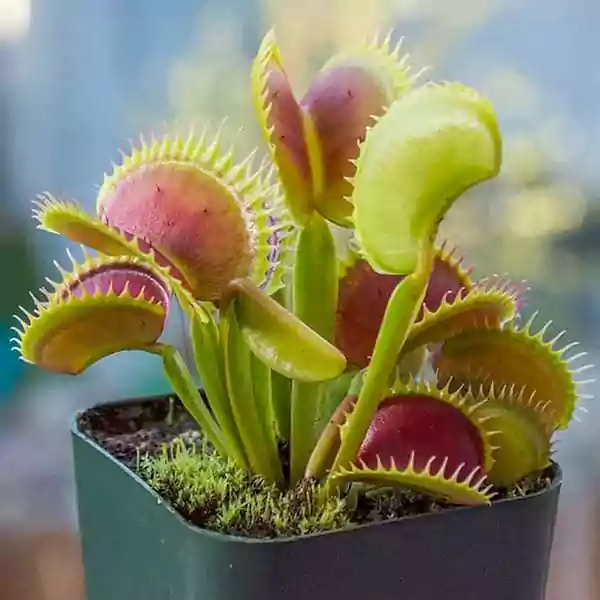 | Venus Flytrap is a carnivorous flowering plant and is associated with uniqueness, survival, protection, and boldness. |
| Wallflower | 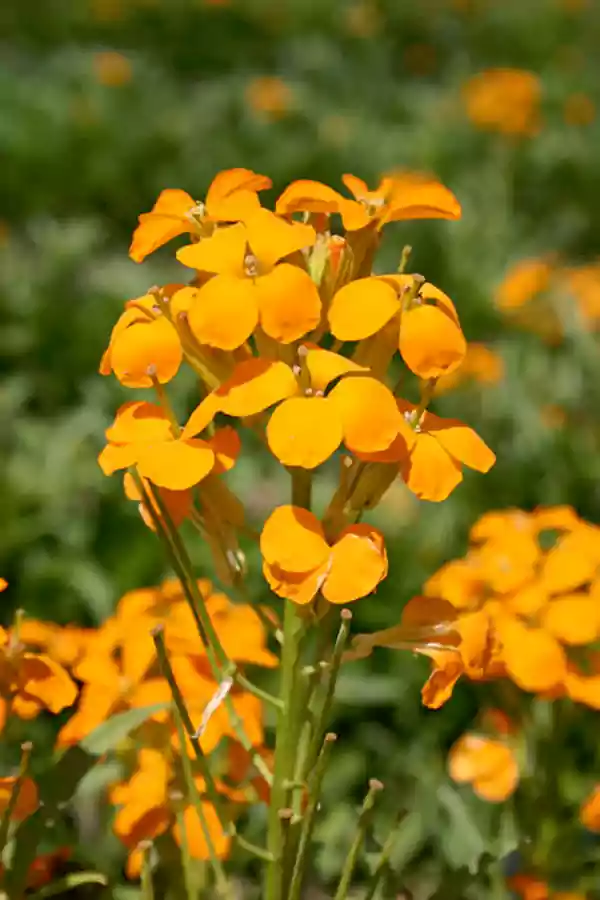 | Although there is no specific meaning of the bloom, wallflower is an alluring spring flower and is often gifted to express emotions like adaptability, resilience, and strength. |
| Wax Begonia | 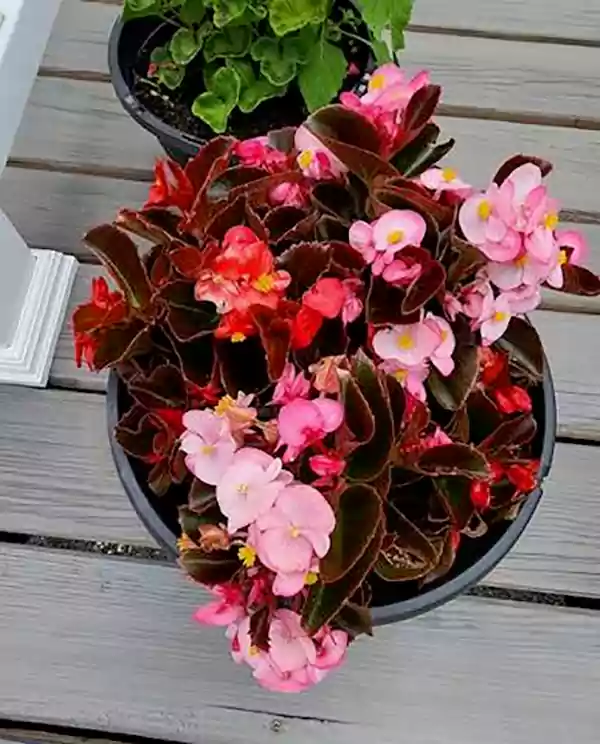 | In many eastern traditions, Wax Begonia is linked with deep thoughts, gratitude, harmony, and wealth. Modern interpretations associate the bloom with spirituality. |
| Windflower | 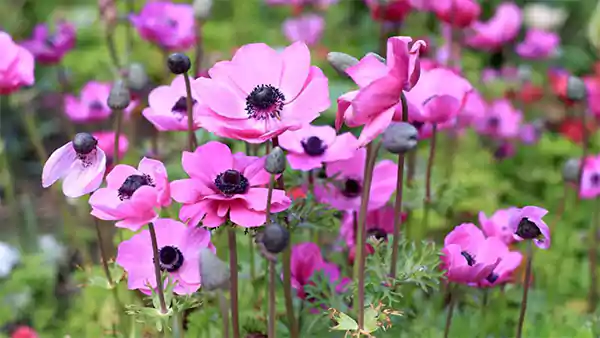 | Many Greek legends tie the windflower with forsaken love, transient life, grief, and illness. Medieval Europeans used the flower as an offering on graves. |
| Xeranthemum | 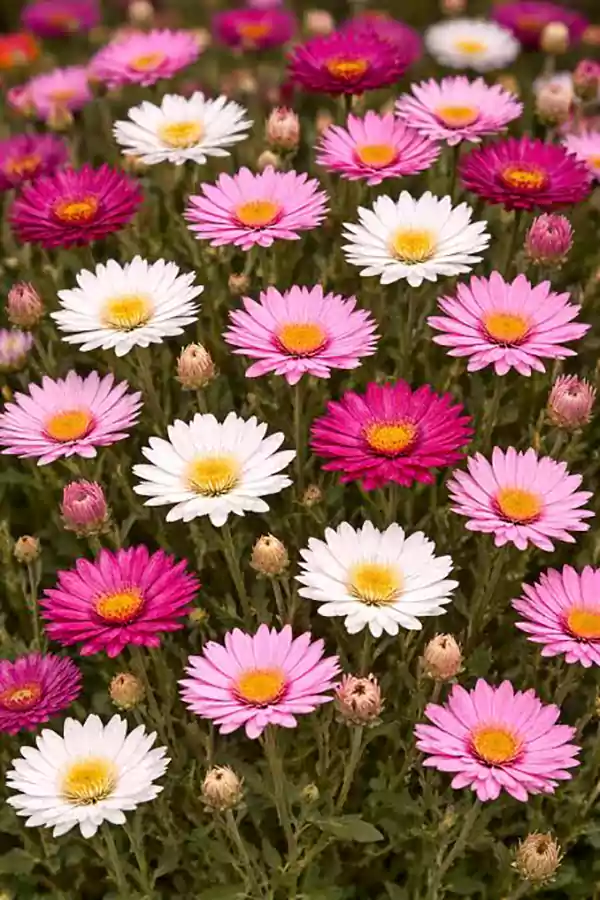 | Xeranthemums are everlasting flowers that primarily symbolize immortality, eternity, and long-lasting love. These are also used in floral arrangements representing joy and warmth. |
| Xyris | 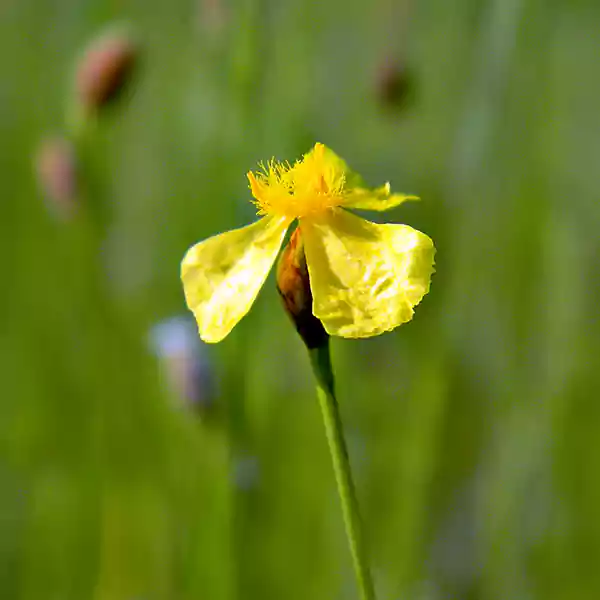 | Xyris is an all-season flower and is often associated with beauty, toughness, and clarity. Due to its medical properties, it is also linked to healing and care. |
| Xylobium Colleyi | 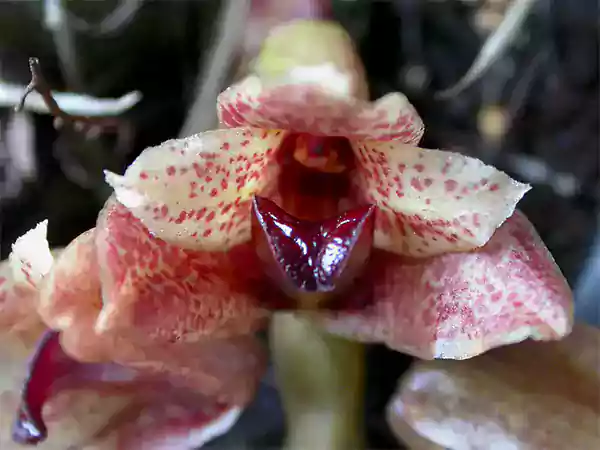 | Xylobium Colleyi is a warm topical flower and has no specific meaning. Its thriving nature links the flower to toughness and boldness. |
| Zinnia | 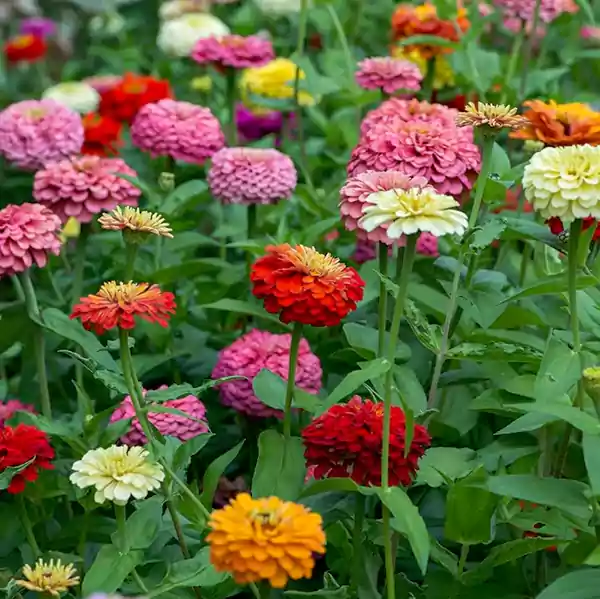 | The varied color shades of the Zinnia flowers symbolize distinct meanings such as endurance, lasting affection, remembrance, forgiveness, and deep love. |
| Zebra Iris | 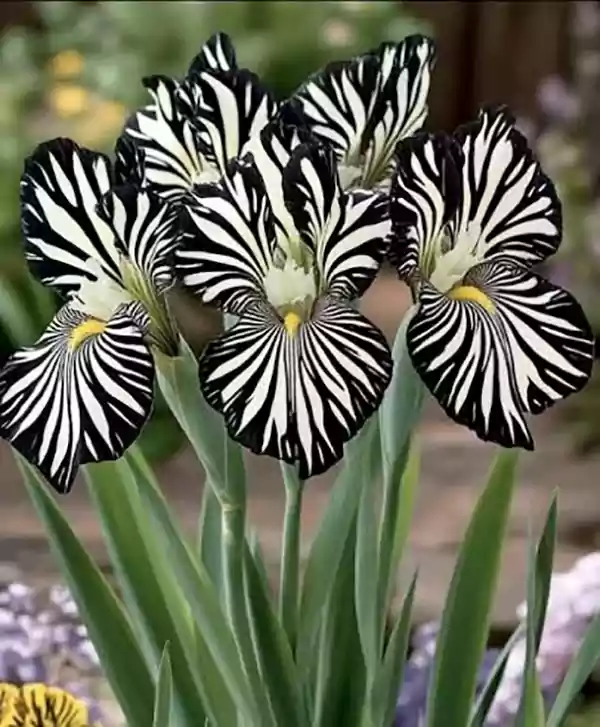 | This unique botanical marvel is known to symbolize individuality, boldness, hope, faith, courage, and valor. |
| Zephirine Drouhin | 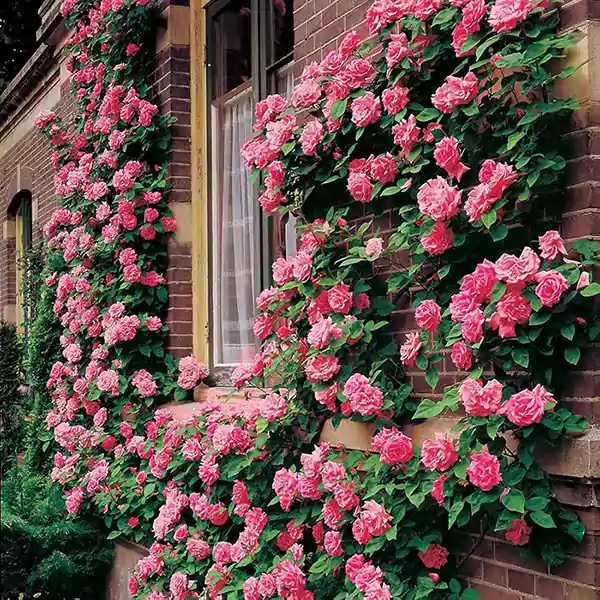 | Also known as Bourbon Rose, this climbing flower meaning is linked to grace, comfort, beauty, and persistent efforts. |
Conclusion
Flowers have a unique way of expressing emotions when words are not enough. From Aster to Zinnia, every bloom carries its own symbolism and is used to represent deep sentiments. By exploring this A-Z flower meanings guide, you can have so many thoughtful gifting options.
FAQs
What flowers have symbolic meaning?
Nearly all flowers carry deep symbolic meaning. As per the Victorian language of flowers, the meaning of the bloom can shift depending on its color, growth habit, and sometimes even the place it is being grown in.
What birth month is a forget-me-not?
Forget-me-not is primarily recognized as a September birth flower. It is known to symbolize enduring love, remembrance, affection, and newly emerging admiration.
What plant says “sorry”?
In the Victorian language of flowers, purple hyacinth is often used to express remorse or sorry. It is directly used to convey messages like “I am sorry”.
What is the best flower to ask for forgiveness?
Flowers like white tulips, hyacinth, roses, and daffodils are mainly used to seek forgiveness. These blooms historically symbolize peace, innocence, and fresh beginnings.
What is the 3-5-8 flower rule?
The 3-5-8 rule is a technique followed by florists while preparing a bouquet, which basically means adding 3 focus flowers, 5 secondary supporting flowers/stems, and 8 filler flowers.
Flower Colors and Their Meanings: A Complete Guide
[…] This is when floriography, the “language of flowers,” emerged and became popular during the Victorian era. It was a time when flowers were used to communicate messages and feelings that words can’t express. The flower meanings are still symbolic. […]