Plant care can be a daunting task, especially if you are a beginner. It involves keeping the right plant choice, watering, sunlight, and soil needs in check, along with regular maintenance that changes with the season. As per my experience, these steps can be made less overwhelming by strategic planning and not going overboard with any step.
Moving further in the article, I will take you through every step of plant care that is significant for novice gardeners, along with some bonus insights.
Quick answer
Plant care for beginners involves strategic planning and choosing easy plants to grow, keeping their basic requirements in check, like water and sunlight, paired with gardening tools and a monthly care routine that adjusts as per the changing season to accommodate the plants’ seasonal needs.
Basic Plant Care Tips for Beginners
The first step for a novice gardener is to select easy plants for the first time, followed by providing them with adequate nutrition.
I have listed some basic care tips for plant care:
1. Plant Selection
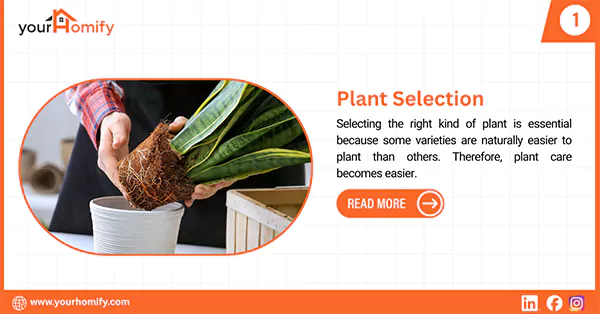
As a beginner, selecting the right plant is the most crucial step, as it ensures an easy, hassle-free gardening experience and helps you learn slowly and steadily with each plant.
According to Yahoo, the snake plant is by far the most forgiving overall, and the philodendron is the fastest-growing variety if fast results are what you are expecting.
2. Sunlight
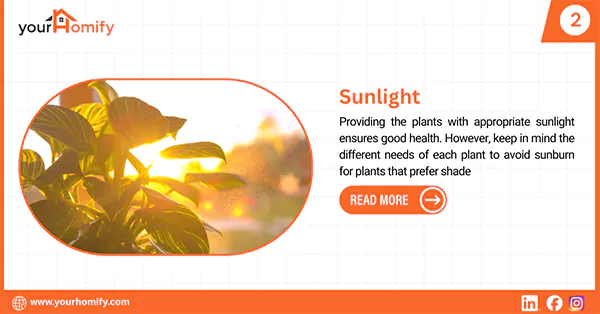
Sunlight is essential for plants for photosynthesis. While ample sunlight is great for your garden, remember every plant has different needs.
For example, the sunstar flower thrives in full sun, but the hellebore flower is a shade plant that requires partial to full shade to grow.
3. Water Needs
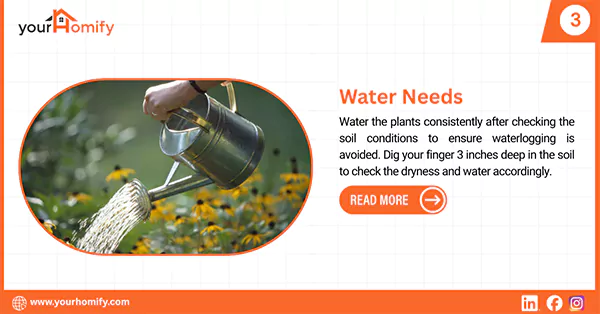
Watering the plants as a beginner can be tricky because each one has different water needs. Like the peace lily, which prefers damp soil, the purple coneflower can tolerate dry spells.
Assess the soil condition regularly to make sure the water is draining well; root rot can lead to premature wilting and the plant’s eventual death.
YourHomify Tip
Never water plants mid-afternoon, as the sun makes the water evaporate faster. The best time to water the plants is early morning when the soil is still cool or late evening if you have a really busy schedule.
4. Soil Type
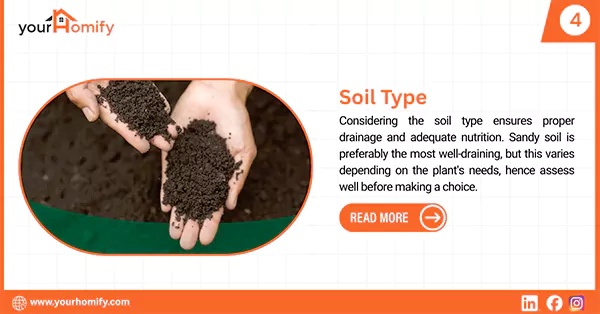
There are 6 types of soil, each with different water retention, texture, and drought tolerance. As per BBC Gardeners’ World, sandy soil is the most well-draining soil, perfect for plants that can tolerate dry spells.
Every plant has different soil needs and should be planted accordingly. Perform a soil test to determine what the best plants are to grow in your garden.
5. Planting Time
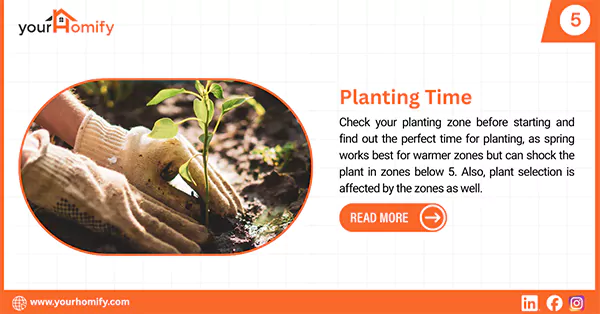
Planting at the right time determines the health of the plant. For every zone and climate, the right plants and time to grow vary, as seeds need their own time to germinate, and root formation is only possible in a warm environment.
Check your planting zone using your ZIP code on the USDA plant hardiness zone map. This will help you understand your location better and plant mindfully.
6. Fertilizing
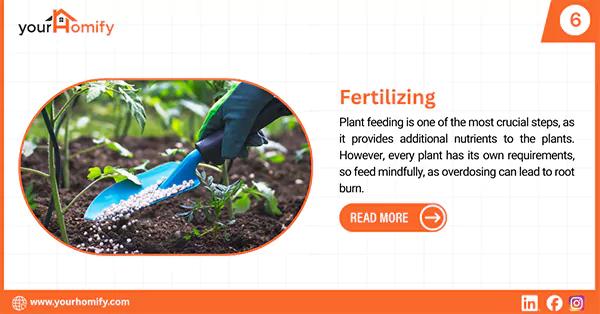
Fertilizing is one step that most beginners get wrong. While plant food is great for healthy growth, every cultivar has its own requirements. For instance, peonies and pink dahlias enjoy a good dose of fertilizer, but the sedum plant can survive in poor soil conditions as well.
List of Gardening Essentials for Beginners
It is important to have a checklist of important gardening tools like gloves, pruners, and a watering can to maintain your plants effectively.
As a beginner, make sure you stock up on the following essentials before starting your gardening journey:
1. Gloves
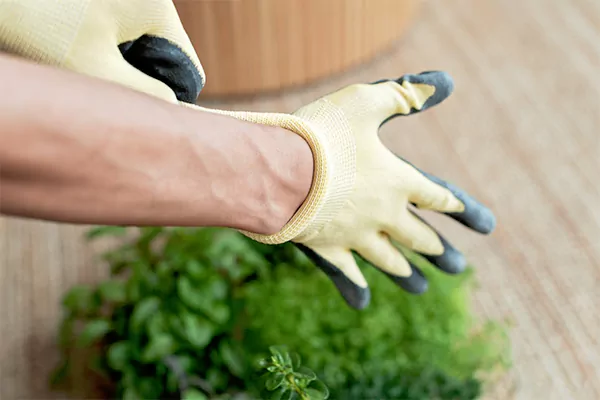
- Gardening gloves are a mandatory essential for two reasons: one is hygiene, especially when you are dealing with soil and chemical fertilizers, and secondly, some plants have thorns or can cause skin allergies.
- As a beginner, you are unfamiliar with most plants; wearing gloves is a must.
2. Pruning Shears
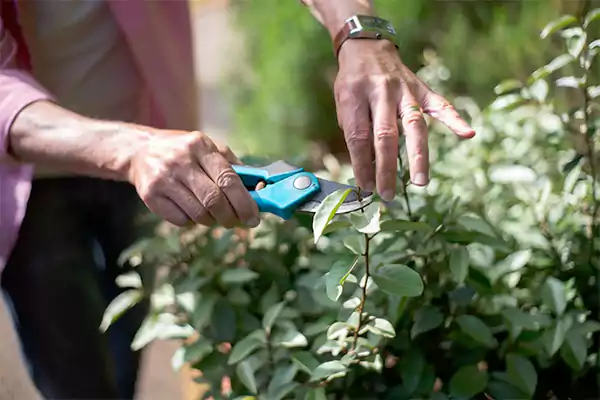
- Pruning refers to removing dead and damaged parts of the plants, and it is best done using pruning shears.
- This tool ensures the plant stems are not damaged during deadheading.
- There are 3 different kinds of pruners: bypass, anvil, and ratchet pruners, of which bypass is the most commonly used and ratchet is used if you have weak hands, as it lets you make a cut in 2-3 attempts.
3. Watering Can
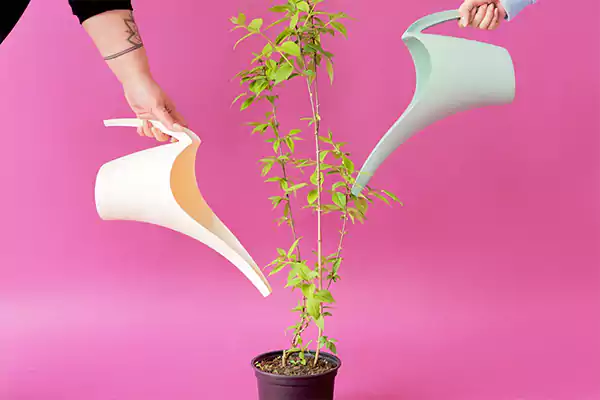
- Watering is the most essential plant care step and is best done using a watering can. A proper container enables an even flow of water and prevents overwatering.
- The best kind of watering can is a plastic one because it is cost-effective and long-lasting.
Watering Can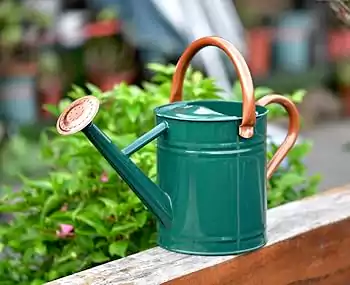 |
| Buy Now |
4. Weeders
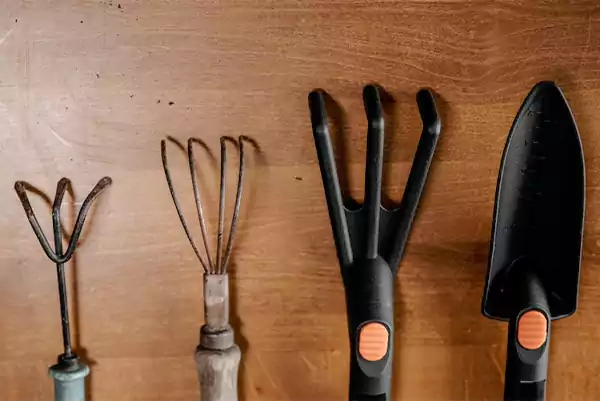
- Weeders are an underrated gardening tool that reduces the hassle of manual weeding.
- Weeds are small, unwanted plants that halt the growth of neighbouring species and attract pests, which lead to crop failure.
5. Hand Trowel
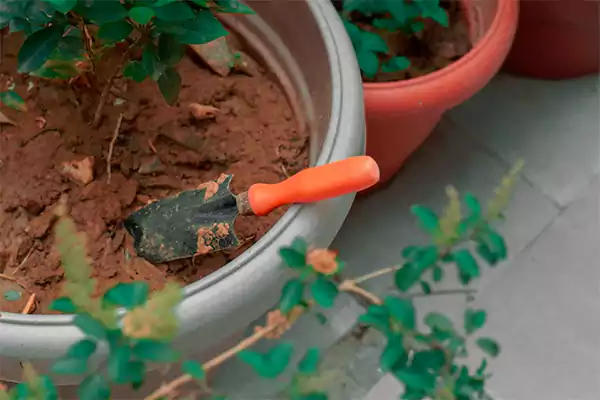
- A hand trowel might be the most common gardening tool that is used in turning up the soil, digging holes, and transplanting potted plants to a new location.
6. Rake
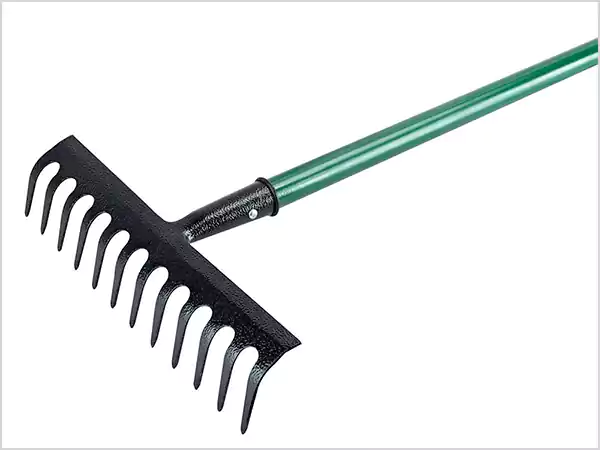
- A rake is a long-tailed gardening tool with a row of sharp spines at the bottom. It is mainly used to even out the soil, remove the debris, and prepare the soil for planting.
How to Read a Plant That’s Struggling?
Wilted leaves are the first sign that the plant is struggling. Reading a struggling plant is easier than identifying the cause behind it. Initially, I struggled a lot with brown tips and yellowing leaves without knowing what went wrong.
Plant care can be simplified with simple observation. I have curated the symptoms of a struggling plant along with reasons and solutions.
| Symptom | Cause | Solution |
| Wilting | Underwatering | Water the plant immediately and do not leave the soil dry for long. |
| Brown Leaves | Low humidity in the air is especially problematic for tropical plants. | Place the plant near a bathroom or near a water-filled pebble tray. |
| Leaf Drop | Environment change/reporting | Water consistently and do not feed fertilizers. |
| Pale Leaves | Excessive light | Bring the plant indoors or provide it with afternoon shade. |
Common Mistakes to Avoid While Gardening
Overwatering is the most common mistake that new gardeners make, often because of the misconception that all plants need plenty of water.
While mistakes are inevitable in gardening, here are some common issues that should be avoided for a smooth gardening experience:
- Avoid overcrowding the garden with different plants for a lush green landscape. This makes the plant compete for basic nutrients like sunlight and air.
- Do not overwater plants unless they require damp soil, like aquatic plants. Otherwise, check the top layer of soil before watering to avoid waterlogging.
- Improper placement also leads to premature wilting because some plants prefer shade while others prefer direct sunlight. Hence, research well and plan accordingly.
YourHomify suggestion
For plants placed outside, use a garden screen to protect them from afternoon shade. For potted plants, move them to shade during peak afternoon hours.
How to Make a Plant Care Routine as a Beginner?
A plant care routine can be divided into 3 parts: daily, weekly, and monthly, which segregates all the care tasks into a fixed schedule, making maintenance easier for new gardeners.
Take a look at these tried and tested care routines, which have worked effectively for me over the years:
Daily
- Check the plant placement and change it according to the shade requirement, if any.
- Inspect the plants for any pests and dead leaves. I usually snip off the dead leaves as I spot them.
YourHomify Insight
Many gardeners use a rule of thumb by digging a finger 3 inches deep in the soil. If it is dry, then water it immediately.
Weekly
- Watering is one weekly ritual because for the majority of the plants, watering is done once or twice a week. I usually go for the weekend, as it ensures I spend enough time to inspect if that plant has been infected or not. Make sure to water the plant early in the morning, but check the soil dryness to avoid overwatering.
- I usually remove the dust from the leaves that have accumulated over the week. This should be a daily task, but for people with busy schedules, once per week works just fine.
Monthly/Seasonal
- Monthly schedules include plant feeding. For heavy feeders, one dose of fertilizer is essential.
- Another important step that I do not miss is repotting as the plant outgrows the pot after a few months, which restricts the growth of the roots.
- For monthly care, adjust as per changing seasons. For example, reduce the watering and fertilizing as fall approaches because the plant goes dormant.
YourHomify Tip
This schedule works best in coordination with the others. A monthly routine would not work for you if weekly cleaning and watering are not performed properly.
Concluding Remarks
Plant care is a rewarding process that can feel overwhelming at first, but it gets easier with every step. Starting with listing out easy-to-care-for plants for a slower start to making sure the plant receives all the essential nutrients, every step of the way has its own set of challenges and learning.
My advice to new gardeners would be not to go overboard with any step initially and expand as you learn.
Happy Gardening!
FAQs
Why is plant selection important for beginners?
Plant selection is the most important point for beginners to ensure it is not time-consuming and frustrating, especially when you are just starting.
Which is the easiest plant to grow?
While many plants are easy to care for, the snake plant is believed to be the easiest plant to grow.
What is the most common plant care mistake that beginners make?
Overwatering is the most common mistake new gardeners make, and it can cause wilting.
How to make a plant care routine as a beginner?
To make a plant care routine, divide the care steps into daily, weekly, and monthly schedules so that it feels less overwhelming.
How to tell if a plant is struggling?
The most common symptoms in a struggling plant are browning and wilted leaves.
- 17 Best Gardening Tips for Beginners and Experts Alike – Yahoo
- Garden Myths: Watering – PennState Extension