

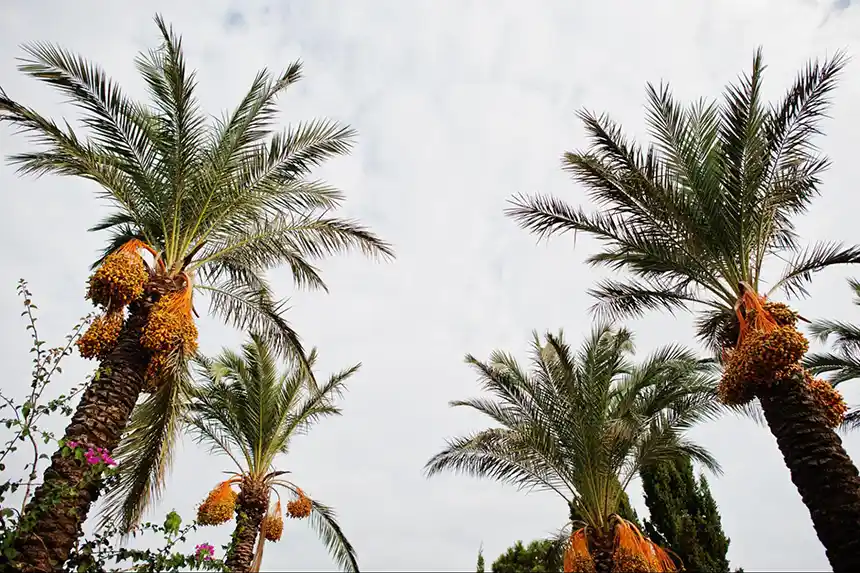
Date trees, or Phoenix dactylifera, bloom in hot, dry climates and start growing early in the year. Cultivating date trees requires patience since they take years to produce fruit even in their leading provider country, Egypt. The process involves steps such as rinsing and germinating from a seed or an offshoot. These nutrient-dense fruits grow from trees reaching 30 meters, generally, with dwarf varieties suited to container and indoor growing.
For a date plant to grow, you need well-draining soil, 6-8 hours of sunlight, and patience; trees take 4-8 years to reach maturity. Let me take you through the steps on how to grow a date tree, its requirements, necessary care, and harvesting the fruits.
Quick Answer
A date tree is an evergreen plant best grown in dry and hot climates. It requires 6-8 hours of sunlight and loamy soil that is acidic or alkaline. Spring and fall seasons are favorable for it to grow, and it generally grows between 15- 30 meters and takes 4-8 years to reach maturity.
What Is A Date Tree and Its Taxonomy?
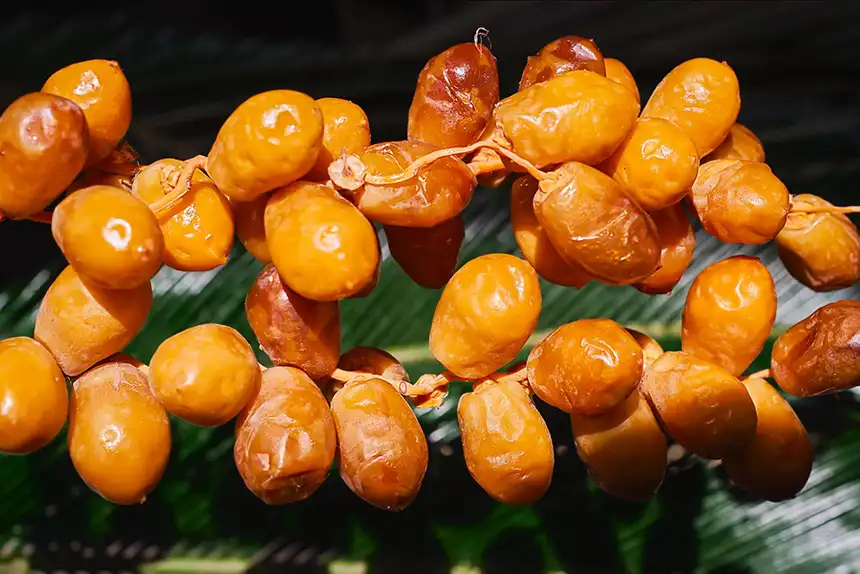
A date palm is a dioecious plant with separate male and female flowers. They are native to the Middle East, North Africa, and parts of Asia, and are economically and historically important. It has a dense trunk with pinnate leaf bases and can reach heights of around 15-30 metres in height and widths of 20-40 feet, growing in clumps or singly with a single root system.
They are an evergreen type of monocotyledonous woody perennial plant with a lifespan of 100-150 years.
Mature, established date palms require 6-8 hours of sunlight daily and 20-25 liters of water twice a week. The species is suitable for USDA hardiness zones 9-11 and grows well in sandy, loamy, and well-drained soil. Date palms generally grow in spring, about 1-2 feet every year, and are non-toxic.
Let us explore its taxonomic framework now.
| Common Name | Date Palm |
| Botanical Name | Phoenix dactylifera |
| Family | Palmaceae (Arecaceae) |
| Order | Arecales |
| Sub-family | Coryphoideae |
| Tribe | Phoeniceae |
| Genus | Phoenix |
| Species | Dactylifera L. |
How to Grow A Date Tree?
There are two ways to grow dates: through seeds or an offshoot. Between the two methods, through seeds or an offshoot, the latter is much better for propagation since it is a faster, genetically reliable way to yield results. Growing the plant through seeds often doesn’t produce desirable results because the probability of it producing male plants is higher, stopping the method altogether.
1. Planting Date Seeds
Remove the fruit, wash and soak the seed, germinate it in a Ziploc bag with enough moisture, and transplant it at the end. Here are a number of steps to help you grow dates at home.
Step 1: Remove the Fruit from the Seed
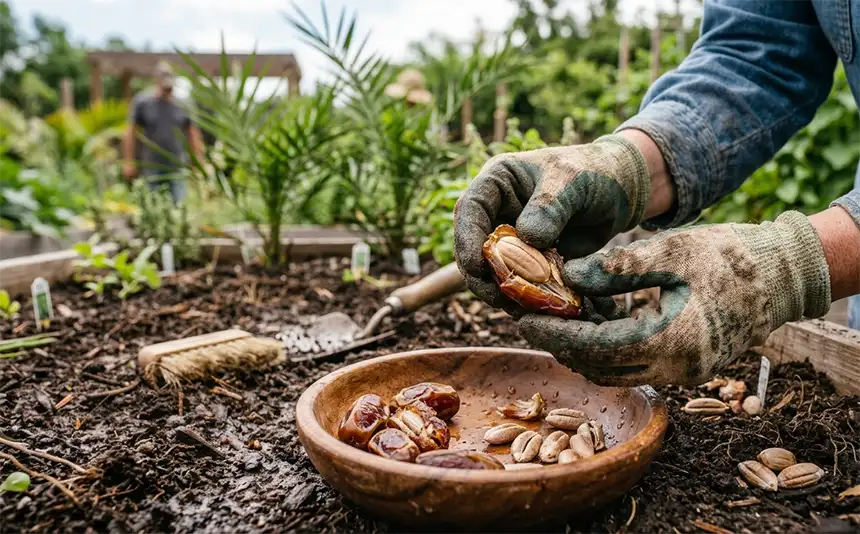
Remove the seeds from ripe dates. It is suggested to wear gloves to remove the pits since they will probably be moist.
Remember that dried dates will be of no use in this case.
Step 2: Rinse and Soak the Seeds
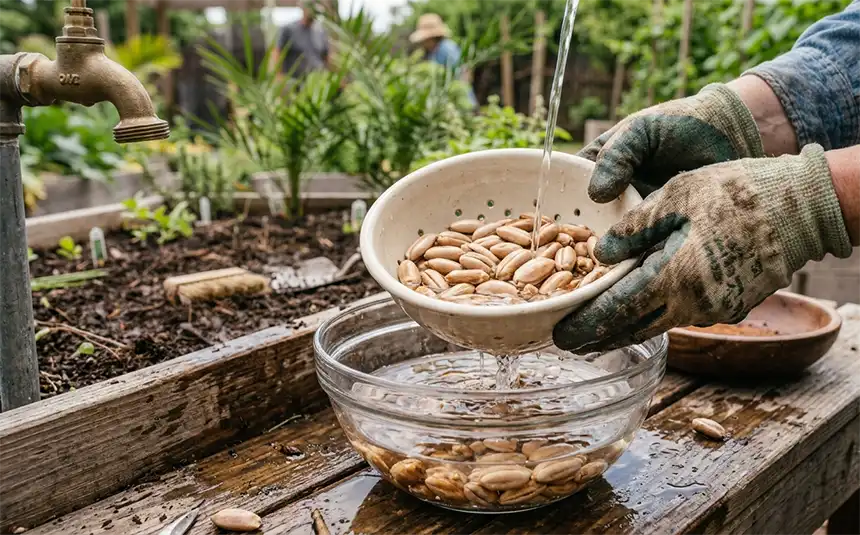
Clean the pits of any residue and soak them for at least 48 hours in clean water. This helps soften the hard shells to help the plants sprout faster.
Step 3: Allow Germination of the Seeds
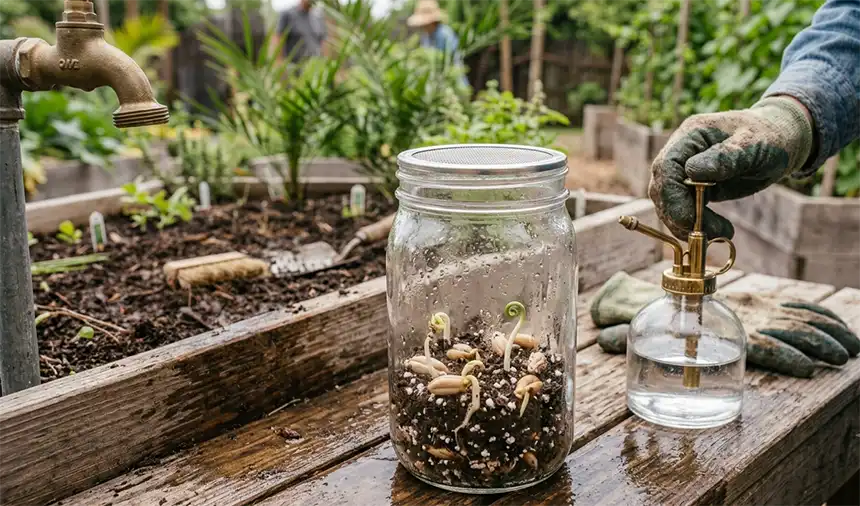
You could use a wet towel to wrap the pits and then put them in a Ziploc bag or a jar so that they retain moisture. It is necessary to check the moisture levels regularly to help support growth. The sprouting should start showing at around 6-8 weeks.
Another way is to put the pits into their own seed-starting mix. Partially cover the seeds with soil to promote growth.
Step 4: Transplanting the Seeds
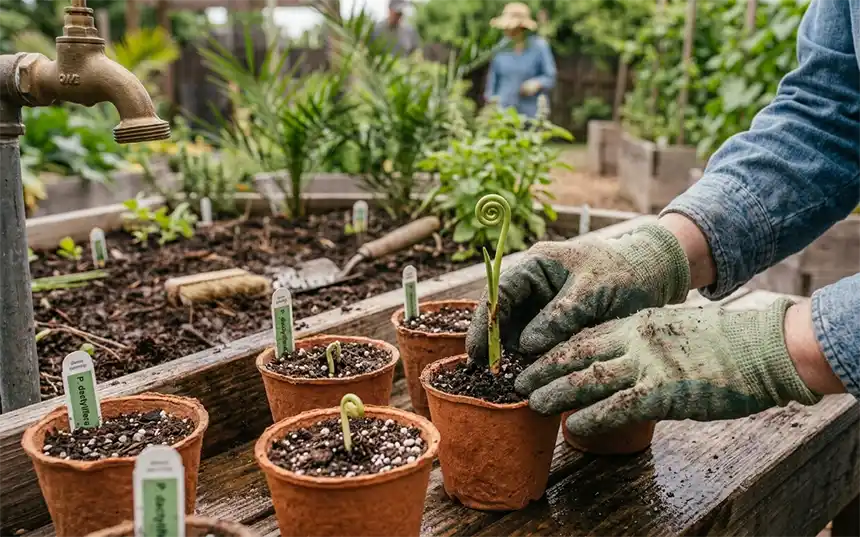
Signs of sprouting from the seeds indicate that it is ready to be planted. Use well-draining, sandy or loamy soil to pot your plant. Plant your sprouted seed 1.8 to 3 cm deep so it will be able to peek out from underneath the soil, only one at a time. Provide water regularly and practice patience.
2. From an Offshoot Plant:
An offshoot should not be planted directly. Identify a healthy one that is free of diseases and infections. It is suggested to dig up a hole a month or two before planting an offshoot. Separate it properly from its true parent plant. Try to get in as many roots as possible, and irrigate the hole regularly to promote root growth and allow decomposition of manure. Keep the leaves above soil level to prevent rotting or desiccation. Irrigation is dependent on the soil and should be done frequently under the sun, away from harsh climatic conditions.
Step 1: Select an Offshoot
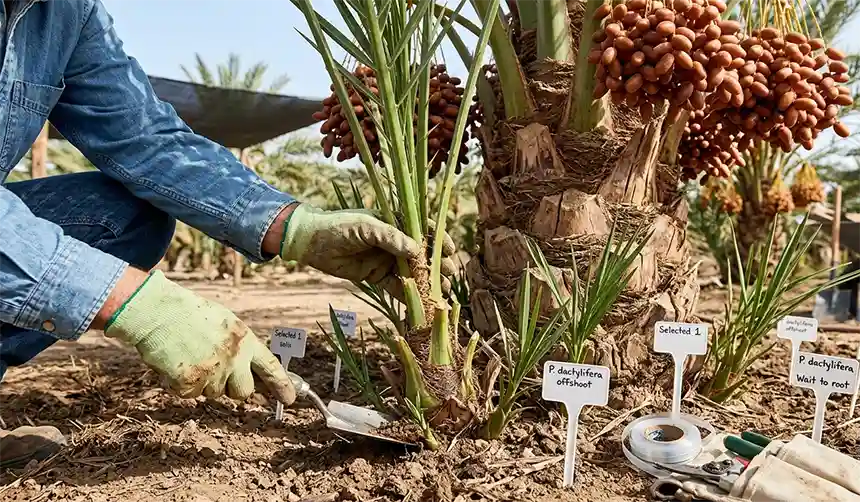
Select an offshoot from a true Date Palm. Ensure that they are free of diseases and infections. They should have enough roots and be about 2-5 years old, so they are well-developed. More roots indicate a guaranteed result of better fruit.
Step 2: Root Initiation
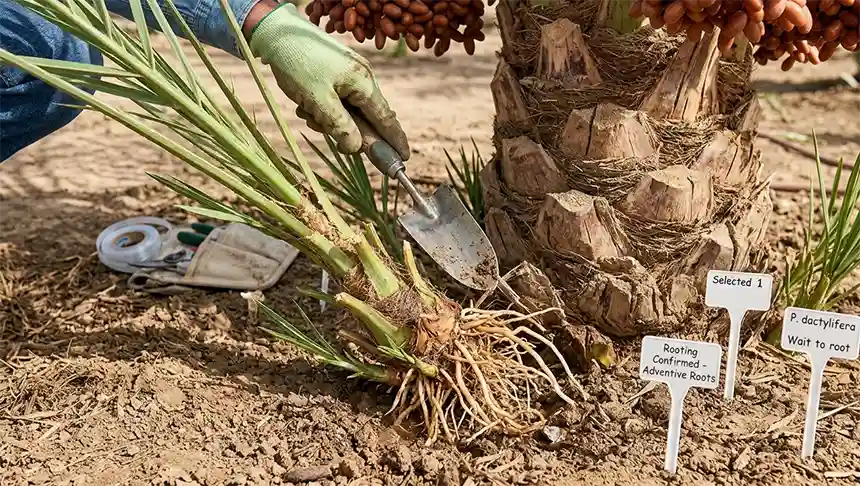
Remove the soil from the base to increase the chances of its survival. Manure (FYM) can be used for propagation in this case, or any regulators to support root development. This should be done for 3-4 months to retain moisture so that the plant will be ready to be moved.
Step 3: Removal of the Offshoot
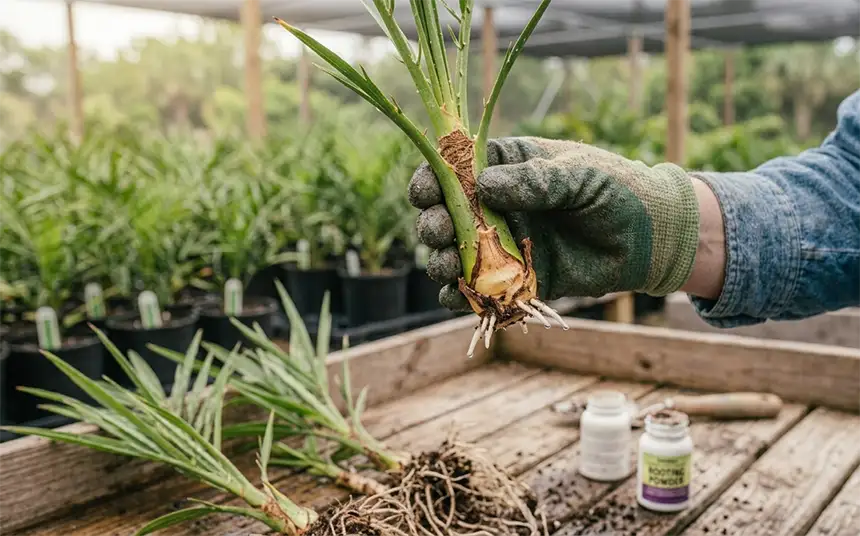
The most favorable time to remove an offshoot is when the mother plant is dormant. For this process, early spring and fall are the recommended seasons. The signs of a mature offshoot are visible in its roots and leaves, and they typically have 8-10 healthy fronds. Be on the lookout for pests and diseases since they are more vulnerable.
Step 4: Transplanting
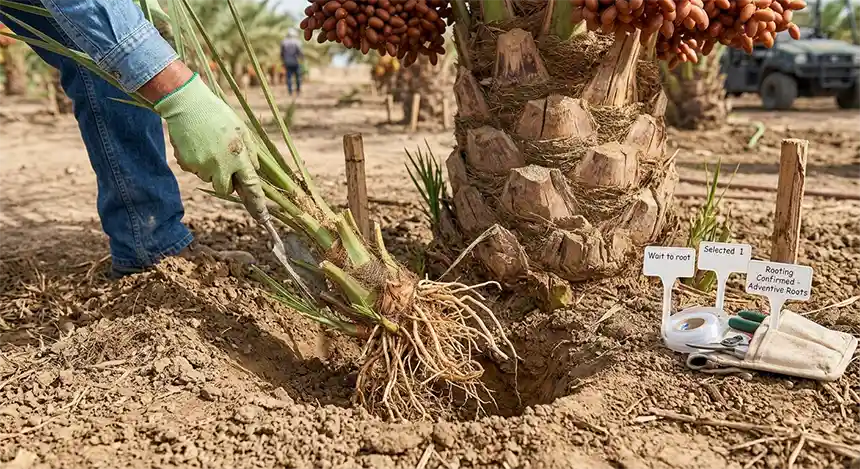
March-April are the preferred seasons for transplanting. Ideally, an offshoot should be 2-5 years old for this process. Remove the dirt around the selected offshoot and leave a bit of soil intact around the roots to minimize damage. Make sure that the roots of this offshoot are not sparse, or it will grow slowly and be weak.
What Are The Requirements to Grow A Date Tree?
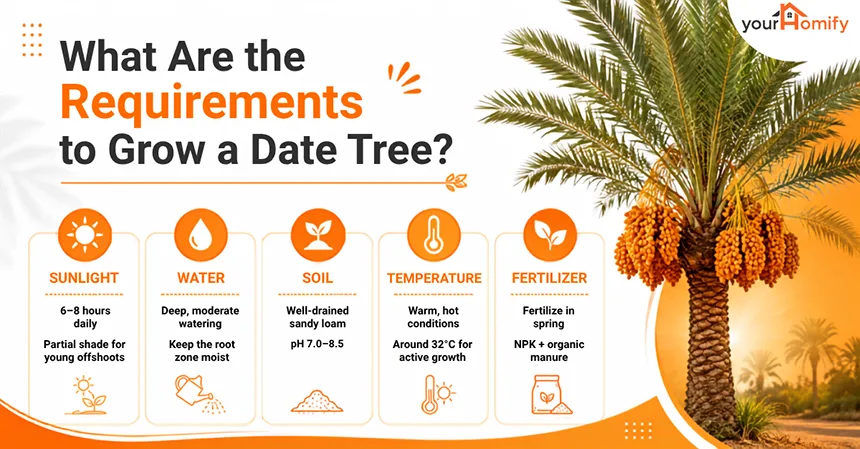
Date trees are best grown in 6-8 hours of sun exposure, with 20-25 liters of water biweekly. They need sandy, loamy soil with good drainage. Date Palms grow 1-2 feet every year and bloom in spring, with the USDA zone requirement being 9-11. NPK in a 3:1:3 ratio is the preferred fertilizer to yield good results. Based on research, nano-fertilizers are known to be better.
Now, let us know more about the growth requirements of date palm trees if you wish to plant a seed or use an offshoot to grow it.
Sunlight: Date palm offshoots require 6-8 hours of direct sunlight daily. 30-50% shade is suggested in their first few months to prevent leaf damage, since new offshoots can be sensitive to it. You could slowly transfer the plant from partial shade to more direct light as it grows. Too little sun slows down its growth and makes the plant weaker.
Water: For new offshoots (first 2-3 months): moderate watering with 30-50 liters every 2-3 days is a good routine. You can increase this amount by 10-20 liters in extreme heat. Ensure that the water reaches the root zone to help the soil retain moisture. Keep this up for the next 2-3 months so a solid base is developed. Shade the plants partially with a cloth to reduce water stress. You can check when the plant needs water by looking at the soil and decrease the frequency of it over time.
Soil: Well-drained soil, preferably deep sandy loam, needs to have a pH range of 7.0 to 8.5 and be free from calcium carbonate to support root growth and promote penetration to access water. The salinity levels should be no more than 5-6% for new plants and can be increased up to 9-10% for adult plants.
Temperature: Date palms require heat, with their zero vegetation point being 7°C. Active growth is promoted by the rise in temperature, with the optimum being at 32℃. For fruit ripening specifically, the ideal temperature range is 35-45℃. They can survive brief cold spells, but they are generally designed for long, hot summers with minimal rainfall and low humidity.
Fertilizer: Spring is the suggested season to fertilize date palms. Date palms have heavy nutritional needs. This foundation can be set by using farmyard manure (FYM) to help retain moisture and keep the nutrients available at the root zone. It should be worked into the top 15-20 cm of soil and watered thoroughly. The NPK (nitrogen, phosphorus, and potassium) in a balance of 3:1:3 ratio drives leaf growth and the formation of foliage.
How to Take Care of Date Trees?
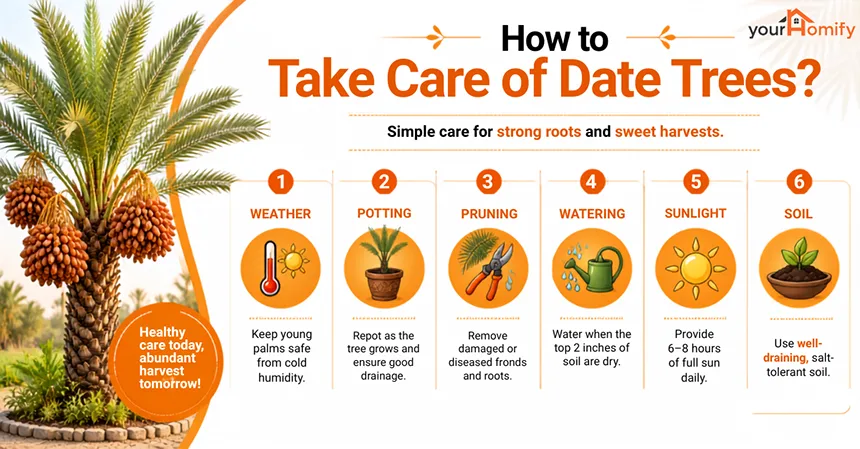
Date palm trees require constant care; some of the basic steps include weather protection, potting, pruning, watering, sunlight, and soil.
Let us explore this section in further detail.
Protection Against Weather: The trees are known to flourish in dry, hot, and sunny conditions. The temperature requirement is around 35°C for pollination. For general growth and pollination, ideal temperatures vary from 29°C to 40°C; avoid humidity for maximum harvest. The young plants can be kept indoors during harsh winters.
Potting: As the palm grows, it will need to be shifted regularly to accommodate its growing size. Ensure that it has a proper drainage point available. Once it outgrows your biggest pot, remove its roots carefully and place it in your home garden with room for expansion.
Pruning: For a date palm tree growing from an offshoot, it is important to look for any damage or diseased fronds. Remove any extra or separated roots before potting and while changing pots. Keep doing the same if you don’t wish to use offshoots to grow another tree.
Watering the Tree: For established, mature trees, water every two weeks during summer and once a month in winter. The date palm is drought-tolerant once it settles. The flowering and fruiting season requires a stricter schedule. If the top two inches seem too dry, it is a sign to water the plant. Otherwise, when and how much you decide to water it depends on the climatic conditions around you.
Sunlight: With its aforementioned need for specific climatic conditions, date palm trees need plenty of sunshine. They do well in full sun and need at least 6-8 hours of sunlight on a daily basis for optimum growth. Light shade is okay in between, but avoid humidity.
Soil: Well-draining soil that is tolerant of salt and has a slightly acidic or alkaline pH makes for the perfect soil for date palms to grow.
Additionally, young plants can be helped with quality manure or other fertilizers during late winter or early spring to promote crop production.
Pests and Diseases in Date Palms
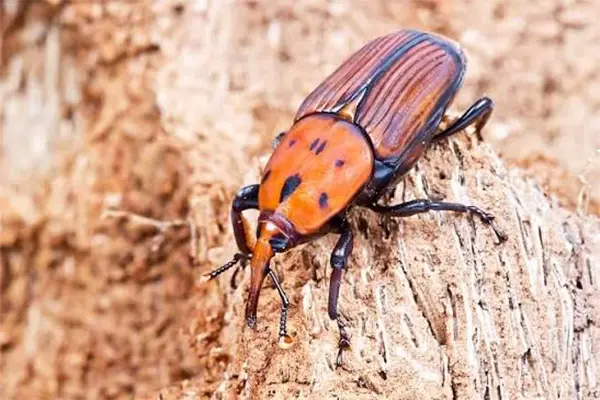
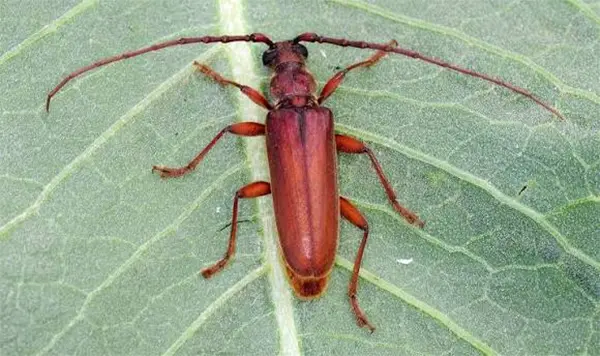
Some of the common pests and diseases that affect date trees are the Red Palm Weevil, Jebusea hammerschmidti Reich, Al Wijam, and Bayoud.
How to Harvest Date Trees?
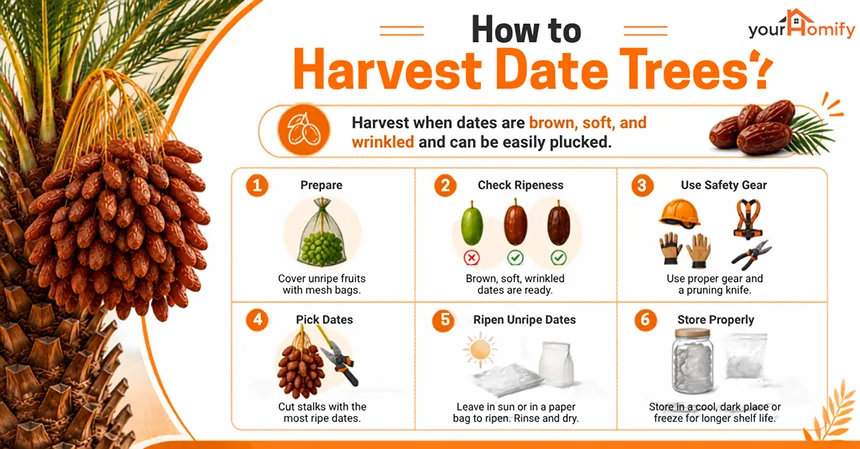
Dates are ready to be harvested when they have a brown and wrinkly texture, feel soft to the touch, and can be plucked easily from the stem. They should be picked at their best flavor and are usually hand-picked. Extreme temperatures affect the produce, resulting in texture issues and a lack of flavor. Therefore, check on your trees every 7-10 days during harvest season. Here are some steps to harvest your first produce:
Step 1: Pre-Harvest Prep
August-December are the months when date palms produce fruit. Cover the unripe fruits with mesh bags to protect them from birds and insects. Adjust irrigation to prevent damage.
Step 2: Monitoring the Fruits
As soon as you spot the dates getting brown and soft, with a wrinkly appearance, they can be harvested. A green color means there is still time for it to grow.
Step 3: Equipment Required
An electronic tree lift or a harness can be used to get to the fruits. Proper shoes, a helmet, and the use of gloves are recommended. Wear long sleeves to protect your skin from the rough edges of the bark and carry a pruning knife.
Step 4: Picking the Dates
Trim the rough and old fronds of the tree to locate the dates. An indication of a ripe date is that it can be easily plucked from its stalk. Cut out a stalk with the maximum number of ripe dates with a pruning knife.
Step 5: Unripe Dates
Leave the unripe dates out in the sun on a tarp until they turn brown. You could also put them in a brown paper bag for the same. Rinse the ripe ones and let them dry. Freeze them right after to get rid of bacteria.
Step 6: Varieties and Storage
Soft dates can be kept at room temperature for days. The semi-dry and dry types can be put into airtight jars or sealed in bags in a cool, dry, and dark pantry. Frozen dates can last up to a year and can be thawed before use.
YourHomify Insights
Use netting to protect your fruits from birds. The plastic mesh allows sunlight to pass through and prevents pecking.
Final Thoughts
Growing dates can seem a bit exhaustive, but the results are healthy and long-term. Follow the guidelines to provide ample room for their growing condition and be consistent in caring for them. Select your preferred variety properly, make room for enough sunlight, and look out for any issues.
Keep them away from harsh winters and avoid too much indoor time since it might pose a problem for fruit production. They don’t require a lot of regular attention once mature, so the surveillance can go down. You could use the dates in various desserts and enjoy them.
FAQs
What is the lifespan of a date tree?
Date Palm trees usually take a long time to grow, but they are also capable of reaching around 100 years if they are looked after properly. The trees typically bear an abundance of fruit until 60–80 years of age, with their yield rate dropping thereafter.
How to increase a date tree’s growth rate?
A fertilizer that consists of nitrogen, phosphorus, and potassium in a 3:1:3 ratio as its primary nutrients promotes plant growth. Micronutrients like magnesium, along with full direct sunlight and consistent watering in a favorable climate, help increase a date tree’s growth rate too.
What are the different types of date palms?
Date palms come in several varieties, with the more famous ones being Medjool, Deglet Noor, Barhi, and Zahidi. Other common varieties include Pygmy, Senegal, Cliff Date, and Wild Date Palm.
How to tell the difference between a male and a female palm tree?
The primary distinction lies in the trunk, flowers, and leaves when they mature, which is around 3-5 years. Male flowers grow in thick clusters filled with pollen only, whereas the female flowers produce round, almost bead-shaped clusters that bear dates when pollinated.
How many years does it take for it to produce fruit?
Date palms begin producing fruit after 4-8 years and reach full production around year 10-12, continuing to bear abundant fruit until 60-80 years of age. Offshoots tend to fruit sooner than seed-grown trees.