If you’re a lazy gardener like me and looking for a flowering plant that you can just add to a pot and forget about — Dragon Wing Begonia is for you! It is a popular flowering plant known for its glossy, wing-shaped leaves and vibrant blooms.
A plant that blooms nonstop, thrives in shade, looks glossy and healthy even when you forget to water it for a week – what else do you want?
This fast-growing hybrid requires indoor overwintering if planted in colder USDA zones. Here, in this article I have mentioned everything about the plant, from its growing steps and care needs to its propagating methods and mistakes that I made as a beginner, which should be totally avoided.
Quick Answer
Dragon Wing Begonia thrives in filtered sunlight to partial shade, with consistently moist, well-draining soil, regular watering, and frequent pruning. This herbaceous perennial hybrid grows well in garden beds, containers, and hanging baskets but needs overwintering in cooler USDA zones.
What is a Dragon Wing Begonia?
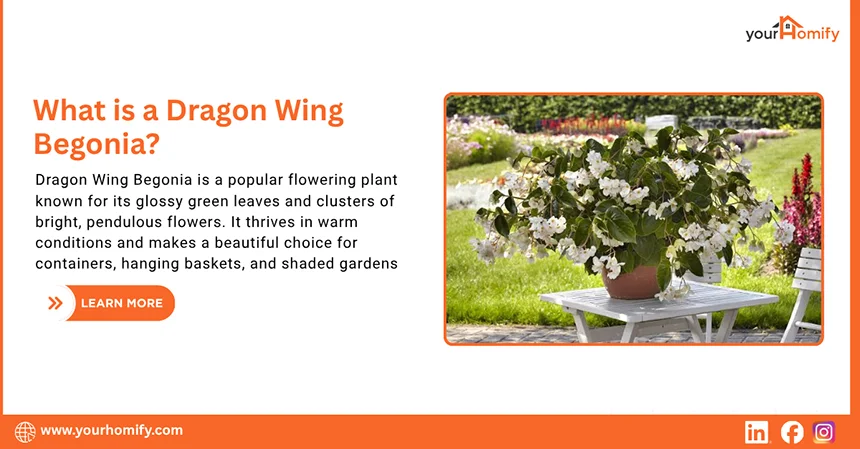
According to the Texas Master Gardener Association, the Dragon Wing Begonia is an herbaceous perennial hybrid that has a fast growth rate. Botanically known as Begonia × hybrida ‘Dragon Wings’, the species is a hybrid cultivar developed by crossing angel-wing begonia and wax begonia.
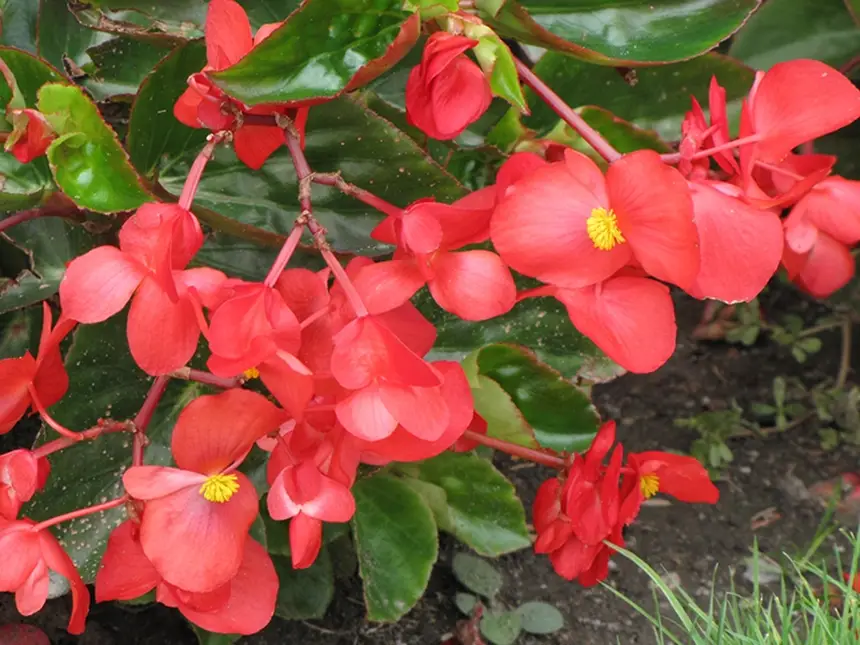
You’ll spot a Dragon Wing Begonia instantly by its foliage alone – thick, glossy, deep green leaves, shaped almost like an angel wing, which is where half of its name comes from.
This tender perennial grows about 12-18 inches tall and spreads 15-24 inches wide. It is ideal for USDA hardiness zones 10-11 and requires bright indirect light, moderate watering, and well-draining soil.
The dragon’s wing begonia is a shade plant that bears clusters of red, pink, white, or orange blooms and grows from spring through frost. Its ornamental appeal is a major reason it has become a most preferred plant in shaded garden beds, containers, and balcony gardens.
Complete Dragon Wing Begonia Care Guide
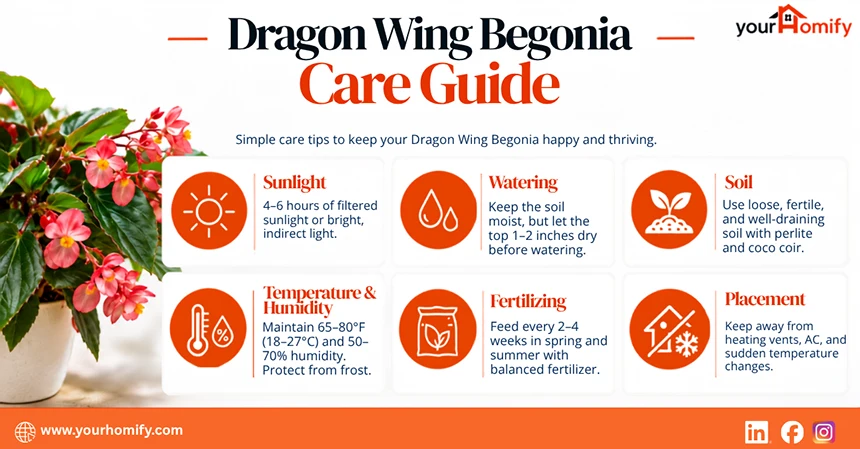
This is an easy-to-grow flowering plant that rewards gardeners with continuous blooms from late spring until frost. Water it, give it some light, and mostly leave it alone – that’s begonia dragon wing care in a nutshell.
Here’s a handful of simple habits that I followed which kept the coral blooms of the plant all season long.
Sunlight
The Dragon Wing Begonia grows best in partial shade to bright indirect light. It needs 4-6 hours of filtered sunlight.
If you are growing it as an indoor plant, it is ideal to place the plant near an east- or north-facing window. Too much harsh sunlight may scorch the leaves, while too little can reduce flowering.
Watering
Keep the soil consistently moist but never waterlogged. Water only when the top 1-2 inches of the soil feel dry and avoid letting the pot sit in standing water. Reduce the frequency during winter when growth slows down. While pouring, water at the base to keep the foliage dry and reduce fungal problems.
Soil Requirements
Dragon begonias prefer growing in loose, fertile, and well-draining soil. A suitable mix includes 2 parts quality potting mix, 1 part perlite, 1 part peat moss or coco coir.
You can also add compost to the soil for additional benefits. The pH of the soil should be slightly acidic, between 5.5 and 6.5.
Temperature and Humidity
This perennial flowering plant thrives in warm, humid conditions. The ideal temperature range is 65–80°F (18–27°C).
Protect the plant from frost conditions, as freezing temperatures may kill the plant. Provide 50- 70% humidity to promote healthy foliage. Keep the plant away from heating vents and air conditioners.
Fertilizing
Regular feeding encourages continuous flowering. It is best to fertilize the plant every 2-4 weeks during spring and summer. Use a balanced liquid fertilizer in the ratio 10:10:10. You can also use plant food with high phosphorus to enhance flowering. Stop fertilizing during winter when the plant is dormant.
How to Prune Dragon Begonias for Fuller Growth?
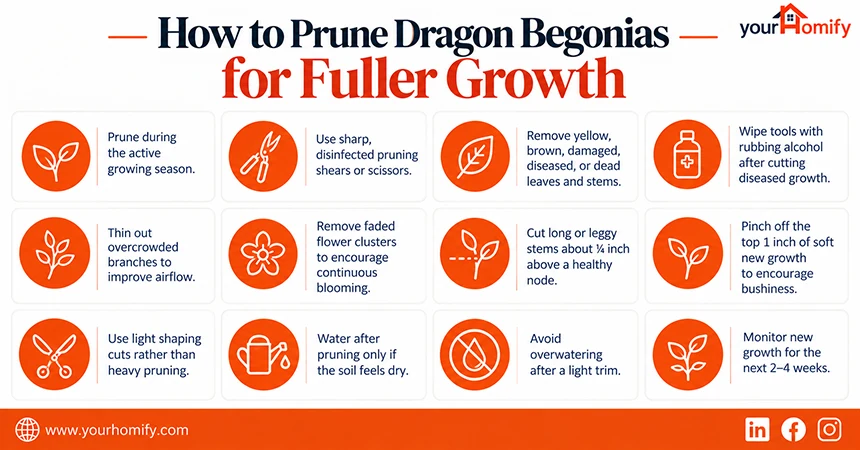
The best time to prune Dragon Wing Begonia is during the active growing season. If pruning stresses you out, breathe easy – because this plant needs a light trim and you are good to go. This encourages bushier growth, improves air circulation, and promotes continuous flowering.
Here’s exactly where and how to cut, so that you do not end up trimming the entire plant and end up regretting with shears in hand!
- Sharpen your pruning shears or garden scissors and disinfect them using rubbing alcohol. Every time you cut a diseased stem, wipe the tool to prevent spreading diseases from one plant to another.
- Look over the entire plant carefully. Check if there are any yellow, brown, or damaged leaves. Look for dead, broken, or leggy stems. Inspect for any overcrowded branches, as this helps you decide where to cut the plant.
- Start by cutting away dead leaves, brown stems, broken branches, and diseased foliage. You can make head cuts to shape the plant and encourage it to become fuller. Thinning cuts are usually made if the plant has become too overcrowded.
- Locate faded flower clusters and snip them off. Look for stems that have become long, thin, or leggy and cut them just about ¼ inch above a healthy node. Pinch off the top 1 inch of a soft new stem with your fingers to encourage bushier growth.
- If the soil feels dry after pruning, water the plant immediately. Do not overwater, especially if you have just removed a small growth. Monitor the plant for the next 2-4 weeks
How to Overwinter Begonia Dragon Wing?
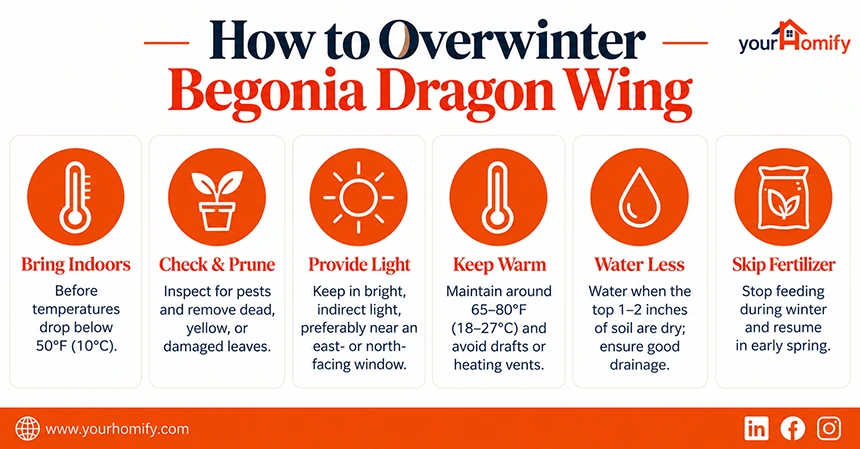
Overwintering a begonia dragon wing means shifting the plant indoors before the frost season to keep it alive so that it can continue growing in the next spring. Here’s exactly how I do it every fall.
Step 1: Bring the Plant Indoors
In USDA zones 10-11, begonias can remain outside year-round, but in colder regions or areas where the nighttime temperatures consistently fall below 50°F (10°C), it is important to bring them indoors.
If the plant is growing in the ground, carefully dig it up along with the root ball and transplant it to a container with a well-draining potting mix.
Step 2: Inspect for Pests and Prune Lightly
Before finalizing the location of the plant indoors, inspect for pests. Check the underside of the leaves and stems for aphids, spider mites, mealybugs, or whiteflies. Remove all the dead, damaged, or yellow leaves. This prevents pests from spreading to other houseplants.
Step 3: Choose a Bright Indoor Location
Place the Dragon Wing Begonia where it can get abundant, bright, indirect light. It is best to place it near an east-facing or a north-facing window. Avoid keeping it in direct afternoon sun or dark corners of your house.
Step 4: Maintain Warm Temperatures
The ideal temperature range for this tropical perennial is 65–80°F (18–27°C). Avoid keeping it near frosty windows, heating vents, or air conditioners. Sudden temperature changes can cause leaf drop or wilting.
Step 5: Adjust Watering’
During winter, the plant is usually dormant, which means the growth is slower. Adjust the watering frequency and water only when the top 1-2 inches of the soil feel dry. Pour thoroughly until the excess water drains away. Empty the saucers and do not allow the roots to sit in water.
Step 6: Stop Fertilizing and Monitor the Plant
Dragon begonias need fewer nutrients during winter. Stop fertilizing during the fall season, and this will signal the plant that the growing season is ending. Resume feeding in early spring to encourage new growth. Check the plants throughout. Remove all the dead and yellow leaves for optimal growth.
Propagation Methods for Wing Begonia
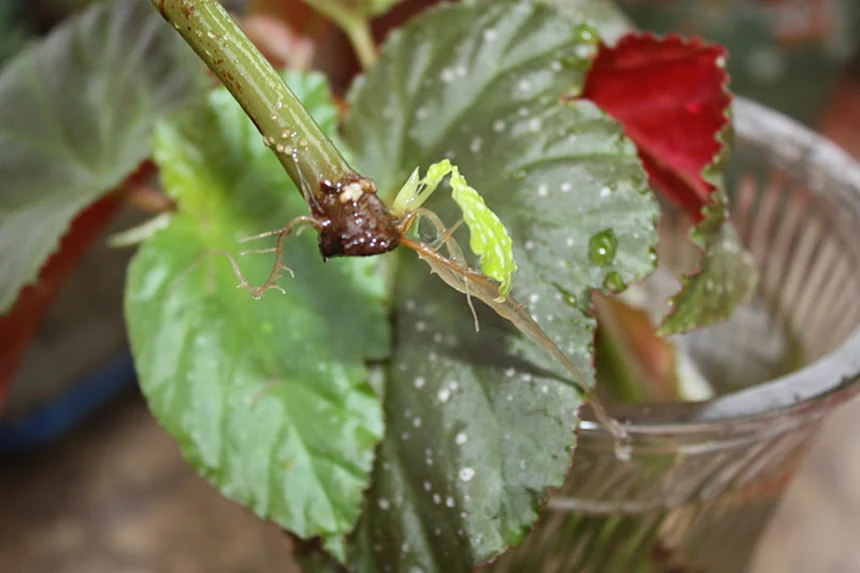
Since Dragon Wing Begonia is a hybrid variety, it cannot be grown from a seed. You can propagate this species using the stem-cutting method. Choose a healthy stem, make a sharp cut using garden shears, prep the cutting, and choose the rooting medium (soil or water).
Both the mediums work well, the choice is yours! Here’s how each one actually goes.
1. Propagating Begonia Dragon Wing in Soil
- Choose a healthy stem. Look for a stem that is free of pests and shows no signs of stress. Make sure the cutting is 4-6 inches long and remove leaves from the bottom half of the stem.

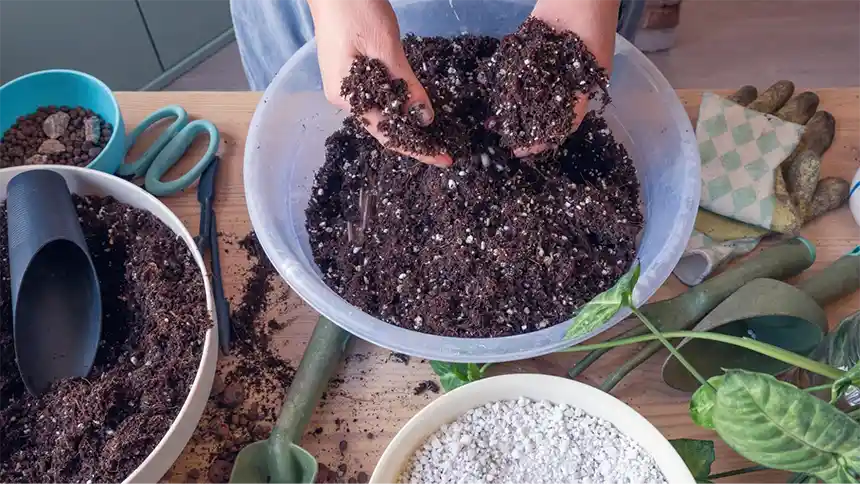
- Prepare the soil mix. Use a high-quality seed-starting potting mix. Do not use heavy garden soil or a mixture that does not drain well.

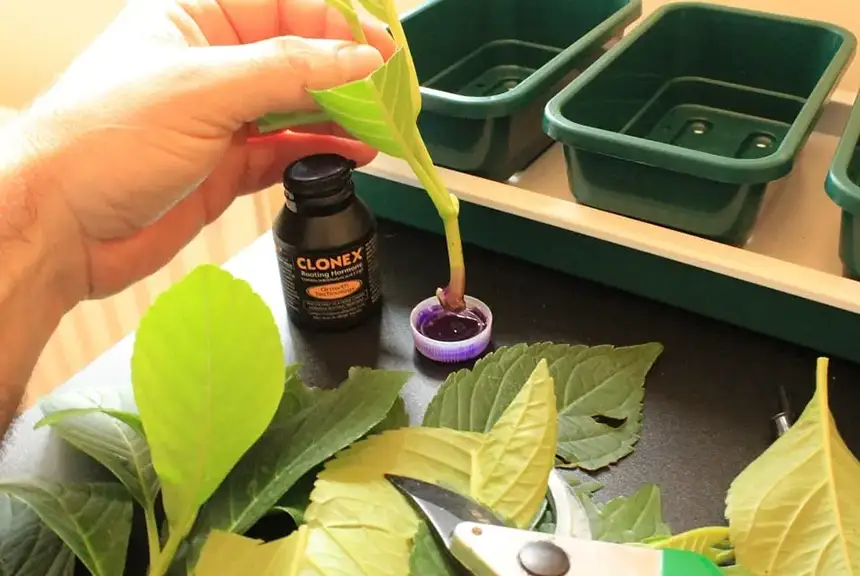
- Use a rooting hormone. Although this step is optional, if you wish to speed up your growing process, dip the bottom of the stem in a rooting hormone before planting it.

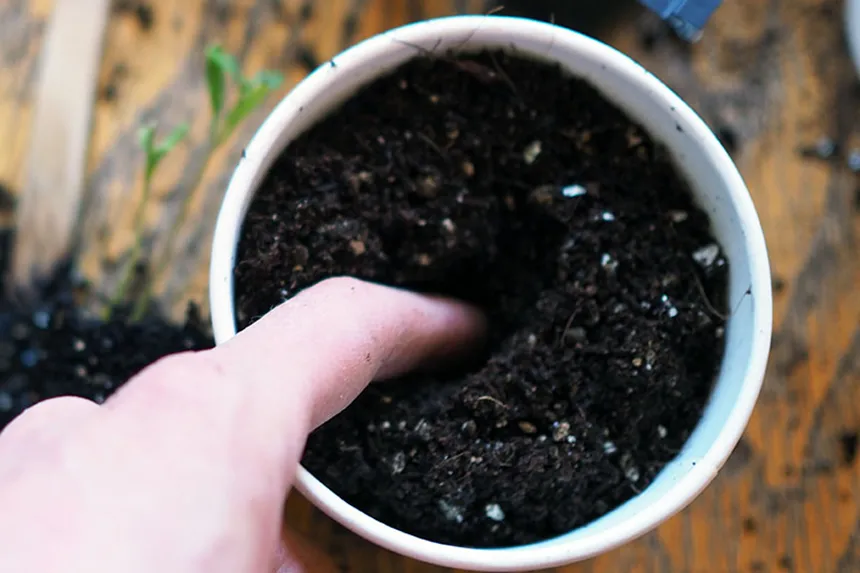
- Make a small hole in the soil using your finger or a pencil. Insert the cutting into the soil and gently press around it to remove all the air pockets.
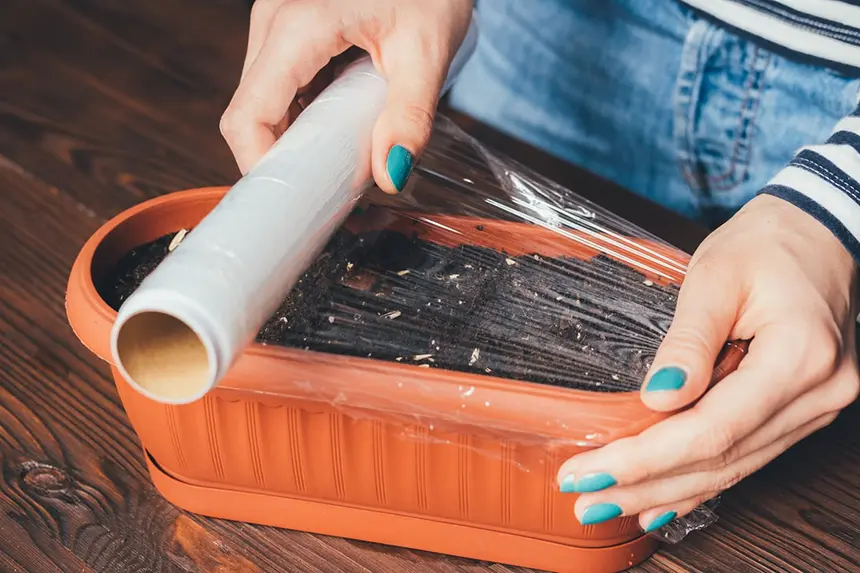
- Mimic a greenhouse environment by covering the pot with a clear plastic sheet. This increases humidity and prevents the leaves from losing moisture.
- Finally, place the pot in an area where it can get bright indirect light and proper warmth. Check the soil every 2-3 days and make sure that it is evenly moist but not waterlogged.
2. Propagating Begonia Dragon Wing in Water
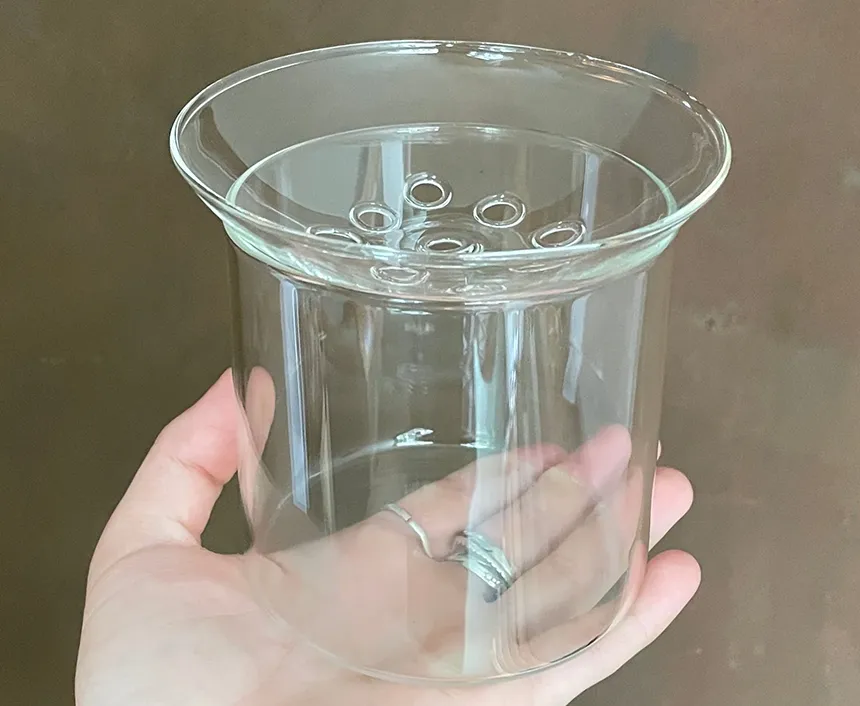
- Choose a proper vessel. Clean jars or a vase work well, but some home gardeners prefer a clear glass jar so that they can see the roots growing in real time.

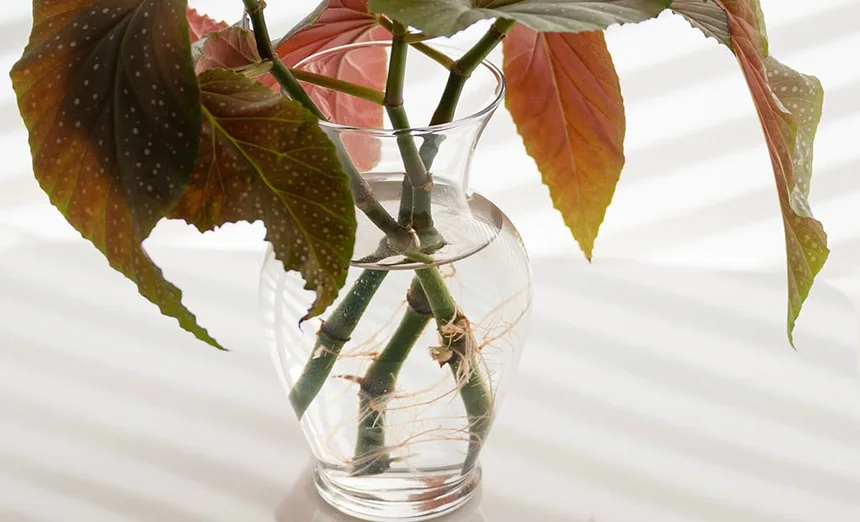
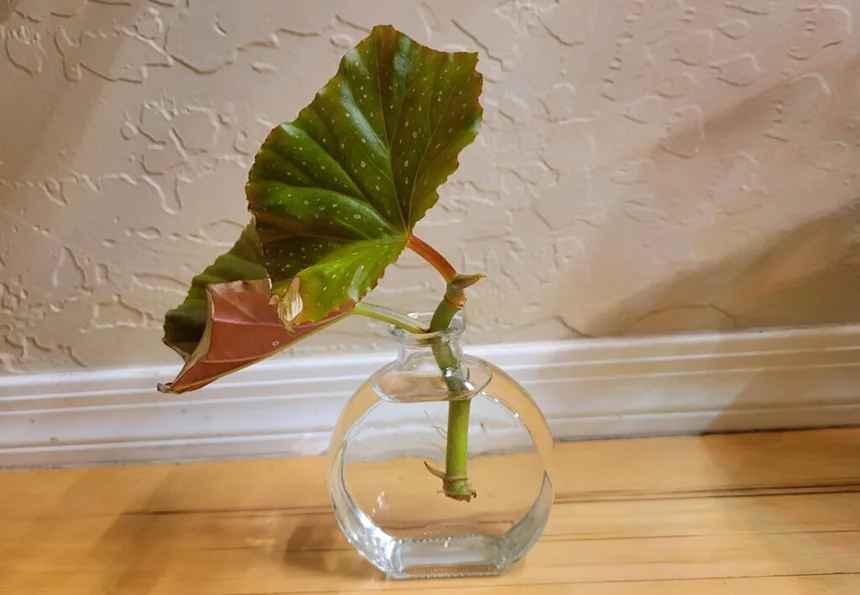
- Place your cutting in the water. Ensure that the bottom nodes are properly submerged in the water but the leaves are above the water line. Foliage dipped in water can cause fungal diseases and foul the water.

- Keep the jar or the vessel under bright, indirect light. It is best to keep it near a north-facing window. Direct sunlight can scorch the leaves and kill the plant.

- Change the water every few days. Do not let it get cloudy. Fresh water can speed up the process and give healthy developing roots. Once the roots are at least an inch long, you can move them to their final pot.
Common Mistakes to Avoid While Growing Dragon Wing
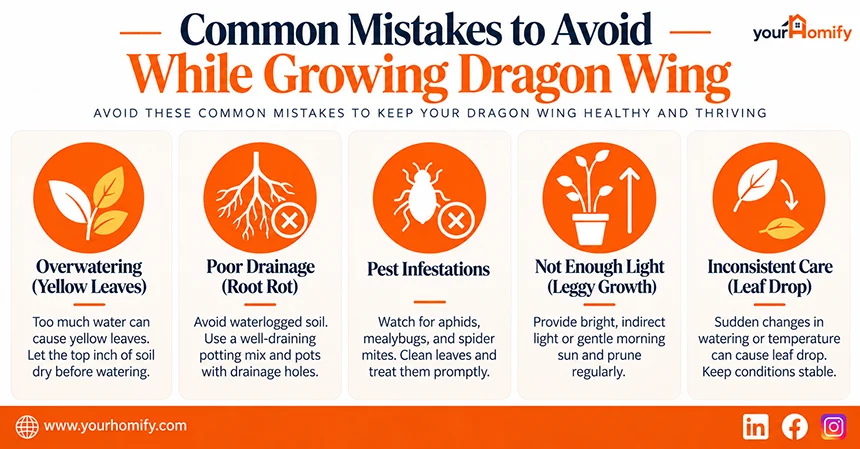
Some of the most common mistakes or dragon wing problems are yellow leaves, root rot, pests, leggy growth, and leaf drop. In this section, we will see the causes behind these problems and how to fix them.
- Yellow Leaves: If your begonia dragon wing red or pink flowers start yellowing around mid-summer, don’t panic. It usually happens due to overwatering or poor drainage of the soil.
When I faced this issue, I fixed it by adjusting the water frequency. Water only when the top inch of the soil feels dry and it’s done!
- Root Rot: Dragon Wing Begonias are known for their consistent need for water. This sometimes makes the soil waterlogged, which eventually leads to root rot. Heavy soil and no drainage holes in the pots are the main causes.
I learnt this the hard way, you don’t have to! Use a lightweight, well-draining potting mix. Always check the moisture of the soil.
- Pest Infestation: Dragon wing begonias are fairly pest resistant, but temperature changes or poor soil can still invite aphids, mealybugs, and spider mites. Yellowing or wilting leaves is usually your first clue. Wipe leaves down with a damp cloth, spray weekly with neem oil until they are gone, and isolate the plant if infestation is bad.
- Leggy Growth: Keeping the plant in too much shade or completely skipping pruning? Your begonia will start having leggy growth instead of staying full. Move it somewhere it gets bright, indirect light or gentle morning sun. Use a nitrogen-rich fertilizer and enjoy a fuller growth!
- Leaf Drop: If there is one thing that I always tell the beginners is that leaf drop is never random. It’s the plant reacting to shock. Whether that’s inconsistent watering or a sudden temperature change. I always make sure to keep the moisture level steady and ease out on watering and fertilizing before moving them indoors.
Final Words
Dragon Wing Begonia is an excellent choice for gardeners who want a low-maintenance plant that features colorful blooms and attractive foliage. Whether it’s tucked into a garden bed or trailing out of a hanging basket on your balcony – it is like a treat to sore eyes!
Once you’ve grown one season, you’ll probably find yourself propagating cuttings for every bare spot in your home. Good luck stopping at just one!
FAQs
Do Dragon Wing Begonias like sun or shade?
Dragon Wing Begonias are extremely versatile and adaptable. They grow best in partial shade to bright indirect light and require 4-6 hours of filtered sunlight.
How do I keep Dragon Wing Begonias from getting leggy?
Dragon Wing Begonias mostly grow tall and floppy if not pruned properly. Provide proper sunlight and a nitrogen-rich fertilizer to the plant to prevent leggy growth.
Can Dragon Wing Begonia be grown in pots?
Yes, absolutely! Growing Dragon Begonias in containers is an excellent way to add vibrancy to your balcony gardens or indoor spaces.
How tall do Dragon Wing Begonias grow?
This tender perennial grows about 12-18 inches tall and spreads 15-24 inches wide.
Are Dragon Wing Begonias good in hanging baskets?
Yes, Dragon Begonias can easily be grown in hanging baskets and can be used to add vertical interest to your home space, gardens, or patio.
- Begonia Dragon Wing – University of Arkansas Research Paper