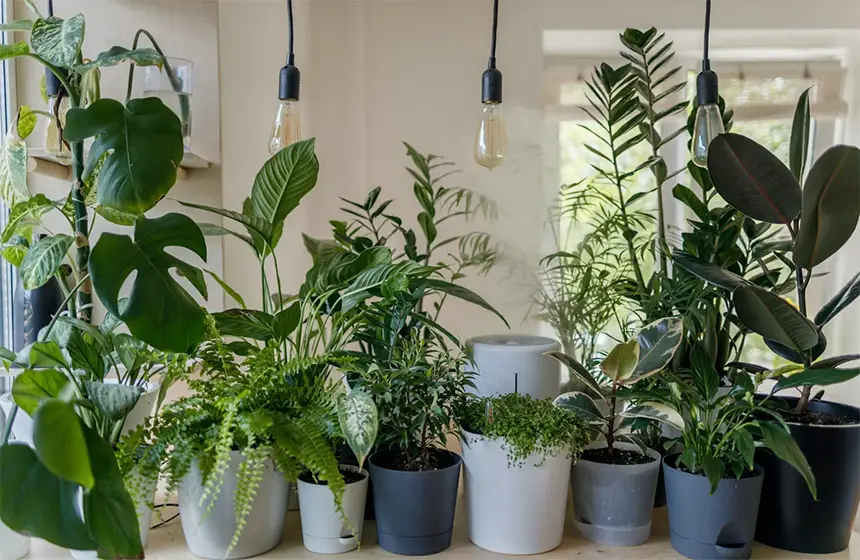
Shade-loving houseplants actually transform dim corners into living displays. In UK homes, there is at least one room that receives only a few hours of direct sun a day. This is important because most flowering plants carry a reputation for demanding bright windowsills.
But many beautiful bloomers often prefer filtered light, and a few actively suffer under bright rays. This blog explores seven flowering houseplants that bloom brilliantly without direct sunlight, with complete care specifics.
Why Shade Doesn’t Mean “No Flowers”
Light intensity and light duration work differently. A plant sitting two metres from an east-facing window still gets around 800–1,500 lux during morning hours – enough for many tropical species that developed beneath forest canopies. The Amazon basin, home to Anthurium and Spathiphyllum, receives roughly only 2–5% of full sunlight on the forest floor. UK living rooms mimic that canopy environment surprisingly well.
Direct sun through south-facing glass can hit 30,000–50,000 lux at midday in July. Most shade-adapted bloomers scorch above 10,000 lux. So keeping them away from direct rays isn’t a compromise – for these species, filtered light matches their actual habitat.
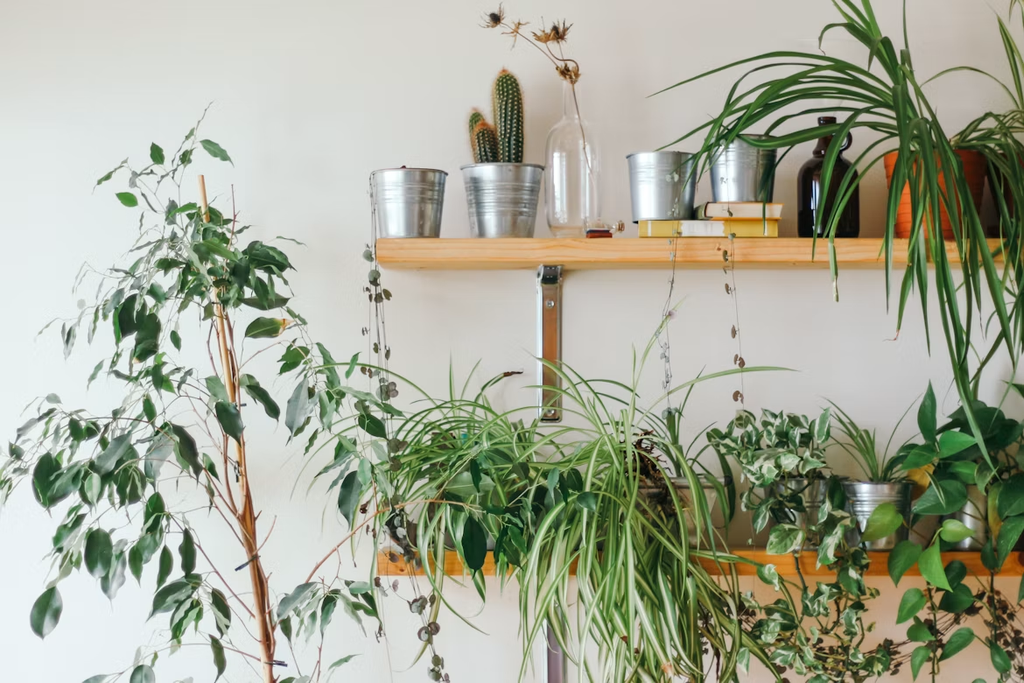
The Seven Stars of Low-Light Flowering
1. Peace Lily (Spathiphyllum wallisii)
Spathiphyllum wallisii handles lux levels as low as 500. The plant produces white spathes from spring through autumn without any direct sun. I keep mine on a bookshelf three metres from a north window, and the peace lily flowers average every eight weeks. Water the plant once the top 2 cm of soil dries out – often every 7–10 days in a heated UK home.
2. Flamingo Flower (Anthurium andraeanum)
Anthurium andraeanum blooms in red, pink, or white and holds each flower for 6–8 weeks. Bright indirect light suits the flamingo flower perfectly; east-facing sills with sheer curtains work perfectly. Feed Anthurium a half-strength balanced fertiliser (10-10-10) every four weeks during the growing season, March through September.
3. African Violet (Saintpaulia ionantha)
Saintpaulia ionantha has kept a place in British homes since the 1930s. African violets flower almost consistently under 10–12 hours of moderate indirect light. One practical trick: rotate the pot 90 degrees every week so all sides get even illumination. These compact plants hardly exceed 15 cm in diameter, making them perfect for cramped kitchen ledges.
4. Moth Orchid (Phalaenopsis)
Phalaenopsis orchids remain the UK’s best-selling potted plant, with Marks & Spencer and Sainsbury’s moving over two million stems annually. Moth orchids despise direct sun. Place Phalaenopsis on a north or east windowsill and water the orchid by soaking the bark medium for 10 minutes every 10–14 days. A single bloom spike can stay three months.
5. Christmas Cactus (Schlumbergera × buckleyi)
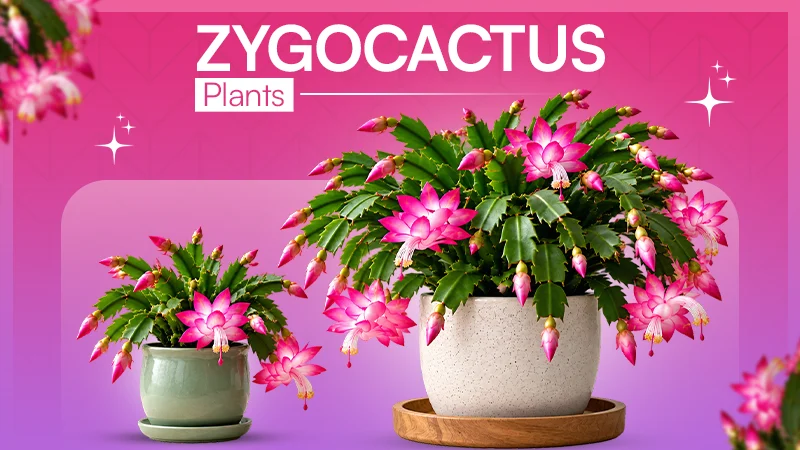
Schlumbergera × buckleyi flowers from late November through January – hence the common name. The Christmas cactus requires 12–14 hours of total darkness each night for six weeks before blooming. Bright indirect light during daytime hours and cool temperatures around 15 °C trigger the bud set. My grandmother’s Schlumbergera in Sheffield has flowered every December for 22 consecutive years.
6. Cape Primrose (Streptocarpus)
Streptocarpus hybridisers at Dibleys Nurseries in North Wales have bred over 150 named cultivars since the 1990s. Cape primroses flower from April to October under fluorescent or LED grow lights – even a standard desk lamp at 2,000 lux suffices. The plants grow well in east- or west-facing rooms and want temperatures between 15 °C and 25 °C.
7. Lipstick Plant (Aeschynanthus radicans)
Aeschynanthus radicans produces tubular red flowers that grow from dark calyxes resembling tiny lipstick cases. Hang the lipstick plant in a basket near a bright window that gets no midday sun. The trailing stems reach up to 60 cm, and the plant flowers most heavily when slightly pot-bound. Water Aeschynanthus only after the top third of the potting mix dries.
Quick-Reference Care Comparison
| Plant | Min. lux | Watering interval | Bloom duration |
|---|---|---|---|
| Peace Lily | 500 | 7–10 days | Repeat cycle, ~8 weeks |
| Flamingo Flower | 1,000 | 7–10 days | 6–8 weeks per flower |
| African Violet | 800 | 5–7 days (bottom-water) | Near-continuous |
| Moth Orchid | 1,000 | 10–14 days | Up to 3 months |
| Christmas Cactus | 1,500 | 10–14 days | 4–6 weeks |
| Cape Primrose | 1,200 | 5–7 days | April–October |
| Lipstick Plant | 1,500 | 7–10 days | Several weeks, spring–summer |
Practical Tips I’ve Learned The Hard Way
Overwatering destroys more shade-grown bloomers than underwatering. Roots in low-light conditions absorb moisture slowly, so soggy compost welcomes root rot within days. A moisture meter costing around £5 from any UK garden centre removes all guesswork.
Humidity matters more than people think. Central heating drops indoor humidity to 30–40% during winter, yet tropical bloomers require 50–60%. Group your plants on a pebble tray filled with water – evaporation raises local humidity by an average of 10–15%.
Feeding schedules change in shade. Reduce fertiliser concentration to half the label recommendation. Plants photosynthesise less in lower light, so extra nutrients build up as salt deposits in the compost. Flush the soil with plain water every fourth watering to avoid mineral accumulation.
A Thought On Sharing Flowers Across Borders
Growing your own shade-friendly bloomers brings daily joy – but sometimes you want to share that joy with someone from a distance away. A friend of mine recently searched for the cheapest way to send flowers to Canada from UK after her sister relocated to Vancouver. She discovered that online services with local florist channels in Canadian cities often keep costs lower than traditional air-freight options. Beginning prices through some providers sit around £30–£40 for a hand-tied bouquet with same-day delivery in cities like Toronto, Montreal, and Calgary.
Where To Find Reliable Houseplants In The UK
Independent nurseries pile up healthier specimens than most supermarkets. Burncoose Nurseries in Cornwall carries Streptocarpus cultivars year-round. Hewitt’s Garden Centre in Solihull specialises in tropical houseplants, covering several Anthurium varieties. Online, Patch Plants delivers across the UK and labels each product with special light requirements – a genuinely useful feature for shade gardening.
Curious about flowering plants that travel well as gifts? A colleague lately sent a potted orchid arrangement to a friend in Ottawa through an international flower delivery service for Canada, and the orchid arrived in full bloom within two days.
Your Next Step – Pick One And Start
I’d recommend the peace lily for total beginners. The plant forgives missed waterings, handles near-darkness, and even pushes out elegant white blooms. Start with a single 12 cm pot from a local nursery – expect to pay £6–£12 – and place the lily in your dimmest room. Within a month, you’ll see new growth.
FAQs
What flowering houseplants will survive without sunlight?
There are several houseplants that don’t require any sunlight to bloom, including the peace lily, African violets, moth orchids, Christmas cacti, etc.
What lighting conditions do low-light flowering indoor plants require?
Even though these plants require low lighting conditions, they still need some light in order to flower. So, a bright room with filtered light would be a good option.
Are orchids able to thrive in low-light environments?
Yes, moth orchids can thrive indoors under indirect light and do not require any direct light. An east- or north-facing window will work just fine.
Does humidity indoors have any effect on low-light flowering houseplants?
Humidity might affect them either positively or negatively. Since heating systems might make indoor air extremely dry, it would be better to keep the right level of humidity.