


Tropical houseplants are popularly grown as indoor plants due to their low-maintenance nature and low light requirements. Due to their natural growing environment, it requires filtered sunlight and high humidity. There is a wide variety of these low-light plants that can be grown indoors, from upright to creeping varieties, fit for all types of gardening styles.
Some popular tropical houseplants are calathea, Monstera deliciosa, orchids, bromeliads, anthurium, ficus, birds of paradise, ZZ plants, and African Violet.
If you are looking for such low-maintenance plants for your indoor space, let me take you through a detailed guide about the tropical houseplants, along with their growing, care guide, and planting benefits.
Quick answer
The tropical houseplants are plant species that thrive in equatorial climates. They thrive in warm, high-humidity areas with filtered sunlight. Some popular tropical houseplant options are Calathea, Monstera Deliciosa, Dieffenbachia, Orchids, Bromeliads, Anthurium, Ficus, Birds of Paradise, ZZ plant, African Violet, Philodendron, Peace Lily, Kalanchoe, Snake Plant, and Spider Plant.
What are Tropical Houseplants?
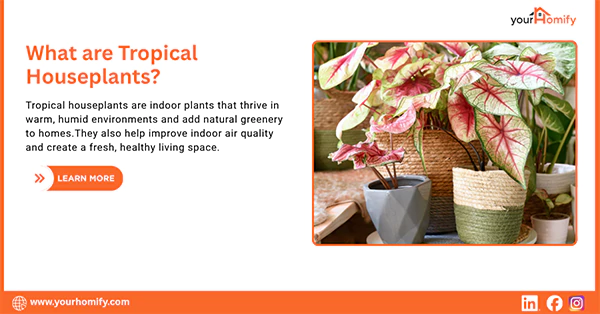
Tropical houseplants are a variety of plants that thrive in hot and humid climates. These plants grow in the filtered sunlight of the tree canopies in high humidity and wet soil. Due to their natural growing environment, they prefer low-light areas, as direct sun exposure can scorch the leaves of the plant.
These indoor plants are preferred by gardeners due to their exotic look and benefits like better mental well-being and enhanced indoor climate, which contribute to better productivity and sleep.
15 Popular Tropical Houseplants for Your Indoor Space
Calathea, Monstera deliciosa, Dieffenbachia, Orchids, Bromeliads, Anthurium, Ficus, Birds of Paradise, ZZ plant, African Violet, Philodendron, Peace Lily, Kalanchoe, Snake Plant, and Spider plant are some popular tropical plants that prefer low light and high humidity to thrive. They are low-maintenance plants that are perfect for adding an exotic look to the space.
1. Calathea
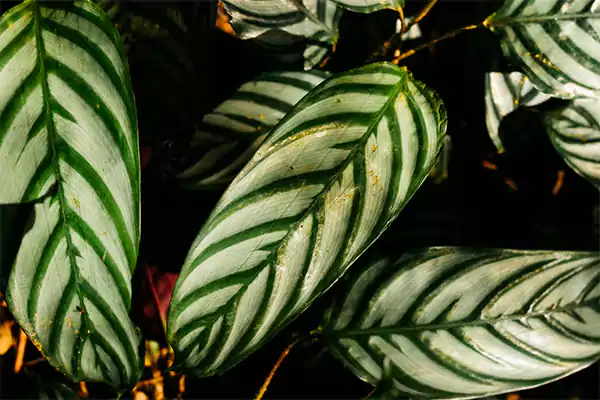
Calathea is a genus of flowering plants that features large, patterned leaves. Native to Central and South America, these indoor plants prefer dappled sunlight for 10-12 hours and weekly watering to thrive. It grows up to 10-12 inches tall and can last up to 5-10 years with proper care.
This tropical houseplant is non-toxic and safe for both pets and humans. They are hardy to zones 10-12 and grow white and purple flowers from May to October.
2. Monstera Deliciosa
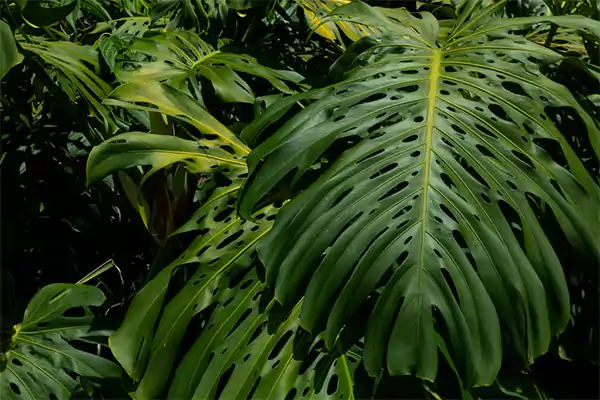
Monstera deliciosa is a broadleaf evergreen plant that is native to Central America. It is also known as the Swiss cheese plant and split-leaf philodendron due to the natural fenestration on its leaves — see our full “monstera deliciosa care” guide for light, water, and repotting tips. It grows up to 3-8 feet tall and requires medium- to low-maintenance. It thrives in peat-moss-based soil mixed with partial shade for 6-8 hours and is hardy to zones 10-12.
This tropical houseplant rarely flowers indoors, but when grown outdoors, it produces small yellowish-white flowers, which have an attached spadix. According to ASPCA, Monstera deliciosa is considered toxic for pets.
3. Dieffenbachia
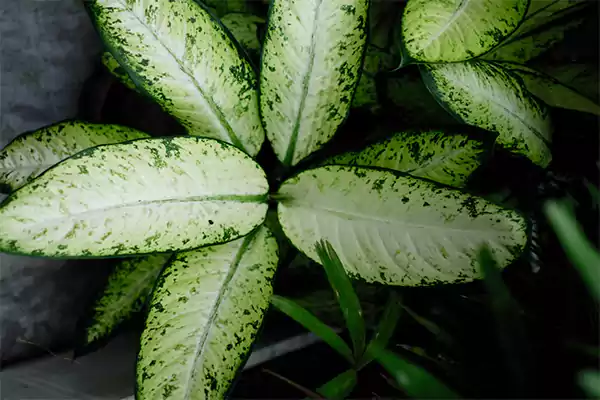
Dieffenbachia is botanically known as Dieffenbachia seguine. This evergreen perennial belongs to the arum plant family. It is also known as “dumb cane” because it contains a toxic sap that can cause mouth swelling and speech paralysis. They typically bloom from May to August and grows up to 3-10 feet tall, ideal for filling spaces.
This plant prefers up to 10 hours of bright, indirect sunlight. They are hardy to zones 10-12 and prefer high humidity and moist soil. It is also known to purify air by removing harmful toxins from the surroundings. Feed the plant with a dose of balanced, liquid fertilizer every 4-6 weeks during the growing season.
4. Orchids
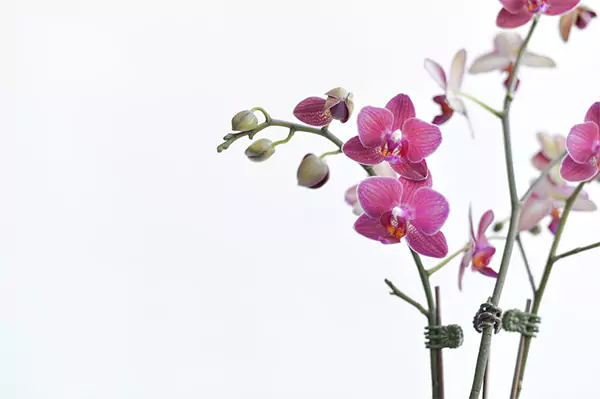
Orchids are one of the largest plant families with over 25,000 species of flowers. These epiphytic plants ideally grow on trees, but for an indoor plant variety, they prefer humus-rich soil. Hardy to zones 5-8, the orchid flowers have a fairly high cold tolerance. They grow up to 1-3 feet tall and are completely safe for pets.
These ruffled blooms typically bloom from January to April and are used as cut flower arrangements for weddings. They are hardy to zones 10-12 and hence are not cold-tolerant.
The orchid flowers prefer bright, indirect light for 6-8 hours due to their epiphytic growing nature. While they are pretty low-maintenance, remember not to use ice for hydration, as it can shock the plant.
5. Bromeliads
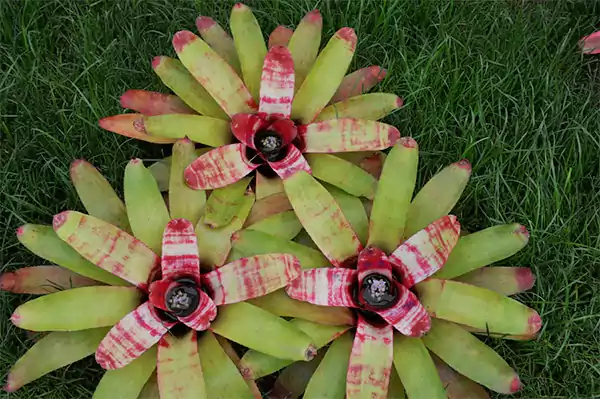
Bromeliads are a flower family that contains over 3,200 plant species. It is botanically known as Bromeliaceae and is native to North and South America. These epiphytic plants feature large, rosette-patterned leaves that frequently change color due to environmental changes.
These low-maintenance plants thrive in bright, indirect sunlight for 6+ hours and grow up to 3 feet tall. Some varieties of these tropical houseplants are compact, ideal for small spaces. Bromeliads grow the pineapple fruit and are grown for their edible fruit, which is also safe for pets. They are hardy to zones 10-11, which makes them perfect for tropical and subtropical climates.
6. Anthurium
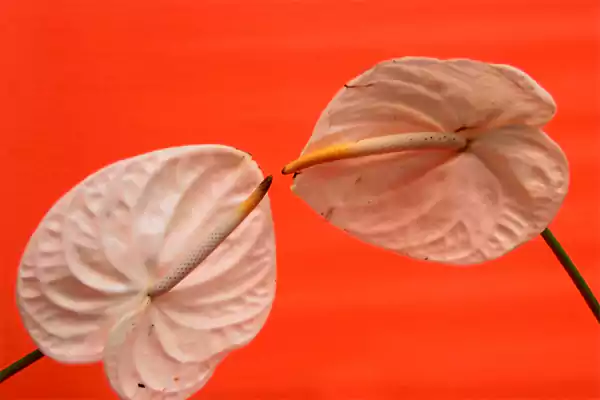
The anthurium plant is also known as the flamingo lily due to its unique flower shape. These tropical houseplants are native to Central America, South America, and the Caribbean. It produces waxy leaves called a “spathe” and a tail-like structure growing out of it called a “spadix” which is toxic in nature.
These tropical, evergreen perennial flowers bloom throughout the year if the right care is provided — see our full “anthurium care guide” for light, humidity, and feeding tips. Anthuriums are hardy to zones 10-12 with zero cold tolerance. It grows up to 12-24 inches tall and can be grown easily in small pots for balcony garden or other small spaces.
7. Ficus
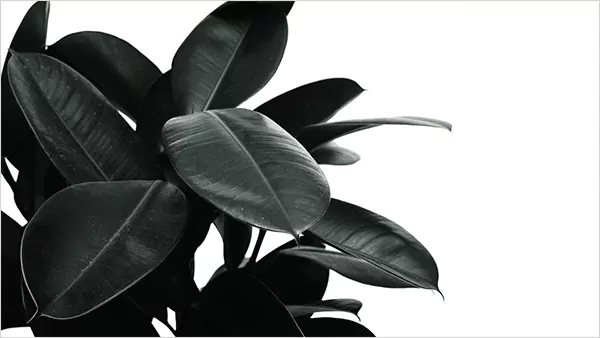
Ficus is a genus of flowering plants and is also known as fig and is native to Asia, Africa, Australia, and Mediterranean regions. These indoor plants have different species with varying growing habits. While the height of ficus varies, the large varieties can also grow up to 3-10 feet tall in proper bright, indirect sunlight for 6+ hours.
The ficus plant is typically grown for its edible fruits and large leaves, which are extremely ornamental but toxic to pets. They are hardy to zones 10-12, with the ideal temperature for these houseplants being 55-85°F. It requires moderate watering; allow the top inch of the soil to dry out properly before misting again to avoid waterlogging.
8. Birds of Paradise
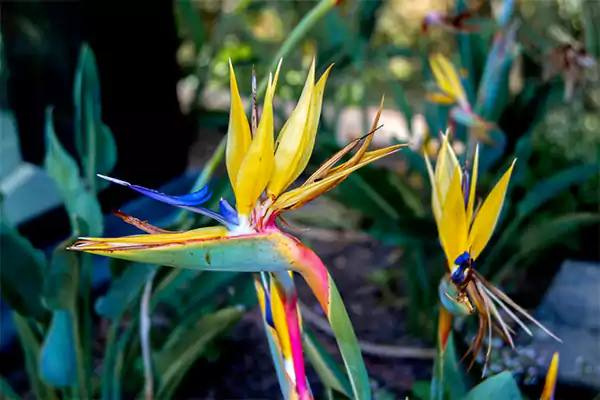
The birds of paradise are also known as the ‘crane plant’ because the elongated seed pod of the plant closely resembles a crane. This evergreen perennial grows up to 3-4 feet, perfect for indoor spaces. It thrives in indirect sunlight for 4-6 hours and well-draining loamy soil.
They are native to South Africa and hardy to zones 10-12, which makes moist soil and high humidity preferable growing conditions for them. These tropical houseplants are quite low-maintenance but can be susceptible to aphids and scale. Use insecticidal soap to treat them and repot the plant if the infestation spreads. As per ASPCA, the birds of paradise are toxic to pets.
9. ZZ Plant
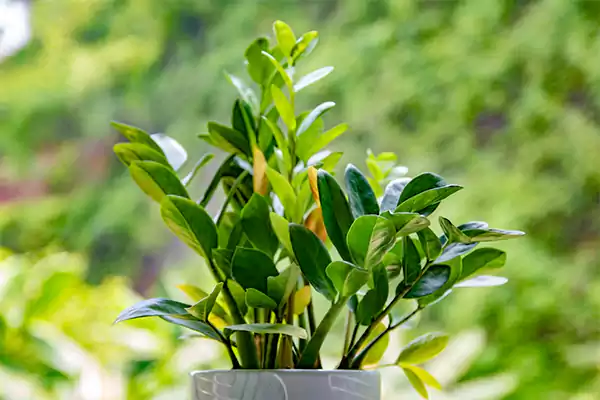
The ZZ plant is popularly known as the Zanzibar gem from the Araceae family. These indoor plants prefer 6-8 hours of bright, indirect sunlight and are one of the most low-maintenance and forgiving plant varieties. These herbaceous perennial plants are native to Eastern Africa and typically bloom from July to September. They are hardy to zones 9-12 and are not cold-tolerant.
It features glossy, deep green leaves, which are best grown in partial to full shade. The ideal temperature to grow these drought-tolerant plants is 79°F. It grows up to 2-3 feet tall and is toxic to pets.
10. African Violet
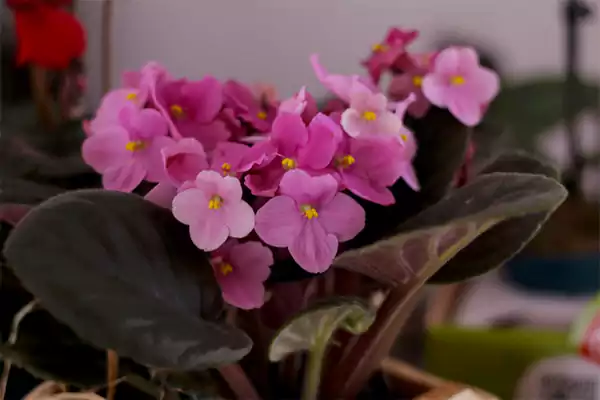
African violet is an evergreen plant in the Gesneria plant family. It is scientifically known as the Streptocarpus ionanthus and is native to Africa, as the name suggests. It is hardy to zones 11-12 and prefers warm temperatures (65-75°F) to grow.
They have a really slow growth rate and feature small white, red, purple, and pink flowers. It grows up to 6-9 inches tall and is ideal for small, compact spaces. These high-humidity plants prefer bright, indirect sunlight for 6-8 hours; full sun exposure can scorch their leaves. According to ASPCA, the African violet flowers are toxic to pets.
11. Philodendron
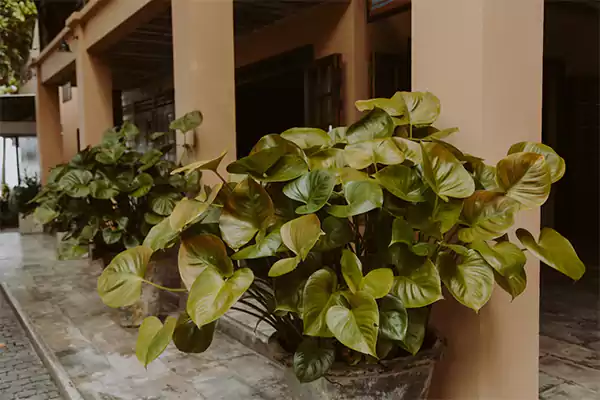
Philodendron is a genus of flowering plants that are native to American and Caribbean regions. This evergreen perennial plant mainly features heart-shaped leaves and sometimes pinnate-shaped leaves as well, depending on the variety. They are hardy to zones 10-12 and prefer warm and humid conditions. It usually thrives on 6-8 hours of indirect sunlight, like all tropical houseplants, and can grow up to 3-20 feet.
They are not invasive when planted indoors, but outdoor varieties can spread quickly if not maintained properly. One major reason to grow philodendrons is their air-purifying qualities, but be careful, as they are toxic for pets and can cause digestive discomfort upon ingestion.
12. Peace Lily
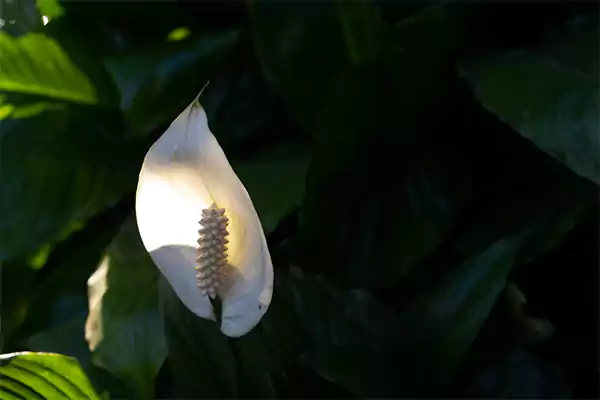
The peace lily is an evergreen perennial tropical plant, which is botanically known as Spathiphyllum wallisii and is part of the arum family. It is native to Central and South America. They grow white flowers with an attached spadix, which bloom in April and are toxic to pets. They prefer bright, indirect sunlight for 10-12 hours, as direct sun can scorch the leaves. The ideal temperature for these plants is between 60°F and 85°F, and it should not drop below 40°F. They are hardy to zones 10b-11 and are not cold-tolerant.
The average height of the peace lily plant ranges from 1-4 feet, ideal for indoor spaces without taking up much space. Their average lifespan is around 5 years, but it can extend up to a decade with proper care.
13. Kalanchoe
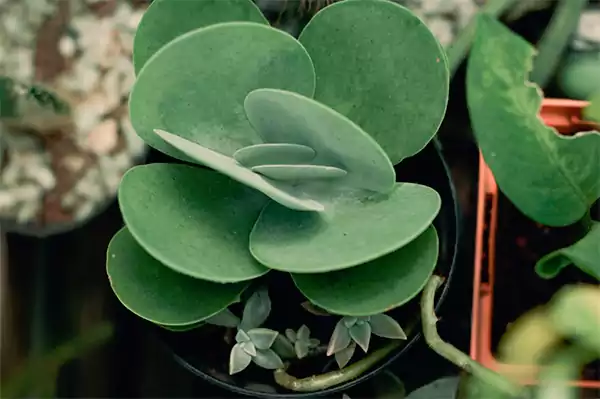
Kalanchoe is a genus of flowering plant from the stonecrop family. It is native to Madagascar and features a cluster of small flowers in shades of pink, purple, white, and red. It grows up to 6-18 inches with indirect sunlight for 6-8 hours. This succulent is really thick and fleshy, which stores water for the plant’s survival in dry climates. It is a slow-growing succulent that has a compact growing habit, ideal for small containers.
These houseplants are hardy to zones 9-12, which makes them intolerant to harsh winters. The kalanchoe flowers are great pollinators, enhancing the overall ecosystem. They are toxic to pets and need to be placed appropriately indoors.
14. Snake Plant
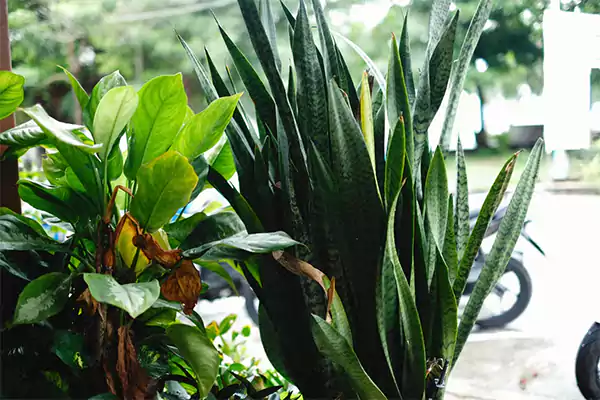
Snake plant is now botanically classified as Dracaena trifasciata and is native to West Africa, perfect for zones 9-11. It features long, striped green leaves with white edges. These perennial succulents typically grow up to 2-4 feet for the indoor variety. According to Yahoo, snake plants are one of the easiest indoor plants, which are extremely resilient and perfect for beginners. They have an extremely slow-growing rate and can typically last up to 2 decades with proper care.
It prefers indirect sunlight for 5-8 hours; hence, a north-facing window is the best for them. Be mindful of snake plants, as they are toxic to pets and cause digestive discomfort if ingested.
15. Spider Plant
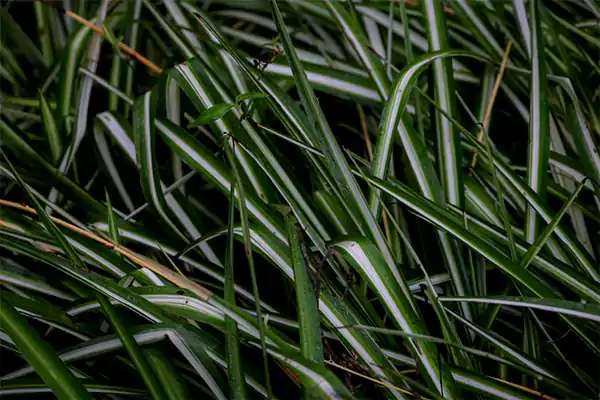
The spider plant is an evergreen herbaceous perennial plant native to Africa. Botanically known as Chlorophytum comosum, these tropical plants feature stripes on green leaves. They are also known as airplane plants due to their arcing leaves, which resemble the wings of an aircraft.
Hardy to zones 9-11, these indoor plants prefer moist soil with consistent watering and dappled sunlight for 5-8 hours. They grow up to 12-24 inches, perfect for small spaces. According to PetMD, the spider plant is safe for cats.
How to Grow Tropical Houseplants?
Tropical houseplants are best suited to grow as houseplants in colder regions. They require constant humidity, watering, and indirect sunlight to mimic the natural growing conditions.
Here is a step-by-step guide to growing a tropical plant indoors:
Step 1: Select the variety of tropical plant you want to grow.
Step 2: Take a terracotta pot with enough drainage holes so that the water drains well.
Step 3: Fill the pot with a well-draining soil mix, rich in perlite, coco air, and peat moss for better aeration and drainage.
Step 4: Place the stem cutting in the soil and fill it back with the soil.
Step 5: Water the plant thoroughly, as tropical houseplants prefer damp soil.
Step 6: Place the plant preferably near a north-facing window, as these low-light plants prefer dappled shade. A south-facing one with curtains also works well for certain varieties.
Care Tips for Tropical Houseplants
Tropical houseplants thrive in bright, indirect sunlight and consistent moisture with high humidity. They are comparatively low-maintenance and easy to manage indoors. At the same time, it is important to make sure their basic growing conditions are perfectly mimicked to ensure plant health:
Take a look at these core care tips for your tropical houseplants:
- Sunlight: Tropical plants that grow in the shade of rainforest trees are adapted to survive indirect or dappled sunlight. 6-8 hours of bright, indirect sunlight is adequate for these plants to thrive. However, the sunlight requirement varies as per the plant species; therefore, check and place accordingly. When planting indoors, place it near a window that does not receive direct sunlight. Direct sun exposure can scorch and burn the leaves, affecting the plant’s health.
- Water: Houseplants need consistent moisture, especially the tropical species, which grow in a consistently moist environment. 1-2 inches of water per week works well for tropical houseplants. Different types of tropical houseplants have different water needs; hence, check and act accordingly. Always check the soil moisture before watering to avoid waterlogging.
- Humidity: Due to their natural habitat, tropical plants thrive in high-humidity areas. Tropical plants indoors require at least 60-80% humidity levels, but the exact requirement can differ as per species. Place them near a bathroom or near a tray filled with water and pebbles to provide consistent humidity. Check the accurate temperature requirement of each plant and adjust accordingly.
- Plant Feeding: Tropical plants are heavy feeders and require a monthly dose of balanced, nitrogen-rich fertilizer during the growing season. Nitrogen-rich fertilizer encourages foliage growth; hence, limit its usage with plants that are grown to bear flowers. Remember not to overfertilize, as overfeeding can lead to root rot.
Benefits of Growing Tropical Houseplants
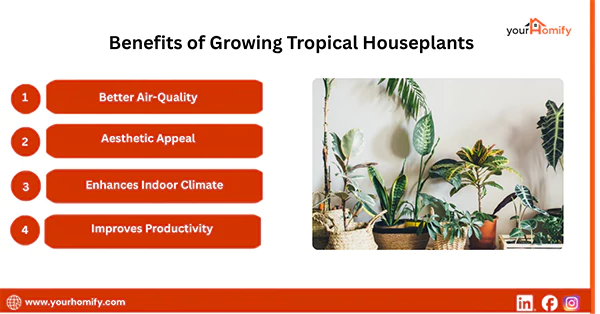
Tropical houseplants are extremely beneficial for indoor spaces. It helps purify air, improve mental health, enhance the look of the house, and improve indoor climate.
While individual benefits vary as per plant species, I have listed some common benefits of tropical houseplants:
- Better Air-Quality: Some houseplants have air-purifying properties that enhance the air quality of the house. This also contributes to better sleep and well-being. Plants usually maintain a room temperature, which contributes to a calm space.
- Aesthetic Appeal: Tropical houseplants with their unique shapes and large leaves add a unique touch to the indoor space. From the arching leaves of the spider plant to the variegated pattern of the rubber tree, every tropical plant has its own unique appeal.
- Enhances Indoor Climate: Indoor plants, through the process of transpiration, absorb the heat from the surroundings and stabilize the room temperature. This helps in creating a cooler indoor space.
- Improves Productivity: Tropical houseplants, along with being aesthetically pleasing, help enhance mood and productivity. As per research by APA Psyche Net, placing indoor plants in a workspace significantly improves the productivity of the employees.
Concluding Remarks
To summarize, tropical houseplants are low-maintenance indoor plants that instantly elevate the indoor climate and vibe of the space. They are used to an equatorial climate and hence prefer low-light areas with high humidity.
The list mentioned in this article is perfect to create a calmer indoor space with minimal care. Some of these houseplants have air-purifying benefits along with being pet-safe. If you provide the right kind of care, these plants are really long-lasting.
FAQs
What plants are good for Sagittarius?
Snake plant, pothos, and ZZ plant are good for Sagittarius due to their low-maintenance and resilient nature.
Can houseplants trigger allergies?
Yes, some houseplants contain toxins that can cause skin allergies.
What plants help with VOCs?
Snake plants and peace lilies help with VOCs because they have air-purifying properties.
Do plants lower cortisol?
Yes, plants have the tendency to lower cortisol levels and help with stress and anxiety.
Do all the tropical plants have the same sunlight requirements?
No, most of the tropical houseplants prefer low-light areas and bright, indirect sunlight, but it can vary depending on the species.


How to Grow Turmeric Indoors: Complete Pot Growing Guide
[…] is a tropical plant that has specific light and temperature requirements, which can be a little tricky to […]
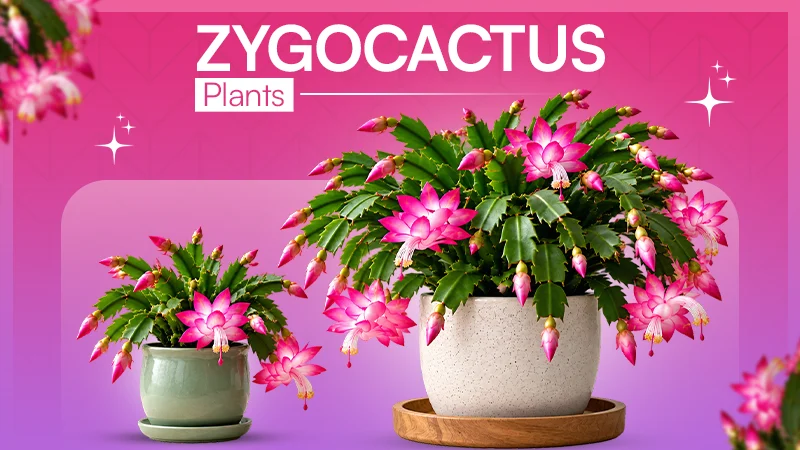
Zygocactus Plants: Growing, Care Guide & Pest Control
[…] plants – a tropical houseplant, cold tolerant indoor plant, easy to care for, pet friendly, and looks so stunning that it can be […]
7 Flowering Houseplants for Low-Light Rooms in 2026
[…] carries Streptocarpus cultivars year-round. Hewitt’s Garden Centre in Solihull specialises in tropical houseplants, covering several Anthurium varieties. Online, Patch Plants delivers across the UK and labels each […]